LearnWithSubs

ブラッシュアップライフ Episode 6

This episode collects 15 conversation scenes: the jargon of a TV production set (the billing order of actors called 「番手」, "special appearance" and "friendship appearance", the closing slot 「トメ」), complaints between friends, an old friend's visit, handling a canceled flight, and a firm refusal at a counter. The focus is on industry vocabulary and indirect ways of voicing dissatisfaction.

Language highlights

  • 「しがらみ」(ties of obligation you cannot shake off)
  • 「忖度」(anticipating a superior's wishes and acting on them unasked)
  • 「〜とは〜のこと」("X means Y", the definition pattern)
  • 「〜ちゃわない?」("don't you end up...?", a rhetorical question)
  • 「バッサリ」(cutting off decisively)
  • 「いつ来ていただいても」("whenever you may come", exaggerated keigo for humor)

Scenes on this page

  1. A producer's job: deciding the "bante" order

    Scene 1 · 0:28

    Expressions: しがらみ, 忖度, 〜とは〜のこと

  2. What do "special appearance" and "friendship appearance" mean?

    Scene 2 · 0:28

    Expressions: 〜みたいなノリで, 〜てもらって(恐縮の定型), お世話になる

  3. The closing slot is called "Tome"

    Scene 3 · 0:28

    Expressions: トメ, ドンって出てきたら, 〜に近いものがある

  4. Married six years, and she never said a word

    Scene 4 · 0:31

    Expressions: 〜てくれない(不満の授受), 〜ちゃわない?, タイミングがない

  5. Fukuda comes to promote himself

    Scene 5 · 0:26

    Expressions: 声をかける, もしあれだったら, 〜といたほうがいい

  6. Aren't you two coming a bit too often?

    Scene 6 · 0:31

    Expressions: 〜も vs 〜しか, 〜過ぎ, いつ来ていただいても

  7. This news felt thin after the previous story

    Scene 7 · 0:29

    Expressions: AはAなんだけど, 濃い/薄い(話の密度), マシ

  8. The flight has been canceled

    Scene 8 · 0:25

    Expressions: 〜らしくて, 朝イチ, ずらす

  9. A savior, so she turns a blind eye

    Scene 9 · 0:29

    Expressions: 目をつぶる, 〜なので, 〜だし(理由の付け足し)

  10. "I'm only 29 - isn't that strange?"

    Scene 10 · 0:26

    Expressions: 「〜」じゃなくて, あくまでも, 〜やすい

  11. "Can't I at least watch the premiere?"

    Scene 11 · 0:27

    Expressions: バッサリ, 〜としても, 手がける

  12. "Then why do you keep asking?"

    Scene 12 · 0:28

    Expressions: ちょいちょい, もう一押し, どうせ

  13. All that effort, and I end up a purple sea urchin?

    Scene 13 · 0:31

    Expressions: 〜としての, 〜たまま, 一応(二回目)

  14. Round four: at age four, she negotiates with her teacher

    Scene 14 · 0:26

    Expressions: 〜わけじゃない(第4集の再出), どこでそんな言葉覚えたの, 〜って(主題提示)

  15. The sticker swap became a hospitality swap

    Scene 15 · 0:29

    Expressions: 気を使われている, 接待交換, 〜させてしまった

Speed
All scenes

A producer's job: deciding the "bante" order

This scene

ブラッシュアップライフ Episode 6 A producer's job: deciding the "bante" order still

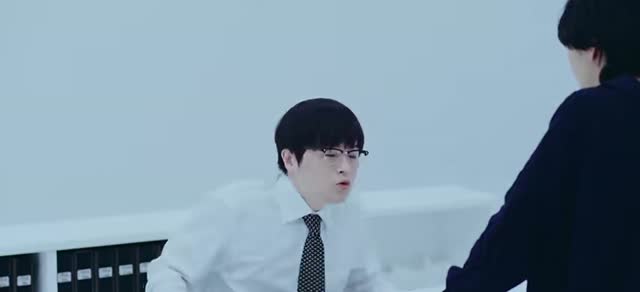
Asami is producing for the first time and the drama is in preparation. She talks with her old schoolmate Misa about the "bante", the order in which the cast's names appear on the poster and in the end credits, where the lead Usuda comes first.
  1. 麻美

    It's proving difficult. / ⟨"Bante"...⟩

  2. 麻美(心)

    ⟨means the order of the cast listed on the poster and in the end credits.⟩

  3. 麻美(心)

    ⟨Deciding this is the most nerve-racking part of a producer's work.⟩

  4. 麻美(心)

    ⟨Because in a drama's billing order...⟩

  5. 麻美(心)

    ⟨there are all kinds of ties and deference mixed in.⟩

  6. 美佐

    So, is it better to be higher up, after all?

  7. 麻美

    Yes, yes... for this one, the first slot...

  8. 麻美/美佐

    Putting Ms. Usuda is no problem. / Right, she's the lead.

Speaking notes

しがらみ

a concept unique to Japanese: old obligations you cannot shake off

「さまざまな しがらみや忖度があるから」 = "because all kinds of ties and deference are mixed in."
It originally meant a fence of stakes set in a river to hold back the water, and by extension "entanglements of obligation and interest that bind a person and cannot be shaken off."
⚠ The core of 「しがらみ」 is "knowing it's unreasonable, yet being unable to get free because of all the old relationships."
Common collocations:
• しがらみがある (to have ties that hold you)
• しがらみに縛られる (to be bound by old relationships)
• しがらみを断ち切る (to cut those ties)
⚠ This word is almost always negative - it describes a state of wanting to leave but being unable to.

忖度

the 2017 buzzword, negative ever since

「忖度(そんたく)」 = to guess what a superior wants and act on it before being asked.
⚠ It became a buzzword of the year in Japan in 2017 through the Moritomo Gakuen scandal, and has carried a strongly negative flavor ever since.
It refers to a subordinate proactively catering to a superior's wishes even though the superior never explicitly asked - so no one has to take responsibility.
In this passage the agency applies gentle pressure without saying anything outright, and Asami has to guess its wishes - a textbook example of this word.
⚠ Note how it differs from 「気を使う」 (the two key words of this drama):
• 気を使う = thinking of the other person (can be well-meaning)
• 忖度 = reading the intentions of someone powerful and carrying them out unprompted (involves power relations)
The former happens between friends; the latter between superiors and subordinates.

〜とは〜のこと

this episode doubles as a dictionary of industry terms

「「番手」とは、ポスターやエンドロールに載せるキャストの順番のこと」 = "'Bante' means the order of the cast listed on the poster and in the end credits."
You learned this definition pattern in Episode 4, scene 9, and this episode uses it to explain a whole set of industry jargon:
• 番手 (billing order)・トメ (the closing slot, scene 3)
• 特別出演/友情出演 (special / guest appearance, scene 2)
⚠ As soon as you hear 「〜とは」, you know a definition of a term follows, and you can relax and follow along.
⚠ Behind this whole vocabulary lies a single thing: the "geography of position" in Japanese film and TV. Who goes where is decided not by screen time but by seniority, agency clout, and しがらみ - which is why Asami calls it the most nerve-racking part of the job.

Key vocabulary

難航 なんこう
(Of negotiations or work) to run into difficulties. Originally describes a ship sailing in rough seas.
エンドロール
End credits. A Japanese-made English term (the English is "end credits").
番手 ばんて
The billing order (of actors' names). Explained in detail in this card.
ポスター
A poster.
キャスト
The cast.
主演 しゅえん
The lead role, the starring actor.
業務 ぎょうむ
Business, duties. 「P業務」 = a producer's work.

↑ Scenes on this page

What do "special appearance" and "friendship appearance" mean?

This scene

ブラッシュアップライフ Episode 6 What do "special appearance" and "friendship appearance" mean? still

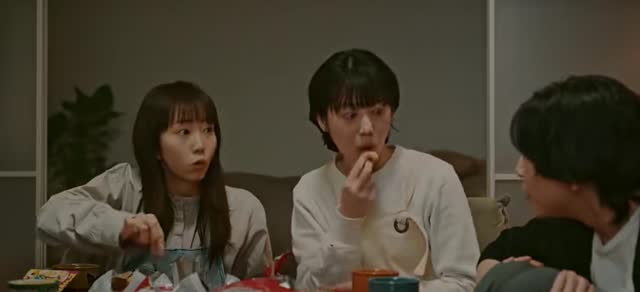
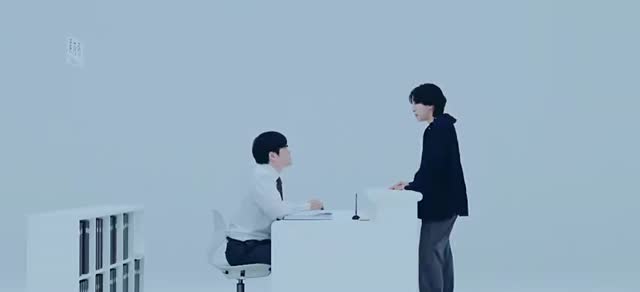
Names that don't fit the billing order can be given a bracketed note such as "special appearance" or "friendship appearance". Misa has always wondered whose friend that is, and Asami explains what such notes mean.
  1. 麻美/美佐

    Then "(Yujo Shutsuen)". / You see "Yujo Shutsuen" a lot too.

  2. 美佐

    Every time I see that, I wonder, "whose friend is this person?"

  3. 美佐/麻美

    I used to think that. / Me too.

  4. 麻美/美佐

    I thought so too, before I started this job. / Right?

  5. 麻美

    It's like this, isn't it - at the filming location...

  6. 麻美

    a fellow actor friend of the main cast or whatever happens to drop by...

  7. 麻美

    and it's like, "Oh, should I pop in for a bit?"

  8. 美佐

    Yes, yes... and, "Sorry to have you appear in this."

  9. 麻美

    "Oh no, not at all, you've always looked after me..."

  10. 麻美

    ...that kind of thing.

Speaking notes

〜みたいなノリで

quoting a scene wholesale to recreate its atmosphere

「『えっ、ちょっと出ちゃう?』みたいなノリでさ」 = "with a vibe like, 'Oh, should I pop in for a bit?'"
You learned 「ノリ」 in Episode 5, scene 4 (mood, vibe); here it is paired with 「〜みたいな」 to recreate the atmosphere of a scene.
The method: quote an imagined line directly, then turn it into a description of the mood with 「みたいなノリで」.
⚠ This is a very powerful move in spoken Japanese - instead of explaining the mood, you act it out.
Similar:
• 「もう無理」みたいな感じ (a feeling like "I can't take it any more")
• どっちでも大丈夫だけどみたいなノリで (Episode 9, scene 15)
• 「うわ~!」ってなった (Episode 10, scene 13)

〜てもらって(恐縮の定型)

apology plus "had you do it": the pattern of someone who caused trouble

「何かごめんね、出てもらって」 = "Sorry about this, for having you appear."
「てもらう」 once more: the speaker takes the position of receiving a favor, describing the other's appearance as "you kindly appeared for me."
⚠ Together with 「ごめんね」, it is the standard apology structure when a Japanese person has put someone out:
ごめんね + 〜てもらって (+ しまって)
• ごめんね、わざわざ来てもらって (sorry for making you come all this way)
• すみません、手伝ってもらっちゃって (sorry for having you help me)
The other side answers with 「お世話になってるから」 (next note) to push the debt back.
⚠ This exchange is fixed: one side says "sorry to trouble you," the other says "no, I'm the one in your debt" - both put themselves in the position of owing a favor, and only then is the exchange complete.

お世話になる

declaring first that "I am the one who owes you"

「何々ちゃんにはいつもお世話になってるから」 = "Because you've always looked after me, so-and-so."
「お世話になる」 = to receive someone's care, to be indebted to them for their help.
One of the most important set phrases in Japanese social life:
• first meetings: お世話になります (I look forward to your help)
• at the start of everyday emails: いつもお世話になっております (the first line of a business email, almost without exception)
• when leaving a job or moving: 大変お世話になりました (thank you for everything)
⚠ Its function is to acknowledge first that "I owe you a favor," leveling the relationship - so it works especially well to wave off the other person's apology: you say you've troubled me; I say I've always been in your debt.

Key vocabulary

友情出演 ゆうじょうしゅつえん
"Friendship appearance." Credited at the end; usually a guest appearance by someone with ties to the creators who does not care about billing position.
たまたま
By chance, happening to.
特別出演 とくべつしゅつえん
"Special appearance." A courtesy credit given to senior actors.
撮影現場 さつえいげんば
A filming location.
お世話になる おせわになる
Thank you for your help / I am in your debt. One of the most frequent courtesy phrases in Japanese social and business life.

↑ Scenes on this page

The closing slot is called "Tome"

This scene

ブラッシュアップライフ Episode 6 The closing slot is called "Tome" still

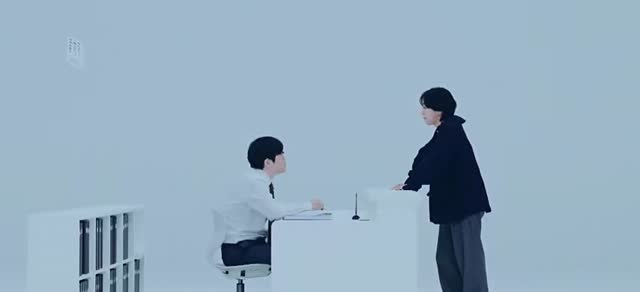
There is a very senior veteran actor for whom no billing position seems right. Asami explains to Misa that such a person goes last, a slot called "Tome".
  1. 美佐

    By the way, what do we do about this person's billing?

  2. 美佐

    This is a seriously big name, you know.

  3. 麻美/美佐

    This person is "Tome." / Tome?

  4. 美佐/麻美

    Oh, last? / Yes, exactly...

  5. 麻美

    It's like, if they appear last with a "bang," it gives a final-boss feeling, right?

  6. 美佐/麻美

    Mm-hm... so you put a lot of thought into it. / Yes.

  7. 美佐

    This is harder than any puzzle.

  8. 美佐

    This is like deciding the seating at a wedding reception.

  9. 美佐

    There's something close to it.

Speaking notes

トメ

in Japan, "last" is a seat of honor too

「この人は トメ」 = "This person is Tome (the closer)."
「トメ」 = the last name in the end credits. The word comes from 「止める」 (to stop, to close off).
⚠ The point: in Japanese film and TV, "last" is a position of honor just like "first" - the slot of トメ usually goes to the most senior veteran.
Related jargon: トメ前 (second to last, also a place of honor), クレジットのケツ (the tail end of the credit list).
⚠ This "both ends are the high positions" logic is the same thinking behind Japanese seating etiquette (上座・下座), wedding seating, and even where you stand in an elevator - which is why Misa immediately says 「披露宴の席を決めるのに近いもんがある」 (it's somewhat like deciding wedding seating).

ドンって出てきたら

a sound-effect word plus 「って」 works directly as an adverb

「最後にドンって出てきたらラスボス感あるじゃん」 = "If they come out with a bang at the end, it has a last-boss feel, right?"
A mimetic word plus 「って」 can be used directly as an adverb, a core device for conveying the texture of an action in speech:
• ドンって (with a thud)・バーンって (with a bang)
• パッと (in a flash)・サッと (swiftly)・ジワジワと (gradually)
⚠ Similar ones in this drama (together they form a system):
• Episode 2 「バチバチ~ってなってるやつ」 (the one that sparks and crackles)
• Episode 5 「ふわっとした喋り方」 (a vague way of speaking)
• Episode 8 「バ~って出てたよ」 (it was radiating off him, whoosh)
⚠ Words like these are hard to learn from a dictionary; you remember them together with the picture.

〜に近いものがある

not saying "the same," but stopping at "close"

「披露宴の席を決めるのに近いもんがある」 = "There's something close to deciding seating at a wedding reception."
「〜に近いものがある」 is gentler and more measured than 「〜に似ている」 - instead of "it's the same thing," it says "there's something close to it."
In speech 「もの」 often contracts to 「もん」.
⚠ It is useful in commenting and comparing because it leaves you some room: if the other person says "that's different," you never said "the same."
Other hedged comparisons:
• 〜みたいなもの (roughly a kind of...)
• 〜に通じるものがある (there's something in common with...)
• どことなく〜 (somehow a bit..., Episode 7, scene 16)

Key vocabulary

ラスボス
The final boss (from video games). In daily speech it describes the most formidable character who appears last.
披露宴 ひろうえん
A wedding reception (after the ceremony). Seating arrangements are famously difficult, which is why it is used as a comparison.
トメ
The closing slot (the last name in the end credits). From 「止め」.
大御所 おおごしょ
A big name, a heavyweight. Originally a retired general.
工夫 くふう
To put in effort, to devise ways. ⚠ Read 「くふう」, not 「こうふ」.
パズル
A jigsaw puzzle; a difficult problem.

↑ Scenes on this page

Married six years, and she never said a word

This scene

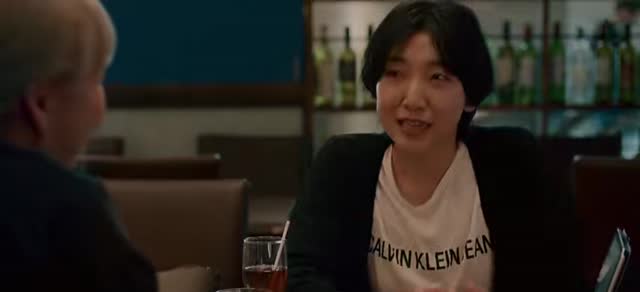
ブラッシュアップライフ Episode 6 Married six years, and she never said a word still

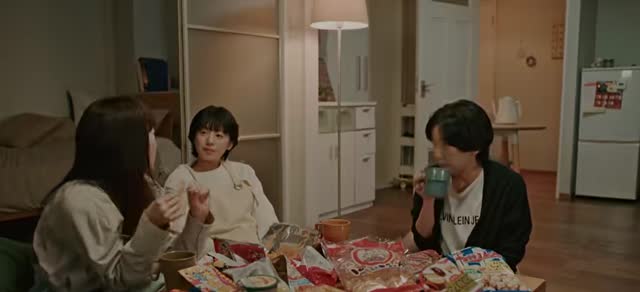
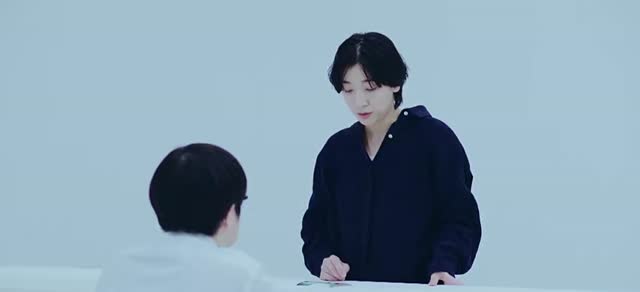
Talking about seating at wedding receptions, Misa says she skipped the reception because it was a hassle. Asami learns for the first time that Misa married six years ago and asks why she never told her.
  1. 麻美/美佐

    When? / Quite a while ago now.

  2. 美佐/麻美

    When I was 23, so it's been six years. / What?!

  3. 麻美

    Wait a second... why didn't you tell me?

  4. 美佐

    Since we didn't hold a ceremony or anything, there just wasn't a particular moment to say it.

  5. 麻美/美佐

    Six years ago? / Yeah.

  6. 麻美

    Six years ago, that was, then...

  7. 麻美

    right when I ran into Gon-chan here in Tokyo?

  8. 美佐/麻美

    Oh... / So you were newlyweds then?

  9. 美佐

    Yes, yes...

  10. 麻美/美佐

    Wouldn't most people end up telling someone? / Do they?

Speaking notes

〜てくれない(不満の授受)

"you don't say" and "you won't say it for me" are different things

「ちょっと待って… 何で言ってくれないの?」 = "Wait a second... why didn't you tell me?"
⚠ Saying 「言ってくれない」 instead of 「何で言わないの?」 makes a big difference:
• 言わない = you don't say (a plain statement)
• 言ってくれない = you won't say it (for me) (くれる implies "this was something you should have done for me")
Add the negative, and it becomes "you should have told me, but you didn't" - so this line is full of hurt, not a real question.
⚠ The negative forms of giving-and-receiving verbs almost always carry a complaint:
• 助けてくれなかった (you didn't help me back then)
• 言ってくれればよかったのに (Episode 8, scene 3: if only you had told me)
- married six years, and not a word. That hurt can only be expressed through 「くれる」.

〜ちゃわない?

a rhetorical negative question: "isn't that only natural?"

「普通 言っちゃわない?」 = "Wouldn't most people end up telling someone?"
「〜ちゃう」 is the spoken form of 「〜てしまう」, and here it means "you just naturally end up doing it" - not a deliberate announcement, but something that slips out.
Wrapped in a negative question, it becomes the rhetorical "that's only natural, isn't it?"
The contraction chain: 言ってしまわない → 言っちゃわない
⚠ Of the two senses of 「〜てしまう」, this is the first:
• naturally, unintentionally (here)
• something that shouldn't have happened, with regret (seen many times in Episode 8: 死んじゃった、激突しちゃって)
⚠ The same grammar can be light or heavy depending on the content.

タイミングがない

putting the responsibility on the circumstances, not on yourself

「式とかを挙げてないから、言うタイミングが特になくて」 = "Since we didn't hold a ceremony, there was no particular moment to say it."
⚠ 「タイミング」 in Japanese is more than "timing"; it is a social excuse - "it's not that I didn't want to tell you, I just never got a suitable occasion," shifting responsibility to the situation rather than to oneself.
This is a very typical Japanese explanation: avoid saying "I didn't want to," and say "there was no chance to."
Similar ways of handing responsibility to the circumstances:
• 流れ的に (as things went, Episode 1, scene 3)
• 空気が流れた (the mood was such at the time, Episode 7, scene 16)
• 決まりなので (because it's the rule, Episode 1, scene 11)
⚠ Japanese is very good at turning "my choice" into "that's just how things were."

Key vocabulary

式を挙げる しきをあげる
To hold (a wedding) ceremony. 「式」 here specifically means a wedding ceremony.
新婚 しんこん
Newlywed. 「新婚さん」 is a friendly way to refer to a newly married couple.
タイミング
Timing, the right moment.
結構前 けっこうまえ
Quite a while ago. 「結構」 = fairly, considerably.

↑ Scenes on this page

Fukuda comes to promote himself

This scene

ブラッシュアップライフ Episode 6 Fukuda comes to promote himself still

Fukuda suddenly visits Asami in Tokyo for tea. Before leaving, he asks her to call him if there is ever a chance to play a bit part, and hands her his own business card.
  1. 福田

    If it works out, call me anytime.

  2. 麻美

    Call you?

  3. 福田

    I mean, you know, even a bit part is fine, okay?

  4. 福田

    If anything comes up.

  5. 麻美

    Yeah, got it. I'll get in touch.

  6. 麻美(心)

    ⟨Probably nothing will come up.⟩

  7. 福田

    Oh, right, here, this.

  8. 福田/麻美

    My business card. / Your card?

  9. 福田

    I mean, you know, I'm freelance now...

  10. 福田

    so I thought I'd better have one made.

Speaking notes

声をかける

precisely because it is vague, it works for self-promotion

「もしあれだったら、いつでも 声かけてよ」 = "If it works out, just give me a shout anytime."
Three common senses of 「声をかける」:
① to greet, to speak to someone (Episode 8, scene 17: 「私が声かけて」 = I was the one who went up and spoke to him that day)
② to invite, to ask someone to take part (the meaning here)
③ to call out, to cheer on
「いつでも声かけてよ」 = "get in touch whenever you have a chance" is a standard phrase when job-hunting or soliciting work.
⚠ The beauty is that it's vague enough - not "please hire me" but "give me a shout," so if turned down, it doesn't count as having begged.
(Asami's inner thought 「⟨多分 何もない⟩」 sees right through this vagueness.)

もしあれだったら

works precisely because 「あれ」 points to nothing

「もしあれだったら」 literally means "if it's that" - 「あれ」 points to nothing, and the listener has to fill it in.
⚠ Its function is to blur a request that is awkward to state outright, equivalent to "if it's convenient / if there happens to be an opportunity."
Japanese has two all-purpose stand-ins for things you can't bring yourself to say:
• あれ: 私が言うのもあれなんだけど (Episode 7, scene 11), ちょっとあれですね
• なん(何): 立ち話も何なんで (Episode 4, scene 14, Episode 7, scene 12)
⚠ This usage only works when both sides can guess the content - the less is said, the more mutual understanding is assumed.
(Fukuda uses it to promote himself precisely because he knows how much of a stretch the request is.)

〜といたほうがいい

「ておく」, the sixth time in this drama

「作っといたほうがいいかなと思って」 = "I thought I'd better make one in advance."
「ておく」 again (it recurs in Episodes 2-5), contracted in speech to 「〜とく」: 作っておく→作っとく.
⚠ The 「ておく」 here has real flavor: he has no job that needs a business card yet, but he makes one first - which is the very essence of 「ておく」: preparing for a future that has not yet arrived.
Six occasions for 「ておく」 in this drama:
• paving the way for the future (Episode 2)・putting something on hold (Episode 3)・arranging in advance (Episode 3)
• leaving something undone for now (Episode 4)・getting ready for later use (here)・cultivating relationships twenty years ahead (Episode 9)
⚠ This grammar is practically the drama's code of conduct.

Key vocabulary

ちょい役 ちょいやく
A bit part, a minor role. 「ちょい」 is short for 「ちょっと」.
フリー
Freelance, not belonging to any agency.
名刺 めいし
A business card. A core prop in Japanese business, with an entire etiquette for giving and receiving.
連絡 れんらく
Contact, getting in touch.

↑ Scenes on this page

Aren't you two coming a bit too often?

This scene

ブラッシュアップライフ Episode 6 Aren't you two coming a bit too often? still

Natsuki and Miho come to Tokyo to see Asami again. After repeating several times that she doesn't mind at all, Asami finally says they come too often, since they were last here two weeks ago.
  1. 麻美/美穂

    I don't mind at all, but... / Hm? What is it?

  2. 麻美

    I really don't mind at all. Really, it's totally fine.

  3. 麻美/夏希

    But I'll say it anyway. / What? What?

  4. 麻美/夏希

    Aren't you coming too often? / Huh, are we?

  5. 美穂/麻美

    When was the last time we came? / Two weeks ago.

  6. 夏希/麻美

    That's a whole two weeks. / No, it's not "a whole two weeks."

  7. 麻美/美穂

    It's "only two weeks." / Huh, are we a nuisance?

  8. 麻美

    No, it's totally fine, you can come anytime, I mean it.

  9. 麻美

    I'm happy about it. I just thought, isn't it a bit too often, really?

Speaking notes

〜も vs 〜しか

the same number, completely opposite attitudes

「2週間も空いてんじゃん」→「いや,『2週間も』じゃない。『2週間しか』だよ」 = "It's a whole two weeks." → "No, it's not 'a whole two weeks.' It's 'only two weeks.'"
⚠ An extremely useful contrast. The same "two weeks":
• 2週間も = as much as two weeks (the speaker feels it is long)
• 2週間しか = only two weeks (the speaker feels it is short; しか is always followed by a negative)
The number is identical, but changing the particle reverses the attitude.
⚠ So when Mari corrects the particle on the spot, she is correcting the other person's entire judgment - this isn't a grammar issue but "you think we come too often, and I think it isn't enough."
Other attitude particles of this kind:
• 1時間も待った (waited a full hour) / 1時間しか (only one hour)
• 1000円も (as much as 1,000 yen) / 1000円しか (only 1,000 yen)

〜過ぎ

cut off the ます-stem and use it directly as a noun

「来過ぎじゃね?」 = "Aren't you coming too often?"
「〜すぎる」 means exceeding a suitable limit, and is almost always a negative judgment:
食べすぎ・飲みすぎ・働きすぎ・優しすぎる
⚠ In speech, the 「る」 is often dropped and the form is used directly as a noun: 来過ぎ, やりすぎ (Episode 7: やり過ぎた~).
「じゃね?」 is a casual, rather masculine contraction of 「じゃない?」 (「ショボくね?」 in Episode 10, scene 14 follows the same pattern: 〜くない?→〜くね?).
⚠ 「〜すぎ」 can also attach to adjective stems: 早すぎ, 高すぎ, ストレート過ぎない? (Episode 7, scene 7).

いつ来ていただいても

over-the-top keigo creates distance and humor

「いつ来ていただいても全然いいのよ」 = "It's perfectly fine whenever you graciously come."
⚠ Suddenly using 「いただく」-style keigo toward your closest childhood friends is deliberate - here keigo isn't about respect; it creates distance and comedy.
Japanese people switch suddenly to keigo when joking, sulking, or trying to soften a harsh remark.
The structure of this whole passage works that way:
① 全然いいんだけどさ (I don't mind at all, but - as explained in Episode 10, scene 11, this phrase means "it actually bothers me")
② 一応言うね (but I'll say it anyway)
③ 来過ぎじゃね? (aren't you coming too often?)
④ いつ来ていただいても全然いいのよ (suddenly switching to keigo to wrap up the harsh remark just made)

Key vocabulary

居心地 いごこち
How comfortable a place feels to be in. 「居心地がいい」 = comfortable, easy to be in.
迷惑 めいわく
Trouble, annoyance. 「迷惑をかける」 = to cause trouble for someone, one of the things Japanese society worries about most.
来過ぎ きすぎ
Coming too often. 「verb ます-stem + 過ぎ」 = too much.
空く あく
(Of time or space) to open up, to be free. 「2週間空く」 = a two-week gap.

↑ Scenes on this page

This news felt thin after the previous story

This scene

ブラッシュアップライフ Episode 6 This news felt thin after the previous story still

Asami tells Natsuki and Miho that Misa has been married for six years without telling her. The two react mildly, saying it feels a little thin after the other story about Fukuda.
  1. 麻美

    You're not that shocked?

  2. 夏希

    Oh, no... well, it is a shock, but...

  3. 夏希/美穂

    I know, right. / Yeah, well...

  4. 美穂

    I feel a bit bad for Misagon, but...

  5. 美穂

    it just feels a little thin after the story about Fuku-chan.

  6. 夏希

    Yeah, Fuku-chan's story was so rich.

  7. 麻美

    I see... I should have told you this one first.

  8. 夏希

    Yeah, you should have. Then we could have given...

  9. 夏希

    a somewhat better reaction, I think.

  10. 麻美

    What should I do...

Speaking notes

AはAなんだけど

repeating the same word: "I grant that much, but no further"

「衝撃は衝撃なんだけど」 = "It is a shock, but..."
Repeating the same word with 「は」 in between means "I admit that much, but only that much." A contrast always follows.
Very common in daily speech:
• おいしいはおいしいけど、高い (it's tasty, sure, but expensive)
• やるはやるけど (I'll do it, yes, but...)
⚠ It works on the same idea as 「〜とは思うんだけど」 in Episode 2, scene 9: both use 「は」 to mark off the scope of agreement, then take back the rest.
⚠ Episode 10, scene 12 has a variant: 「内容も内容なんで」 (N も N だ = the content is what it is) - also a repetition, but that one means "you know what I mean."

濃い/薄い(話の密度)

measuring a topic's impact by how concentrated it is

「福ちゃんの話の後だと薄く感じちゃうかな」「福ちゃんの話が濃かったからね」
= "After Fuku-chan's story it feels thin." "Fuku-chan's story was so rich."
Japanese compares the impact of a topic to concentration - a vivid pair of metaphors: Fukuda's story was "so thick," making the news that followed seem "watery."
⚠ 「濃い」 can also describe people: 「濃いキャラ」 = a character with a strong personality and big presence.
Other uses of 「濃い」:
• 濃い一日 (a densely packed day)・関係が濃い (a close relationship)
• 顔が濃い (strong, deep-set facial features - neutral to slightly teasing)
⚠ Both "heavy" and "bland" are measured on the same concentration axis in Japanese, which makes them easy to remember together.

マシ

not praise, just "still the better one"

「もうちょっとマシな反応できたと思う」 = "I think we could have managed a somewhat better reaction."
「マシ」 means "not good, but better than the other option" - it is always relative, discounted approval.
• 何もないよりマシ (better than nothing)
• まだマシなほう (on the better side, at least)
• 死ぬよりマシ (better than dying)
⚠ Note that it is never a compliment: calling something 「マシ」 also says "it's not that good either."
(In Episode 8, scene 10, Mari says 「180人の命が失われるよりはマシじゃない?」 - using this discounted word to weigh "going to prison" against "180 lives.")

Key vocabulary

衝撃 しょうげき
Shock. 「衝撃的な事実」 = a shocking fact.
反応 はんのう
A reaction. 「いい反応」, 「反応が薄い」 (a muted reaction).
申し訳ない もうしわけない
Feeling apologetic, sorry. More formal than 「すみません」.
濃い こい
(Of content) rich, dense. The opposite is 「薄い」.
薄い うすい
Thin, weak. Here it means a topic with little weight.
マシ
(By comparison) better, passable.

↑ Scenes on this page

The flight has been canceled

This scene

ブラッシュアップライフ Episode 6 The flight has been canceled still

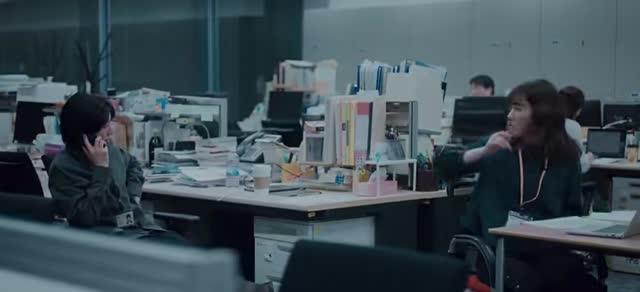
Asami tells the assistant producer that Maeno, who is needed for the very first shoot tomorrow morning, is still in Hokkaido and tonight's flight home was canceled. She phones the scheduler to ask whether the shoot can be moved to another day.
  1. 麻美

    Maeno is in Hokkaido right now...

  2. 麻美

    he was supposed to fly back on tonight's flight, but...

  3. 麻美

    it seems the flight has been canceled.

  4. AP

    What? Maeno is up first thing tomorrow morning, right?

  5. 麻美/AP

    First thing in the morning. / Oh no, what do we do?

  6. 麻美

    For now, I'll ask the scheduler...

  7. 麻美

    if we can shift it to another day...

  8. 麻美

    Ah, hello, is now a good time?

  9. 麻美

    Even at the earliest, it looks like it won't be until around noon tomorrow.

Speaking notes

〜らしくて

declaring that the information did not come from you

「飛行機が欠航になっちゃったらしくてさ」 = "It seems the flight has been canceled."
「らしい」 indicates that the information came from elsewhere (here, a phone call from the manager) and the speaker has not confirmed it personally.
⚠ Differences from similar forms:
• 〜らしい = a judgment based on information received (with a slight reservation)
• 〜そうだ = hearsay ("I heard that"; only relays, doesn't judge)
• 〜みたいだ = a guess from your own observation (Episode 1, scene 6)
• 〜ようだ = the same, more formal
⚠ 「らしい」 is practical for work reports: it passes on the information while stating "I didn't verify this myself."
(The 「そう聞いてますけど」 in Episode 9, scene 1 serves the same function in a different way.)

朝イチ

the industry habit of clipping 「一番」 down to 「イチ」

「前野さん あした 朝イチからですよね?」 = "Maeno starts first thing tomorrow morning, right?"
「朝イチ」 = first thing in the morning, the first job or shoot of the day. 「イチ」 is short for 「一番」.
Extremely common in business and on film sets:
• 朝イチで電話します (I'll call first thing in the morning)
• 朝イチの便 (the earliest flight)
• 昼イチ (the first thing after lunch)
⚠ Japanese workplaces love this kind of abbreviation: アポ (appointment), プレゼン, リスケ (rescheduling), エビデンス, なる早 (なるべく早く = as soon as possible).
⚠ When you don't understand one, try restoring the full word first.

ずらす

a transitive/intransitive pair that shifts who is responsible

「別日 ずらせないか聞いてみるけども」 = "I'll ask whether we can shift it to another day."
「ずらす」 = to shift, to stagger (time or position), a core verb when adjusting schedules at work.
⚠ An intransitive/transitive pair:
• 予定がずれる (intransitive: the plan slips / is pushed back)
• 予定をずらす (transitive: I shift the plan)
You learned 「当たる/当てる」 in Episode 3, scene 7, the same kind of pair.
⚠ This pair appears once in an extremely important way in the drama: Episode 8, scene 12, 「タイミングをずらせてた」 - Mari happened to go to the toilet and shifted the timing without meaning to, so Asami did not die. An everyday workplace verb carried the cause and effect of the whole drama there.

Key vocabulary

欠航 けっこう
(Of flights or ships) to be canceled. Note the reading is 「けっこう」, the same sound as 「結構」.
便 びん
A scheduled flight or ship. 「夜の便」 = the evening flight.
予定 よてい
Plan, schedule.
スケジューラー
A scheduler.
別日 べつび
Another day, a different day.
朝イチ あさイチ
First thing in the morning, the first job of the day. 「イチ」 = one, first.

↑ Scenes on this page

A savior, so she turns a blind eye

This scene

ブラッシュアップライフ Episode 6 A savior, so she turns a blind eye still

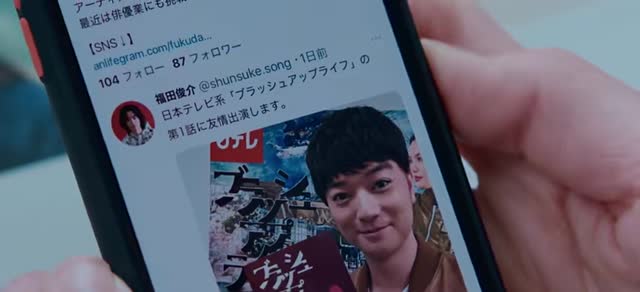
Fukuda stepped in to save the day. After the shoot he hands his business card to the actor as well. Asami thinks to herself that since he is the one who saved the shoot, she will turn a blind eye.
  1. 福田

    Oh, just in case, here is my card.

  2. 麻美(心)

    ⟨He's a savior, so I'll turn a blind eye.⟩

  3. 麻美(心)

    ⟨The next day.⟩

  4. 麻美(心)

    ⟨"Yujo Shutsuen"...⟩

  5. AP

    Is something wrong?

  6. 麻美(心)

    ⟨He's a savior, so I'll turn a blind eye.⟩

  7. 麻美(心)

    ⟨Besides, he only has 87 followers.⟩

Speaking notes

目をつぶる

"pretend I didn't see it"

「⟨救世主なので目をつぶる⟩」 = "He's a savior, so I'll turn a blind eye."
Literally "close one's eyes," it extends to knowing something is not right but pretending not to see it and not pursuing it.
Usage: 「〜に目をつぶる」 (今回は目をつぶってあげる = I'll let it go this time).
⚠ Idioms with 「目」 that have appeared in the drama:
• 目をつぶる (to overlook)・白い目で見る (to look coldly at, Episode 10, scene 17)
• 一目置く (to hold in respect, Episode 7, scene 13)・よそ見 (looking elsewhere, Episode 8, scene 13)
⚠ This inner line appears three times in this episode - every time Fukuda does something that leaves her speechless, she repeats it to herself.

〜なので

a reason stated without emotion is funnier for it

「救世主なので」 = "because he is a savior."
「ので」 gives an objective reason, more neutral and less emotional than 「から」 (explained in Episode 2, scene 11).
⚠ That is the joke: Asami suppresses her anger with a reason as calm as a line from a report.
Note that nouns and な-adjectives need 「な」 before it: 学生なので, 大事なので.
⚠ And 「〜なので」 is a recurring motif of this drama:
• Episode 1, scene 11: 決まりなので。 (the counter staff use it to refuse Asami)
• Episode 1, scene 1: 規則なのでね。 (Asami uses it to refuse a citizen)
• here: 救世主なので (Asami uses it to persuade herself to put up with it)
- the same pattern, from refusing others to restraining herself.

〜だし(理由の付け足し)

a specific number stings the most

「⟨フォロワー87人だし⟩」 = "Besides, he only has 87 followers."
A sentence-final 「〜し」 adds one more reason, implying "and there are other reasons I won't bother to list." It sounds especially natural when consoling yourself or finding a way to back down gracefully.
⚠ The cruelty of this line lies in the specific number - not "few followers" but "87."
Japanese comebacks love exact numbers for impact:
• 合計4回 チラしてたよ (Episode 10, scene 16: you glanced over four times in total)
• 8時間? (Episode 9, scene 13: eight hours?)
• 75年ぶりの「あーちん」 (Episode 10, scene 14)
⚠ A vague complaint can be argued with; an exact number cannot.

Key vocabulary

翌日 よくじつ
The next day. Written style; in speech people more often say 「次の日」.
フォロワー
(Social media) followers.
名刺 めいし
A business card.
目をつぶる めをつぶる
To turn a blind eye. Literally "to close one's eyes."

↑ Scenes on this page

"I'm only 29 - isn't that strange?"

This scene

ブラッシュアップライフ Episode 6 "I'm only 29 - isn't that strange?" still

Asami is once again at the counter in the afterlife. She tells the receptionist that last time he said her most likely time to die was in her thirties, yet she is only 29.
  1. 受付/麻美

    Thank you for your hard work these 29 years. / Don't say "thank you for your hard work."

  2. 麻美

    Last time, you told me the period I was most likely to die was my thirties, didn't you?

  3. 受付/麻美

    Ah, yes, I did. / I'm still only 29.

  4. 麻美/受付

    Isn't that strange? / Ah, well, of course...

  5. 受付係

    The thirties are indeed when passing away is more likely, but...

  6. 受付係

    that is strictly a matter of probability, so naturally, it is also possible...

  7. 受付係

    that one passes away before then.

  8. 麻美/受付

    I see. / Are you finished?

Speaking notes

「〜」じゃなくて

the polite version of the swear-word pattern from Episode 3

「『お疲れさまでした』じゃなくて」 = "Don't say 'thank you for your hard work.'"
It quotes back what the other person just said and negates it.
⚠ In Episode 3, scene 10 you met Rena's angry 「『どうしたの?』じゃねえよ」 - this is the civilized version of the same structure:
• 「〜」じゃねえよ (rough, in a quarrel)
• 「〜」じゃなくて (in polite settings, meaning "that's not the point")
Asami's tone toward the counter is still fairly polite, but the structure is exactly the same - she is truly angry.
⚠ And the line works because 「お疲れさまでした」 is the very phrase she heard in Episode 1, scene 7: at 33 she accepted it; at 29 she doesn't.

あくまでも

an adverb that marks the limits of responsibility in advance

「それは あくまでも確率の話なので」 = "That is strictly a matter of probability."
「あくまでも」 means "when all is said and done, only" and is used to draw a boundary around a statement and clear yourself of responsibility in advance.
⚠ The receptionist said 「あくまでも確率」 in Episode 3, scene 12, and here he repeats it word for word - it is this character's catchphrase and the stance of the whole counter system: we provide probabilities only; we are not responsible for individual cases.
Similar "disclaimer adverbs" (all of which have appeared in the drama):
• 一応 (for now, technically, Episode 5, scene 2)
• あくまでも (strictly, merely)
• 〜に基づいて (based on..., Episode 1, scene 10)
(The 「あくまでもイメージなので」 in Episode 8, scene 17 is the same trick from the same person.)

〜やすい

the counterpart of 「にくい/づらい」

「死にやすい」 → the receptionist rephrases it as 「お亡くなりになりやすい」.
「〜やすい」 means something tends to happen easily, and its opposite is 「〜にくい」 (you learned how it differs from 「〜づらい」 in Episode 5, scene 2).
⚠ Notice that the receptionist swaps Asami's blunt 「死にやすい」 for the honorific version 「お亡くなりになりやすい」 - even "easy to die" gets honorifics.
Form: verb ます-stem + やすい/にくい/づらい, and the whole thing then behaves like an い-adjective (死にやすかった、分かりやすくない).
⚠ Quick memory aid for the three:
• やすい = easy to • にくい = objectively hard to • づらい = hard to, for emotional reasons

Key vocabulary

確率 かくりつ
Probability.
それ以前に それいぜんに
Before that; it can also mean "more fundamentally" (Asami used the latter sense in Episode 4).
お亡くなりになる おなくなりになる
To pass away (the most formal honorific). The honorific form of お+ます形+になる, used for the deceased. ⚠ Ladder: 死ぬ (blunt) < 亡くなる (euphemistic) < お亡くなりになる (honorific). Covered in detail in Episode 3, scene 11.
お疲れさまでした おつかれさまでした
Thank you for your hard work. ⚠ Can be said to a superior; 「ご苦労さま」 can only go from higher to lower.
よろしいですか
Is that all right? (honorific version of 「いいですか」).

↑ Scenes on this page

"Can't I at least watch the premiere?"

This scene

ブラッシュアップライフ Episode 6 "Can't I at least watch the premiere?" still

Asami asks the receptionist to let her watch her debut drama, which premieres tonight, even if only the first episode. He refuses, and she complains that he is just as blunt toward a dead person's wish.
  1. 麻美/受付

    Can't I watch even just the first episode? / No, you can't.

  2. 受付/麻美

    Are you finished? / You're cutting me off that bluntly?

  3. 受付係

    Cutting off?

  4. 麻美

    Fine, I can accept that I can't watch it, but...

  5. 麻美

    do you have to just chop off a dead person's wish like that?

  6. 受付係

    Oh... I'm sorry.

  7. 受付係

    You're right.

  8. 受付/麻美

    It's the first drama you handled yourself, after all. / That's right.

Speaking notes

バッサリ

a mimetic word used without a verb of its own

「そんなバッサリいきますか?」 = "You're cutting me off that bluntly?"
Originally the clean feel of one sword stroke, extended to mean "cutting something off without mercy, refusing outright."
Common uses: バッサリ切る・バッサリ断る・バッサリ落とす(髪を).
⚠ Asami uses it creatively as 「バッサリいきますか?」 - replacing a specific verb with 「いく」 is very colloquial: 強気でいく (to go in strong), それでいこう (let's go with that).
⚠ A mimetic word that can serve as an adjective or adverb and then pair with an all-purpose verb is exactly the flexibility of spoken Japanese.
(A person who has just died complaining at the reincarnation counter that the refusal was too brisk - that is where the absurdity of this scene lies.)

〜としても

narrowing the dispute yourself

「見れないのは仕方ないとしても、死んだ人の願いをそんなバッサリいきますか?」 = "Even if I can't watch it, can't help that, do you have to chop off a dead person's wish so bluntly?"
You learned 「仮に〜としても」 in Episode 4, scene 5; here is its standalone use: concede the part where the other person is right, and shrink the battlefield to what you really want to argue about.
⚠ Asami stops pressing "can I watch it?" and turns to "your attitude" - a clever retreat: give up the battle you can't win and fight the one you can.
The family of concessive patterns (all found in the drama):
• 〜ても < 〜にしても (Episode 3) < 〜としても (here) < 仮に〜としても (Episode 4, Episode 8) < 〜ならまだしも (Episode 9)

手がける

a verb used only for weighty work

「初めて手がけたドラマですもんね」 = "It's the first drama you handled yourself, after all."
「手がける」 = to handle personally, to work on (a project or piece of work) with your own hands.
⚠ Reserved for substantial results of work: 作品を手がける, 事業を手がける, 設計を手がける.
More formal than 「作る」 or 「やる」, and it carries a sense of leading the work and putting your heart into it.
⚠ By using this word, the receptionist acknowledges what the drama means to Asami - so the moment he says it, the mood softens.
(A moment earlier he was refusing her 「バッサリ」, and the next he picks this word. This character's sense of proportion is all in his choice of vocabulary.)

Key vocabulary

初回 しょかい
First time, the first episode. 「初回放送」 = the premiere broadcast.
願い ねがい
A wish, a request. 「願いを叶える」 = to grant a wish.
仕方ない しかたない
Can't be helped, unavoidable.
手がける てがける
To handle personally, to be in charge of making. 「初めて手がけたドラマ」 = the first drama one has worked on oneself.
バッサリ
In one clean cut; decisively (refusing, cutting off). A mimetic word.

↑ Scenes on this page

"Then why do you keep asking?"

This scene

ブラッシュアップライフ Episode 6 "Then why do you keep asking?" still

Asami asks to watch just the first ten minutes. The receptionist refuses, yet keeps asking how many episodes there are. Asami asks why he keeps tossing out hooks.
  1. 麻美

    Just the opening, really, only the first ten minutes would be fine...

  2. 麻美/受付

    Can't I watch? / No, you can't.

  3. 麻美

    I understand...

  4. 受付係

    I'm sorry.

  5. 受付係

    By the way, how many episodes are there in total?

  6. 麻美/受付

    It's impossible, isn't it? / Yes, it is.

  7. 麻美

    Why do you keep, every now and then, acting like it just needs one more push...

  8. 麻美/受付

    and throwing it out to me? / Well, you said not to cut you off so bluntly...

  9. 麻美

    Forget it. It's impossible anyway.

Speaking notes

ちょいちょい

irritation at "every so often," not "all the time"

「さっきから何で ちょいちょい、あともう一押しみたいな感じで出してくるんですか?」 = "Why have you been, every so often, acting like it just needs one more push?"
「ちょいちょい」 = every now and then, once in a while. A more casual version of 「ちょくちょく」.
⚠ It has another use, for picking at faults: ちょいちょい間違える (to make a mistake every now and then).
Half of the impatience in Asami's line comes from this word - not "all the time" but "once in a while," which is even more tormenting.
The ladder of frequency adverbs:
• たまに (occasionally) < ちょくちょく (fairly often) < ちょいちょい (more casual) < しょっちゅう (all the time)

もう一押し

a phrase that builds the expectation of "she's about to give in"

「あともう一押しみたいな感じで」 = "with a feel of 'just one more push.'"
「もう一押し」 = one more push, one more bit of effort and it will work. Often 「あと一押し」.
Used in negotiation, sales, and courtship - when the other side is nearly ready to give in.
⚠ This is exactly what angers Asami: the receptionist refuses every time, yet keeps asking about details, making her think over and over that "a few more words might do it."
「〜みたいな感じで」 is a very frequent vague modifier (「〜みたいなノリで」 in scene 2 belongs to the same family): it describes an attitude you can feel but can't quite pin down.
(And the receptionist's answer, 「あ、何か バッサリいくなって…」, is just him trying to seem less cold, which only makes it worse.)

どうせ

on its own, it crushes hope before anyone else can

「もういいですよ、だって どうせ無理なんだから」 = "Forget it, it's impossible anyway."
You learned 「どうせ巻かない」 (it won't catch on anyway) in Episode 4, scene 12 and 「どうせ〜なら」 (since it's going to happen anyway...) in Episode 5, scene 9.
⚠ A standalone 「どうせ」 is resignation and sulking - crushing hope completely so it can't tease you again.
Asami's emotional curve in this episode is closed off by this word:
① 初回だけでも (even just the first episode)
② 頭10分だけでも (even just the first ten minutes)
③ ちなみに 全何話ですか? (by the way, how many episodes in total?)
④ どうせ無理なんだから (it's impossible anyway)
- she lowers her demand step by step, and in the end shuts the door herself.

Key vocabulary

冒頭 ぼうとう
The beginning, the opening. Written style; used for articles, films, meetings.
全何話 ぜんなんわ
How many episodes in total. 「話(わ)」 counts TV episodes: 第1話、全10話.
無理 むり
Impossible, can't be done.
一押し ひとおし
One more push, one more try.

↑ Scenes on this page

All that effort, and I end up a purple sea urchin?

This scene

ブラッシュアップライフ Episode 6 All that effort, and I end up a purple sea urchin? still

The receptionist announces Asami's next life: a purple sea urchin. Asami protests that after all her effort this is the result, and asks why the photo he shows looks like a picture of food.
  1. 麻美

    After trying this hard, a purple sea urchin?

  2. 受付係

    Here it is.

  3. 麻美

    So this is the photo.

  4. 受付/麻美

    This? / This is a photo of it as an ingredient, isn't it?

  5. 受付係

    I thought this was the easiest one to understand, for now.

  6. 麻美/受付

    It is easy to understand, but... / Yes.

  7. 麻美

    Isn't this one dead?

  8. 受付係

    Well, this is, for the time being, a fresh sea urchin, still alive.

  9. 麻美

    And words like "still alive" and "fresh" are also...

  10. 麻美/受付

    words used for an ingredient, aren't they? / Ah, I'm sorry.

Speaking notes

〜としての

attaching "from what standpoint" to a noun

「食材としての写真ですよね?」 = "It's a photo of it as an ingredient, isn't it?"
「〜として」 presents "in what capacity or from what standpoint" (「幼なじみとして」 in Episode 2, scene 9, and 「元カノとしての優しさ」 in Episode 9, scene 14).
⚠ Asami catches this phrase twice:
• the photo is 「食材としての」 (taken as an ingredient)
• 「生きたまま」 and 「新鮮」 are also 「食材としての言葉」 (words for describing ingredients)
- what the counter showed her isn't "her next life" but a cooking picture.
⚠ Both the cruelty and the humor of this scene lie here: every word he uses is grammatically fine, but all of them stand on the side of "the person who eats it" (the same joke structure as the mackerel discussion in Episode 4, scene 1).

〜たまま

a state kept as it is, though it normally would change

「生きたままの新鮮なウニなんですね」 = "It's a fresh sea urchin, still alive."
「〜たまま」 means a state continues unchanged:
• 靴を履いたまま (with one's shoes on)・つけたまま (left on)
• 言われたまま (just as told)・立ったまま (remaining standing)
⚠ Note that it often implies "it should have changed, but didn't" - which is why 「生きたまま」 sounds so ominous: it hints that "from here on, it won't be."
Form: verb た-form / noun + の + まま.
(The 「そのままの状態で住む」 in Episode 10, scene 12 belongs to the same family of 「そのまま」.)

一応(二回目)

a verbal tic that appears whenever the speaker feels unsure

⚠ The receptionist uses 「一応」 twice in this passage:
• 一応、これが一番分かりやすいかなと思いまして
• 一応、これ 生きたままの新鮮なウニなんですね
As you learned in Episode 5, scene 2, 「一応」 means "for now, in form," implying that the speaker is not very sure himself.
Every time he gets nervous, a 「一応」 pops out, writing his uncertainty on his face.
⚠ This word marks the character of the counter staff in this drama:
• Episode 1: 一応 近藤様の生前の内容に基づいて
• Episode 8: 一応こちらになりますね (pointing to a free stock photo)
• here: 一応 これが一番分かりやすいかな
- he never once says anything outright.

Key vocabulary

食材 しょくざい
Ingredients, cooking materials.
新鮮 しんせん
Fresh. Also used figuratively (新鮮な驚き = a fresh surprise).
ムラサキウニ
Purple sea urchin.
分かりやすい わかりやすい
Easy to understand, clear at a glance.
生きたまま いきたまま
The living state. 「〜たまま」 = remaining in the state of...

↑ Scenes on this page

Round four: at age four, she negotiates with her teacher

This scene

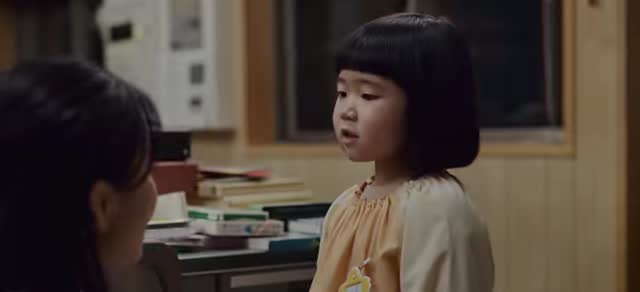
ブラッシュアップライフ Episode 6 Round four: at age four, she negotiates with her teacher still

Four-year-old Asami tells her nursery school teacher Yoko that she wants her to promise not to have an affair, and that an affair always ends with someone unhappy. The teacher is startled and says she would never do that.
  1. 麻美/洋子

    Then, will you make me a promise? / Sure, what promise?

  2. 麻美/洋子

    Promise you won't have an affair. / Huh?

  3. 洋子

    What's wrong, Asami? Where did you learn a word like that?

  4. 麻美

    An affair, you know, isn't like marriage, it doesn't go on forever...

  5. 麻美

    and in the end, someone always ends up unhappy, right?

  6. 洋子

    Yes... that's true, but I would never do something like that.

  7. 洋子/麻美

    What's wrong, all of a sudden? / Actually, before...

Speaking notes

〜わけじゃない(第4集の再出)

used by a four-year-old, it becomes absurd

「不倫ってさ、結婚と違ってずっと続けるわけじゃないし」 = "An affair, you know, unlike marriage, doesn't go on forever."
You learned in Episode 4, scene 4 that 「わけじゃない」 negates "a conclusion inferred from reasoning" (partial negation).
⚠ The absurdity of this scene is that the speaker is a four-year-old.
The difficulty of the grammar is completely out of step with the speaker's age - the teacher's reaction, 「どこでそんな言葉 覚えたのかな?」 (next note), is forced out by this gap.
⚠ The drama often shows the difference between "rounds" through grammatical difficulty: in Episode 1, scene 13 she merely wrote in an "adult" hand; by this episode she is negotiating with her teacher in fully reasoned sentences.

どこでそんな言葉覚えたの

the stock adult reaction to a child's vocabulary

「どうしたの? 麻美ちゃん、どこでそんな言葉 覚えたのかな?」 = "What's wrong, Asami? Where did you learn a word like that?"
This is the standard reaction of Japanese adults when a child says a word they shouldn't know.
⚠ Note the sentence-final 「かな」, a softener used when talking to children (not really a question, but a gentle way of saying "you shouldn't know this word").
When speaking to small children, Japanese people use many softening devices of this kind:
• 〜かな (I wonder...?)・〜ね・〜よ
• 〜ようね (let's...)・〜ないの (a gentle prohibition, Episode 1, scene 3)
⚠ Asami doesn't take the step offered and starts arguing straight away - proof that she is no longer a child.

〜って(主題提示)

a lighter marker than 「は」 that signals an explanation is coming

「不倫ってさ」 = "An affair, you know..."
In speech, 「って」 can replace 「は」 to mark a topic, and it is more casual, as if you're about to explain something.
⚠ Three uses of 「って」, all of which appear in the drama, told apart by position:
• quotation: 「行く」って言ってた (he said he'd go)
• topic marking (here): 不倫ってさ / APとは (a more formal equivalent)
• emphasis: 無理だって (I said it's impossible, Episode 3, scene 1)
⚠ When 「〜って」 marks a topic, an explanation or definition usually follows - so when you hear it, get ready for a longer stretch.

Key vocabulary

不倫 ふりん
An affair, adultery. Heavier than 「浮気(うわき)」 - 浮気 can refer to a fling between partners, while 不倫 refers specifically to married people.
不幸 ふこう
Unhappiness. The opposite is 「幸せ」.
約束 やくそく
A promise, an agreement.
続ける つづける
To continue, to last.

↑ Scenes on this page

The sticker swap became a hospitality swap

This scene

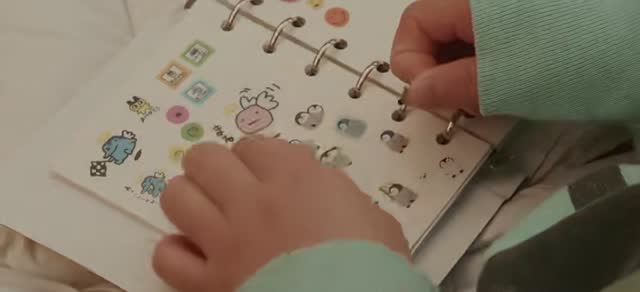
ブラッシュアップライフ Episode 6 The sticker swap became a hospitality swap still

Asami is invited into a sticker-trading circle, but Natsuki and Miho pick only the plainest, least valuable stickers. Asami thinks to herself that the trade has turned into a courtesy exchange.
  1. 夏希

    I'll take this one.

  2. 麻美

    Huh? This one is okay?

  3. 美穂/夏希

    Yeah. / Yeah.

  4. 麻美(心)

    ⟨The ones the two of them chose...⟩

  5. 麻美(心)

    ⟨were plain stickers, completely out of balance with what I got.⟩

  6. 麻美(心)

    ⟨...⟩

  7. 美穂

    Thanks.

  8. 麻美/夏希

    Here you go. / Thanks.

  9. 麻美(心)

    ⟨I'm being looked after.⟩

  10. 麻美(心)

    ⟨Even though the whole thrill of sticker trading is the haggling...⟩

  11. 麻美(心)

    ⟨I made it a hospitality swap.⟩

Speaking notes

気を使われている

the drama's central theme word, in the passive

「⟨気を使われている⟩」 = "I'm being treated with consideration."
「気を使う」 = to be considerate, to take care of the other person's feelings; in the passive, 「気を使われている」 = I'm being accommodated.
⚠ The key point: in Japanese, being accommodated is not always a good thing - it means the other person treats you as an outsider who needs careful handling.
Three forms, three situations (recurring throughout the drama):
• 気を使う = I think of you (can be well-meant)
• 気を使われる = to be catered to, and feel burdened by it (here)
• 気を使わせる = to make someone go to trouble for you - rude, something to apologize for (Episode 9, scene 6)
⚠ This word is the drama's main thread. It is untangled in Episode 9, scene 17 - what Asami took as "being looked after" was, for Natsuki and the others, really "not wanting to be disliked." Twenty years of misunderstanding, one honest conversation away from being cleared.

接待交換

a business term pasted onto an elementary-school pastime

「⟨交渉が醍醐味のシール交換なのに、接待交換させてしまった⟩」 = "Even though haggling is the whole thrill of sticker trading, I made it a hospitality swap."
「接待」 is a business term - entertaining clients, wining and dining them, where the core is that "one side flatters the other."
「接待交換」 is Asami's own coinage: a sticker swap that should be between equals has become one-sided "hospitality" for her.
Similar coinages: 接待ゴルフ (golf played to please a client), 接待麻雀 (mahjong where you deliberately lose).
⚠ The drama's most dependable joke structure: naming a trivial thing with a weighty term (希望の観測 / Episode 2, 閉店セール理論 / Episode 9, 誕プレトラップ / Episode 10).
⚠ But this term isn't funny, because it's accurate - she wanted equal haggling, and she got looked after.

〜させてしまった

causative + 〜てしまう: blaming no one but yourself

「接待交換させてしまった」 = "I made it a hospitality swap."
You learned in Episode 5, scene 8: causative + てしまう = "I didn't intend it, but as a result I put the other person in that state," with a clear note of regret.
⚠ The subject of the whole sentence is Asami herself - she blames no one and takes the entire thing on herself: it was my presence that left them no choice.
Compare (three ways of saying the same thing):
• 接待交換になった = it turned into a hospitality swap (merely describing what happened)
• 接待交換された = I was given hospitality (blaming the other side)
• 接待交換させてしまった = it was my doing
⚠ She chose the third. That is who this character is - and it is this drama's whole attitude toward consideration: everyone thinks of the other person, and so everyone ends up farther apart.
(In Episode 9, scene 5, in her fifth round, she says the same thing again: 「また 接待交換させてしまった」.)

Key vocabulary

釣り合い つりあい
Balance, equality. 「釣り合いが取れない」 = out of proportion, not matching.
醍醐味 だいごみ
The real thrill, the essence (of something). It comes from a Buddhist term, 醍醐, the finest dairy product.
交渉 こうしょう
Negotiation, bargaining.
接待 せったい
(Business) entertaining, hospitality.
シール
A sticker.

↑ Scenes on this page

Back to ブラッシュアップライフ