LearnWithSubs

ブラッシュアップライフ Episode 1

14 conversation scenes: handling a complaint at the counter, a lunch-break chat about how to greet visitors, dinner with friends, a chat between sisters in the car, and the procedures, guidance, and put-offs at a service counter. The focus is on service-counter keigo and casual talk between friends.

Language highlights

  • 「〜ていただくしか(ない)」(the politest way to refuse firmly)
  • 「少々お待ちください」(please wait a moment, in counter register)
  • 「ご案内いたします」(humble "I will guide you")
  • 「〜っつって」(casual contraction for quoting someone)
  • 「〜てもらう/〜てもらえる」(receiving a favor, from the speaker's viewpoint)

Scenes on this page

  1. At the city hall counter: handling a complaint

    Scene 1 · 0:24

    Expressions: 〜ていただくしか(ない), 少々お待ちください, すみません、〜よろしいですか?

  2. Lunch break: what to say to visitors at the counter

    Scene 2 · 0:14

    Expressions: 〜っつって, 〜てほしい, いらっしゃいませ

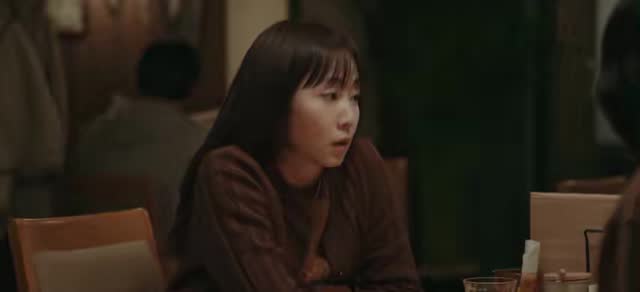
  3. Girls' night: guessing about the sparklers

    Scene 3 · 0:30

    Expressions: 流れ的に, もしかして〜って思った?

  4. Girls' night: wanting to hear about a failure

    Scene 4 · 0:23

    Expressions: 超〜になってる, 〜てんだから

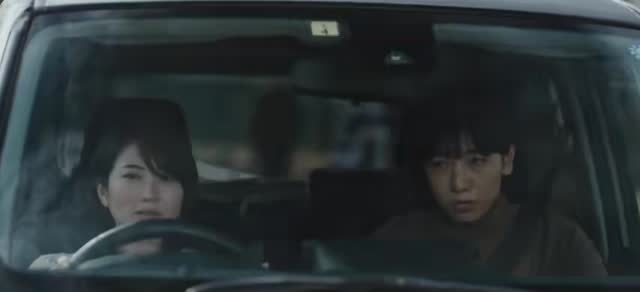
  5. Sisters in the car: teasing about being carried Single line

    Scene 5 · 0:12

    Expressions: 〜てもらう/〜てもらえる, てもらう で人情の向きを示す

  6. Reception in the afterlife: filling in the form

    Scene 6 · 0:29

    Expressions: ご記入ください, 〜みたいなんですけど, 少々お待ちください(再出)

  7. Reception in the afterlife: no break in between

    Scene 7 · 0:22

    Expressions: ご案内いたします, 〜んですね, お疲れさまでした

  8. Reception in the afterlife: sent off with "Itterasshaimase" Single line

    Scene 8 · 0:11

    Expressions: 〜ていただきますと, ございます, いってらっしゃいませ

  9. Reception in the afterlife: reborn as an anteater

    Scene 9 · 0:27

    Expressions: 〜たりしますか, ちなみになんですけど, 近藤様は〜ですね

  10. Reception in the afterlife: not enough virtue

    Scene 10 · 0:18

    Expressions: 〜ということだと思いますけど, 〜に基づいて, 〜のだとしたら

  11. Reception in the afterlife: "It's the rule"

    Scene 11 · 0:28

    Expressions: 〜なので。(言い切らない断り), こればっかりは, どうしようもない

  12. Reception in the afterlife: the option of redoing life

    Scene 12 · 0:17

    Expressions: 〜ことでしたら可能です, やり直す, 今世/来世

  13. Second round, kindergarten: because I'm an adult Single line

    Scene 13 · 0:16

    Expressions: 〜てごらん, 〜っぽい, ⟨大人だからね⟩

  14. Second round, late at night: Nice one, Haruka! Single line

    Scene 14 · 0:13

    Expressions: Callback across loops: 〔 〕の回想, へそくり, コツコツ

Speed
All scenes

At the city hall counter: handling a complaint

This scene

ブラッシュアップライフ Episode 1 At the city hall counter: handling a complaint still

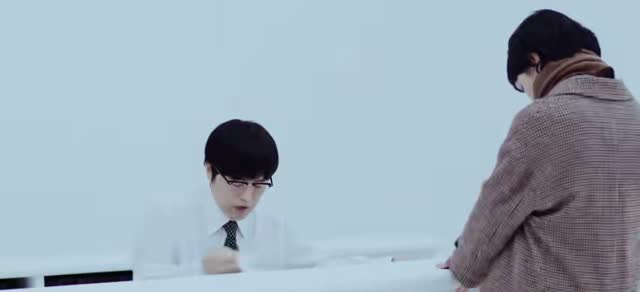
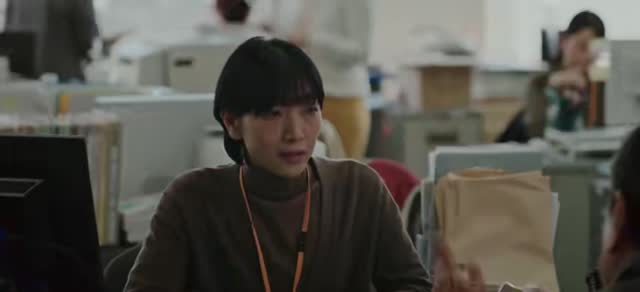
At the city hall counter, Asami deals with an angry citizen who objects to a fee. She follows the rules and finally calls in Section Chief Taniguchi.
  1. 市民

    So can't you do something about it?

  2. 麻美

    It's the rule, you see. All I can do is ask you to pay.

  3. 市民

    Tch. What the hell, you tax-money thieves.

  4. 市民

    Forget it. Get somebody higher up out here.

  5. 麻美

    Please wait a moment.

  6. 麻美(心)

    ⟨Every single day, I just get yelled at.⟩

  7. 麻美

    Section Chief Taniguchi, sorry to trouble you, but could you take a look over there?

  8. 谷口

    Oh, sure, sure.

Speaking notes

〜ていただくしか(ない)

the politest way to refuse firmly

「規則なのでね 支払っていただくしか」 = "It's the rule, you see. All I can do is ask you to pay."
Breakdown: 支払う → 支払ってもらう (giving/receiving verb: "have someone do something for me") → いただく (the humble form of もらう) → 〜しか(ない) ("there is nothing but...").
⚠ The grammar and the attitude point in opposite directions. Asami is not budging at all, yet she uses the most humble honorific in the whole sentence and turns "you must pay" into "I am asking you a favor."
This is exactly what keigo is for socially: the more opposed the two sides are and the less you intend to give way, the more formally you wrap the words, so that the refusal does not sound bare.
• 払え (command, practically a declaration of war)
• 払ってください (direct request, pushy)
• 支払っていただくしか (the softest skin around the hardest core)
In scene 11, the window clerk in the afterlife uses the very same trick on Asami, and that is when she realizes what she does all day.
少々お待ちください

「ちょっと」 and 「少々」 belong to different registers

「少々お待ちください」 = "Please wait a moment."
Structure: 少々 (a little, formal) + お + verb stem + ください (honorific request; explained in scene 8).
⚠ 「ちょっと」 and 「少々」 mean the same thing but are not interchangeable:
• ちょっと待って = to peers, friends, family
• ちょっとお待ちください = half-way, not used in service work
• 少々お待ちください = to unspecified customers and visitors
Politeness in Japanese is not only a matter of sentence patterns: adverbs and nouns get swapped for a formal set too (ちょっと → 少々, すぐ → ただいま、いま → 現在). Changing the word is itself changing the register, and this rule comes up again in scene 6.
This line is a clerk's automatic reflex, and Asami says it with no feeling at all. In scene 6, she becomes the one who gets put off this way.

すみません、〜よろしいですか?

recasting a request as a check on availability

「谷口課長 すみません あちら よろしいですか?」 = "Section Chief Taniguchi, sorry to trouble you, but would it be all right to... over there?"
⚠ She does not say 「助けてください」 or 「来てください」. Those are directives, and a subordinate cannot use them to a superior.
Instead, she rewrites the whole request as a question:
• Opening すみません (apologizing first, for the trouble of interrupting)
• Middle あちら (she does not even name "handling the complaint"; a demonstrative covers it)
• Ending よろしいですか (the polite form of いいですか, asking only whether it suits you)
The effect is that the boss steps in as a voluntary favor rather than being ordered around by a subordinate.
This is the standard pattern for asking a superior for help in a Japanese workplace: the more you need something from someone, the less you use a request sentence. (In Episode 7, scene 12, Asami uses the same technique to lure Mita sensei into Saizeriya.)

Key vocabulary

規則 きそく
Rule, regulation.
税金泥棒 ぜいきんどろぼう
Literally "tax-money thief." A set insult for civil servants or politicians who live off taxpayers without doing anything useful. Strongly derogatory; used only when swearing at someone.
支払う しはらう
To pay. The noun is 「支払い」. Very common at service counters.
課長 かちょう
Section chief. Ranks in a Japanese company or office run 係長 → 課長 → 部長 → 役員.
とにかく
Anyway, in any case. Used to skip the details and go straight to the point.

↑ Scenes on this page

Lunch break: what to say to visitors at the counter

This scene

ブラッシュアップライフ Episode 1 Lunch break: what to say to visitors at the counter still

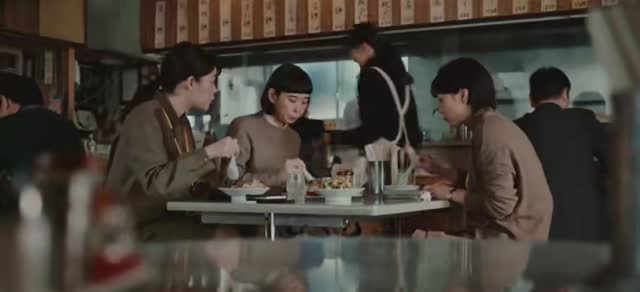
On their lunch break, Asami and her colleagues Haruna and Miki talk about how to greet visitors at the counter. City hall is not a shop, so "Welcome" feels off, and everyone says something different.
  1. 麻美

    I really wish we'd just all settle on "Irasshaimase."

  2. 春菜

    Well, it's not wrong, is it.

  3. 美樹

    I always say "Konnichiwa."

  4. 麻美

    I used to say "Konnichiwa" too, but...

  5. 麻美

    Someone once blew up at me, saying I was being too familiar.

Speaking notes

〜っつって

contracted form of 「と言って」, used when quoting someone

「なれなれしいっつって」 = "...and she goes, 'You're being too familiar.'"
The contraction chain: と言って → って言って → っつって.
⚠ This is a listening hurdle: in writing you see 「と言われて」, but in real conversation you hear the three syllables 「っつって」.
It is used almost exclusively to report what someone else said, especially criticism or complaints. It is casual and carries a "can you believe what she said?" tone.
Similar contractions: って言うか → っつうか, と言っても → っつっても (seen in Episode 7, scene 15).
⚠ Note that the passive is dropped here as well. The full form is 「なれなれしいと言われて」 (was told), but 「っつって」 swallows the passive too. Context (the earlier 「キレられた」) tells you it means "was told."

〜てほしい

expressing a wish about what someone else does

「『いらっしゃいませ』で統一してほしい」 = "I wish we'd all just go with 「いらっしゃいませ」."
⚠ Three easily confused patterns:
• 〜たい = I myself want to do it. 「統一したい」 = I want to unify it.
• 〜てほしい = I want someone else to do it. The doer is marked with に.
• 〜てもらいたい = same, but more polite and more like a request.
Asami has no particular person in mind here. She is not demanding that a specific boss circulate a memo; she is just venting that she wishes it would happen. The doer of 〜てほしい can be an unspecified "somebody" or "the people above," which makes it much freer than 「〜たい」.
(In Episode 7, scene 10, Shizuka says 「そろそろ現実 見てほしい」, and there the doer is very concrete: her husband.)

いらっしゃいませ

honorific greeting used by shops to customers

This scene is all about whether this word is the right one to use.
「いらっしゃいませ」 = the honorific 「いらっしゃる」 (for 来る/行く/いる) + ませ, literally "you have graced us with your presence." It is the set greeting for a shop welcoming a customer.
⚠ The problem is that city hall is not a shop, and the people coming to the counter are not "customers." Using 「いらっしゃいませ」 turns a public service into a sale, while 「こんにちは」 gets complaints of なれなれしい (overly familiar, no sense of distance), because 「こんにちは」 is a greeting between equals.
Neither works, and that is why Asami and her colleagues want a standard phrase. A Japanese greeting carries a built-in setting of "what is the relationship between you and me," so changing the word changes the relationship.
(By the way, いらっしゃる is the honorific for three verbs: 来る、行く, and いる. Context tells them apart.)

Key vocabulary

なれなれしい
(Toward someone you are not that close to) overly familiar, too casual. Negative nuance.
統一 とういつ
To unify, to standardize.
いらっしゃいませ
Welcome. The greeting a shop gives customers; explained in detail in this scene's notes.
間違う まちがう
To make a mistake, to get something wrong. 「間違ってはない」 = "it's not wrong, exactly."
キレる
To snap, to lose one's temper. The original image is of a line being cut: a cord of emotion snapping.

↑ Scenes on this page

Girls' night: guessing about the sparklers

This scene

ブラッシュアップライフ Episode 1 Girls' night: guessing about the sparklers still

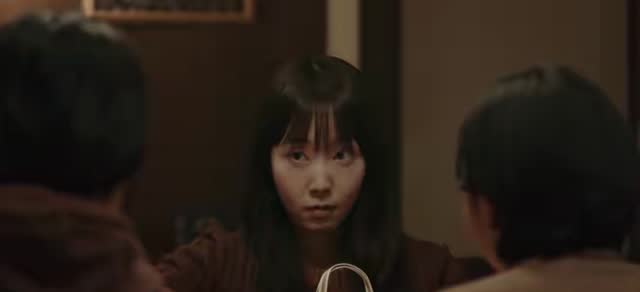
Asami has dinner with her childhood friends Natsuki and Miho. Seeing Miho glance sideways, Asami guesses she is worried that the staff will bring out a sparkler birthday surprise, but Natsuki hasn't arranged one this year.
  1. 麻美

    Hey, don't tell me... did you think the staff might bring something out?

  2. 美穂

    Hm? Bring what?

  3. 麻美

    Well, going by how these things usually go, that thing with the sparklers going crackle crackle...

  4. 麻美/夏希

    You thought they'd bring it out? / Huh, is that so?

  5. 美穂

    I did think so, a little.

  6. 麻美/夏希

    Yeah, that's how it usually goes. / Sorry, sorry, there's none this time.

  7. 美穂/麻美

    Oh, I see, no, no, it's totally fine. / Mi-pon, you hate that kind of thing, right?

  8. 夏希

    You get embarrassed every time, so I skipped it this year.

  9. 美穂

    Oh, I see. Thanks, Natsuki.

Speaking notes

流れ的に

turning a noun into an adverb with 的に (casual)

「流れ的にさ 花火がバチバチ~ってなってるやつ」 = "Going by how this usually goes, that thing with the sparklers going crackle crackle."
「〜的(てき)に」 originally attached only to formal, Sino-Japanese compounds (科学的に, 個人的に), but modern casual speech has extended it to almost any noun, making it a very efficient word-forming device:
• 流れ的に (going by the flow) • 気持ち的に (emotionally) • 時間的に (time-wise) • 自分的に (personally speaking; Episode 8, scene 16)
⚠ These coinages are casual. In formal settings, restore them to 「〜の点では」 or 「〜としては」.
「流れ」 itself is a high-frequency word in this drama (flow, direction of events, trend of the mood), and Episode 10 brings back 「…っていう流れ」.
The premise of this line is that a birthday dinner has a script everybody assumes. What Asami is guessing at is not the staff but that script.

もしかして〜って思った?

offering someone's likely thought as a tentative guess

「もしかしてさ 店員さんが何か持って来るかなって思ったよね?」 = "Hey, did you maybe think the staff might bring something out?"
⚠ She does not ask 「何を考えてた?」 ("What were you thinking?"), which would sound like an interrogation.
She takes two detours:
• もしかして = leaves some room first: "I'm not sure, but..."
• 〜って思った? = states the other person's possible thought for them, so they only need to nod or shake their head
It comes across as a good-natured probe and a bit of teasing rather than questioning.
This is the standard stance when guessing at someone's mind in Japanese: stating outright what another person thinks (「あなたは〜と思っている」) sounds presumptuous, so it has to be wrapped in a guess.
Similar: もしかして怒ってる? ("Are you angry, by any chance?"), ひょっとして〜? (a bit more formal).

Key vocabulary

バチバチ
Mimetic word for the crackling, popping sound of sparks.
恥ずかしがる はずかしがる
Showing signs of being embarrassed. The adjective 「恥ずかしい」 + 「がる」; 「がる」 means "show that feeling," used to describe another person's visible emotion.
店員 てんいん
Shop clerk, staff member.
流れ ながれ
Flow, course of events, trend of the mood. A high-frequency word in this drama.
全然全然 ぜんぜんぜんぜん
Colloquial doubling meaning "not at all, no problem." Here 「全然」 attaches to an omitted affirmative (= 全然大丈夫), not to a negative.

↑ Scenes on this page

Girls' night: wanting to hear about a failure

This scene

ブラッシュアップライフ Episode 1 Girls' night: wanting to hear about a failure still

The three friends talk about old classmates and one who became a pilot. Asami asks whether any classmate turned out really badly, to ease her own inferiority complex. Natsuki understands, but Miho refuses and snaps back at them.
  1. 麻美

    Hey... isn't there some classmate who's turned out completely hopeless?

  2. 美穂/麻美

    Why? / If this keeps up...

  3. 麻美

    I'm about to get crushed by my inferiority complex, so I want to hear about some loser...

  4. 麻美/美穂

    ...to cheer myself up. / That's awful of you.

  5. 夏希

    But I kind of get it. Really, none? Stories about classmates who flopped?

  6. 美穂

    No, there aren't any. Everyone's doing their best.

  7. 麻美/夏希

    Aw, come on, don't try so hard! / Give us some nutrients!

  8. 美穂

    You two are the worst ones here.

Speaking notes

超〜になってる

describing a state that has come about and still holds

「超ダメになってる同級生」 = "a classmate who's turned out completely hopeless."
Breakdown: ダメになる (become no good) → ダメになっている (has become so, and still is) → contracted なってる.
⚠ Keep the two core meanings of 「〜ている」 apart:
• An action in progress: 食べている (is eating)
• A state that persists after a change (this case): 結婚している (is married, not "is in the middle of marrying"), 死んでいる (is dead), ダメになっている
So Asami is not asking for "someone who slipped up once" but for "someone who is in that bad shape right now"; the state has to be stable for it to work for her.
「超」 is the all-purpose intensifier prefix of young people's speech and is used throughout this drama (超覚えてる、超恥ずかしい、超健康優良児).

〜てんだから

pushing back by stating a reason as obvious

「みんな頑張ってんだから」 = "Everyone's doing their best, you know."
Contraction chain: 頑張っている → 頑張ってる → 頑張ってるんだから → 頑張ってんだから.
⚠ 「から」 and 「んだから」 are not the same:
• 〜から = simply states a reason (neutral)
• 〜んだから = puts the reason in front of the listener, with a tone of reasoning, defending oneself, or even blaming
The subtext of Miho's line is "so you shouldn't say that." She is not giving information; she is rebutting.
Similar: 子どもなんだから ("they're only a child, after all"), 言ったんだから ("I did tell you, remember").
⚠ Be careful with superiors: 「〜んだから」 has a scolding flavor.

Key vocabulary

ダメ
No good, hopeless, in bad shape. An all-purpose adjective: for people it means "a loser, a failure"; for things it means "not allowed, no good."
あんたら
Casual plural of あんた, "you all." Only for close friends; it can be teasing or even insulting, and is rude to strangers or elders.
劣等感 れっとうかん
Inferiority complex. The opposite is 「優越感(ゆうえつかん)」, which is exactly what she wants to get by hearing about others' failure.
押しつぶす おしつぶす
To be crushed, flattened. 「劣等感に押しつぶされる」 is a set phrase (passive: crushed by an inferiority complex). 「〜そう」 = "about to."
同級生 どうきゅうせい
A classmate in the same year. Note the difference from 「同窓生」 (fellow alumnus of the school) and 「同期」 (someone who joined the company in the same year).
養分 ようぶん
Nutrients. Here she treats other people's failure as her nourishment, a joking metaphor.
最低 さいてい
(Of a person) terrible, the worst. Literally "lowest"; very common as an insult.

↑ Scenes on this page

Sisters in the car: teasing about being carried Single line

This scene

ブラッシュアップライフ Episode 1 Sisters in the car: teasing about being carried still

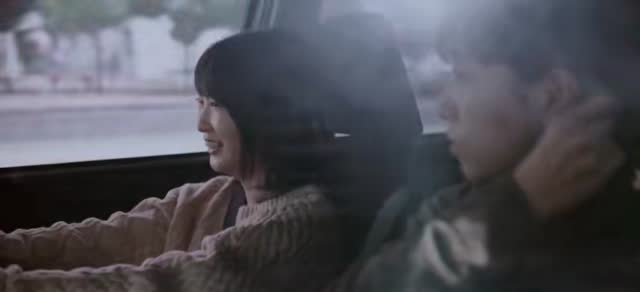
Asami and her younger sister Haruka drive past the kindergarten they used to attend and see a cart inside. Asami envies the children for being pushed along, and Haruka jokes that she is being "transported" right now by being driven.
  1. 麻美

    They didn't have those carts when we were kids, did they?

  2. 遥

    Ah... no, they didn't.

  3. 麻美

    Lucky them, getting pushed around.

  4. 遥

    Well, you're being "transported" right now.

Speaking notes

〜てもらう/〜てもらえる

receiving a benefit from someone's action

「いいなぁ 運んでもらえて」 = "Lucky them, getting to be carried around."
⚠ This is the single most central grammar point in this drama; be sure to tell it apart from the passive:
• 運ばれて (passive) = is carried. Purely objective, and may even imply reluctance
• 運んでもらって (giving/receiving) = has someone kindly carry them. The speaker clearly treats it as a benefit
てもらう always takes the viewpoint of "me," treating the other person's action as a favor I received.
The potential form 「〜てもらえる」 adds another layer: not just receiving, but "being able to receive". So 「運んでもらえて」 feels like "to think they even get this kind of treatment," and that is where the envy comes from.
This pattern runs through the whole drama: Episode 7 「会ってもらえない」 (they won't see me), Episode 8 「乗せてもらえない」 (they won't let me drive), Episode 9 「入れてもらわなきゃ」 (I have to get them to put me in), and all of them mean "the initiative is in someone else's hands."

てもらう で人情の向きを示す

using てもらう to point out who owes whom a favor

Haruka's reply 「今 運んでもらってるからね」 = "You're being driven around right now, you know."
She is joking with the grammar: Asami has just sighed that the children are "looked after by the kindergarten with carts," and Haruka immediately fits "I drive you" into the same frame, turning the topic from "envying the kids" back to "you're the one being looked after."
⚠ Textbooks teach 「〜てもらう」 only as "ask someone to do something," but in real conversation it has a more common role: reminding the other person who owes whom.
• やってもらってるんだから (they're doing this for you, remember)
• 乗せてもらってる立場でしょ (you're the one getting a ride)
So be careful with 「〜てもらう」: said about yourself it is humble, said about the other person it is a pointed reminder.

Key vocabulary

カート
Cart (a pushcart used for shopping or for taking kids around at kindergarten).
運ぶ はこぶ
To carry, to transport.
うちら
We (casual). Much more familiar than 「私たち」; the childhood friends use it among themselves throughout this drama.

↑ Scenes on this page

Reception in the afterlife: filling in the form

This scene

ブラッシュアップライフ Episode 1 Reception in the afterlife: filling in the form still

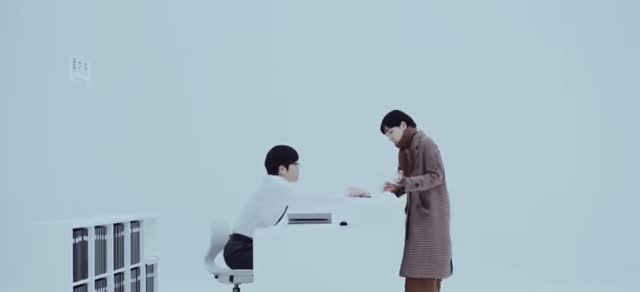
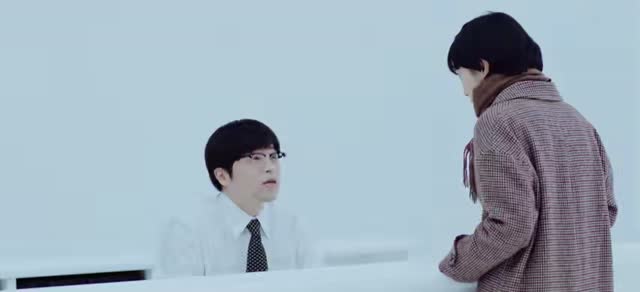
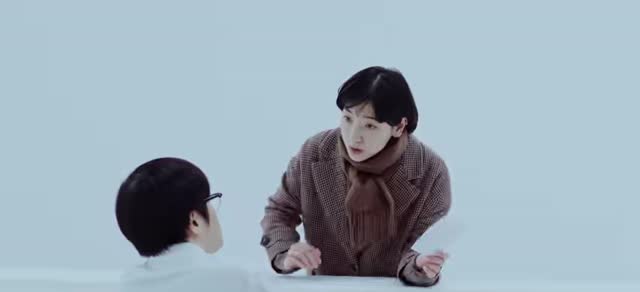
After dying, Asami finds herself in an empty place with a counter like a service window. She asks the receptionist what to do, and he has her write her name and date of birth.
  1. 麻美

    Um... excuse me.

  2. 受付係

    Yes?

  3. 麻美

    I think I might have died, but...

  4. 麻美/受付

    What should I do? / All right, then...

  5. 受付/麻美

    Please write your name and date of birth here. / Okay.

  6. 受付係

    Yes, thank you very much.

  7. 受付係

    Please wait a moment.

Speaking notes

ご記入ください

swapping a plain verb for a formal compound

「こちらにお名前と生年月日をご記入ください」 = "Please write your name and date of birth here."
The pattern is 「ご + Sino-Japanese action noun + ください」 (honorific request; see scene 8).
⚠ But the real point is the word swap: for the same meaning Japanese often has two sets of words, native Japanese verbs and Sino-Japanese compounds, and the compounds are naturally one notch more formal:
• 書く → 記入する • 分かる → ご理解 • 見る → ご覧
• 使う → ご利用 • 来る → ご来店 • 待つ → お待ち (a native verb takes お)
Rule of thumb: compounds go with 「ご」, native words go with 「お」 (with many exceptions, such as お電話 and お時間).
That is why counters, forms, and notices use compounds almost without exception. It is an unwritten rule of keigo: without changing the sentence pattern, changing the word changes the register (the 「ちょっと → 少々」 in scene 2 is the same thing).

〜みたいなんですけど

softening a statement and handing it over to the listener

「何か死んじゃったみたいなんですけど どうしたらいいですか?」 = "I think I may have died or something... what should I do?"
⚠ Something as definite as her own death comes out as "I seem to have...", followed by a trailing 「けど」.
Three layers of cushioning:
• 何か = "somehow" (strips away one layer of certainty)
• みたいだ = "seems" (downgrades an assertion to a guess)
• 〜んですけど = leaves the sentence half open for the other person to pick up
This is not Asami being unsure; it is the standard stance for asking for help in Japanese: soften what you say first, and do not force an assertion on the other person.
Compare: 「死にました。どうすればいいですか」 is grammatically perfect, but it sounds like reporting a crime and dumps all the pressure of handling it onto the other person.
(In Episode 9, scene 10, Asami talks to the unfamiliar senior Tae using the same 「〜なんですけれども」.)

少々お待ちください(再出)

the same line from the other side of the counter

⚠ This is the same line as in scene 1.
By day: at the city hall counter, Asami says 「少々お待ちください」 to a complaining citizen.
That night: she has died, and standing at the afterlife counter she is served with that very phrase.
The drama moves the "service counter" from this world to the next, language and all: the same 「少々お待ちください」, the same 「ご記入ください」, the same 「〜なので」 (scene 11).
So the real subject of this episode is not death but the counter itself: on either side, the speaker uses the same language to hide behind the system.

Key vocabulary

受付係 うけつけがかり
Receptionist, person in charge of the front desk.
生年月日 せいねんがっぴ
Date of birth. Note that the reading is 「がっぴ」 (in 生年月日 = せいねんがっぴ), not 「がつひ」.
記入 きにゅう
To fill in (a form). 「記入する」. The honorific form is 「ご記入ください」, explained in this scene's notes.
どうしたらいい
"What should I do?" The casual form of 「どうすればいい」.

↑ Scenes on this page

Reception in the afterlife: no break in between

This scene

ブラッシュアップライフ Episode 1 Reception in the afterlife: no break in between still

The receptionist looks up Asami's record, thanks her for her years, and says he will now guide her to rebirth. Asami cannot keep up and asks whether there is any buffer time in between.
  1. 受付/麻美

    Right, thank you for your hard work these 33 years. / Oh, thanks.

  2. 受付係

    Now then, I will guide you to your new life.

  3. 麻美/受付

    Um, you mean right now? / Yes.

  4. 麻美

    So there's, like, no interval in between?

  5. 受付/麻美

    There is no interval. / I see.

Speaking notes

ご案内いたします

humble form for guiding someone, the politest level

「新しい生命にご案内いたしますね」 = "I will now show you the way to your new life."
Structure: ご + Sino-Japanese action noun + いたす. 「いたす」 is the humble form of 「する」, lowering your own action in order to raise the other person.
⚠ The most common slip is getting the direction backwards:
• ご案内いたします = I will guide you (humble)
• ご案内になります = you will guide (honorific)
The subjects are completely opposite. A rule of thumb: when you do the action, use 「いたす/お〜する」; when the other person does, use 「なさる/お〜になる」.
Three steps of humble forms (detailed in Episode 5, scene 11):
• 案内します (plain), then ご案内します (humble), then ご案内いたします (most formal)
The receptionist uses the highest level, and where he is taking her is a life as an anteater.

〜んですね

realizing something just now and checking it

「インターバルみたいなのはないんですね?」 = "So there's no interval or anything like that, I take it?"
⚠ This is not a plain question; it is "I just realized, so that's how it is, right?" It carries the surprise of finding something out on the spot.
Compare:
• ないですか? = Is there any? (a pure question; I don't know)
• ないんですね? = So there isn't (I just inferred it from what you said and am confirming)
• ないんですか? = You mean there really isn't? (surprise plus pressing for more)
The function of 「んです(= のだ)」 is to connect the sentence to the current context: 「〜んですね」 means "based on the information just given, I conclude this."
If she said 「ないですか?」, that "I didn't expect that" flavor would be gone.

お疲れさまでした

the all-purpose workplace thanks for effort, used on a whole life

「33年間 お疲れさまでした」 = "You've worked hard for these 33 years."
This is the most versatile greeting in the Japanese workplace: said when leaving work, after a meeting, after finishing a task, even when you pass someone on the street.
⚠ The difference from 「ご苦労さまでした」 matters, and using the wrong one is rude:
• お疲れさまでした = can be used to anyone (superiors, colleagues, juniors)
• ご苦労さまでした = only from higher to lower (saying it to a superior is rude)
The joke is in how it is used: the receptionist thanks her for having "lived 33 years" as if it were a job just completed. With one everyday workplace greeting, the afterlife becomes a service counter.
(In Episode 6, scene 10, Asami dies at 29 and is received with the same 「29年間 お疲れさまでした」, and she answers on the spot, "Don't tell me I've worked hard.")

Key vocabulary

インターバル
Interval, break (from English "interval").
生命 せいめい
Life. Here it means the living being she is to be reborn as.
案内 あんない
Guidance, showing someone the way, introduction. The humble form 「ご案内いたします」 is explained in this scene's notes.
お疲れさまでした おつかれさまでした
Thanks for your hard work. ⚠ Can be used to superiors too; 「ご苦労さまでした」 goes only from higher to lower and is rude if reversed.

↑ Scenes on this page

Reception in the afterlife: sent off with "Itterasshaimase" Single line

This scene

ブラッシュアップライフ Episode 1 Reception in the afterlife: sent off with "Itterasshaimase" still

The receptionist sends Asami off to be reborn. He tells her to walk straight along the left side to a door that leads to the next life, and finally says "Itterasshaimase" to her.
  1. 受付係

    Now then, if you would walk straight along this left side...

  2. 受付係

    ...there is a door, so please enter the next life from there.

  3. 麻美/受付係

    Okay. / Yes.

  4. 受付/麻美

    Have a good trip. / Thank you.

Speaking notes

〜ていただきますと

turning an instruction into a favor you receive

「こちら左側 真っすぐ進んでいただきますと」 = "If you would kindly walk straight along this left side..."
Breakdown: 進む → 進んでもらう (giving/receiving) → 進んでいただく (humble) → 〜と (conditional).
Literally "if I may receive your walking": he is giving the other person an instruction, but grammatically it is made into "I ask you to do me the favor of doing this."
⚠ This is the most polite form of the 「てもらう」 learned in scene 5: the same "receiver's viewpoint," used from the sisters' teasing (「運んでもらってる」) all the way to a service counter's directions.
「〜ていただく」 is the heart of business Japanese and is extremely frequent:
• ご確認いただけますか (Could you confirm this?)
• お待ちいただけますか (Episode 2, scene 12)
• ご記入いただきます (We will ask you to fill this in)
If you remember that it is the humble form of もらう, you will never get the direction wrong: the benefit comes toward the speaker.

ございます

the plain polite word for 'there is', with no target of respect

「扉がございますので」 = "There is a door, so..."
「ございます」 is the formal form of 「あります」.
⚠ The key is how it differs from the other two kinds of keigo:
• 尊敬語 = raises the other person's actions (いらっしゃる、お入りください)
• 謙譲語 = lowers your own actions (いたす、いただく)
• 丁寧語 = just raises the formality of the whole sentence, pointing at nobody (です・ます・ございます)
So the door in 「扉がございます」 is neither honored nor humbled; it is the sentence itself that is made formal.
Service workers almost never say 「あります」 and always say 「ございます」; the formal form of 「〜です」 is 「〜でございます」 (Episode 5, scene 11: 「チョコレートパルフェでございます」).
This single scene brings all three types together: お入りください (honorific) + いただきますと (humble) + ございます (formal).

いってらっしゃいませ

the payoff of a joke set up in scene 2

⚠ This line is the punchline of the lunch-break chat in scene 2.
Back then they were griping about what to say to people at the counter, and also talked about what to say when seeing them off: 「ありがとうございました」 is wrong (this is not a shop), 「お疲れさまでした」 is odd, and when someone joked "how about いってらっしゃい?" the conclusion was "you'd definitely get yelled at."
And in the afterlife, the counter really does use this phrase to send her off to be reborn.
Grammar: 「いってらっしゃい」 = a contraction of 「行って来てください」, and the idea of "coming back" is built into its wording; adding 「ませ」 is a polite final particle that makes it one step more formal (like いらっしゃいませ、おやすみなさいませ).
And that is exactly what makes it cruel here: being reborn is a one-way trip, yet the counter uses a greeting that presupposes "you will come back."
(In Episode 8, scene 17, Asami stands at the same counter for the fourth time and still hears this line; that time she doesn't go.)

お入りください

honorific request: o + verb stem + kudasai

「お入りください」 = "Please go in."
お + verb stem + ください = honorific request, raising the other person's action.
• Native verbs → お: お入りください、お待ちください (appear in scenes 1 and 6 of this episode), お掛けください
• Sino-Japanese verbs → ご: ご記入ください (scene 6 of this episode), ご確認ください, ご利用ください
⚠ The difference from 「〜てください」 matters: 入ってください is just an ordinary request, while お入りください is keigo. Service counters, announcements, and broadcasts always use the latter.
This whole scene is a dense display of keigo: お入りください (honorific) + いただきますと (humble) + ございます (formal) + いってらっしゃいませ, all four at once, and the place where it is said is the rebirth counter.

Key vocabulary

扉 とびら
Door. More formal and solemn than 「ドア」.
来世 らいせ
The next life, the world to come. A Buddhist term, read 「らいせ」.
左側 ひだりがわ
Left side. The counterpart is 「右側(みぎがわ)」.
真っすぐ まっすぐ
Straight, directly.
進む すすむ
To go forward, to proceed. The honorific form appears in this scene's notes as 「進んでいただきますと」.

↑ Scenes on this page

Reception in the afterlife: reborn as an anteater

This scene

ブラッシュアップライフ Episode 1 Reception in the afterlife: reborn as an anteater still

Before leaving, Asami casually asks the receptionist whether she can find out what she will be reborn as. He checks the records and tells her the answer.
  1. 麻美

    Excuse me, by the way...

  2. 麻美

    Could I find out where I'll be reborn next, or something like that?

  3. 受付係

    Next? Oh, yes, that's something I can tell you.

  4. 受付係

    Next time, let me see, for Ms. Kondo... ah, here it is.

  5. 受付係

    Ms. Kondo will be a giant anteater in southeastern Guatemala.

  6. 麻美/受付

    Sorry, what was that? / Um, in southeastern...

Speaking notes

〜たりしますか

asking vaguely so the other person can easily say no

「次どこに生まれ変わるとかって分かったりしますか?」 = "Could you possibly tell me, say, where I'll be reborn next?"
「たり」 is originally the listing pattern (〜たり〜たりする), but in a question it works to make the question less direct.
Compare:
• 分かりますか? = Can you tell? (direct; the other person must answer head-on)
• 分かったりしますか? = Is it possible that you can find out, or something? (leaves the other person a way out)
The aim is that, if the answer is no, the other person doesn't have to say a flat "no."
⚠ This sentence stacks two more layers of vagueness: 〜とか (things like...) + って (quotation), wrapping even the question itself in "I'm just mentioning this in passing."
Japanese speakers use this technique almost every time they ask something awkward (the 「断りやすい感じで聞いてみよう」 in Episode 9, scene 15 is a deliberate use of the same principle).

ちなみになんですけど

signals that the main business is done and this is a side question

「すいません ちなみになんですけど」 = "Sorry, this is just by the way, but..."
ちなみに = "incidentally," and adding 「なんですけど」 makes it a softened topic opener.
When it is used: the real business is finished and you want to add a question that is not that important and that you feel bad about troubling someone with.
Putting 「すいません」 in front is the standard set.
Similar topic openers (in order of weight):
• ちなみに (by the way; lightest)
• そういえば (come to think of it; something just came to mind)
• ところで (by the way; a change of topic is coming)
• 実は (actually; the real matter or a secret is coming)
Asami uses the lightest one to ask "what am I next life?" and the absurdity of the scene rests on that imbalance.

近藤様は〜ですね

perfect keigo delivering the worst possible news

「近藤様は グアテマラ南東部のオオアリクイですね」 = "Ms. Kondo, you will be a giant anteater in southeastern Guatemala."
The receptionist calls Asami 「様」 throughout. 「様」 is one step above 「さん」, used for customers, addressees, and anyone to be treated with formality (お客様、皆様、近藤様).
He handles reincarnation as a thoroughly customer-service procedure.
⚠ The structure of the joke is worth remembering on its own: scrupulous keigo used to announce utterly absurd content.
The more formal the language and the more outrageous the content, the stronger the contrast. This is the drama's most reliable device and runs throughout:
• Episode 6: 「一応こちらになりますね」 pointing at a stock photo of food (a purple sea urchin)
• Episode 8: 「フリー素材なので」 (the place that decides the next life uses free stock images)
• Episode 8: 「最後の回だけはお伝えすることになってまして」 (announcing "you only have one left" in the tone of regulations)

Key vocabulary

生まれ変わる うまれかわる
Rebirth, reincarnation; also used figuratively for a complete makeover.
オオアリクイ
Giant anteater.
南東部 なんとうぶ
Southeastern part. Compass compounds work the same way elsewhere: 北東、北西、南西.
ちなみに
By the way, incidentally. A high-frequency word for introducing an additional topic.

↑ Scenes on this page

Reception in the afterlife: not enough virtue

This scene

ブラッシュアップライフ Episode 1 Reception in the afterlife: not enough virtue still

Asami asks why she is to be reborn as an anteater. The receptionist answers that it is based on how she lived, and that she may lack the necessary virtue.
  1. 麻美

    Why am I a giant anteater?

  2. 受付係

    Well, it is based on the details of Ms. Kondo's life before death...

  3. 受付係

    ...that the result is a giant anteater, I think.

  4. 麻美

    Do you mean my, um, conduct wasn't good?

  5. 受付係

    Well, yes, if it isn't the life you were hoping for...

  6. 受付係

    ...then there is a high possibility that you lacked the necessary virtue...

Speaking notes

〜ということだと思いますけど

three layers of hedging around a conclusion

「オオアリクイということだと思いますけど」 = "I believe it comes out to a giant anteater, as far as I can tell."
He could simply say 「オオアリクイです」 (assertion). Instead he adds three layers of cushioning:
• ということ = reports the conclusion secondhand, as if it came from elsewhere
• と思います = downgrades an assertion to a guess
• けど = leaves a trailing end, unfinished
After three layers, though he is the only one who knows, he speaks as a bystander passing on someone else's conclusion.
⚠ This is the full form of Japanese "customer-service vagueness", found everywhere in real counters, call centers, and company emails:
「確認が取れていないということになっておりまして」 ("It is said to be unconfirmed...")
Its social function is just one thing: to keep the speaker from being responsible for the statement.

〜に基づいて

shifting responsibility from a person to a system

「近藤様の生前の内容に基づいて」 = "Based on the details of your life before death."
「〜に基づいて」 = "on the basis of...", a written, official expression that follows a noun.
⚠ At a service counter, its real function is not to explain the basis but to cut off responsibility: "I didn't decide this; it's calculated according to rules."
Similar "institutional shields":
• 規定により (as per regulations) • 決まりに従って (following the rules)
• 決まりなので (scene 11: the same receptionist uses it in the same scene)
In this whole scene, the receptionist never once says "I think you lack virtue." What he says is: that is what the data shows.

〜のだとしたら

wrapping the judgment itself in a hypothesis

「ご希望の生命でないのだとしたら」 = "If it is the case that this is not the life you were hoping for..."
「〜のだとしたら」 = a more written, cautious version of 「なら」; the extra 「の」 first packages the first clause as a "situation," then makes a hypothesis from it.
The caution ladder of conditionals:
• 〜たら (most neutral)
• 〜なら (picks up what the other person said)
• 〜のだとしたら (treats the other person's situation as a "case" first, then supposes)
• 仮に〜としても (even supposing; Episode 8, scene 10)
The receptionist uses it, again, so as not to pin things down: even the judgment "you lack virtue" is handed over wrapped in a hypothetical.

ご希望の生命

honorific prefix go- on a noun belonging to the other person

「ご希望の生命」 = "the life you hope for."
The prefix 「お/ご + noun」 raises "things belonging to the other person"; it is not a verb honorific by itself:
• Sino-Japanese words → ご: ご希望, ご意見、ご住所、ご家族、ご連絡
• Native words → お: お名前 (appears in scene 6 of this episode), お荷物、お考え
⚠ There are many exceptions: お電話、お時間、お食事 are Sino-Japanese words that take 「お」 and must be memorized one by one.
⚠ Also keep two uses apart: raising the other person (ご希望 = your wish) vs plain beautifying words (お茶、お金, which are not about anyone in particular).
The absurdity of this line is here too: the counter uses the most proper keigo to say "you lack virtue, so you can only be an anteater."

Key vocabulary

徳 とく
Virtue, moral merit. 「徳を積む」 = to accumulate virtue, a core phrase in this drama.
不足 ふそく
Shortage, insufficiency.
生前 せいぜん
During one's lifetime, before death.
一応 いちおう
Tentatively, more or less, as a rule. A buffer word for avoiding a flat assertion; it appears twice in this episode.
行い おこない
Conduct, behavior. 「行いが良い/悪い」 = good / bad conduct.
可能性 かのうせい
Possibility.

↑ Scenes on this page

Reception in the afterlife: "It's the rule"

This scene

ブラッシュアップライフ Episode 1 Reception in the afterlife: "It's the rule" still

Asami is reluctant and asks the receptionist whether anything can be done, but he refuses on the grounds of the rules. It reminds her of what she said to a citizen at the city hall counter that day.
  1. 麻美

    Aw, there's really nothing you can do about that?

  2. 受付係

    Well, yes, on this one point, it's just the rules, so...

  3. 受付係

    I'm very sorry.

  4. 回想・市民

    〔So can't you do something about it?〕

  5. 回想・麻美

    〔It's the rule, you see. All I can do is ask you to pay.〕

  6. 麻美(心)

    ⟨There's probably no point in telling this person.⟩

Speaking notes

〜なので。(言い切らない断り)

a refusal that never quite finishes

Receptionist: 「こればっかりは一応 決まりなので。」 = "On this one thing, it's, well, the rules."
Asami that day: 「規則なのでね。」 = "It's the rule, you see."
⚠ The same template: end the sentence with 「〜なので」 and deliberately leave the rest unsaid.
What is left out is "so I can't help you" or "so please comply."
Why not finish?
• Once you finish, the one refusing becomes "me" (I won't help you).
• Stop at "because it's the rule," and the one refusing becomes the system (nobody is refusing you; the rules are).
This is one of the most common self-protecting structures in Japanese, the same logic as 「〜に基づいて」 in scene 10.
And this is how the episode is designed: all day she used this line to hold off citizens, and that night the afterlife counter uses the same line to hold her off.

こればっかりは

implying everything else is negotiable

「こればっかりは」 = "just this one thing."
「ばっかり」 is the colloquial sound change of 「ばかり」, and the shortened 「ばっか」 is also common.
Its function is to single out one matter from "everything else can be discussed."
⚠ The implication is "I can bend on other things, but not this one," but usually that is just a manner of speaking. It sounds as if you were being given other options, when in fact nothing is being given.
Similar: これだけは (just this), 今回ばかりは (just this once).
(In Episode 7, scene 10, Asami says to Shizuka 「こればっかりは何も言ってあげられない」. There she truly cannot do anything; it is not a manner of speaking. The same expression can be real or an excuse, depending on who says it.)

どうしようもない

the resignation only someone behind the counter would feel

Asami's inner voice: 「この人に言ってもどうしようもないんだろうな」 = "There's probably nothing to be done by telling this person."
「どうしようもない」 = no way to deal with it, nothing can be done. The structure is どうしよう (what shall I do) + も + ない, literally "there is not even a 'what shall I do'."
⚠ This inner line is the heart of the episode because she gives up immediately, not because she has been persuaded, but because she knows exactly how powerless the person behind a counter is: she does that job herself.
This is a flash of empathy only someone who has worked a counter would have. The whole build-up of the episode (the complaint in scene 1, the flashback in scene 11) exists for this one line.
Similar expressions of resignation: 仕方ない (can't be helped; the most common), やむを得ない (unavoidable; formal), どうにもならない (nothing works).

Key vocabulary

決まり きまり
Rule, custom. More colloquial than 「規則」; refers to conventions or internal rules.
申し訳ございません もうしわけございません
I'm very sorry. More formal than 「すみません」 and 「申し訳ありません」; the standard apology in service work.
一応 いちおう
Tentatively, as a rule. Counter staff use it to soften "it's the rule."
何とかする なんとかする
To do something about it, to find a way out. 「何とかならないんですか」 = "can't you make an exception?", the standard line at a complaints counter.

↑ Scenes on this page

Reception in the afterlife: the option of redoing life

This scene

ブラッシュアップライフ Episode 1 Reception in the afterlife: the option of redoing life still

At the counter, the receptionist presents Asami with another option: instead of being reborn, she can live the same life over again as Asami Kondo.
  1. 受付係

    Well, yes, and the other thing is, um, not the next life...

  2. 受付/麻美

    ...but whether to redo this life. / Hm? What do you mean?

  3. 受付係

    Not as a new life, but once more, as Ms. Asami Kondo...

  4. 受付係

    ...redoing the same life, that I can arrange.

  5. 麻美/受付

    That's an option too!? / Yes, well, in that case...

Speaking notes

〜ことでしたら可能です

drawing a line, then granting permission

「同じ人生をやり直すことでしたら可能ですね」 = "If it's a matter of redoing the same life, that is possible."
「でしたら」 is the formal form of 「なら」, and 「〜ことでしたら」 = "if it's a matter of...".
Its function is to draw a line first: other things can't be done, but this one can.
⚠ It forms a perfect pair with 「こればっかりは」 from the previous scene:
• こればっかりは (+ negative) = just this one can't be done (used to block)
• 〜ことでしたら (+ possible) = just this one can be done (used to open a door)
The same receptionist, in the same scene, first blocks her with the former and then gives her a path with the latter.
And that path is the entire content of the next nine episodes.

やり直す

verb stem + naosu: do it over again

「verb stem + 直す」 = to do again from the start.
• やり直す (redo) • 書き直す (rewrite) • 言い直す (say again)
• 考え直す (reconsider) • 出直す (come back another time) • 見直す (to look over again; also "to think better of someone")
⚠ Used alone, 「直す」 means "fix, correct", but after a verb stem it means "do it again", with no sense that something was broken.
This verb is the title of the drama itself: the original title ブラッシュアップライフ is "Brush Up Life," and it describes exactly what Asami will do over and over.
The word appears dozens of times in the drama and by Episode 8 even becomes a kind of password: 「人生やり直してるんですよ」.

今世/来世

Buddhist terms for this life and the next, with old readings

今世(こんぜ)= this life / 来世(らいせ)= next life / 前世(ぜんせ)= previous life.
⚠ The readings are the hard part, and also a clue: here 「世」 is read ぜ/せ, not せい.
• Go-on readings (ぜ・せ) = the readings that came in with the earliest Buddhist scriptures, mostly used in Buddhist words
• Kan-on readings (せい) = the later, standard readings used for ordinary Sino-Japanese words (世界 = せかい、世代 = せだい)
So when you see a Sino-Japanese word with a Go-on reading, it is probably related to Buddhism: 極楽(ごくらく), 成就(じょうじゅ), 人間(にんげん), 供養(くよう).
The vocabulary of this drama's whole worldview (今世、来世、徳, 生まれ変わる) all comes from Buddhism.

それもあり!?

あり / なし as casual verdicts: acceptable or not

「それもあり!?」 = "That's allowed too!?"
「あり」 is the noun use of 「ある」, and in casual speech it means "that counts / that's fine / that's acceptable."
Used in pairs:
• それはあり (that's okay) ↔ それはなし (no way)
• あり寄りのあり (leaning toward okay, but okay; an intensified phrase young people like)
• ないわ (no way, can't stand it)
Casual speech has many such "turn a verb into a noun to give a verdict" expressions: アリ/ナシ, OK/NG, セーフ/アウト.
This surprised cry from Asami is the real starting point of the drama.

Key vocabulary

今世 こんぜ
This life, the present life.
修正 しゅうせい
To correct, to fix.
可能 かのう
Possible, can be done. 「〜ことでしたら可能です」 is a very polite way to grant permission.
もう一度 もういちど
Once more, again.

↑ Scenes on this page

Second round, kindergarten: because I'm an adult Single line

This scene

ブラッシュアップライフ Episode 1 Second round, kindergarten: because I'm an adult still

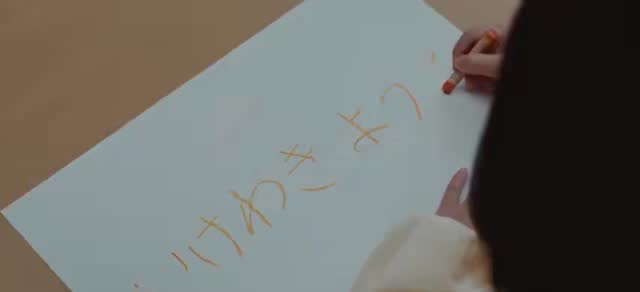
Having started over, Asami is a 4-year-old kindergartner who keeps her memories from age 33. Her teacher Yoko is surprised by her handwriting, and Asami answers in her head: because she is an adult.
  1. 洋子

    Oh my! Asami-chan, did you write this yourself?

  2. 麻美/洋子

    Yep, I can write your name too, teacher. / Really?

  3. 洋子

    Try writing it, go on, go on.

  4. 洋子

    Wow! Somehow, you write like a grown-up.

  5. 麻美

    Yeah. / ⟨Because I am one.⟩

Speaking notes

〜てごらん

invitation to try, only from someone older to someone younger

「書いてごらん」 = "Try writing it."
It is a shortened form of 「ご覧なさい」 (ご覧 is the honorific of 見る, and なさい is the imperative of する).
⚠ But today it is used only by elders to children and teachers to pupils, because 「〜なさい」 itself is a command from above.
Ladder of tone:
• 書いてみて (try writing; peers, neutral)
• 書いてごらん (affectionate but looking down)
• 書きなさい (write it; a command)
⚠ Using it with the wrong person is very rude: saying 「〜てごらん」 to a superior or an unfamiliar peer is treating them as a child.
And the beauty of this episode is that the one being treated as a child is actually older than the teacher.

〜っぽい

giving a subjective impression of resemblance

「大人っぽい字書くね」 = "You write quite grown-up-looking characters."
Noun / verb stem / adjective stem + っぽい = "has a touch of, seems like."
• 子供っぽい (childish) • 男っぽい (manly) • 安っぽい (cheap-looking)
• 忘れっぽい (forgetful; after a verb it means "tends to...") • 怒りっぽい (quick to anger)
⚠ Key point: っぽい expresses the speaker's subjective impression, not an objective description.
So the teacher is not saying "this is an adult's handwriting" (an assertion), but "it somehow has a grown-up feel."
Precisely because she only "feels it is similar," she fails to discover the truth.

⟨大人だからね⟩

the simplest grammar, carried entirely by the setup

The teacher praises her 4-year-old's handwriting as "grown-up", and Asami calmly replies in her head 「大人だからね」 = "Because I am an adult."
The grammar could not be simpler: noun + だから (because it is) + ね (a self-addressed confirmation).
⚠ But the whole effect depends on the audience knowing she is on her second round; without that setup the line makes no sense.
This is a kind of line unique to this drama: zero language difficulty, with the memory hook entirely in the situation.
Similar "setup-dependent" lines (more and more later):
• Episode 7 「生きてる回数が違うだけ」 (it's only that the number of times I've lived differs)
• Episode 7 「それはきっと130歳の哀愁」 (that must be the melancholy of a 130-year-old)
• Episode 10 「もう170年 人間やってきたからさ」 (I've been human for 170 years now)
For lines like these, do not memorize only the grammar; memorize who said it, in what situation. Otherwise it is just a meaningless sentence.

Key vocabulary

大人っぽい おとなっぽい
Grown-up-looking, mature. 「大人」 + 「っぽい」.
ホントに
Spoken-sound variant of 「本当に」 ("really"). Subtitles often write it in katakana to show a casual tone.
字 じ
Letters, handwriting. 「字を書く」 = to write characters.
書ける かける
Can write (the potential form of 「書く」).

↑ Scenes on this page

Second round, late at night: Nice one, Haruka! Single line

This scene

ブラッシュアップライフ Episode 1 Second round, late at night: Nice one, Haruka! still

Four-year-old Asami slips out of the house at night to break up a budding affair between her kindergarten teacher and a parent using a pay phone, but she has no coins. She remembers her younger sister Haruka once said their father hides secret savings in his shoes.
  1. 麻美(心)

    ⟨Where would the money be?⟩

  2. 麻美(心)

    ⟨Oh!⟩

  3. 回想・麻美

    〔Is Dad stashing away secret money?〕

  4. 回想・遥

    〔Apparently he's been saving it up little by little inside his shoes.〕

  5. 麻美(心)

    ⟨Nice one, Haruka! You haven't even been born yet, though.⟩

Speaking notes

Callback across loops: 〔 〕の回想

an earlier round's remark used as a tool in the next

In round two, Asami finds the money thanks to a casual remark her sister made in round one.
The subtitles replay the original line from round one in 〔 〕, from the same sisters-in-the-car scene as scene 5.
⚠ The subtitle symbols of this drama; knowing them helps you read the screen:
• ⟨ ⟩ = inner voice at that moment (narration)
• 〔 〕 = flashback / offscreen voice (from a previous round, or from elsewhere)
• 「 」 = quotation of what someone said
• → = this line is unfinished and continues in the next subtitle
The absurdity of 「ナイス 遥! まだ生まれてないけど」 is that the person she is thanking has not even been born yet.
This structure continues to the final episode: Episode 9 passes an interview with round-one memories, and Episode 10 uses them to save an entire airplane.

へそくり

secret savings hidden from one's family

へそくり = secret savings.
The etymology is 「綜麻(へそ)を繰る」: in the old days, women spun thread (綜麻 = a ball of wound hemp thread), sold it, and secretly set the money aside.
⚠ It has nothing to do with the "navel (へそ)", though nearly everyone associates it that way now.
It specifically means money saved without the family knowing; both men and women can do it: 「お父さん へそくりしてんの?」
「へそくりしてんの?」 = a casual contraction of 「へそくりしているの?」 (ている → てる → てん, the most frequent contraction pattern in this drama).
Related words about hidden money: タンス預金 (cash kept in a wardrobe), 小遣い (pocket money).

コツコツ

mimetic word for steady, little-by-little effort

「靴の中にコツコツ貯めてるらしいよ」 = "Apparently he's been saving little by little in his shoes."
コツコツ = steadily, bit by bit, accumulating faithfully.
• コツコツ貯める (save little by little) • コツコツ働く (work diligently)
• コツコツ努力する (make efforts day after day)
⚠ The same mimetic word has another meaning: 「コツコツ」 is also the sound of a hard object knocking (靴音がコツコツ鳴る = heels clicking), and context tells them apart.
This word has the same feel as the recurring 「徳を積む」 (to accumulate virtue): the whole drama is about one thing: piling up good deeds little by little.
The way of piling is equally comical: Dad stores money in his shoes, and Asami stores virtue over four lifetimes.

Key vocabulary

へそくり
Secret savings, hidden money.
ナイス
Good one, well done (from English "nice"), used to praise someone's action.
貯める ためる
To save up, to accumulate. 「コツコツ貯める」 = to save bit by bit.
靴 くつ
Shoes.

↑ Scenes on this page

Back to ブラッシュアップライフ