LearnWithSubs

ブラッシュアップライフ Episode 9 (page 1/2)

This episode has 18 dialogue scenes: friends being considerate of each other and worrying about each other, apologies and making up, the "groundwork" (根回し) of planning backward from a goal, slang at the flight school, a polite-speech approach that fails and is replaced by a frank confession, a street performance, and agreeing in advance how to invite someone so that it is easy for them to say no. The main focus is the many ways of showing consideration for the other person.

Language highlights

  • 「気を使う」(to go out of one's way for someone; the key word of the episode)
  • 「根回し」(informal groundwork before a formal decision)
  • 「閉店セール理論」(the closing-down sale theory: "last time" makes things precious)
  • 「断りやすい感じで誘う」(to invite in a way that is easy to turn down)
  • 「〜くせに」("even though you...", said with blame)

Scenes on this page

  1. I came back to save the three of you

    Scene 1 · 0:25

    Expressions: ~気にはなれない, ここ出すよ, 食べな

  2. Fuku might bring out fries for us

    Scene 2 · 0:28

    Expressions: 気を使う, 揺るがざる事実, 入んない / 伝わってるといいけど

  3. Sorry for lying to you back then

    Scene 3 · 0:40

    Expressions: 心配かけたくなかった, ウソをつく, お互い大事に生きなきゃね

  4. I need to be a captain by 29

    Scene 4 · 0:53

    Expressions: 根回し, 入れてもらわなきゃいけない, 築いておく / やっとこう

  5. Made them do a courtesy trade again

    Scene 5 · 0:48

    Expressions: させてしまった, 接待交換, 混ぜて

  6. I didn't want to put them out

    Scene 6 · 0:34

    Expressions: 気使わしちゃう, つい, 染みた

  7. The closing-down sale theory

    Scene 7 · 0:36

    Expressions: ~くせに, 閉店セール理論, ~に思えてくる

  8. "Tsubo instructors" and getting "tsubo-ed"

    Scene 8 · 0:40

    Expressions: ツボられる, ~とは~のことで, わざわざ

  9. It felt like turning into a bird

    Scene 9 · 0:50

    Expressions: ~になった気分, 味わえない, ビビる / 向いてる

All scenes in this episode

Page 2

Speed
All scenes

I came back to save the three of you

This scene

ブラッシュアップライフ Episode 9 I came back to save the three of you still

Asami tells Mari, Natsuki and Miho that she was told her next life would be as a human, but she can't bring herself to move on to it; she wants another do-over to save the three of them.
  1. 麻美

    Hmm... but somehow I just can't make myself go on to the next life like this.

  2. 真里/夏希

    Huh, why? Being human is great. Right?

  3. 真里

    I mean, weren't you going around for all those rounds to become a human?

  4. 麻美

    That's true, but...

  5. 麻美

    If I can still redo things, I want to save you three.

  6. 真里/麻美

    Wait, is it for us? Well, of course!

  7. 美穂/夏希

    Seriously? Aww, thank you!

  8. 美穂/真里

    Thanks, Achin. Oh, we're paying for this, okay?

  9. 美穂/真里

    We're paying, we're paying. Achin, order whatever you like.

  10. 美穂/麻美

    Eat up, eat up! But is your stomach going to be okay?

Speaking notes

~気にはなれない

not just "can't" but "can't bring myself to feel like it"

「来世に行く気にはなれなくて」 = "I just can't bring myself to go on to the next life."
Breakdown: 〜気になる (to feel like doing it, to have the urge) → 〜気になれない (the potential negative: the urge just won't come).
⚠ The key is the 「は」: 〜気にはなれない = "whatever about the rest, this one thing I can't feel like doing." Without は it is just a flat statement.
What makes this pattern special is that it gives no reason: it is not "I can't go" and not "I don't want to go," but "my heart won't move in that direction." Japanese uses it for a reluctance you can't quite explain but really can't get past.
Similar: 食べる気になれない (no appetite), 働く気になれない (can't feel like working).
ここ出すよ

"出す" here means paying the bill

「ここ出すよ」 = "We'll pay for this one."
「出す」 at the register = to put up the money, to pay; it is short for 「お金を出す」.
A useful family of phrases: ここは私が出すよ (this one's on me), 割り勘 (splitting the bill), おごる (to treat someone, more explicit than 出す), ごちそうさま (thanks for the meal).
⚠ 「ここ」 doesn't mean a place here; it means "this time, this round." Japanese often uses demonstratives for an abstract "this occasion": ここは任せて (leave this one to me), そこは譲れない (I can't give way on that point).

食べな

verb stem + な is a soft invitation, not a prohibition

「食べな」 = "Eat up."
⚠ Learners mix these up easily: the two 「な」 mean opposite things.
• Dictionary form + な = prohibition. 「食べるな」 = Don't eat!
• Stem (ます-stem) + な = a soft, encouraging push (shortened from 「〜なさい」). 「食べな」 = Go ahead and eat.
The only difference is whether the dictionary form or the stem comes before な: 食べるな (prohibition) / 食べな (encouragement).
The intonation differs too: a prohibition drops downward, an invitation rises.
Other invitations like this: 見な (take a look), やめな (give it up, why don't you), 行きな (go on).

Key vocabulary

やり直す やりなおす
to redo, to start over.
そりゃ
A casual contraction of 「それは」. 「そりゃそうだよ」 = "Of course!"
うちら
"we, us" (a casual word that began in Kansai dialect and is now used nationwide).

↑ Scenes on this page

Fuku might bring out fries for us

This scene

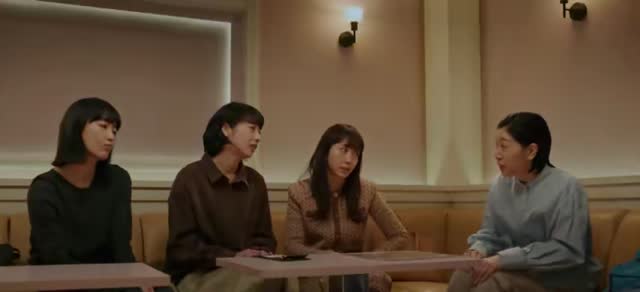
ブラッシュアップライフ Episode 9 Fuku might bring out fries for us still

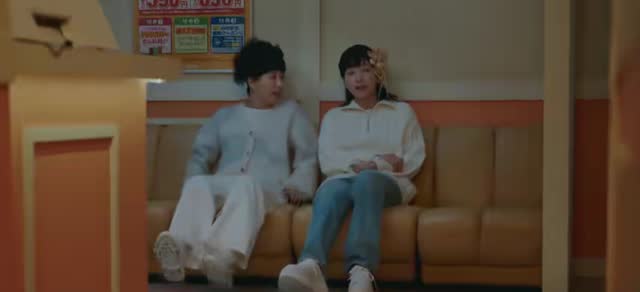
The group is in the karaoke room where Fukuda works, having already eaten. Asami worries Fukuda will bring fries out of consideration for them; everyone appreciates the thought but is too full.
  1. 麻美/美穂

    By the way, will Fuku be okay? / Okay about what?

  2. 麻美

    Doesn't it feel like he'll go out of his way and bring us fries?

  3. 美穂

    True, with Fuku, it could happen.

  4. 麻美/夏希

    Honestly, we can't fit any more in, right? / We can't.

  5. 夏希

    We appreciate the thought, but there's really no room.

  6. 麻美

    Yeah, we're super grateful for the thought.

  7. 麻美/夏希

    But it's also a fact that we can't fit any more. / An unshakable fact.

  8. 美穂

    Still, I did tell him that we'd already eaten, at least.

  9. 麻美/真里

    You did, Miipon. / But who knows.

  10. 真里

    I hope it got through to him...

Speaking notes

気を使う

to go out of your way for someone; the key word of this episode

気を使う = to be considerate, to take care of someone's feelings, to tiptoe around them thoughtfully.
⚠ It has no single English equivalent because it carries both "kindness" and "burden" at once:
• 気を使う (active) = I go out of my way for you
• 気を使われる (passive) = being treated with consideration, which in Japanese is often not a good thing: it implies "the other person treats me as an outsider who must be handled carefully"
• 気を使わせる (causative) = making the other person go to the trouble, which is rude
In Episode 6, during the sticker exchange, Asami thinks 「気を使われている」; in Episode 7 she is praised as a classmate they are "proud to show off"; in this episode the word comes up seven or eight times, and in Episode 9, scene 17 the four of them finally lay it all out.
This scene is the starting point: Fukuda will 「気を使って」 bring fries; he means well, but they're already full. A kindness turning into a burden is the whole meaning of this word.

揺るがざる事実

classical negative "-zaru" meaning "-nai", used for comic gravity

揺るがざる事実 = "an unshakable fact."
「ざる」 is the attributive form of the classical negative auxiliary 「ず」, equal to modern 「〜ない」. So 「揺るがざる」 = 「揺るがない」.
Fossilized phrases you will see: 知らざる世界 (an unknown world), あるまじき行為 (conduct that should not exist), 言わざるを得ない (can't help but say), やむを得ない (unavoidable).
The joke is the contrast: Natsuki uses a solemn classical phrase to state that "we can't eat any more fries." This drama's most reliable humor is using over-serious words for trivial matters (the same move as 「憧れの成人式暴れ」 in Episode 8 and 「威力業務妨害罪」 in Episode 7).

入んない / 伝わってるといいけど

casual contraction of "hairanai"; hoping with "-to ii kedo"

①入んない = 入らない (ら-row sounds → ん; you saw this in Episode 8: 断んない、分かんない). 「(お腹に)入らない」 = it won't fit (in my stomach), I can't eat any more.
②「伝わってるといいけど…」 = "I hope it got through..."
〜といい = I hope that… (a hope about something outside your control), and adding 「けど」 and trailing off brings in the worry "but maybe it didn't."
⚠ Note intransitive 「伝わる」 (the message gets across on its own) vs transitive 「伝える」 (I convey it). Miho said 「伝えた」 (I told him); Mari's worry is 「伝わってる」 (whether it actually reached him). Telling and getting through are two different verbs in Japanese.

Key vocabulary

気を使う きをつかう
to be considerate, to go out of one's way for someone. The key word of this episode.
あり得る ありえる
possible, could happen. The negative 「あり得ない」 (impossible) is also very common.
揺るがない ゆるがない
unshakable, unwavering (classical negative form).
一応 いちおう
for now, at least, in any case.

↑ Scenes on this page

Sorry for lying to you back then

This scene

ブラッシュアップライフ Episode 9 Sorry for lying to you back then still

Asami and Mari talk about each having reached their final round of life. Mari apologizes for something she said earlier: her flight was actually a month away but she said next year; Asami says she didn't want her to worry.
  1. 麻美/真里

    Mari-rin, is this your last life too? / Yeah.

  2. 真里/麻美

    We both have to live carefully, then. / We do.

  3. 真里

    Oh, that reminds me, I'm sorry I lied to you back then.

  4. 麻美/真里

    A lie? / You know, actually...

  5. 真里

    The flight was a month away, but I said it was next year.

  6. 麻美

    Oh... no, it's okay.

  7. 麻美

    You didn't want me to worry, right?

  8. 真里

    Yeah, but if I fail, it doesn't mean anything.

  9. 麻美

    What went wrong last time?

  10. 真里

    Well... um, to put it simply,

  11. 真里

    I couldn't change the flight route.

  12. 麻美(心)

    (Mari boarded that flight as first officer, just as scheduled.)

Speaking notes

心配かけたくなかった

to cause someone worry; a gentle apologetic way to say it

「私に心配かけたくなかったんでしょ?」 = "You didn't want me to worry, right?"
「心配をかける」 = to cause (someone) worry. 「かける」 here means "to put onto someone" and belongs to the same group as 迷惑をかける (to inconvenience) and 手間をかける (to put someone to trouble): all of them mean "I place some kind of burden on you."
⚠ Compare the phrasing in Episode 8: there Asami thinks 「心配させないためのウソ」 (causative: a lie to avoid making her worry).
• 心配させる = causative, focused on the state of the other person becoming worried
• 心配をかける = focused on "I've put a burden on you," with a note of apology
Same event, different viewpoint: in Episode 8 Asami is explaining for Mari; here Asami says it to her face, using the softer wording that sounds more like family.

ウソをつく

fixed collocation: lies are "stuck on", not "said"

ウソをつく = to tell a lie.
⚠ 「嘘を言う」 is understandable, but far less natural than 「嘘をつく」. This is a fixed collocation that must be learned as a set.
Other must-know collocations: 嘘をつく (tell a lie), 風邪をひく (catch a cold), 写真を撮る (take a photo), 薬を飲む (take medicine, not "食べる"), お風呂に入る (take a bath), 傘をさす (put up an umbrella).
The basic meaning of 「つく」 is "to stick, to attach." A lie is something that sticks to your mouth rather than something you "say," so the verb choice itself carries a negative tone.
(「ついちゃって」 = ついてしまって; this is the 〜てしまう you saw in Episode 8, meaning "did something I shouldn't have.")

お互い大事に生きなきゃね

"must" in a shared pledge: we both have to live well

「大事に生きなきゃね」 = "We've got to live carefully, huh."
• 〜なきゃ = a contraction of 〜なければ(いけない); the 「いけない」 is dropped (very common in speech).
• ね = seeking agreement.
• お互い = each other, both of us.
Together it makes a "shared vow": not "you must live well" (that would be an order), and not "I will live well" (that would be a resolution), but "both of us have to live well."
What gives the line weight is that both of them are already in their final life.

Key vocabulary

お互い おたがい
each other, both (of us).
航路 こうろ
flight route, course.
変更 へんこう
change, alteration.
副操縦士 ふくそうじゅうし
first officer, co-pilot. The captain is 「機長(きちょう)」 or 「キャプテン」.
搭乗 とうじょう
to board, to get on (a plane, ship, etc.).

↑ Scenes on this page

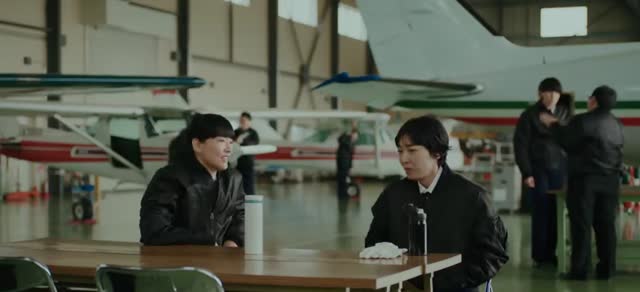
I need to be a captain by 29

This scene

ブラッシュアップライフ Episode 9 I need to be a captain by 29 still

Asami and Mari discuss how to get onto that particular flight. Mari explains that being put on the schedule depends on informal trust with the scheduler, so she needs to build her career early; becoming captain around 29 would be ideal.
  1. 麻美

    I have to be a captain by 35, right?

  2. 真里/麻美

    No, I think it has to be even earlier. / Why?

  3. 真里

    First of all, to get on that plane,

  4. 真里

    we first have to get put on the shift schedule.

  5. 真里

    But you can't formally submit shift requests.

  6. 真里

    It's all really about groundwork behind the scenes.

  7. 真里

    Veterans are more likely to get priority than new people.

  8. 麻美/真里

    I see. / So for that,

  9. 真里

    by the time I'm 35, I need to have a certain amount of experience

  10. 真里

    and to have built up trust with the scheduler

  11. 真里

    in advance.

  12. 麻美

    Then by what age should I have made it?

  13. 真里/麻美

    Hmm, around 29 would be ideal, I think. / 29?

  14. 麻美/真里

    Won't that be impossible unless I work really hard? / Right.

  15. 真里/麻美

    So let's do everything we can from now on. / Got it.

Speaking notes

根回し

informal groundwork before a formal decision

根回し = quietly talking to people one by one beforehand, so objections are settled before a formal proposal.
The origin is vivid: before transplanting a big tree, you gradually loosen the soil around its roots and trim the fine roots (=根を回す), so that on the day of the actual move the tree doesn't die.
Extended to organizations, it means: the conclusion reached at the meeting was actually settled before the meeting.
⚠ This word is basically neutral, even positive, in Japanese (it implies someone who gets things done and has good judgment), not a shady "pulling strings." When Mari says 「あくまでも根回しだからさ」, the tone is "that's just how the system runs," without a trace of complaint.
That is exactly why they have to start cultivating these relationships twenty years ahead.

入れてもらわなきゃいけない

to be put in by someone: receiving + obligation

「シフトに入れてもらわなきゃいけない」 = "We have to get them to put us on the shift schedule."
Layer by layer: 入る (to enter) → 入れる (transitive: to put in) → 入れてもらう (giving/receiving: have someone put me in) → 入れてもらわなければ → いけない (obligation) → contracted speech 入れてもらわなきゃいけない.
⚠ The core is the viewpoint of もらう (recurring in Episodes 7 and 8): in scheduling, the initiative is entirely in other people's hands; she can only ask them to give it.
The next line's 「優先してもらいやすい」 is the same もらう: throughout this passage they never say "I'll do X," only "whether we can get others to do X for us." That is their whole situation.
(Compare 「乗せてもらえない」 in Episode 8: same structure, same passivity.)

築いておく / やっとこう

"-te oku": do something in advance, with shortened forms

〜ておく = to do something in advance, for later. This is the core grammar of the whole drama: everything they do is for a day decades away.
• 信頼関係を築いておく (build trust in advance)
• やっとこう = the contracted form of やっておこう (let's do it ahead of time)
⚠ The contraction pattern: 〜ておく → 〜とく, 〜でおく → 〜どく.
Common: 言っとく (let me say this up front), 買っとく (buy it ahead), 覚えといて (remember it; seen in Episode 8), やめとく (I'll pass, I'd better not).
「今のうちから」 (starting while there's still time) + 「〜ておく」 is this episode's plan of action.

Key vocabulary

根回し ねまわし
informal groundwork, quietly smoothing things over beforehand. A key word for Japanese organizational culture.
シフト
shift schedule, duty roster.
ベテラン
veteran, old hand.
キャリア
career, professional experience.
築く きずく
to build, to establish (a relationship, position, etc.).
時点 じてん
point in time, moment.

↑ Scenes on this page

Made them do a courtesy trade again

This scene

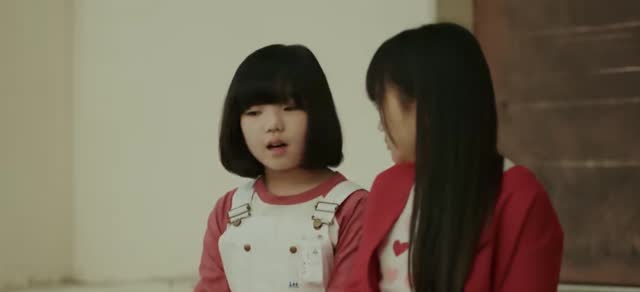
ブラッシュアップライフ Episode 9 Made them do a courtesy trade again still

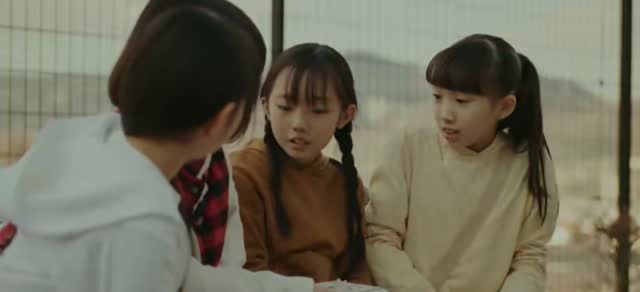
As elementary school kids, Asami and Mari join Natsuki and Miho's sticker trade. Both girls pick only the least valuable common stickers, and Asami thinks it has turned into a courtesy trade.
  1. 麻美(心)

    (Even so, I did at least try the sticker trade.)

  2. 麻美

    Let us join in too.

  3. 美穂/夏希

    It's fine, right? / Yeah, sure.

  4. 美穂/真里

    Then I'll give this one to Mari. / Thanks.

  5. 美穂/麻美

    I'll give this one to Asami. / Thank you.

  6. 真里/麻美

    Oh, then pick whichever you like. / Same for me.

  7. 美穂

    Really?

  8. 美穂

    Then... I'll take this one.

  9. 真里

    This one?

  10. 夏希

    I like this one.

  11. 麻美

    Huh, this one's okay?

  12. 美穂/夏希

    Yeah. / Yeah.

  13. 麻美(心)

    (I made them do a courtesy trade again.)

Speaking notes

させてしまった

causative + "-te shimau": "I caused this, and I regret it"

「また接待交換させてしまった」 = "I made them do a courtesy trade again."
Two layers stacked:
• Causative (させる) = I'm the one who made them do that (the responsibility is mine)
• 〜てしまった = something happened that shouldn't have (regret)
⚠ "Causative + てしまう" is the standard Japanese combination for "I burdened someone," and it almost always carries self-reproach: 待たせてしまった (I'm sorry to have kept you waiting), 心配させてしまった (I made you worry), 気を使わせてしまった (I put you to the trouble; the causative form of this episode's key word).
Note that Asami does not say 「また接待交換になった」 ("it turned into a courtesy trade again"); that would merely describe what happened. By using the causative, she takes the whole thing on herself: it's my presence that forced them into this.

接待交換

Asami's coined term from Episode 6, now back

「接待交換」 is a word Asami made up, first heard in Episode 6.
接待 = business entertaining (taking clients out for dinner, drinks or golf; one of the core words of Japanese workplace culture).
Welded onto 「シール交換」, it becomes "a trade that is equal in name, but in reality one side is playing host to the other."
Why Natsuki and Miho only pick the least valuable stickers: they give the answer themselves in Episode 9, scene 17: 「嫌われたくなかった」, 「変なシールあげて つまんないとか思われたら嫌じゃん」.
In other words, Asami thought she was being looked after, while the other girls were afraid of being disliked. The same action was read in opposite ways by each side, and that is the knot Episode 9, scene 17 untangles.

混ぜて

kids' way to ask to join a game in progress

「私たちも混ぜて」 = "Let us join in too / Count us in."
混ぜる basically means "to stir, to mix," and children use it to ask to join a group already playing (=mix me in).
Similar kids' phrases: 入れて (let me in), 仲間に入れて (count me in), かして (let me have a turn).
⚠ For an adult, saying 「ご一緒してもいいですか」 or 「混ぜてください」 would sound deliberately cute.
The poignancy of this line: a person who has lived over a hundred years crouches down and asks two little girls in a schoolchild's words to let her join, and this is already her fifth attempt.

Key vocabulary

試みる こころみる
to try, to attempt. More formal than 「やってみる」.
接待 せったい
(business) entertaining, hospitality.
混ぜる まぜる
to mix, to blend in. Used by children when asking to join in.
シール
sticker ("seal"). Social currency among Japanese schoolchildren in the 1990s.

↑ Scenes on this page

I didn't want to put them out

This scene

ブラッシュアップライフ Episode 9 I didn't want to put them out still

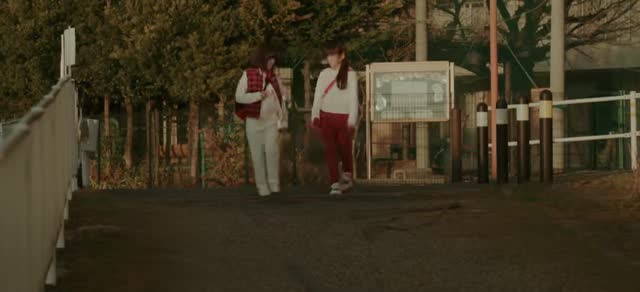
On the way home from school, the girls split up. Mari was supposed to go the other way but followed Asami, saying she didn't want to make Natsuki and Miho feel obliged; Asami invites her over to watch anime.
  1. 麻美

    Mari-rin, isn't your way over there?

  2. 真里

    Yeah, over there.

  3. 麻美

    Huh, then why did you come this way?

  4. 真里

    I just kind of... did, without thinking.

  5. 麻美

    It was a chance to talk with those two more, though.

  6. 真里

    No, I just thought I might make them feel they had to be nice to me.

  7. 麻美/真里

    I see. / Yeah.

  8. 麻美

    Want to stop by my place?

  9. 真里

    Yeah.

  10. 麻美

    Then let's watch some anime or something.

  11. 麻美(心)

    (The Ninja Rantaro we watched together after that

  12. 麻美(心)

    somehow hit me harder than usual.)

Speaking notes

気使わしちゃう

casual causative "-sasu": making someone go to the trouble

「気使わしちゃう」 = 「気を使わせてしまう」 = "I'd make them go out of their way for me."
⚠ This is a listening hurdle: in casual speech (especially west of Kansai and widely in everyday talk), the causative 「〜させる」 often shrinks to 「〜さす」:
• 使わせる → 使わす → 使わし(て)
• 行かせる → 行かす, 待たせる → 待たす, 食べさせる → 食べさす
So 「気使わしちゃう」 = 気を使わせてしまう.
In meaning, this is the third form of this episode's key word:
• 気を使う (I look out for you) = Episode 9, scene 2
• 気を使われる (being looked after, which is a burden) = Episode 6, Episode 9, scene 17
• 気を使わせる (making the other person go to the trouble, which is rude and calls for an apology) = here
Mari would rather take a detour than put two girls she barely knows in an awkward position. And the irony is that this very thoughtfulness is what keeps the distance from closing.

つい

doing something without meaning to

つい = without thinking, before one knows it (did it unintentionally).
The core is "not intended, couldn't help it," so it is often followed by the regretful 「〜てしまう」: つい食べちゃった (I ate it before I could stop myself), つい言っちゃった (it just slipped out), つい笑っちゃう (I can't help laughing).
⚠ Differences from similar words:
• つい = unconsciously (you didn't expect it yourself)
• うっかり = a slip caused by carelessness or inattention
• 思わず = reflexively, moved by a feeling (思わず涙が出た)
With just 「何かつい…」, Mari settles the nature of the whole thing: she has no intention of explaining, because the real reason would be too heavy to say.

染みた

to soak in; to sink deeply into one's feelings

「いつもより染みた」 = "It hit me harder than usual."
染みる basically means "to soak in, to permeate" (of a liquid), extended to mean a feeling slowly seeping into the heart.
Common uses: 心に染みる (to touch one's heart deeply), 身に染みる (to feel keenly), 目に染みる (to sting the eyes), しみじみ (deeply, with feeling).
⚠ The feeling of 「染みる」 is slow and soaking, quite different from 「感動した」 (being moved on the spot).
What makes this line work is that it explains nothing: two people over a hundred years old watching a children's cartoon after school, and the script never says why it "hit harder than usual."

Key vocabulary

つい
without thinking, before one knows it.
寄る よる
to drop in, to stop by (on the way).
染みる しみる
to soak in; to sink into one's heart, to be deeply felt.
チャンス
chance, opportunity.

↑ Scenes on this page

The closing-down sale theory

This scene

ブラッシュアップライフ Episode 9 The closing-down sale theory still

On the night of the coming-of-age ceremony, Asami and Mari talk about how every experience becomes precious once you are told it is the last. They call this the closing-down sale theory and use Kashiwagi Udon as an example.
  1. 麻美/真里

    Hey, don't you think it's kind of strange? / What is?

  2. 麻美

    When you're told "this is the last time,"

  3. 麻美

    doesn't every experience start to seem precious?

  4. 真里

    True. Though originally every time was supposed to be the last.

  5. 麻美

    Right? It's not like I've been living carelessly up to now,

  6. 麻美

    not at all. But when you're told "it's the last,"

  7. 麻美/真里

    you think, "I've got to live carefully." / That's it.

  8. 真里/麻美

    The closing-down sale theory. / The Kashiwagi Udon theory, you mean.

  9. 真里

    Kashiwagi Udon! Wow, that takes me way back.

  10. 麻美

    Kashiwagi Udon was packed right before it closed, too.

  11. 真里

    It was packed! Everybody, even though they'd never gone before,

  12. 真里

    suddenly swarmed in at the very end,

  13. 真里

    so the people who'd been going all along couldn't get in.

Speaking notes

~くせに

"even though you..." with blame and contempt

「今まで行かなかったくせに」 = "even though you never went before (you...)"
⚠ 〜くせに and 〜のに both mean "even though…", but the tone differs greatly:
• 〜のに = regret, surprise (neutral, a bit wistful). 「頑張ったのに」 = even though I tried hard (it didn't work)
• 〜くせに = blame, looking down on someone (strongly negative feeling). 「知らないくせに」 = even though you don't know anything (you go on talking)
Restriction: the subject of くせに is normally a person, and it is used only to criticize someone else (or oneself, self-mockingly); it can't describe natural phenomena.
Common examples: 子どものくせに (even though you're just a child), できないくせに (even though you can't do it).
Mari uses 「くせに」 because she was one of those people herself; in the next exchange Asami promptly calls her out: 「殺到した側じゃん」.

閉店セール理論

naming an everyday psychological pattern as a "theory"

Naming an everyday psychological phenomenon as a "〇〇理論" (so-and-so theory) is a game this drama plays repeatedly.
閉店セール = a store's closing-down clearance sale. People who never visited suddenly flock in when they hear it's closing, because the label "last time" itself creates value.
Asami immediately localizes it into 「柏木うどん理論」: Kashiwagi Udon is the udon shop that went out of business, which Natsuki and Miho talked about in Episode 7 (the background of Episode 7, scene 3). A classic payoff of an earlier setup: a throwaway line becomes the name of a theory two episodes later.
⚠ The grammar worth remembering is 「あれだ」 = "that's it, that thing." When recalling a concept both people know, Japanese first says 「あれだ」 to hold the spot, then names it. Extremely common.

~に思えてくる

"-te kuru": a feeling gradually coming over you

「貴重に思えてこない?」 = "Doesn't it start to feel precious?"
Breakdown: 思う → 思える (spontaneous/potential: it comes to seem so naturally) → 思えてくる (〜てくる: the change progresses toward the present) → negative question 〜てこない? (= don't you feel that?).
⚠ When 「〜てくる」 shows change, it means "gradually becoming so, from the past up to now"; the counterpart 「〜ていく」 means "gradually changing from now toward the future."
• 寒くなってきた (it's been getting colder, and that has already happened)
• 寒くなっていく (it will keep getting colder from here)
The spontaneous form 「思える」 is the key: not "I decide to regard it as precious," but "it becomes precious on its own," which is exactly the scary thing about the "last time" label: it doesn't need your consent.

Key vocabulary

貴重 きちょう
precious, valuable.
雑 ざつ
rough, careless. 「雑に生きる」 = to live carelessly.
閉店セール へいてんセール
closing-down sale.
殺到 さっとう
to rush in, to flock to.
直前 ちょくぜん
the moment right before (something happens).

↑ Scenes on this page

"Tsubo instructors" and getting "tsubo-ed"

This scene

ブラッシュアップライフ Episode 9 "Tsubo instructors" and getting "tsubo-ed" still

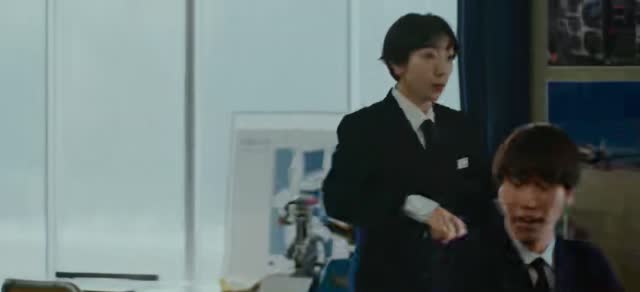
At the flight school, Takahashi and Hirokawa talk about being scolded by an instructor. Asami explains the school's slang in her head: a strict instructor is a "tsubo instructor" and being scolded is being "tsubo-ed"; she and her friends already used it in junior high.
  1. 麻美(心)

    (By the way, the flight school has its own slang.)

  2. 高橋

    Speaking of which, this morning Minagawa

  3. 高橋

    was told "If you can't do it on the ground, there's no way you can do it in the air," and

  4. 高橋/広川

    got tsubo-ed. / Oh, me too, yesterday...

  5. 広川

    My cross-check was slow, so I got totally tsubo-ed.

  6. 麻美

    That guy is seriously a tsubo instructor.

  7. 麻美(心)

    (A "tsubo instructor" means a strict instructor,

  8. 麻美(心)

    and being scolded by a strict instructor or captain

  9. 麻美(心)

    is called "getting tsubo-ed.")

  10. 麻美(心)

    (Incidentally, I...)

  11. 麻美(回想)

    [Natchi and Gon-chan, by Mita-kong,

  12. 麻美/真里(回想)

    got tsubo-ed, you know.] / [Why?]

  13. 麻美(回想)

    [Apparently they passed a note in class, and he even stopped the lesson

  14. 麻美(回想)/麻美(心)

    and tsubo'd them in front of everybody.] (We'd been using it since junior high.)

Speaking notes

ツボられる

slang noun turned verb, then passive

「ツボる」 is this school's slang for (an instructor) giving someone a harsh scolding, and 「ツボられる」 is its passive form = to get scolded.
What's worth noticing is how flexibly Japanese builds words:
① Noun 「ツボ」 → verb 「ツボる」 (noun + る to make a verb is Japan's most productive word-formation pattern: ググる (to google), 事故る (to have an accident), パニクる (to panic), サボる (to skip work, from "sabotage"))
② Then the passive 「ツボられる」, and a noun compound 「ツボ教官」
So even slang of unknown origin fits straight into the full conjugation system. Once you know the conjugation rules, you can work out new words you've never seen.
⚠ 「ツボんの」 = a contraction of 「ツボるの」 (ら-row → ん, which recurs in this drama).

~とは~のことで

"X towa Y no koto de...": the pattern for defining a term

「『ツボ教官』とは、厳しい教官のことで…」 = "A 'tsubo instructor' means a strict instructor, and..."
〜とは〜のことだ = "X means Y", the fixed pattern for giving a definition.
In this drama the pattern is a signal: it was used for explanations in Episode 4, and in Episode 6 it was used to explain a whole set of show-business jargon in one go: 番手、トメ、特別出演、友情出演.
In listening, just catching 「〜とは」 tells you that a term explanation follows, so you can relax and follow along.
⚠ Don't confuse the two 「とは」:
• The defining とは (=というものは): 「愛とは何か」 (What is love?)
• The surprised とは (=to think that…): 「まさか本人希望のシフトだったとは」 (this usage appears around Episode 9, scene 18)

わざわざ

"going out of one's way": thanks or sarcasm by context

わざわざ = going out of one's way, specially (doing what wasn't necessary).
⚠ It has two faces, depending entirely on context:
• Gratitude: 「わざわざ来ていただいてありがとうございます」 (thank you for making a special trip)
• Sarcasm (here): 「わざわざ授業中断して みんなの前でツボんの」 = "He even stops the lesson on purpose and scolds them in front of everyone", meaning "there was absolutely no need for that, and you did it anyway."
Other adverbs that carry the speaker's attitude: せっかく (with great effort or rare chance; see Episode 8), あえて (deliberately, though it wasn't necessary; see Episode 7), いちいち (one by one, annoyingly).
These adverbs don't change the facts of a sentence, only the speaker's attitude, which makes them hidden switches of emotion in Japanese.

Key vocabulary

教官 きょうかん
instructor (military, flight school, driving school, etc.).
独自 どくじ
one's own, unique, distinctive.
クロスチェック
cross-check (aviation term: two crew members verify each other's work).
中断 ちゅうだん
interruption, to interrupt.
わざわざ
going out of one's way, specially (with the sense of "when it wasn't necessary").

↑ Scenes on this page

It felt like turning into a bird

This scene

ブラッシュアップライフ Episode 9 It felt like turning into a bird still

Asami is flying a plane herself for the first time. She says she used to be afraid of flying but found it felt like becoming a bird once airborne; Mari agrees with her again and again.
  1. 麻美/真里

    This is amazing! / Amazing? What is?

  2. 麻美

    Actually, I used to be bad with planes.

  3. 真里/麻美

    Oh, really? / Yeah.

  4. 麻美

    So I was pretty scared right up until takeoff,

  5. 麻美

    but once I actually flew, it feels really good.

  6. 真里/麻美

    Right, it feels good, doesn't it. / It feels good.

  7. 真里/麻美

    It feels like you've turned into a bird. / I was really moved.

  8. 真里

    I know. At the moment you lift off, it really feels like you've become a bird.

  9. 麻美

    Of course I was nervous too, but it was even more fun than that.

  10. 真里

    Right, my first flight felt like turning into a bird too.

  11. 麻美

    Wow, you can't really experience that feeling anywhere else.

  12. 真里

    Right, you can't really experience that bird feeling anywhere else.

  13. 麻美

    Maybe I'm cut out for this job.

  14. 麻美(心)

    (And so my first flight ever

  15. 麻美(心)

    didn't feel like being a bird,

  16. 麻美(心)/真里

    but ended safely in success.) / It was just like a bird, as always.

Speaking notes

~になった気分

"feels as if I've become...": not literal, just a feeling

「鳥になった気分」 = "a feeling as if I've become a bird."
〜になった気分 = (of course not for real) but it feels like having become…. Note the past form 「なった」: a completed change of state, plus 「気分」, gives "as if it had already happened."
Similar: 王様になった気分 (feeling like a king), 主人公になった気分 (feeling like the protagonist), 夢を見ている気分 (feeling like I'm dreaming).
⚠ Differences: 〜気分 (a passing mood or feeling) / 〜気持ち (a deeper inner emotion) / 〜感じ (impression or look, the most casual).
The whole gag rests on Mari saying this phrase four times: she clearly loves the expression 「鳥になった気分」, and Asami never picks it up even once. In the end the script itself comments: 「鳥になった気分ではなかったけど」.

味わえない

"nakanaka" + negative: not easily, can't readily

「なかなか他では味わえない」 = "you can't easily experience that anywhere else."
• 味わう (to savor, to experience) → 味わえる (potential) → 味わえない
• なかなか + negative = not easily, hardly ever… (not "quite not")
⚠ 「なかなか」 has two faces, distinguished by whether a positive or a negative follows:
• なかなか + positive = quite, rather (praise). 「なかなかおいしい」 = quite tasty
• なかなか + negative = just won't…, not easily. 「なかなか来ない」 = it just won't come, no matter how long I wait
Both appear in this drama: 「なかなか言えない」 (can't bring myself to say it) in Episode 8, and 「なかなか味わえない」 here.

ビビる / 向いてる

slang "to chicken out"; "mukiteru" = suited to

①ビビる = to be scared, to get cold feet, to chicken out. A verb made from the mimetic 「ビクビク」 family, casual speech, not used in formal settings. Related: ビビリ (a scaredy-cat), ビビらせる (to scare someone).
②〜に向いている = to be suited to…
⚠ Keep the three 「向く」 patterns apart:
• この仕事に向いている = (a person) is suited to this job
• この仕事は私に向いている = this job suits me (the subject can swap)
• 子ども向け = aimed at children (向け = made for a certain audience)
The 「かも」 (=かもしれない) in 「向いてるかも」 is Japanese's cushion for self-praise: saying "I might be rather suited to it" is much safer than "I'm well suited to it."

Key vocabulary

苦手 にがて
to be bad at, to dislike (something).
ビビる
to be scared, to get cold feet. Casual.
浮き上がる うきあがる
to float up, to rise.
味わう あじわう
to savor, to experience fully.
相変わらず あいかわらず
as always, as ever.

↑ Scenes on this page

Back to ブラッシュアップライフ