LearnWithSubs

ブラッシュアップライフ Episode 8

This episode collects 19 dialogue scenes: confessions between friends, probing someone with a chosen word, complaining "why didn't you tell me sooner?", setting the stage before telling a story from the past, wording before a heavy topic, small talk between senior and junior colleagues, and a question at the counter. The main focus is expressions for probing and for leading into a topic, plus young people's trendy words.

Language highlights

  • 「鎌をかける」(to fish for information by baiting someone)
  • 「盛れてる」(looking better in a photo than in real life)
  • 「何がムカつくって」(a construction that sets up the point before stating it)
  • 「使い回し」(reusing the same thing again and again)
  • 「〜わけじゃない」(partial negation: it's not that...)
  • 「〜どころか」(not even... but far beyond it)
  • 「なぞる」(to trace along an existing line)

Scenes on this page

  1. "I'm on my fifth"

    Scene 1 · 0:44

    Expressions: 大丈夫 私もだから, やっと話せる時が来た, 何周目?

  2. She's been testing me with 「盛れてる」 and ジャスコ

    Scene 2 · 0:39

    Expressions: 鎌をかける, 盛れてる, イオン と ジャスコ

  3. Why didn't you tell me sooner?

    Scene 3 · 0:33

    Expressions: 言ってくれればよかったのに, 万が一違ったら, さりげなく

  4. Termites from southeast Guatemala, with a borrowed photo

    Scene 4 · 0:37

    Expressions: 食べられてるシロアリ, 何がムカつくって, 使い回し

  5. Mid-to-low grades, and the group of four

    Scene 5 · 0:54

    Expressions: ~どころか(第7集の再出), イメージが湧かない, 順を追って

  6. Mi-pon is actually driving

    Scene 6 · 0:29

    Expressions: 「あの」+人名 の面白さ, 感慨深い, そろってるし

  7. What counts as success for a ceremony heckler?

    Scene 7 · 0:42

    Expressions: 憧れの成人式暴れ, どうなったら成功なの?, ~てんだ / ~てんだよ

  8. "I went out with Fuku"

    Scene 8 · 0:35

    Expressions: 魔が差した, 狙ってた, 教えてくれたの あーちんたちだからね

  9. Natsuki and Miho have died

    Scene 9 · 0:51

    Expressions: ~ないように, かいつまんで話す, 死んじゃった

  10. Saving only your friends and letting others die?

    Scene 10 · 0:41

    Expressions: 乗らせなきゃいい, 仮に~としても, 見殺し

  11. Because I couldn't think of any other way

    Scene 11 · 0:36

    Expressions: 近寄りがたさ, その方法しか思い浮かばなかった, ~さえ~ば

  12. It happened because of me

    Scene 12 · 0:42

    Expressions: 待たせた / ずらせてた, ~につながる, 乗せてもらえない

  13. Pilots can't choose which flight to fly

    Scene 13 · 0:44

    Expressions: ~わけじゃない, 気を取られる, よそ見

  14. This time it's absolutely fine

    Scene 14 · 0:37

    Expressions: 今度は絶対に大丈夫, 私にできることある?, 気を付けてね

  15. Looking back, it was a lie

    Scene 15 · 0:34

    Expressions: 心配させないためのウソ, いつの間にか, 今思えば

  16. Eighth lap, tracing the same life each time

    Scene 16 · 0:33

    Expressions: なぞる, 自分的に / ほぼほぼ / それこそ, 斬新な楽しみ方

  17. Next life: human. Then I'll start over

    Scene 17 · 0:48

    Expressions: やり直せますかね?, 一応 / あくまでも / フリー素材, いってらっしゃいませ

  18. Um... can I start over?

    Scene 18 · 0:35

    Expressions: やっぱり, お入りください / 進んでいただきますと, お伝えすることになってまして

  19. Not for karma this time, just for her happiness

    Scene 19 · 0:42

    Expressions: 幸せになってほしい, 引っかかったらダメだよ, おまじない

Speed
All scenes

"I'm on my fifth"

This scene

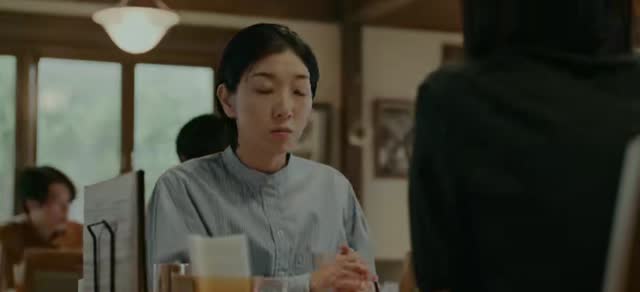
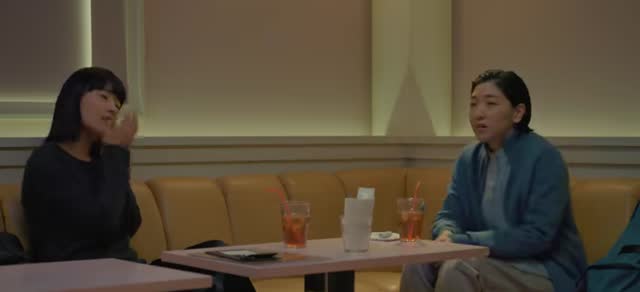
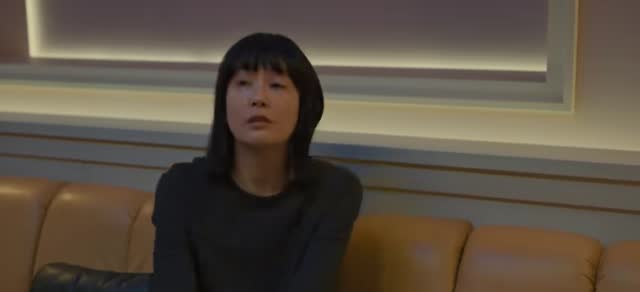
ブラッシュアップライフ Episode 8 "I'm on my fifth" still

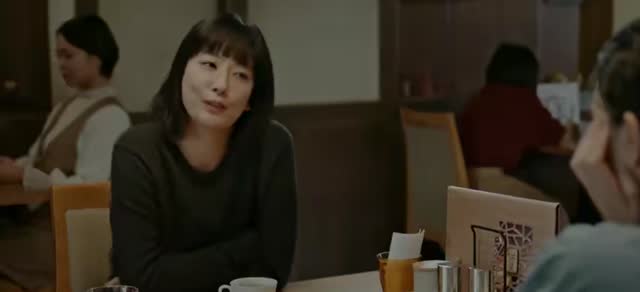
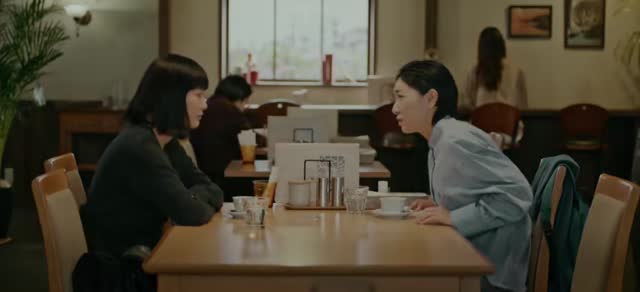
Mari asks Asami which time through life she is on, and says she is the same. Asami answers that it's her fourth, and Mari says she is on her fifth.
  1. 真里/麻美

    A-chin, which lap are you on? / Huh? What?

  2. 真里

    Which lap? Of life.

  3. 麻美

    Of life...?

  4. 真里

    This isn't your first, is it?

  5. 麻美

    Huh...?

  6. 真里

    It's okay, because I'm the same.

  7. 麻美

    Really?

  8. 真里

    A-chin, which lap are you on?

  9. 麻美

    My fourth...

  10. 真里

    I see.

  11. 真里

    I'm on my fifth.

  12. 麻美

    Haa...

  13. 真里

    I'm so glad! The time has finally come when I can talk about it.

Speaking notes

大丈夫 私もだから

大丈夫 私もだから: one 「も」 shows all her cards

Asami is stunned, and Mari says only「私もだから」, with no subject and no verb at all.
The function of 「も」 in Japanese is "you and I are in the same category", and what that category is depends entirely on context. Here the previous line is「1周目じゃないよね?」, so 「私も」 = "I'm not on my first lap either."
Why not say it in full: spelling it out (「私もやり直してるんだよ」) would sound like explaining or selling something; saying only 「私も」 assumes the other person already understands, and that in itself is a kind of closeness. Mari has waited all these years, and this moment of "no explanation needed" is exactly what she wanted.
⚠ 「だから」 here doesn't mean "therefore"; it is the sentence-final "because..." (a spoken shortening of 〜んだから), giving the reason for the previous「大丈夫」.
やっと話せる時が来た

やっと話せる時が来た: potential form + 「やっと」

「話せる」 is the potential form of「話す」: it's not "I didn't want to talk" but "I couldn't talk", because no one would understand and she'd just be taken for a lunatic.
やっと = at long last, finally, used only for things the speaker has long hoped for (for a bad outcome you'd use「ついに」 or「とうとう」).
So the weight of this line is: being able to say it out loud at all is something she waited for her entire life.
Compare: やっと来た (it finally came, something awaited) / ついに来た (it's come at last, possibly bad).

何周目?

何周目?: a question that contains its premise (continued from Episode 7)

As covered in Episode 7, Mari doesn't ask "are you on your second time?" but goes straight to「何周目?」: a question word that presupposes "you're definitely past your first lap," so answering it means accepting the premise.
This episode opens with「何周目?」 asked three times, and after the third, Asami finally answers「4周目…」.
周目 (しゅうめ) comes from video-game talk: after clearing a game, you replay it with your memories intact. The whole drama uses this word instead of「人生をやり直す」.

Key vocabulary

周目 しゅうめ
Which lap / which playthrough. From video games.
やっと
At last, finally. Used only for things long hoped for.
~もだから
"Because I'm the same, you know." 「も」 marks the same category, and 「だから」 is a sentence-final reason.

↑ Scenes on this page

She's been testing me with 「盛れてる」 and ジャスコ

This scene

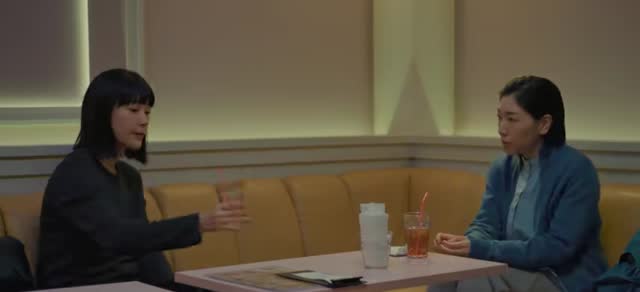
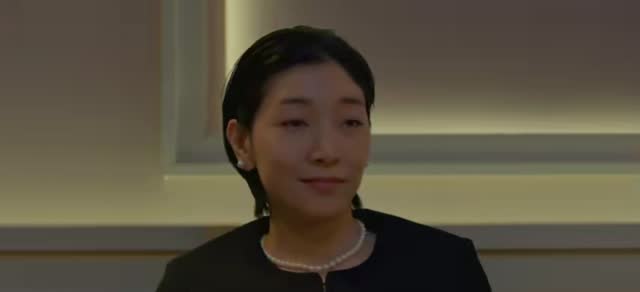
ブラッシュアップライフ Episode 8 She's been testing me with 「盛れてる」 and ジャスコ still

Mari recounts two times she tested Asami back then: she used the word 「盛れてる」 when taking purikura, before it existed, and said "Aeon" when the mall was still called Jusco. Asami went along with both.
  1. 真里

    By the way, there were a few times I tried to trick you, A-chin.

  2. 麻美

    What?! How?

  3. 真里

    This one. When we took this one,

  4. 真里

    I said 「盛れてるね」 ("we look great in this"),

  5. 真里

    and you said 「盛れてる」 too.

  6. 真里(回想)

    (Flashback) This one makes both of us look even better, doesn't it?

  7. 麻美(回想)

    (Flashback) 盛れてる.

  8. 真里

    At that time, the word 「盛れてる」 didn't exist yet.

  9. 麻美

    Wow, I didn't notice at all.

  10. 真里

    And then on the way home, I brought up Aeon.

  11. 真里(回想)

    (Flashback) Until now, the only place to hang out was Aeon, wasn't it?

  12. 麻美(回想)

    (Flashback) Yeah, right.

  13. 真里

    Back then it wasn't Aeon yet, it was Jusco.

  14. 麻美

    No way...

Speaking notes

鎌をかける

鎌をかける: to fish for information

「鎌をかける」 = to say something deliberately to lure the other person into giving themselves away.
The etymology has several theories; the most common is the action of a sickle (鎌) hooking something: pulling the truth out with words.
Usage: 鎌をかける/鎌をかけられる. In speech it is sometimes shortened to「かまかける」, and here it appears as「かけたことあんだよね」 (= かけたことがあるんだよね, with が and る dropped).
⚠ The word isn't strictly negative; it is a neutral "probing", but it always implies "not asking directly, going around the question."

盛れてる

盛れてる: words have a "birth year"

「盛れてる」 = (in a photo or makeup) looking better than in real life. It comes from「盛る」 (to pile up, to add more), and spread in the late 2000s along with purikura and selfie culture; before that it didn't exist.
What's clever about Mari's test: she doesn't ask "are you a person who got a second chance?" but tosses out a word that shouldn't exist yet in that era and sees whether the other person picks it up naturally. If they do, their vocabulary comes from the future.
This is a lesson learners of Japanese should especially remember: words have a "year of birth." ヤバい (in its positive sense), エモい, KY, 映える: use them in the wrong era and, to Japanese ears, it sounds like a costume slip-up.

イオン と ジャスコ

イオン and ジャスコ: proper nouns betray the era too

ジャスコ (Jusco) was renamed イオン (Aeon) around 2011. So in the years when the two were in middle school, that store could only be called「ジャスコ」.
That is Mari's second test. Chain stores, train stations and organizations changing names are hard evidence for dating something.
(In Episode 7, Asami said exactly「今までイオンくらいしか遊ぶとこなかったもんね」, and it was noted on the spot.)
⚠ Incidentally: Japanese people still often call a renamed store by its old name, so in real life this wouldn't be conclusive proof, but it works in the show.

全然気付かなかった

全然気付かなかった: 「全然」 + negative

The standard use of 「全然」 is with a negative: 全然 + 〜ない = not at all.
⚠ But in modern speech「全然大丈夫」 and「全然いいよ」 (with an affirmative) are already very common, and appear plenty in this show too (later in Episode 8 there is「全然大丈夫です」). For exams, write it with a negative; for listening, be ready to accept it with an affirmative. It is a point where Japanese is changing.

Key vocabulary

鎌をかける かまをかける
To fish for information, to set a trap.
盛れる もれる
(Of a photo or makeup) looking better than the real person. A new word of the late 2000s.
ジャスコ
Jusco, a Japanese supermarket chain, renamed イオン (Aeon) around 2011.
マジか
No way, seriously? 「マジ」 is short for「真面目」.

↑ Scenes on this page

Why didn't you tell me sooner?

This scene

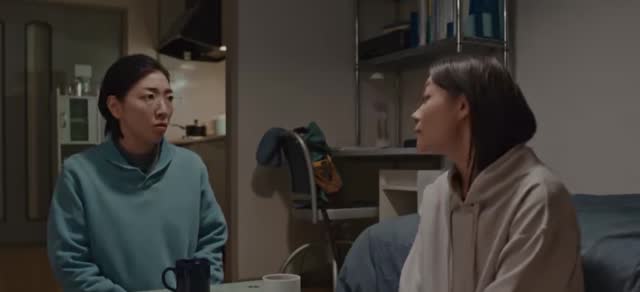
ブラッシュアップライフ Episode 8 Why didn't you tell me sooner? still

Asami complains that Mari should have told her earlier. Mari says she was afraid of guessing wrong and being taken for a weirdo, losing the friendship they had finally built. Asami suggests using a signal only people who've started over would understand.
  1. 麻美

    But if you noticed that long ago,

  2. 麻美

    you could have told me sooner, you know.

  3. 真里/麻美

    It's not that easy to say. / Why not?

  4. 真里

    Because if I was wrong, they'd think I'm some weirdo.

  5. 真里/麻美

    When we'd finally become friends. / Oh, but still,

  6. 麻美

    even if you don't ask directly, you could, like, send a signal

  7. 麻美

    only people who've started over would understand.

  8. 真里/麻美

    A signal? / Like what? For example,

  9. 麻美

    if you were on your fifth lap, you'd casually do, like... how should I say...

  10. 麻美/真里

    do it like this, or something. / No, I don't get it, I don't get it.

  11. 真里/麻美

    People would just go "huh?" and that'd be the end of it. / You think?

Speaking notes

言ってくれればよかったのに

言ってくれればよかったのに: giving/receiving + counterfactual + のに

This one line stacks three layers, and is a textbook sentence for complaining in Japanese:
1. 言ってくれる = a giving/receiving verb, you do it for me (the favor comes toward me). So this is not an accusation, it's "if you had been willing to say it for me."
2. 〜ばよかった = something that didn't happen in the past, "it would have been nice if..." (counterfactual).
3. 〜のに = regret, disappointment, a gentle complaint, and the sentence trails off here.
Altogether: "You could have told me, you know." The complaint is mixed with coaxing and has no blame in it at all.
⚠ The difference: 言えばよかった (I should have said it, regretting myself) / 言ってくれればよかった (you should have told me, complaining to the other). The whole difference is in くれる.

万が一違ったら

万が一違ったら: the whole reason for Mari's loneliness

万が一 = one in ten thousand, i.e. "just in case". It is always followed by a conditional.
What Mari fears is not being wrong itself but「ヤバい奴だって思われる」: a passive, being seen that way. She can't control what others think and can only bear it.
Add「せっかく仲良くなれたのに」: せっかく = after all the effort, なれた = past of the potential form (becoming friends was something she managed through effort; see the part in Episode 7 where she was afraid of being refused), and のに = regret that it would be lost.
Three grammatical pieces form one sentence: she would rather stay lonely for another long stretch than gamble this friendship.

さりげなく

さりげなく: a very Japanese word

さりげなく = unobtrusively, nonchalantly, without making it noticeable.
The etymology is「然り気なく」, "not looking as though it is so", that is, not letting people see your intent.
This is a highly Japanese word of praise: さりげない優しさ (unobtrusive kindness) is very high praise, because "not letting the other person notice you're doing something for them" is considered harder than doing the thing itself.
(Compare 「気を使われている」 in Episodes 6 and 7: consideration that gets noticed becomes a burden.)

Key vocabulary

なかなか~ない
Not easily..., not readily... Here 「なかなか言えない」 = can't bring myself to say it.
万が一 まんがいち
Just in case, on the off chance. Followed by a hypothetical.
せっかく
After all the effort, specially. Often paired with 「のに」 to express regret.
さりげなく
Unobtrusively, without leaving a trace.

↑ Scenes on this page

Termites from southeast Guatemala, with a borrowed photo

This scene

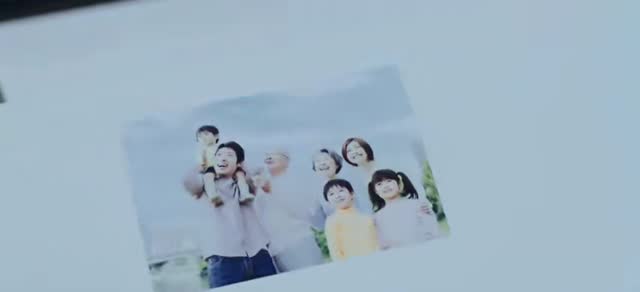
ブラッシュアップライフ Episode 8 Termites from southeast Guatemala, with a borrowed photo still

Mari and Asami compare the afterlives they were each told about. Mari says her very first one was a termite from southeast Guatemala, and the photo the counter clerk showed her was borrowed from a giant anteater's.
  1. 麻美/真里

    Marin, what were you told you'd be in your next life? / Me?

  2. 真里

    Um... the very first time,

  3. 真里

    a termite from southeast Guatemala.

  4. 麻美

    Hm?

  5. 真里/麻美

    A termite from southeast Guatemala. / A termite?

  6. 真里

    One of those termites that get eaten like crazy by giant anteaters.

  7. 麻美

    Wow.

  8. 真里/麻美

    Pretty awful, right? / Yeah, awful.

  9. 真里

    Getting eaten by a tongue like that, I shiver just imagining it.

  10. 麻美/真里

    Yeah. / And you know what really makes me mad?

  11. 真里

    The photo of a termite they showed me back then

  12. 真里

    was reused from the giant anteater's photo. Isn't that terrible?

Speaking notes

食べられてるシロアリ

食べられてるシロアリ: passive + ている + noun modification

「オオアリクイに食べられてるシロアリ」 = "a termite that is being eaten by a giant anteater."
Three layers: 食べる → 食べられる (passive) → 食べられている (is being...) → modifying シロアリ.
⚠ In the passive, the agent is marked with「に」: オオアリクイに食べられる.
The dark humor lies in the tense: not "a termite that will be eaten" but "a termite that is being eaten". Her afterlife is not a termite but a termite stuck forever in the moment of being eaten. Japanese 「〜ている」 pins that moment down.
(Compare Asami's 「ムラサキウニ」 in Episode 7: at least a sea urchin isn't being eaten.)

何がムカつくって

何がムカつくって: a spoken construction that sets up the topic first

「何がムカつくって,〜」 = "what makes me really mad is..."
This is the 「何が〜って」 pattern: throw out the question word first, answer it yourself, and thereby emphasize what follows.
Similar: 何がすごいって、値段だよ (what's amazing is the price), 誰が来たって、社長だよ (guess who came: the president).
⚠ This 「って」 isn't a quotation; it marks the topic (a spoken version of 〜かというと). It's the standard way to build suspense in spoken Japanese and very common in listening.

使い回し

使い回し: 「回し」 means reuse

使い回し = using the same thing over and over in different places (images, materials, parts). It usually has a negative tone: lazy, perfunctory.
Verb ます-stem + 回す = to ... around, to ... repeatedly: 使い回す (use repeatedly), 言い回し (a way of phrasing), 乗り回す (drive around), 振り回す (swing around / push someone around).
The joke here: even for something like "what you'll be in your next life", the counter just fobs her off with stock images, and the photo's main subject is the very anteater that eats her.

ゾッとする

ゾッとする: mimetic word + する

ゾッとする = to shudder, to get chills (from fear).
「想像しただけでゾッとする」 = "I get chills just imagining it." 〜ただけで = just by...
Similar mimetic-word verbs: ハッとする (be startled), ホッとする (breathe a sigh of relief), ドキッとする (one's heart skips), ムカつく (get angry; also used in this line). These words are the main workhorses of emotional expression in Japanese; learn them together with the physical sensation.

Key vocabulary

シロアリ
Termite. Written 「白蟻」.
オオアリクイ
Giant anteater. Written 「大蟻食」.
ムカつく
To get angry, to be irked. Originally meant to feel nauseous.
使い回し つかいまわし
To reuse the same thing repeatedly (mostly negative).
最悪 さいあく
The worst. In speech 「最悪!」 on its own means "terrible!"

↑ Scenes on this page

Mid-to-low grades, and the group of four

This scene

ブラッシュアップライフ Episode 8 Mid-to-low grades, and the group of four still

Mari asks Asami what kind of person she was in Asami's memory. Asami says she was always a model student, but Mari says no: her grades were only below average at first, and the two of them were originally in a group of four.
  1. 真里

    In your memory, what kind of person was I?

  2. 麻美

    Image? Well, to me you've always been a model student.

  3. 麻美

    So until this fourth lap, we'd hardly ever even talked.

  4. 真里/麻美

    So it did start from there. / Hm?

  5. 麻美

    Wait, what do you mean? Isn't that right?

  6. 真里/麻美

    Not at all. / Huh?

  7. 真里

    My first lap? Not a model student, not even close. I was below the middle.

  8. 麻美

    Huh? I can't picture that at all.

  9. 麻美/真里

    Wait a second, huh? / And what's more, originally,

  10. 真里

    it was me, you, Natchi and Mi-pon,

  11. 真里/麻美

    we were a group of four. / Huh...?

  12. 麻美/真里

    Wait, really? / Yeah.

  13. 真里/麻美

    It's confusing, I know. / Yeah.

  14. 真里

    I'll explain it in order.

Speaking notes

~どころか(第7集の再出)

〜どころか (appearing again from Episode 7)

「優等生どころか中の下」 = "not a model student, but below average".
You met this grammar point in Episode 7 (「2周目どころか4周目」 = not just a second lap but a fourth).
どころか brings out the first item and then leaves it far behind with the second, and the direction can be positive or negative, depending on the second item:
• Episode 7: far above (second lap → fourth lap)
• Here: far below (model student → below average)
Remember these two together and you've got it: どころか only says "not even close", whichever side it misses on.

イメージが湧かない

イメージが湧かない: the abstract use of 「湧く」

「イメージ湧かない」 = "I can't picture it, I have no image of it."
湧く originally means (water, a spring) to well up, extended to abstract things arising on their own:
イメージが湧く (get a picture in your mind), 興味が湧く (become interested), 勇気が湧く (courage wells up), 実感が湧かない (it doesn't feel real; this is exactly what Fuku says later in the episode when he hears the bad news).
⚠ These are all intransitive: you can't say「イメージを湧く」. Feelings "well up by themselves"; people don't "make" them. This is the basic way Japanese looks at emotions.

順を追って

順を追って: a signal that an explanation is starting

順を追って = in order, step by step. 「順を追って話す/説明する」 is a set collocation.
It signals "a long account is about to begin", so when you hear it, get ready to listen to a long stretch.
And this line「順を追って話してくからさ」 (= 話していくから) is the structural announcement of the whole episode: from here on, Mari is going to tell the story of her five lives.
⚠ 「話してく」 is a contraction of「話していく」 (ていく → てく), very common in speech: やってく (keep doing), 生きてく (keep living), 連れてく (take along).

Key vocabulary

優等生 ゆうとうせい
Model student, top student.
中の下 ちゅうのげ
Below the middle. Japanese divides degree into upper, middle and lower, and each again into upper, middle and lower (中の上、中の中、中の下).
混乱する こんらんする
Confusion, a muddled head.
順を追って じゅんをおって
In order, step by step.

↑ Scenes on this page

Mi-pon is actually driving

This scene

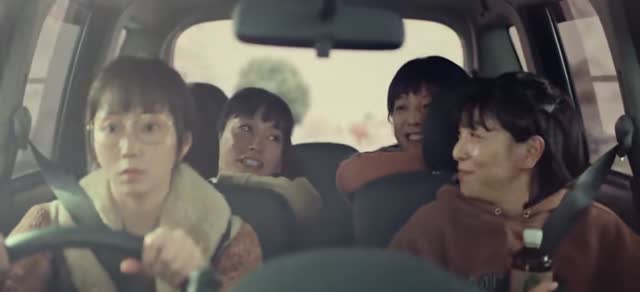
ブラッシュアップライフ Episode 8 Mi-pon is actually driving still

Miho has gotten her driver's license and is driving Asami, Natsuki and Mari. The others take turns teasing her with the pattern 「あのみーぽんが…」 ("that Mi-pon...").
  1. 麻美

    It's somehow amazing that Mi-pon is driving.

  2. 真里/美穂

    I know, it feels so weird. / Does it?

  3. 夏希

    No, it's moving, you know? That Mi-pon?

  4. 麻美

    Right, that Mi-pon is driving.

  5. 麻美

    That Mi-pon, keeping a safe following distance.

  6. 夏希

    That Mi-pon, at 40 km/h.

  7. 麻美

    That Mi-pon, obeying the legal speed limit.

  8. 真里

    Look! That Mi-pon is about to make a right turn.

  9. 美穂/3人

    Which Mi-pon are you talking about? / That Mi-pon!

  10. 美穂

    You're all in sync, too.

Speaking notes

「あの」+人名 の面白さ

「あの」+ a person's name: a demonstrative that carries emotion

「あのみーぽんが」 = "that Mi-pon, of all people..."
This 「あの」 doesn't point to someone far away (Miho is sitting right there in the driver's seat) but to "the Mi-pon we all know, the way she used to be": it points to memory, not space.
So the subtext of the whole sentence is: "the formerly spacey Mi-pon is actually keeping her following distance and obeying the speed limit." The single word 「あの」 holds the gap between then and now.
Similar: あの田中が結婚?! (that Tanaka got married?!), あのチームが優勝 (that team won the championship).
The joke is that Miho herself replies「どのみーぽんのこと言ってんの?」, deliberately taking 「あの」 as a spatial pointer and pretending not to understand.

感慨深い

感慨深い: quietly, deeply moved

感慨深い = full of deep feeling, deeply moved.
⚠ It is not 「感動」. 感動 = being moved (an emotional impact in the moment); 感慨深い = a flood of feelings on looking back at the past, and it can only be used when there is a span of time.
That's why the word fits so well here: they have known each other a lifetime, so they've earned the right to feel moved by "Mi-pon driving."
Common: 感慨深いものがある (written), 感慨にふける (be lost in reflection).

そろってるし

そろってるし: sentence-final 「し」 for exasperation or a retort

「そろってるし」 = "and you're all in sync, too."
A lone 「し」 at the end of a sentence isn't listing reasons; it stops the sentence halfway and leaves the aftertaste of "and there's more to say", used for a retort or to show you're speechless.
Similar: もう帰ったし (they've already gone home, you know), 知らないし (how would I know?).
⚠ This is a fairly new colloquial usage, common among young people and not for formal situations. The intonation falls.
(「何がムカつくって」 in Episode 8, scene 4 and 「〜のに」 in Episode 8, scene 3 use the same technique of "not finishing the sentence": a lot of Japanese emotion is expressed by where you stop.)

Key vocabulary

不思議 ふしぎ
Mysterious, amazing.
違和感 いわかん
A sense of wrongness, feeling that something is off.
車間距離 しゃかんきょり
Following distance (between cars).
右折 うせつ
A right turn. A left turn is 「左折」(させつ).
そろう
(Actions, opinions) matching; being all gathered.

↑ Scenes on this page

What counts as success for a ceremony heckler?

This scene

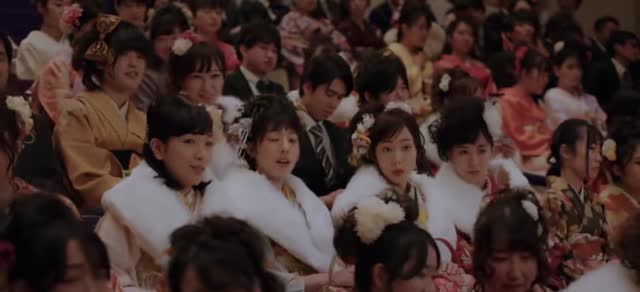
ブラッシュアップライフ Episode 8 What counts as success for a ceremony heckler? still

At the Coming-of-Age ceremony, Asami, Mari, Natsuki and Miho watch someone make a scene and talk about what he is trying to achieve and what would count as success.
  1. 麻美

    If he didn't know about it, he wouldn't think of doing it, right?

  2. 真里

    Huh, so he saw it on the news

  3. 真里

    and thought "when I come of age, I want to do that too"?

  4. 美穂

    He probably did, don't you think?

  5. 夏希

    So he's living out his dream of acting up at a Coming-of-Age ceremony right now.

  6. 夏希

    Wow.

  7. 麻美

    I mean, this guy got up early this morning for this,

  8. 麻美

    got dressed in the kimono and styled his hair to come here.

  9. 美穂

    Right, he even set an alarm properly.

  10. 美穂

    If he overslept, it'd all be over.

  11. 真里

    Hey, what would count as success for this?

  12. 美穂

    No idea.

  13. 夏希

    Is that guy a success?

  14. 美穂

    I'm just guessing, but isn't he a failure?

  15. 夏希

    Right.

Speaking notes

憧れの成人式暴れ

憧れの成人式暴れ: Japanese can coin nouns on the spot

「成人式暴れ」 is a coined word: 成人式 (Coming-of-Age ceremony) + 暴れ (the noun form of the verb「暴れる」 = to rampage).
Japanese can use a verb's ます-stem directly as a noun and stick it to other nouns to make new words, which gives it strong word-building power: 食べ歩き (eating while strolling), 飲み過ぎ (drinking too much), 寝坊 (oversleeping; it also appears in this scene), 爆買い (buying in bulk).
And the real joke is the modifier 「憧れの」 (dream): it makes a stupid act sound like a lifelong ambition. This habit of wrapping something trivial in solemn words is the show's most dependable form of humor.

どうなったら成功なの?

どうなったら成功なの?: a conditional that asks for a definition

「どうなったら成功なの?」 = "What has to happen for it to count as a success?"
〜たら here isn't an ordinary hypothetical but asks for the "conditions for it to hold".
Similar: どうなったら合格? (what does it take to pass?), いくらになったら買う? (how cheap does it have to get before you buy?).
This line is the crux of the scene: the heckler is working hard at something, yet even the onlookers can't say what would make it a success, and he probably couldn't either. The four of them earnestly look for his KPI, and that's where the absurdity comes from.

~てんだ / ~てんだよ

〜てんだ / 〜てんだよ: contraction of 「ている」 (very frequent in this episode)

やってんだ = やっているんだ, かけてんだよ = かけているんだよ, 運転してんの = 運転しているの (Episode 8, scene 6).
In speech「〜ている」 almost always shrinks to「〜てる」, and with「のだ」 added it becomes「〜てんだ」.
Formula: ている + のだ → てるんだ → てんだ
⚠ This is the biggest hurdle in listening: the 「している」 you see in writing is heard as「してん」 in actual conversation. This episode has a very high density of such contractions, and once you've practiced them, the whole show gets much easier to follow.

Key vocabulary

憧れ あこがれ
Longing, yearning. 「憧れの〜」 = a dream...
着付け きつけ
(To put on a kimono for oneself or others.) For the Coming-of-Age ceremony people wear furisode, usually with someone's help.
セット
Hair styling (set).
寝坊 ねぼう
Oversleeping. 「寝坊する」.

↑ Scenes on this page

"I went out with Fuku"

This scene

ブラッシュアップライフ Episode 8 "I went out with Fuku" still

Mari tells Asami that in her very first life she went out with Fukuda for about six months, and they broke up because he cheated on her with Shizuka. Asami is shocked.
  1. 麻美

    What, what? You went out with Fuku?

  2. 真里/麻美

    Yeah. / I can't picture it at all.

  3. 真里

    We broke up after about six months, though.

  4. 麻美/真里

    Why did you break up? / Fuku cheated on me.

  5. 麻美

    Ugh... cheated? That Fuku?

  6. 真里

    Well, I guess he was led astray in a weak moment.

  7. 麻美

    Who with, by the way?

  8. 真里/麻美

    Shi-chan. / What?!

  9. 真里/麻美

    Ahaha... / Wait, you're kidding, right?

  10. 真里

    Actually, it seems Shi-chan

  11. 真里

    had had her eye on Fuku since the Coming-of-Age ceremony.

  12. 真里

    And you know, it was you guys who told me that.

  13. 麻美

    Was it?

Speaking notes

魔が差した

魔が差した: putting the blame on 「魔」

魔が差す = to be led astray, to do something wrong on a momentary impulse. Literally "a demon (evil thought) slipped in".
The key is its stance: this expression attributes the act to an outside "demon" rather than the person's nature, so it carries a forgiving "he isn't really that kind of person."
Mari uses it about her own ex-boyfriend, who cheated on her, and so she is saying "he's not a bad person, he just lost his head for a moment." If she had said「最低だよね」 (he's the worst), it would be a completely different man.
⚠ Note: it sounds natural when making excuses for someone else. If you say「魔が差しました」 about your own mistake, Japanese people hear it as dodging responsibility, which is even worse.

狙ってた

狙ってた: 「狙う」 used for relationships

「福ちゃんのこと狙ってた」 = "she had her eye on Fuku."
狙う originally means to aim at (prey, a target); in romance it means "to treat someone as a target to win over", and the tone is rather direct and a bit aggressive. It is usually used by third parties when talking about someone, and people seldom say it about themselves.
⚠ Note the 「〜のこと」: in Japanese, "person + のこと" means that person along with everything about them, and it is a set pattern for talking about feelings. 好きだ (like) is lighter than 〜のことが好きだ (like you as a person); 狙う works the same way.

教えてくれたの あーちんたちだからね

教えてくれたの あーちんたちだからね: くれる + inversion + だから

The normal word order: これを教えてくれたのは、あーちんたちだからね.
1. 教えてくれた = giving/receiving, you did it for me (telling me this was a kindness to me). Even for bad news like "your boyfriend cheated", Japanese uses くれる, because the action's direction is toward the speaker, and it was done out of consideration for her.
2. Inversion: putting「あーちんたち」 at the end of the sentence emphasizes "it was you all of all people."
3. だからね = a sentence-final "so, you know", reminding the listener that she had a part in this.
Look at the three くれる in this episode together: 「言ってくれればよかったのに」 in scene 3, 「教えてくれた」 here, and 「乗せてもらえない」 in scene 14 later. The giving/receiving verbs are the backbone of this episode, because it is all about "who did what for whom."

Key vocabulary

浮気 うわき
Cheating (on a partner), infidelity.
魔が差す まがさす
Led astray, a moment of weakness.
狙う ねらう
To aim at, to have one's eye on (a target or someone one fancies).
っていうか
By the way, or rather. In speech often used to switch direction or add something.

↑ Scenes on this page

Natsuki and Miho have died

This scene

ブラッシュアップライフ Episode 8 Natsuki and Miho have died still

Mari takes Asami somewhere quiet, warns her that the topic is heavy, and then tells her that Natsuki and Miho died in a plane accident, when their plane was hit by space debris at high altitude.
  1. 真里

    This is a pretty heavy story.

  2. 麻美

    That heavy?

  3. 真里

    Well, I'll try to keep it from getting too heavy and just cover the main points.

  4. 麻美

    You're scaring me... What is it?

  5. 真里

    Actually...

  6. 真里

    Natchi and Mi-pon died.

  7. 麻美

    Why?

  8. 真里

    A plane accident.

  9. 麻美

    A plane accident?

  10. 真里

    The plane they were on was a mid-sized international flight,

  11. 真里

    and at high altitude it got hit by space debris.

  12. 麻美

    What was space debris again...?

  13. 麻美/真里

    Ah, space junk? / Yeah, like leftover pieces of satellites.

  14. 麻美/真里

    The thing that's been a problem lately. / Right, right...

Speaking notes

~ないように

〜ないように: 「〜ように」 expressing purpose

「重くならないように、かいつまんで話すね」 = "I'll hit the main points so it doesn't get too heavy."
〜ように = so that (a state comes about).
⚠ The difference from「〜ために」 is a key dividing line in learning Japanese:
• 〜ために: volitional verbs, to achieve something actively. 「合格するために勉強する」
• 〜ように: non-volitional verbs, potential or negative forms, so that a state comes about naturally. 「合格できるように勉強する」
"Not getting heavy" is a state, not an action you can actively "do", so only ように works.
The human touch in this line: what Mari is about to tell is the death of two good friends, yet her first thought is "don't make it too hard on the listener": even her way of telling is for Asami's sake.

かいつまんで話す

かいつまんで話す: an idiom

かいつまむ = to pick out the main points, to sum up. Written「掻い摘む」, its original meaning is "to pinch up a small amount with the fingers".
It appears almost only as「かいつまんで話す/説明する」, a slightly more formal way of saying "to make a long story short".
Similar expressions: 手短に話す (say it briefly), 要点だけ言うと (if I give just the main points).
⚠ 「かいつまんで」 implies "there was originally a lot, and I'm leaving most of it out", which matches what Asami later says to herself: 「かなり端折って話してくれたみたいだ」 ("it seems she left out a lot").

死んじゃった

死んじゃった: the contraction of 「〜てしまう」 and its warmth

死んじゃった = 死んでしまった.
〜てしまう has two meanings: (1) completion, finishing something thoroughly; (2) something the speaker didn't want to happen, but did (regret, helplessness). Here it is the second.
The contraction ladder: 〜てしまう → 〜ちゃう, 〜でしまう → 〜じゃう (after a voiced sound it becomes じ).
This card has several in a row: 死んじゃった / 激突しちゃって, and in the next few scenes 遭っちゃった / 崩しちゃって / つながっちゃってる.
⚠ This is the emotional undertone of the episode: nearly every verb in Mari's telling of her five lives carries 「〜ちゃった」, which means not "it happened" but "it just so happened".

Key vocabulary

だいぶ
Considerably, fairly. Written 「大分」.
かいつまむ
To pick out the main points. Almost only used as「かいつまんで」.
スペースデブリ
Space debris. In Japanese also called 「宇宙ごみ」.
残骸 ざんがい
Wreckage.
激突 げきとつ
To crash violently, to collide head-on.

↑ Scenes on this page

Saving only your friends and letting others die?

This scene

ブラッシュアップライフ Episode 8 Saving only your friends and letting others die? still

Asami asks why she didn't stop them from boarding. Mari says that even if she saved the two of them, the other passengers would still die, and she couldn't bear saving only her friends, so she decided to fly that plane herself.
  1. 麻美

    Well, yeah, anyone would think that.

  2. 真里

    At first I thought I'd just have to keep the two of them off the plane,

  3. 真里

    ...but when I thought about it carefully,

  4. 真里/麻美

    I started wondering whether that was really right. / Why?

  5. 真里

    Even if I stopped the two of them and saved them,

  6. 真里

    all the many other passengers would still die, right?

  7. 真里

    Saving only my own friends and leaving the rest to die

  8. 真里/麻美

    is just too painful, isn't it? / Ah, I see.

  9. 真里/麻美

    And there's also the matter of karma. / Yeah.

  10. 真里

    So after thinking about it a lot,

  11. 真里

    I decided the only way was to be on that plane myself.

  12. 麻美/真里

    Ah, as a pilot? / Yes.

  13. 麻美

    Wow, you became a pilot for that?

Speaking notes

乗らせなきゃいい

乗らせなきゃいい: causative + negative condition

「2人を飛行機に乗らせなきゃいい」 = "I just shouldn't let the two of them board."
Taking it apart: 乗る (board) → 乗らせる (causative: make/let someone board) → 乗らせない (don't let them board) → 乗らせなければいい → contracted to 乗らせなきゃいい.
⚠ Whether the person caused to act takes「を」 or「に」: with an intransitive verb (乗る) use を (2人を乗らせる), with a transitive verb use に (子どもに食べさせる).
「〜なきゃいい」 = "it's fine as long as you don't...", presenting it as the solution. Mari first thought the problem was that simple, and the whole turn of her story begins as this "simple solution" collapses.

仮に~としても

仮に〜としても: conceding as far as possible

「仮に2人を止めて救ったとしても」 = "even supposing I stopped and saved the two of them."
• 仮に = supposing, for the sake of argument (announces that a hypothesis follows)
• 〜としても = even if... (the result stays the same), more formal than「〜ても」 and stressing "even granting all that"
This combination is the strongest concessive pattern in Japanese, used to put your own plan in the most favorable position first, and then show that it still doesn't work, an extremely cool-headed way of thinking.
Mari doesn't say "I couldn't save them"; she says "even if I could, it wouldn't be enough."

見殺し

見殺し: one of the heaviest nouns in Japanese

見殺し = watching someone die without helping. Construction: 見る (see) + 殺す (kill): "watching" and "killing" are welded together.
The weight of this word is that Japanese classes "standing by" directly as "killing". It says "you watched, so you took part too."
Common form: 見殺しにする (to leave someone to die).
And the next line「さすがに心痛むじゃん」 (さすがに = after all, even so...) brings that weight down to personal feeling: she isn't lecturing on morality; she's saying "I can't do it."

~しかない

〜しかない: when options drop to zero

「その飛行機に乗るしかない」 = "the only thing to do is board that plane myself."
〜しかない = there is no way other than this (しか must be followed by a negative; see Episode 7).
This is the heaviest "しかない" in the whole series: to save everyone on a plane, an ordinary girl with below-average grades will spend several lives earning a pilot's license, and she says it in a nearly flat tone, "there's nothing else for it."
⚠ Compare Asami's habit of complaining (「マジでだるい」) in Episode 7: in the same script, the difference between two attitudes to life lies entirely in the choice of grammar.

Key vocabulary

見殺し みごろし
Leaving someone to die. 「見殺しにする」.
乗客 じょうきゃく
Passenger.
心が痛む こころがいたむ
Unable to bear it, it hurts to see.
さすがに
After all, even so.
仮に かりに
Supposing, for the sake of argument. Followed by 「〜としても」 or 「〜たら」.

↑ Scenes on this page

Because I couldn't think of any other way

This scene

ブラッシュアップライフ Episode 8 Because I couldn't think of any other way still

Mari says that to become a pilot, this was the only way. Asami thinks it sounds lonely, and asks whether a pilot can avoid space debris. Mari says they know in advance and can simply change the route.
  1. 美穂(回想)

    (Flashback) Mari is a bit too perfect, so she's kind of hard to approach.

  2. 夏希(回想)

    (Flashback) I know. She's nice, but she makes me nervous.

  3. 麻美

    What... that's so lonely.

  4. 真里

    It is lonely, but it was the only method I could think of.

  5. 麻美

    But, honestly, even if you become a pilot,

  6. 麻美

    debris approaching at that kind of speed,

  7. 麻美/真里

    can you really avoid it? / That's fine.

  8. 真里

    We know ahead of time, so if we just change the route, it's fine.

  9. 真里

    In fact, changing routes because of the weather happens all the time.

  10. 麻美/真里

    I see. / Yeah.

  11. 真里

    So anyway, somehow I managed to become a pilot.

Speaking notes

近寄りがたさ

近寄りがたさ: 〜がたい → 〜がたさ

近寄りがたい = hard to approach (because the other person is too perfect or too serious). Adding「さ」 makes it a noun: 近寄りがたさ = that feeling of being hard to approach.
• verb ます-stem + がたい = hard to (psychologically impossible), a rather literary expression: 信じがたい (hard to believe), 耐えがたい (unbearable), 得がたい人材 (rare talent).
• adjective + さ = nominalization (高い → 高さ).
⚠ Compare the three you learned in Episode 7:
• 〜にくい = objectively hard to do
• 〜づらい = psychologically hard to bring oneself to (spoken)
• 〜がたい = almost impossible, written and strong
Using the stiffest word of all to describe Mari shows how high the wall was, and she built that wall herself, brick by brick.

その方法しか思い浮かばなかった

その方法しか思い浮かばなかった: the quietest line of the episode

• 思い浮かぶ = (a method, an idea) comes to mind (intransitive: not "I thought of it" but "it floated up by itself")
• 〜しか〜なかった = nothing besides this ever came up
Why the intransitive verb is the key to this line: she doesn't say「その方法しか思いつけなかった」 ("I could only think of that"), but that only that method floated up: she doesn't even say "I chose it".
To Asami's「超寂しいじゃん」 she replies only「寂しいけど」: she admits the loneliness and immediately moves the conversation along. It is the closest she comes to complaining in the whole series, and it is just those few words.

~さえ~ば

〜さえ〜ば: the one sufficient condition

「航路さえ変えちゃえば平気」 = "as long as we change the route, it's fine."
〜さえ〜ば = as long as..., then (this one condition is enough), the dedicated Japanese pattern for expressing a single sufficient condition.
Pattern: noun + さえ + verb ば-form / verb ます-stem + さえすれば.
Similar: お金さえあれば (if only I had money), 謝りさえすれば (as long as you apologize).
⚠ Note the cruelty here: technically "just changing the route will do", but the problem was never technical: it was that she first had to spend several lives to get into the seat from which she could change the route.

Key vocabulary

近寄りがたい ちかよりがたい
Hard to approach.
思い浮かぶ おもいうかぶ
(Of an idea) to float into one's mind. Intransitive.
迫る せまる
To close in on, to approach fast.
航路 こうろ
Flight route.
事前に じぜんに
In advance, beforehand.

↑ Scenes on this page

It happened because of me

This scene

ブラッシュアップライフ Episode 8 It happened because of me still

Mari tells Asami that the accident that befell Asami happened because she wasn't there: in the earlier timeline she went to the restroom, making Asami wait a bit and throwing off the timing. Mari blamed herself, and her health broke down.
  1. 真里

    I went to the restroom,

  2. 真里

    and I made you wait just a little while.

  3. 真里

    As a result, that shifted the timing,

  4. 真里

    but in the second lap I wasn't there,

  5. 真里

    so I think that's why you ended up in an accident.

  6. 麻美

    I see.

  7. 真里

    So when I heard you had died,

  8. 真里

    I was sure it was my fault and fell into a slump.

  9. 麻美/真里

    But that can't be helped. / No, but actually,

  10. 真里

    my changing what I did led to that accident.

  11. 真里

    The shock made my health fail, just like that.

  12. 麻美

    Hold on... really, I'm sorry.

  13. 真里

    Ah, no, no, that's not what I meant.

  14. 真里

    I'm sorry, sorry, sorry...

  15. 真里

    But in that state, they'd never let me fly a plane.

Speaking notes

待たせた / ずらせてた

待たせた / ずらせてた: the responsibility carried by the causative

「あーちんを待たせた」 = "I made you wait." Not「あーちんが待った」 ("you waited").
The core of the causative isn't "order"; it is "this happened because of me". Mari could easily have said "you waited for me a bit that day," but by using the causative she places the starting point of the chain of cause and effect on herself.
The next line「タイミングをずらせてた」 works the same way (ずれる → ずらす → ずらせる).
The whole emotional force of this card is built on this grammar: she uses a series of forms that take the responsibility on herself: 自分のせい (my fault), 私が行動を変えたことが事故につながっちゃってる (my change led to the accident).
⚠ And Asami's reply「それは仕方ないじゃん」 ("that can't be helped") is the opposite: 仕方ない = nothing can be done, pushing the cause onto "something nobody could control". The two of them are using grammar to push a share of the guilt back and forth.

~につながる

〜につながる: seeing cause and effect as a line

「事故につながっちゃってる」 = "it led to the accident (it's connected to the accident)".
〜につながる = to lead to..., to result in....
⚠ The difference from「〜の原因になる」 matters: 原因になる is direct cause and effect; つながる means "there are several steps in between, but in the end it connects to that", which fits the gossamer-thin causality of "I went to the restroom, so you died thirty years later".
Mari's choice of this word shows she knows how thin the line is, and she still accepted it as hers.
Similar: 成功につながる (lead to success), 信頼につながる (build trust).

乗せてもらえない

乗せてもらえない: giving/receiving + potential + negative (summing up the episode)

「飛行機なんて乗せてもらえない」 = "they'd never let me fly a plane."
Layer by layer: 乗る (ride) → 乗せる (causative / transitive: let someone ride) → 乗せてもらう (giving/receiving: have the other party let me ride) → 乗せてもらえる (potential) → 乗せてもらえない (negative).
Four layers of grammar stacked up to say something quite plain: an airline won't hand a plane to someone who has fallen apart.
⚠ The key is the viewpoint of もらう (covered in Episode 7): it marks "the company lets me fly" as something I receive from them: it isn't that I have the right to fly, it's that they allow me to. This one word shows how passive her position is.
(Compare 「会ってもらえない」 in Episode 7, scene 9: the same もらえない, the same sense of being out of reach.)

Key vocabulary

落ち込む おちこむ
Feeling down, being in a slump.
体調を崩す たいちょうをくずす
Health breaking down, falling ill.
ずらす
To shift (time, position). The intransitive verb is 「ずれる」.
~のせい
Because of..., blamed on... For good outcomes you use 「〜のおかげ」.
仕方ない しかたない
Can't be helped, nothing can be done.

↑ Scenes on this page

Pilots can't choose which flight to fly

This scene

ブラッシュアップライフ Episode 8 Pilots can't choose which flight to fly still

Asami and Mari compare what happened in their lives. Asami says she was run over by a truck because she was gawking at a TV shoot on the street, and Mari explains that pilots can't choose which flights they work.
  1. 麻美/真里

    Oh, you were there, Marin? / Yeah.

  2. 真里

    But you died pretty soon after that, didn't you, A-chin?

  3. 麻美

    Right, right... I got distracted by Tomoya Maeno.

  4. 真里/麻美

    Tomoya Maeno? / I ran into a drama shoot, and

  5. 麻美

    I was looking away and got hit by a truck.

  6. 真里/麻美

    So that's what happened. / And that's how I died.

  7. 麻美

    It gave me a shock.

  8. 真里

    Anyway, in the third lap too, I couldn't save Natchi and Mi-pon.

  9. 麻美

    Huh? Why not?

  10. 真里

    A pilot can't choose which flights to fly.

  11. 真里

    You can put in requests to some extent, but

  12. 真里

    if the flight shifts don't line up,

  13. 真里/麻美

    you can't get on the flight you're aiming for. / I see.

Speaking notes

~わけじゃない

〜わけじゃない: partial negation vs. full negation

「乗りたい便、選べるわけじゃない」 = "it's not that I can choose any flight I want to fly."
〜わけじゃない (= わけではない) = partial negation, meaning "that's not the case," while leaving room for exceptions.
⚠ The difference from full negation is the key:
• 選べない = can't choose at all (full negation)
• 選べるわけじゃない = it's not that I can choose freely (partial negation, leaving room)
The next line confirms that room: 「ある程度の希望は出せるけど」 (I can put in requests to some extent). That is what makes it crueler: there's a little chance, but it just doesn't line up.
Similar: 嫌いなわけじゃない (it's not that I dislike it), 暇なわけじゃない (it's not that I'm free).

気を取られる

気を取られる: passive for "having one's attention taken"

「前野朋哉に気を取られて」 = "my attention was taken by Tomoya Maeno."
気を取られる = to have one's attention (involuntarily) snatched by something: a passive, so it carries "I didn't want to, but I couldn't help it."
That is also why the line is funny and tragic at once: Asami's third death was caused by "couldn't help taking one more look at the actors shooting a drama on the roadside".
⚠ Note the differences among 「気」 idioms (they come up repeatedly in the show): 気を取られる (attention gets taken) / 気を使う (take care for others; Episodes 6 and 7) / 気をつける (be careful) / 気が済む (feel satisfied). 「気」 is the core component of Japanese expressions of mental states.

よそ見

よそ見: 「よそ」 = 他所

よそ見 = looking elsewhere, looking away absent-mindedly. 「よそ」 is written「他所」, meaning "another place, outside".
A series of related words, all useful: よそ見運転 (distracted driving), よその家 (someone else's house), よそ者 (outsider), よそよそしい (distant, standoffish).
⚠ The opposite of 「よそ」 is 「うち」 (one's own home, one's own people): the うち/よそ distinction is a key to understanding how Japanese people perceive social distance (the 「うちら」 that kept appearing in Episode 7 is the same うち).

Key vocabulary

便 びん
A flight/service number (air, mail). 「〇〇便」 = such-and-such flight.
シフト
Shift schedule (shift).
遭遇 そうぐう
To run into, to encounter.
よそ見 よそみ
Looking away, being distracted.
ひかれる
To be run over (by a vehicle). The passive of 「轢く(ひく)」.

↑ Scenes on this page

This time it's absolutely fine

This scene

ブラッシュアップライフ Episode 8 This time it's absolutely fine still

Asami asks Mari whether she will get on that flight. Mari says it's fine this time: the schedule isn't out yet, but she has become friendly with the scheduler. Asked when the flight is, Mari says next year.
  1. 麻美

    So you're going to get on that plane from now on?

  2. 真里/麻美

    Yes. / Are you sure it's okay?

  3. 真里

    Yeah, this time it's fine.

  4. 真里

    The shifts haven't come out yet, but

  5. 真里

    this time I've gotten friendly with the scheduler too,

  6. 真里/麻美

    so I'll definitely be on it. / I see.

  7. 麻美

    By the way, when is that flight?

  8. 真里

    Well, it's still quite a way off, next year.

  9. 麻美

    I see. Well, I think you'll be fine, but take care.

  10. 真里

    Yeah, this time it's definitely fine.

  11. 麻美

    Is there anything I can do for you?

  12. 真里/麻美

    Hmm, I don't think there's anything in particular. / I see.

  13. 真里

    Thank you.

Speaking notes

今度は絶対に大丈夫

今度は絶対に大丈夫: said twice, it's a lie

In these thirteen lines Mari says 「大丈夫」 three times; twice with「今度は」 added, and the last time with「絶対に」 as well.
In Japanese, repeatedly stressing that something is fine is almost always a sign of anxiety, and in the grammar of this show there is a second layer: 「今度は」 = this time (as opposed to the earlier failures). She isn't saying "this is safe"; she is saying "this time I won't fail again."
⚠ 「今度」 has two meanings, told apart by context: (1) this time (here) (2) next time (「今度飲みに行こう」 = let's go for a drink sometime).
And the next line, 「結構まだ先で 来年なんだよね」, is the heaviest lie of the episode: Asami only understands afterward that Mari pushed the date back so she wouldn't worry.

私にできることある?

私にできることある?: the 「に」 that marks the owner of an ability

「私にできることある?」 = "Is there anything I can do?"
⚠ Why 「私に」 and not 「私が」: the subject of potential verbs (できる、分かる、要る) is marked with「に」, because these are not "things I actively do" but "things that are possible for me".
Compare: 私ができる (unnatural) / 私にできる (I can do it) / 私にはできない (I can't do it, with contrast).
This is the standard way to offer help in Japanese, humbler than「手伝おうか?」: it hands all the initiative to the other person, asking only "is there something?" without saying "I'll do it".
And Mari's answer「特にはないかなぁ」: 「特には」 (nothing in particular) also leaves room, the gentlest way to decline.

気を付けてね

気を付けてね: a set phrase for parting

気を付けて = take care, be careful. It is the most common caring phrase at parting, much warmer than「さようなら」.
Common variants: 気を付けて帰ってね (get home safely), お気を付けて (polite), 体に気を付けて (look after your health).
⚠ This phrase is used here with great cruelty: Asami thinks she's saying an ordinary pleasantry, while her friend is about to do something she will never know about. The best screenwriting technique in the whole drama is having the most everyday sentences carry the heaviest things.

Key vocabulary

フライト
Flight (flight number).
スケジューラー
Scheduler (the person who arranges crew shift schedules).
まだ先 まだ さき
Still far off (in time).
特には とくには
(Not) in particular. Often used for a soft negative.

↑ Scenes on this page

Looking back, it was a lie

This scene

ブラッシュアップライフ Episode 8 Looking back, it was a lie still

At night, Fukuda and Asami talk about old classmates, and Fukuda says he liked Uno in elementary school. Asami remembers asking Mari which day the flight was and Mari's answer: "It's still a long way off, next year."
  1. 福田/麻美

    So that's how it was. / Yes, yes...

  2. 福田

    What about Maruyama? Have you seen him lately?

  3. 麻美(回想)

    (Flashback) By the way, when is that flight?

  4. 真里(回想)

    (Flashback) Well, it's still quite a way off, next year.

  5. 麻美(心)

    (Looking back now, that was a lie Marin told so I wouldn't worry,

  6. 麻美(心)

    and I think she wanted it to be over before I knew it.)

  7. 福田

    In elementary school, I liked Uno.

  8. 麻美

    Hehe...

  9. 麻美(心)

    (In the end, the three of us spent that night there until morning.)

Speaking notes

心配させないためのウソ

心配させないためのウソ: causative + negative + ための (the most important line of the episode)

「私に心配させないためのウソ」 = "a lie so that I wouldn't worry".
Layer by layer: 心配する (worry) → 心配させる (causative: make (me) worry) → 心配させない (not make me worry) → 〜ための + ウソ (a lie for that purpose).
⚠ The person caused to act is「私に」: here "I" am the passive one who "gets made to worry".
The weight of this line lies in the perspective: Asami reinterprets that remark from the angle of "what Mari was thinking then". What she heard back then was a date; what she hears now is a kindness.
(Compare 「重くならないように」 in Episode 8, scene 9: both times Mari spoke, her first concern was "don't let Asami be hurt". That is her way of speaking, and also her character.)

いつの間にか

いつの間にか: before you realize it

いつの間にか = before one knew it, by the time one realized...
Literally: いつの間に (in what interval of time) + か (uncertainty).
Common: いつの間にか寝てた (I fell asleep before I knew it), いつの間にか終わってた (it was over before I knew it).
Here it is used for something extremely cruel: Mari wanted her own death to be finished "before her friend knew it": no goodbye, no worry, no feelings left to deal with.
⚠ 「〜ているようにしたかった」 = wanted to bring about a state of.... 〜ようにする = to arrange things so that a state results (same root as 「〜ないように」 in Episode 8, scene 9), and with たかった it becomes "that was how she wanted to arrange it".

今思えば

今思えば: a signal of looking back

今思えば = thinking about it now, in hindsight. It is the conditional form of 「思う」, but here it doesn't express a hypothesis; it means "looking back with what I know now".
Similar set expressions: 考えてみれば (come to think of it), 言われてみれば (now that you mention it), 振り返れば (looking back).
⚠ These 「〜ば」 forms are not real conditionals; they are signals for switching perspective. When you hear「今思えば」, you know the speaker is about to overturn their own understanding at the time, and so it is here: the same line「来年なんだよね」 was reassurance then and a farewell now.

Key vocabulary

いつの間にか いつのまにか
Before one knows it.
結局 けっきょく
In the end, finally.
過ごす すごす
To spend (time).
ウソ うそ
A lie. Written 「嘘」.

↑ Scenes on this page

Eighth lap, tracing the same life each time

This scene

ブラッシュアップライフ Episode 8 Eighth lap, tracing the same life each time still

Asami runs into Kawaguchi, a junior from her city-hall days who is also starting over and is already on her eighth lap. Kawaguchi says she was happy with her first life, so she lives through roughly the same life every time.
  1. 河口

    Personally, I quite liked my first lap,

  2. 河口

    so every time I trace over roughly the same life.

  3. 麻美

    How similar is "roughly the same"?

  4. 河口/麻美

    Hmm, well, it's almost all of it. / Almost all?

  5. 河口

    Yes, not just work, but hobbies, friends, everything.

  6. 河口

    Even my clothing rotation is almost the same.

  7. 麻美/河口

    Wow... is that fun? / It is fun.

  8. 河口

    It's like a game of how closely I can trace it.

  9. 麻美

    Huh, I see.

  10. 麻美(心)

    (What a fresh way to enjoy it.)

  11. 麻美

    Say, Kawaguchi, what were you told you'd be in your next life?

  12. 麻美

    Mine was a sea urchin.

  13. 河口

    Mine is a grey heron.

Speaking notes

なぞる

なぞる: the key word of this episode

なぞる = to trace along existing lines, to copy over. Its original meaning is to follow the strokes of a model with a brush.
Applied to a life, the word is frighteningly precise: not "repeat" (繰り返す), not "imitate" (真似する), but "there is a line already drawn underneath, and I follow it", the original being one's own first life.
Three ways of living in the show, exactly three verbs:
• Asami: 徳を積む (accumulate virtue, to change the next life)
• Mari: やり直す (start over, to change the outcome)
• Kawaguchi: なぞる (trace, to change nothing)
⚠ The potential form「どこまでなぞれるか」 = how far can I trace it: she has turned life into a game of precision.

自分的に / ほぼほぼ / それこそ

自分的に / ほぼほぼ / それこそ: a trio of modern spoken Japanese

1. 自分的に = personally, in my own view. The "noun + 的(てき)に" pattern is a very common way to coin spoken words: 気持ち的に (emotionally), 時間的に (time-wise), 個人的に (personally). ⚠ 「自分的に」 is casual; in formal settings use「個人的には」.
2. ほぼほぼ = basically, almost all of it. A doubled form of「ほぼ」, which became popular after the 2010s, fuller and more casual than「ほぼ」. Asami echoes「ほぼほぼ?」 because the word itself is a bit funny.
3. それこそ = if anything, even... Used to bring up an extreme example to reinforce what came before: 「それこそ服のローテーションも」 = even how I rotate my clothes.
All three are signals of "young and casual", which is exactly Kawaguchi's flavor: eight lives in, and her tone is still so light.

斬新な楽しみ方

斬新な楽しみ方: verb ます-stem + 方 = way of doing

楽しみ方 = a way of enjoying, a way to play.
verb ます-stem + 方(かた) = the way of..., one of the most useful ways to nominalize in Japanese: 使い方 (how to use), 考え方 (way of thinking), 生き方 (way of living), 聞き方 (way of asking; 「直接的な聞き方」 appeared in Episode 8, scene 3).
⚠ Note that 「方」 is read かた, and it attaches to the ます-stem: 楽しむ → 楽しみ → 楽しみ方.
And the somewhat solemn word 「斬新」 (strikingly new), paired with "treating life as a tracing game", is Asami's usual way of retorting: using serious words about an outrageous thing (the same technique as 「憧れの成人式暴れ」 in Episode 8, scene 7).

Key vocabulary

なぞる
To trace over, to copy.
ほぼほぼ
Basically, almost all. An emphatic form of「ほぼ」, newer colloquial.
交友関係 こうゆうかんけい
Circle of friends, social relationships.
ローテーション
Rotation.
斬新 ざんしん
Strikingly new, unprecedented.
アオサギ
Grey heron. Written 「青鷺」.

↑ Scenes on this page

Next life: human. Then I'll start over

This scene

ブラッシュアップライフ Episode 8 Next life: human. Then I'll start over still

Asami, now 39, is back at the counter after death and asks the receptionist what she will be in her next life. He says human and points to a diagram. She asks which one it is, and he says it's just free stock art.
  1. 麻美

    By the way, what's next for me?

  2. 受付係

    Let's see, next time it's... um.

  3. 受付係/麻美

    A human. / Huh?

  4. 麻美/受付係

    A human? / Yes.

  5. 麻美

    Ah... ah... so next time I'm a human.

  6. 受付係

    Yes, roughly this one here.

  7. 麻美

    Thank you.

  8. 麻美

    Excuse me, which one is it?

  9. 受付係

    Ah, this, um, is free stock art, so it isn't any particular one.

  10. 麻美/受付係

    I see. / It's just an illustration, after all.

  11. 麻美

    Ah...

  12. 麻美/受付係

    I understand. / Yes.

  13. 受付係

    Have a good trip.

Speaking notes

やり直せますかね?

やり直せますかね?: potential + ますか + ね, the softest way to sound someone out

「やり直せますかね?」 = "Could I... start over, maybe?"
Layers: やり直す → やり直せる (potential form) → ますか (polite question) → ね.
⚠ The key is the sentence-final「ね」: 「できますか」 is a direct question; adding「ね」 turns it into a self-addressed probe, and the tone softens at once, as if saying "...I suppose it can't be done?" The asker leaves room to be refused beforehand.
This is the turning point of the whole series: she suffered through four lives for the two words 「人間」, got them, and then stopped in the corridor. And she asks in the least confident pattern there is, because she knows how unreasonable the decision is.
(Compare 「撮らない?」 in Episode 7, scene 4: in Japanese, the more important the request, the more room you leave in how you say it.)

一応 / あくまでも / フリー素材

一応 / あくまでも / フリー素材: counter-clerk language

The clerk's three lines are a whole set of "I take no responsibility" Japanese:
• 一応こちらになりますね = 一応 (tentatively) + 〜になります (so-called part-timer keigo, avoiding an assertion by using a change verb): he won't even say "this is it" outright
• あくまでもイメージなので = あくまでも (ultimately, strictly) + it's just an image
• フリー素材なので = because it's free stock material
The joke is the gap: this is the place that decides a person's next life, yet the wording is a convenience-store clerk's.
⚠ 「〜になります」 is called "part-timer keigo" and often criticized as grammatically odd (「こちらコーヒーになります」 = "this will become coffee?"), but it has become thoroughly common in the service industry and you are bound to meet it in listening.

いってらっしゃいませ

いってらっしゃいませ: a send-off that cuts deep

いってらっしゃい = "go (and come back)": it is a contraction of「行って来てください」, so "come back" is built into the literal sense. Adding「ませ」 gives the most formal service-industry form.
That is what makes the line so cruel here: being reborn is a one-way trip, and yet the counter uses a greeting that presupposes "you will come back".
⚠ Compare: いってらっしゃい (seeing someone off; they will return) / お気をつけて (take care on the way, neutral) / さようなら (we may not meet again).
Everyday Japanese greetings hide many such "presuppositions", and this show loves to turn them over and use them.

Key vocabulary

フリー素材 フリーそざい
Free stock art (royalty-free images).
あくまでも
In the end, strictly, merely.
一応 いちおう
Tentatively, roughly. A cushioning word that avoids committing.
やり直す やりなおす
To redo, to start over.

↑ Scenes on this page

Um... can I start over?

This scene

ブラッシュアップライフ Episode 8 Um... can I start over? still

After thanking the receptionist, Asami turns back and asks whether she can start over, saying she'll start over after all. The receptionist agrees, directs her through the right-hand door into her present life, and tells her the next one will be the last.
  1. 麻美/受付係

    Excuse me. / Yes?

  2. 麻美

    Um, could I start over?

  3. 受付係/麻美

    Well... ah, yes, you can. / Is that so?

  4. 麻美/受付係

    Then I'll start over after all. / Certainly.

  5. 受付係

    Then, if you would proceed straight along the right side here,

  6. 受付係

    there is a door, so please enter this life through there.

  7. 受付係

    And, Ms. Kondo, the next one will be your last.

  8. 麻美/受付係

    Ah... is that so? / Yes.

  9. 受付係

    We are required to inform you only for the final round.

  10. 麻美

    Oh... I see.

  11. 受付係

    Is that all right?

Speaking notes

やっぱり

やっぱり: returning to the original feeling after thinking it over

「じゃ やっぱり やり直します」 = "Then I'll start over after all."
やっぱり (= やはり) has two uses; this is the second:
1. As expected: 「やっぱり彼が来た」
2. After all (after turning it over, returning to the original idea): 「やっぱりやめる」
⚠ The core of the second use is "there was some hesitation in between", so it can't be used when making a decision for the first time.
This one word holds the wordless walk she took in the corridor: she had already said thanks and started walking, and changed her mind in those few steps. 「やっぱり」 is those steps.

お入りください / 進んでいただきますと

お入りください / 進んでいただきますと: using honorific and humble keigo

The clerk's lines are standard service-industry keigo, mixing two kinds:
• お入りください = 尊敬語 (honorific; お + verb ます-stem + ください). It raises the other person's action.
• 進んでいただきますと = 謙譲語 (humble; 〜ていただく is the humble form of the giving/receiving verb もらう). Literally "I receive from you the act of walking forward", in practice an extremely polite "please walk".
• ございます = 丁寧語 (polite; the formal form of ある).
⚠ 「〜ていただく」 is the heart of business Japanese; it appeared in Episode 7 in 「そこまでしていただくのは」 (Asami to teacher Mita). Remember it as the humble form of もらう and you'll never get the direction wrong: the benefit comes toward the speaker.

お伝えすることになってまして

お伝えすることになってまして: 〜ことになっている = it's the rule

「最後の回だけはお伝えすることになってまして」 = "we're required to tell you only for the final round" (those are the rules).
〜ことになっている = (not my decision) the rule or custom is that way.
⚠ The difference between these similar forms matters:
• 〜ことにする = I decide to do this
• 〜ことになる = (naturally / decided by others) it has come to be this way
• 〜ことになっている = it's the rule / custom (a continuing state)
By using this form, the clerk puts the responsibility for this line on the system: he is only a messenger of rules. And for Asami, it is the heaviest "rule" she has ever heard: you only have one left.
(「〜まして」 is the polite form of「〜ていて」, and stopping halfway through the sentence is another way of avoiding a firm statement.)

Key vocabulary

かしこまりました
Certainly, understood (the most formal reply in the service industry). More polite than 「承知しました」.
扉 とびら
A door. More formal than 「ドア」.
今世 こんせ
This life, the present life. Contrasts with 「来世(らいせ)」 and 「前世(ぜんせ)」.
真っすぐ まっすぐ
Straight, straight ahead.
よろしいですか
Is that all right? (the polite form of 「いいですか」)

↑ Scenes on this page

Not for karma this time, just for her happiness

This scene

ブラッシュアップライフ Episode 8 Not for karma this time, just for her happiness still

Asami warns Rena not to fall for bad men or to swap contact details casually when she grows up, and teaches her a "charm for happiness": "Mr. Miyaoka is a married man."
  1. 麻美(心)

    (And this too...)

  2. 玲奈/麻美

    I threw it away. / Thank you.

  3. 麻美(心)

    (It's simply because I want her to be happy.)

  4. 麻美/玲奈

    Rena. / Yes?

  5. 麻美

    When you grow up, don't get taken in by bad men.

  6. 玲奈/麻美

    Bad men? / Yeah.

  7. 麻美/玲奈

    And don't swap contact details with people so easily. / What do you mean?

  8. 麻美

    Then I'll teach you a charm for happiness, Rena.

  9. 玲奈

    A charm?

  10. 麻美

    "Mr. Miyaoka is a married man."

  11. 玲奈

    "Mr. Miyaoka is a ki... konsha?"

  12. 麻美

    That's right: "Mr. Miyaoka is a married man."

  13. 麻美/玲奈

    Just remember this one thing. / Okay.

Speaking notes

幸せになってほしい

幸せになってほしい: 〜てほしい (again) + this story's conclusion

「ただ幸せになってほしいから」 = "just because I want her to be happy."
Covered in Episode 7: 〜てほしい = I want someone else to do it (the doer is marked with に), as opposed to「〜たい」 (I want to do it myself).
The key here is the 「ただ」 (merely, simply).
In the first four lives of the show, Asami did good deeds to "accumulate virtue", to change her next life. At the end of this episode, the same deeds have a different reason: 「ただ幸せになってほしいから」.
The script marks the shift with three lines of inner voice:
• これも徳のためではなく (not for virtue either)
• 純粋な親切心 (pure kindness)
• ただ幸せになってほしいから (just wanting her to be happy)
⚠ The actions haven't changed, the grammar has: from 「〜ために」 (for my own purpose) to 「〜てほしい」 (I hope you will...). That is this episode's conclusion.

引っかかったらダメだよ

引っかかったらダメだよ: 〜たらダメ, a prohibition for people you're close to

「悪い男に引っかかったらダメだよ」 = "don't you go getting taken in by bad men."
• 引っかかる = to get caught, to be fooled (intransitive). 「詐欺に引っかかる」 (fall for a scam), 「悪い男に引っかかる」 (get tangled up with a bad guy).
• 〜たらダメだ = if you..., it's not allowed = a prohibition.
⚠ The strength ladder of prohibitions: 〜てはいけない (rules, formal) > 〜たらダメ (spoken, between people who are close) > 〜ないでね (request).
Asami uses the most casual, family-like rung: to a little girl of a few years old, she says something about twenty years later.

おまじない

おまじない: why 「まじない」 takes 「お」

おまじない = a charm, a small spell, a lucky ritual.
The kanji「呪い」 has two readings with completely different meanings:
• のろい = a curse (malicious)
• まじない = a prayer, a small spell (neutral or benevolent)
With the beautifying「お」, おまじない becomes a fairy-tale word for children, as in「痛いの痛いの飛んでいけ」.
That is the beauty of this scene: what Asami wants to convey is an extremely practical warning (stay away from that married man), but her listener is a child, so she wraps it in a charm. And that charm is the first good deed of her fifth life.

Key vocabulary

おまじない
A charm, a lucky spell.
引っかかる ひっかかる
To get caught, to be fooled.
既婚者 きこんしゃ
A married person. The unmarried equivalents are 「未婚者」 and 「独身」.
連絡先 れんらくさき
Contact details.
~ておく
「覚えといて」 = 「覚えておいて」, "keep it in mind (in advance)".

↑ Scenes on this page

Back to ブラッシュアップライフ