Abbreviation culture: かのこじ
Japanese's love of four-mora abbreviations
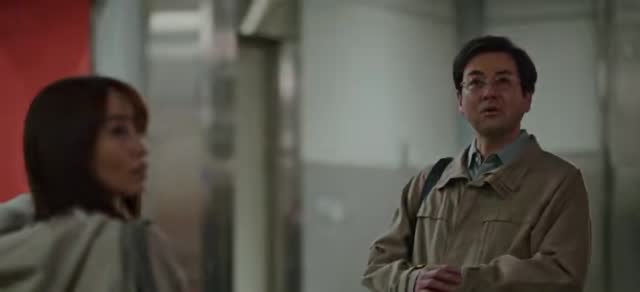
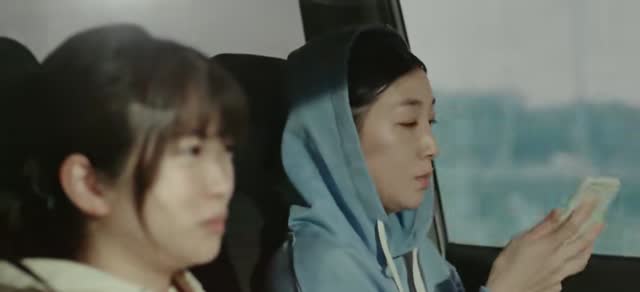
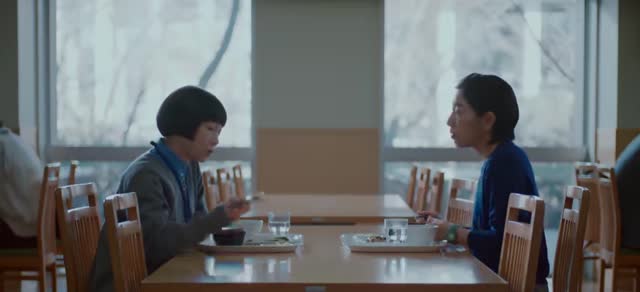
This episode collects 17 dialogue scenes: friends chatting about a drama, a family at the dinner table, a classmate inviting her at the arcade, legal terms at a Coming-of-Age ceremony, confiding at the station, inviting someone with polite set phrases, colleagues' picks, and going over an awkward greeting together. The main focus is how the giving/receiving verbs 「くれる/もらう/あげる」 differ in standpoint.
Scene 1 · 0:26
Expressions: Abbreviation culture: かのこじ, ~もん, ~たほうがいいよ
Scene 2 · 0:39
Expressions: 見てくれた? — 授受動詞くれる, 「でも」 as a probe, ~に対しての+名詞
Scene 4 · 0:36
Expressions: 撮らない? (inviting with a negative), 断られなくて — 受身+て(原因), Three casual contractions
Scene 6 · 0:32
Expressions: ~がために, 威力業務妨害 vs 公務執行妨害, ~によっては
Scene 8 · 0:37
Expressions: 応援してあげたら — 同じあげる、違う体温, ~とは思ってない, ~ても~なくても
Scene 13 · 0:35
Expressions: 上げられる/一目置かれる — 連続する受身, つじつまが合わない, ~ってなんの
Scene 14 · 0:38
Expressions: ~ほどの, ~なくてもいい ⇄ ~なきゃいけない, ~しね
Scene 15 · 0:47
Expressions: 娘さんを僕に下さい, 言われる側, ~にしとけば?

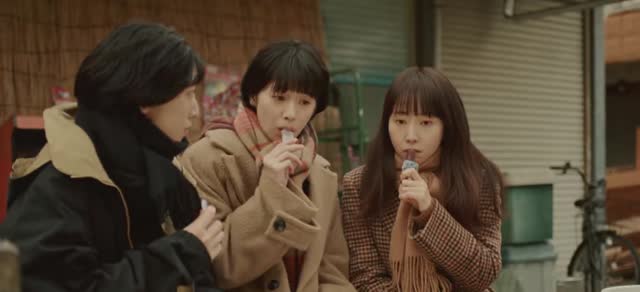
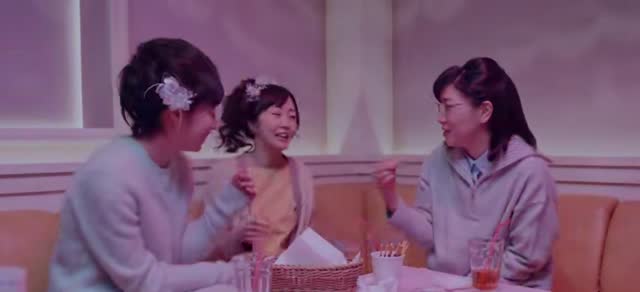
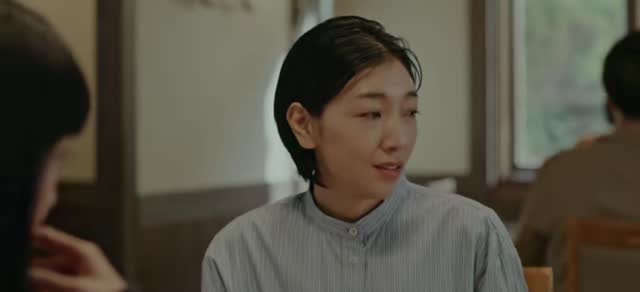
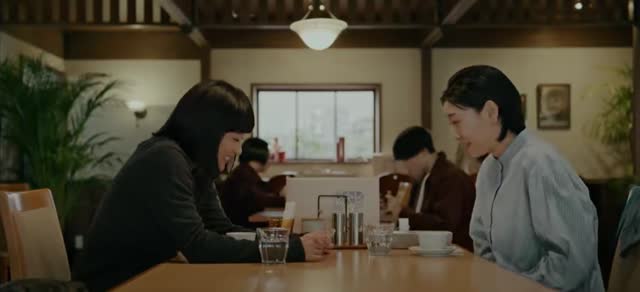
At a cafe, Asami, Natsuki and Miho talk about the dramas they're watching this season. Natsuki and Miho are both into かのこじ, which Asami has never heard of.
ねぇ 今期のドラマどう?
So, what are you watching this season?
やっぱ“かのこじ”じゃない。 あ~ “かのこじ”だね。
It's gotta be かのこじ, right? / Ah, yeah, かのこじ.
うん うちのお父さん 普段ドラマ 全然 見ないけど→
Yeah, my dad never watches dramas normally, but
“かのこじ”は見てるもん。 うちも 家族全員 見てる。
he does watch かのこじ, you know. / Same here, my whole family watches it.
“かのこじ”? うん。
かのこじ? / Yeah.
あーちん 見てないの? あ~ うん… え…?
A-chin, you haven't seen it? / Ah, um, no... Wait, what...?
“かのこじ”?
かのこじ?
“彼女は個人事業主”。
彼女は個人事業主 ("She Is a Sole Proprietor").
へぇ~…。 絶対 見たほうがいいよ。
Huh... / You should definitely watch it.
うん うん。 あ~ そうなんだ へぇ…。
Yeah, yeah. / Oh, I see. Huh...
Speaking notes
Japanese's love of four-mora abbreviations
sentence-final particle (= んだもの), "because..."
"you'd better...", stronger than it sounds

Asami asks Natsuki and Miho whether they watched the drama she produced. They say they did, but every comment starts with「でも」and only praises the actress and the stylish visuals, so Asami asks what the「でも」means.
えっ 見てくれた? 見た見た見た…。
Oh, did you watch it? / Yeah, yeah, I did...
もち もち。 どうだった?
Of course, of course. / So, what did you think?
あ~…。
Ah...
え… でも… 臼田あさ美ちゃん キレイだったよね。
Um... but... Asami Usuda looked so pretty, didn't she?
キレイだった! ね~! ね~!
She did look pretty! Right?! / Right?!
そうだね… お話はどう?
Yeah... How about the story?
あ~…。
Ah...
でも何か映像がオシャレだったよ。 うん オシャレだった。
But the visuals were kind of stylish. / Yeah, they were stylish.
オシャレだった。 「でも」って何?
They were stylish. / What's that "but" about?
ん?
Hm?
さっきからさ 「でも」って 何に対しての「でも」?
You've been saying "but" this whole time. What is it a "but" to?
つまんなかった?
Was it boring?
Speaking notes
「くれる」, the first of the three giving/receiving verbs (focus of this episode)
using 「でも」as a probe
〜に対しての + noun (= 〜に対する)

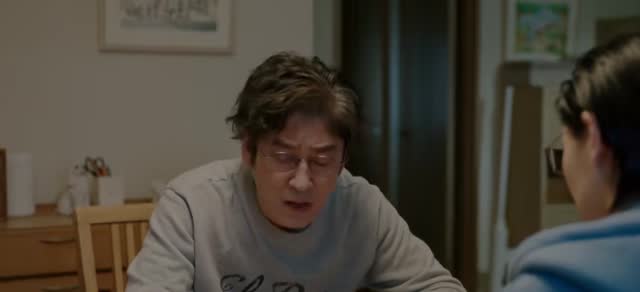
Middle-school Asami is eating at the table with her family. Her father Hiroshi's old habits annoy her again: he instantly tries out tips from TV and always finishes his side dishes first. She struggles to keep her temper in check.
⟨4度目の中学時代⟩
(Fourth time through middle school.)
⟨合計すると110歳くらい⟩
(That's about 110 years in total.)
⟨そんなに生きても→
(Even after living that long,
この時期は父親に ちゃんとイライラする⟩
at this age I still get properly annoyed at my dad.)
ほら~。
Look at this!
⟨“伊東家”で見た裏ワザを 即取り入れる感じとか…⟩
(Like how he immediately uses a life hack he saw on 伊東家.)
お待たせ さぁ いただきましょう。
Thanks for waiting. Okay, let's eat.
はい 遥 肘つかないの。 はい。
Haruka, no elbows on the table. / Okay.
⟨毎回 早めにおかずがなくなって 後半ご飯だけで食べる感じとか→
(Or how every time the side dishes run out early, and he's left eating plain rice for the second half.)
何もかもがウザく感じるけど…⟩
(Everything about him gets on my nerves, but...)
何?
What?
⟨110歳の理性で 完璧に押さえ込んでいる⟩
(I'm holding it all down perfectly with my 110-year-old self-control.)
遥 ウインナーちょうだい。 やだ。
Haruka, give me a sausage. / No.
Speaking notes
「〜ないの」 as a gentle command
ちょうだい: the root of the giving verbs
〜ても (concessive)

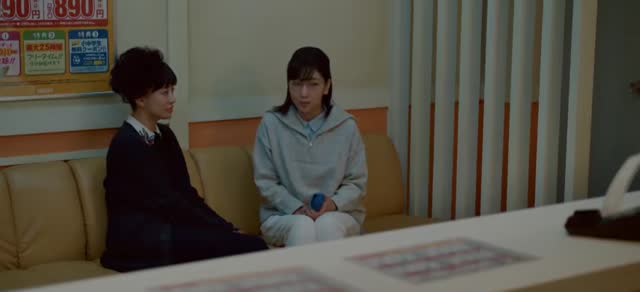
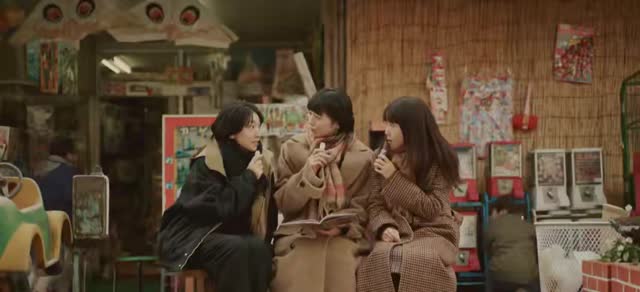
A new Round One arcade has opened in town. Middle-school Asami is wandering around alone when her classmate Mari Uno speaks to her and asks her to take purikura together.
麻美ちゃん?
Asami?
おぉ 真里ちゃん。 1人?
Oh, Mari. / On your own?
うん 何か たまたま通りかかったからさ。
Yeah, I just happened to be passing by.
そっか 私もなんだよね。 そうなんだ。
Same here. / Oh, really.
すごいよね ここ。 何か地元じゃないみたい。
This place is something, isn't it? / It doesn't feel like our hometown.
だよね あ… 一緒にプリ撮らない?
I know, right? Ah... Want to take purikura together?
うん 撮ろ撮ろ。
Yeah, let's do it.
よかった 断られなくて。 断んないよ。
Good, I'm glad you didn't turn me down. / I wouldn't turn you down!
撮ろ? うん。
Shall we? / Yeah.
2・1…。
(Photo booth) 2, 1...
丁寧だね。
It's so polite.
はい。 ありがと。
Here. / Thanks.
Speaking notes
inviting someone with a negative question
passive + て-form (reason)
three casual contractions in a row (撮ろ/断んない/ありがと)

After taking purikura, Asami and Mari browse the arcade and chat about which floor they'd pick if they lived in this building. Mari picks the karaoke floor because it has sofas and air conditioning.
何か楽しいものが 全部そろってる感じだよね。
It feels like everything fun is gathered here.
今までイオンくらいしか 遊ぶとこなかったもんね。
Until now, the only place to hang out was Aeon, wasn't it?
だよね~。
Yeah, right.
てかもう住みたいんだけど。 あ~ 住みたいね。
Honestly, I kind of want to live here. / Ah, I do too.
住むとしたら どのフロアにする? フロア?
If you were to live here, which floor would you pick? / Floor?
うん やっぱ カラオケじゃない?
Yeah, it'd be karaoke, wouldn't it?
ソファあるし エアコンあるから。
It has sofas and air conditioning.
あぁ そのままの状態で住むってこと?
Ah, you mean living there just as it is?
うん えっ? 違った?
Yeah. Huh? Wasn't that it?
私 あの上がホテルみたいな 感じになって住むイメージだった。
I pictured the upper floors being turned into something like a hotel and living there.
そういうことね それ 超いいね。
Oh, that's what you meant. That's awesome.
てか カラオケボックスに住むの 大変そうじゃん。
Though living in a karaoke box sounds rough, doesn't it?
確かに!
Good point!
Speaking notes
〜としたら: the hypothetical trio
〜しか〜ない: limit + dissatisfaction
違った? (past tense of realization)

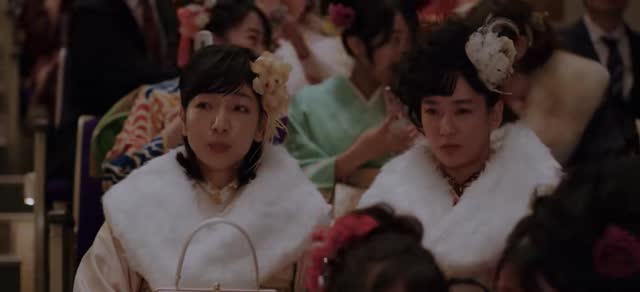
Asami and Mari are at their Coming-of-Age ceremony. Someone heckles during the mayor's speech, and the two talk about what crime that would be and what the consequences might be.
威力業務妨害罪かな?
Forcible obstruction of business, I guess?
う~ん 市の職員もいるから 公務執行妨害になるんじゃない?
Hmm, there are city employees here, so wouldn't it be obstruction of public duties?
じゃああれだ 3年以下の懲役か 50万円以下の罰金とかかな。
Then it's that one: up to three years in prison or a fine of up to 500,000 yen or something.
そうだね。
Right.
いったん帰されて 後で親と一緒に 出頭するパターンじゃない?
He'd probably be sent home first and then turn himself in later with his parents, wouldn't he?
その後の調べで 目立ちたかった やり過ぎた~と反省だ。
And in the questioning afterward, he'd say "I wanted to stand out, I went too far", and reflect.
あと 会社によってはクビだろうね。
And depending on the company, he'd probably get fired.
学生でも何かしらの 処分はあるんだろうけど。
Even a student would get some kind of punishment, I'd think.
すごい覚悟だね。 そうだね。
That's some serious resolve. / Yeah.
たった数分間 目立ちたいがために。
All just to stand out for a few minutes.
気合い入ってんな~。
Wow, they really went all out.
Speaking notes
〜がために: a trace of classical Japanese
威力業務妨害 vs 公務執行妨害: decided by the target
〜によっては: partial affirmation with は

At karaoke after the Coming-of-Age ceremony, Fukuda announces he'll change the music industry and everyone cheers him on. Mari thinks he's being flattered into a misunderstanding and wants to tell him the truth, but Asami thinks that's a bad idea.
てかさ みんなもよくないよね。
Honestly, I think everyone's at fault too.
みんな? ああやってチヤホヤするからさ→
Everyone? / Because they gush over him like that,
勘違いしちゃってる部分も あると思うんだよね。
I think part of him has gotten the wrong idea.
まぁ 福ちゃんもね 単純なところあるからね。
Well, Fuku does have a naive side.
私 言おうかな。 えっ? 何て?
Maybe I should say something. / Huh? Say what?
いや 無理だと思うよって。
Like, "I don't think you can do it."
え~ ちょっと それはストレート過ぎない?
Ehh, isn't that a bit too blunt?
もちろんさ 最終的には本人の判断だけどさ→
Of course, in the end it's his own decision, but
でも 1人ぐらい厳しいこと 言ってあげる人がいたほうが→
I think it'd be good to have at least one person who'd tell him the hard truth.
いいと思うんだよね。 う~ん…。
Hmm... / Hmm...
Speaking notes
「あげる」, the second of the three giving/receiving verbs
〜すぎない?: softening criticism with a negative question
mimetic word + する as a verb

Asami tries to talk Mari out of telling Fukuda the hard truth. He himself doesn't expect it to be easy to make it big, and success isn't the same as happiness. Setbacks teach you things too, so they should just cheer him on as childhood friends.
本人も そう簡単に売れるとは 思ってないと思うよ。
I don't think he himself thinks he'll make it that easily.
ホント? 「音楽業界 変える」とか 言ってたよ?
Really? He was saying things like "I'll change the music industry", though.
それは リップサービスでしょ。
That's just lip service.
そうかなぁ?
You think so?
それにさ 普通に売れるだけが 幸せじゃないと思うんだよね。
Besides, I don't think just selling well is the only kind of happiness.
挫折して学ぶこともあると思うし。
I think there are things you learn from setbacks, too.
そうだけどさぁ。
True, but still...
だから うちらは 売れても売れなくても→
So whether he makes it or not,
幼なじみとして応援してあげたら いいんじゃないかな?
why not just cheer him on as childhood friends?
そっか。
I see.
じゃあ 応援するか。 うんうん それがいいと思う。
Okay then, let's cheer him on. / Yeah, I think that's best.
Speaking notes
応援してあげたら: the same あげる, a different warmth
〜とは思ってない: と vs とは
〜ても〜なくても: a pair meaning "either way"

At karaoke after the ceremony, Asami sits with Natsuki and Miho. They praise Asami for always being top of the class, and mention there was even a rumor that she was on her second time through life. Asami denies it out loud while thinking otherwise.
麻美ちゃん ずっと成績トップだったもんね。
You were always at the top of the class, Asami.
トップだった うちらとはさ 次元違ったよね。
At the top. We're on a different level from you.
そんなことないよ~。 ⟨生きてる回数が違うだけ⟩
That's not true. / (It's just that I've lived a different number of times.)
マジで 麻美ちゃん タイムリープ説あったからね。
Seriously, there was a theory that you were a time-leaper.
あ~! あったよね。
Ah! / Yeah, there was.
言ってたね! 人生2周目じゃない?って。
People said it! "Isn't she on her second life?"
そんなこと言われてたの? 全然 知らなかったよ。
People were saying that about me? I had no idea.
⟨2周目どころか 4周目だけどね⟩
(Second life? It's more like my fourth.)
でもさ 誇らしいよね こんなさ 同級生で すごい人いて。
But it makes you proud, doesn't it, having someone this amazing as a classmate.
それはあるね 自慢の同級生だもん。
True, she's our pride and joy of a classmate.
うちらとか会ってもらえない…。 会ってもらえない…。
People like us wouldn't get to see her... / Wouldn't get to see her...
Speaking notes
「もらう」, the third giving/receiving verb: all three in one episode
〜どころか: far beyond the previous item
言われてたの?: passive + てる + の
read together with 「気を使われている」 in Episode 6

Asami runs into Shizuka, Fukuda's wife, at the station. Shizuka says his music is going nowhere and that bringing it up leads to fights. She wants children, but he says they can't have any until he makes it.
福ちゃん元気? 元気だよ。
How's Fuku doing? / He's fine.
まぁ音楽のほうは さっぱりだけどね。
Well, the music side of things is going nowhere, though.
そっか そうだね なかなか難しいよね。
I see. Yeah, it's a tough business.
私は そろそろ現実 見てほしい って思ってんだけどね。
I kind of wish he'd face reality by now.
生活があるもんね~。
You've got to make a living, after all.
でも あんま言うとさ ケンカになっちゃうからさ。
But if I say too much, it turns into a fight.
う~ん そっかそっか 言いづらい空気なんだね。
Mm, I see, I see. So it's an atmosphere where it's hard to bring up.
そう… ホントはさ 子供も欲しいんだけど→
Right... Actually, I'd like to have a child too, but
売れるまではつくれない って言うからさ。
he says we can't have one until he makes it.
⟨こればっかりは 何も言ってあげられない⟩
(On this one thing, there's nothing I can say for her.)
でもさ 両親は会うたびに→
And my parents, every time we meet,
早く孫が見たい って言ってくんだよね。
keep telling me they want to see a grandchild soon.
そっか それはつらいね…。 そう。
I see, that must be hard... / Yeah.
Speaking notes
言ってくんだよね is NOT 「くれる」
言ってあげられない: あげる + potential + negative
〜てほしい: whose wish is it?
〜づらい vs 〜にくい: psychological difficulty

Asami tells Shizuka that if it is really so hard, it's not a bad thing to take separation into consideration. Shizuka admits she's thinking about divorce, and Asami adds that if she's going to decide, her twenties would be the time.
ん~ まぁ ちょっと結婚してない 私が言うのもあれなんだけどさ→
Well, it's a bit awkward for someone unmarried like me to say this, but
もし しーちゃんが ホンットに つらいんだったら→
if you're really having such a hard time, Shi-chan,
別れることを視野に入れても いいんじゃないかな。
I don't think it's wrong to consider separating.
あぁ…。
Ah...
まぁ そうだよね いや実は ここだけの話→
Yeah, you're right. Actually, between you and me,
離婚も考えてんだよね。
I've been thinking about divorce too.
まぁ 考えるよね。 そう。
Well, you would think about it. / Right.
⟨ここはあえて引っ張る⟩
(Here I'll deliberately drag it out.)
でもね…。 うん?
But, you know... / Hm?
離婚を選択するっていうのは 決して悪いことではないと思う。
I don't think choosing divorce is ever a bad thing.
ただ正直 決断するんだったら→
It's just that, honestly, if you're going to decide,
20代のうちのほうが いいかなとは思う。
I think it's better to do it while you're still in your twenties.
そうだよね。
You're right.
Speaking notes
〜んだったら: taking up what the other person said as a condition
言うのもあれなんだけど: the all-purpose 「あれ」
視野に入れる: why not just 「考える」?
〜うちのほうが: while the state lasts

Asami meets teacher Mita at the station and asks him to have tea at the Gusto next door, saying it's not a good place to talk standing up. He first says he doesn't have much time, but finally agrees to take the train one later.
あの~ もしあれだったら 立ち話もなんなんで→
Um, if it's all right, standing here talking isn't really...
ちょっとお茶しませんか? お茶?
Would you like to have some tea? / Tea?
ちょっと内容も内容なんで もしよかったら そこのガストで。
It's a bit of a sensitive matter, so if you don't mind, at the Gusto over there.
お茶か… 先生 そんなに時間ないんだけど。
Tea, huh... I don't have that much time, you know.
⟨これは断りづらいはず⟩
(He should find this hard to refuse.)
じゃあ電車1本だけ遅らせるよ。
Well then, I'll take the train one later.
ありがとうございます。 え~ 何かすいません。
Thank you very much. / Oh, sorry about this.
⟨よし⟩
(Good.)
Speaking notes
立ち話もなんなんで: swallowing the evaluation you can't say
内容も内容なんで: "N も N だ" hands the evaluation to the listener
遅らせる: intransitive, transitive, causative
断りづらいはず: a calculated 「づらい」

Back at her parents' home, Asami is asked by her younger sister Haruka whether she is on her second time through life, because she was top of the class from elementary school to high school. Haruka adds that, as Asami's sister, teachers expected a lot of her at first and were then disappointed.
ていうかさ お姉ちゃん人生2周目でしょ。
Anyway, sis, you're on your second life, aren't you?
え?
Huh?
え? じゃないと つじつま合わなくない? 何が?
"Huh?" Otherwise it doesn't add up, does it? / What doesn't?
だってさ お姉ちゃん 小中高 ずっと成績トップだったでしょ。
I mean, you were top of the class all through elementary, middle and high school.
あ~ まぁ そうだね。 そんなの1周じゃ無理だよ。
Ah, well, yeah. / That's impossible in one lifetime.
そんなことないよ。 私なんか→
That's not true. / Me, I...
お姉ちゃんの妹ってことで 超ハードル上げられるからね。
Being your sister, the bar gets raised super high for me.
そうなの? そうだよ。
Is that so? / It is.
入学初日に 先生から軽く一目置かれるの。
On the first day of school, the teachers already look up to me a little.
それで大体 1学期 終わるころに 何か あれ?ってなんの。
Then by about the end of the first term, it turns into "huh?"
でも 遥だって 結構 成績いいでしょ?
But you do pretty well in school too, Haruka, don't you?
Speaking notes
being raised / being looked up to: stacked passives
つじつまが合わない: an idiom with an interesting origin
〜ってなんの: contraction of 〜ってなるの
〜ってことで (= ということで)

In the lab, a shared microscope is always left at the previous user's focus. At lunch, Asami and her senior colleague Tae talk about what kind of genius could get away with not resetting the focus, naming Sota Fujii, Shohei Ohtani and Messi.
実際 天才ですしね。 でもさ→
He really is a genius, after all. / But still...
顕微鏡のピント戻さなくても いいほどの天才ではないよね。
he's not the kind of genius who doesn't have to reset the microscope's focus.
確かに ピント戻さないんだったら→
True. If he's not going to reset the focus,
もうちょっと天才じゃなきゃ いけないですね。
he'd have to be a bit more of a genius.
だよね。 うん。
Right? / Yeah.
ちなみに ピント戻さなくてもいい 天才って誰だろうね。
By the way, who would be a genius who doesn't have to reset the focus?
あ~ 今だったら 藤井聡太君とかですかね。
Ah, for right now, someone like Sota Fujii, I guess.
あ~ 彼は戻さなくてもいいね。 あと大谷翔平とか。
Ah, he wouldn't have to reset it. / And Shohei Ohtani, too.
うん 戻さなくていい 何なら全部 出しっぱでもいい。
Yeah, he wouldn't have to. In fact, he could leave everything out.
そうですね。 あとメッシね。
Right. / And Messi.
うん サッカーの。
Yeah, the soccer player.
あのドリブルは ピント戻さなくていいね。
With that dribbling, he wouldn't have to reset the focus.
そうですね。
Right.
Speaking notes
〜ほどの: the grammar behind this whole gag
〜なくてもいい vs 〜なきゃいけない
〜しね: listing a reason + asking for agreement
出しっぱ: short for 「〜っぱなし」

Younger sister Haruka is bringing her boyfriend home on Sunday. Her father Hiroshi is convinced he's coming to ask for her hand and worries about what to wear. Asami suggests he put on his "first-team" clothes.
娘さんを僕に下さいって 言われる側の服装。
I mean, what the one being told "please give me your daughter" should wear.
言われる側は…。
The one being told...
普通でいいんじゃない?
Isn't ordinary fine?
いや 普通っつっても さすがに これじゃまずいでしょ。
No, ordinary or not, I really can't wear this.
あっ さすがに それはまずいかもね。
Ah, yeah, this really wouldn't do.
一応さ 一軍の服にしとけば? あっ ありがとう。
To be on the safe side, why not go with your first-team clothes? / Ah, thanks.
一軍ね… あっ 一軍か。
First team, huh... Ah, first team.
ちょっと待ってて。
Wait a moment.
あぁ 一軍ね 一軍か。
Ah, first team, right. First team.
ここかな。
I guess it's here.
どう? うん いいんじゃない?
How about this? / Yeah, it looks good.
清潔感あるし。 だよね。
It looks clean and neat. / Right?
じゃあ これにしよ。
Okay, I'll go with this.
Speaking notes
娘さんを僕に下さい: the oldest form of the giving verbs
言われる側: passive + 側 = turning a position into a noun
〜にしとけば? (= 〜にしておけば, a suggestion)
一軍: a baseball term in everyday use

Back in her hometown, Asami has tea with Mari and runs into Natsuki and Miho. After a few words the two leave, and Asami and Mari talk about the subtle atmosphere and this kind of distance between classmates.
そうだよね でもさ2人が そんなつもりじゃなかったら→
Right. But if those two didn't mean it that way,
悪いから こっちからは言いづらいよね。
it'd be awkward, so it's hard for us to say anything first.
言いづらいよね まぁ 向こうも そうかもしれないけどね。
It is hard to say. Well, they might feel the same way, though.
でもさっきもさ 一瞬 これどっち?みたいな空気が→
But even just now, for a moment, an atmosphere of "which is it?" drifted by,
流れたよね? あ~ 流れたね。
didn't it? / Ah, yeah, it did.
ねぇ~。
Right?
私が言ったら 2人 ここ座ってたかな。
If I'd said something, would those two have sat down here?
どうだろう まぁ 微妙だよね~。 分かんないよね~。
Who knows. Well, it's a delicate thing. / Can't say, can we?
何かさ これぐらいの距離感の 同級生って→
You know, classmates at this kind of distance
難しいよね。 難しいね。
are hard. / They are hard.
Speaking notes
空気が流れる: the atmosphere drifts by
そんなつもりじゃなかったら: つもり = intention
言いづらい (third time in the episode)
座ってたかな: past counterfactual + かな

Mari pulls out the purikura they took together at Round One back then. She says Asami's back at the machine had a sadness that didn't fit a middle schooler, then asks: which time through life are you on?
⟨ホントは超覚えてる⟩
(Truth is, I remember it very clearly.)
中2とは思えない哀愁が 背中からバ~って出てたよ。
A sadness you wouldn't expect from a second-year middle schooler was just pouring off your back.
え~? ホント?
Really? Is that so?
⟨それはきっと130歳の哀愁⟩
(That must have been the sadness of a 130-year-old.)
で 私が声かけて で このプリ撮ったんだよ。
Then I spoke to you, and then we took this purikura.
そうか~…。
I see...
そういえばさ 前から聞きたかったんだけど…。
Come to think of it, there's something I've wanted to ask you for a while...
うん 何?
Yeah, what is it?
あーちん 何周目?
A-chin, which lap are you on?
えっ? 何?
Huh? What?
何周目? 人生。
Which lap? Of life.
人生…?
Of life...?
Speaking notes
〜とは思えない: a far stronger denial than 「思わない」
バ~って: mimetic word + って as an adverb
声をかける: why not 「話しかける」?
何周目?: the heart of the whole drama