LearnWithSubs

ブラッシュアップライフ Episode 4

This episode collects 14 dialogue scenes: friends chatting (about where spoilers begin), a classroom debate, setting ground rules with a boyfriend, jargon on a TV drama set, running into a former classmate at the station, and an indirect invitation to tea. The main focus is 「仮に〜としても」 for arguing a point, plus indirect invitations and trade jargon.

Language highlights

  • 「〜としたら」("if it were the case that...", flagging a pure hypothetical)
  • 「仮に〜としても」("even supposing that...", conceding a point before rebutting)
  • 「〜たいのはやまやま」("I'd love to, but...", the setup for a refusal)
  • 「メシ押し」(set jargon: skipping the meal break to shoot straight through)

Scenes on this page

  1. Girls' lunch: how would you like to be cooked as a mackerel?

    Scene 1 · 0:30

    Expressions: 〜としたら, 〜される(受身)と 立場のズレ, 〜たり〜たりする

  2. Where does a spoiler begin?

    Scene 2 · 0:28

    Expressions: 仮に〜たら, 〜じゃん? で結論を押しつける, 〜に決まってる

  3. What's safe to talk about? Asashoryu

    Scene 3 · 0:17

    Expressions: 〜なら平気, 〜とか?(提案のぼかし), やりとり

  4. Collective responsibility, round three: take apart the definition

    Scene 4 · 0:30

    Expressions: 〜思いをする, 仕向ける, 〜わけじゃない(攻めに使う)

  5. Collective responsibility, round three: the right to education

    Scene 5 · 0:20

    Expressions: 仮に〜としても, 〜させる義務/〜する権利, 昭和的

  6. The one thing it took three lives to learn

    Scene 6 · 0:24

    Expressions: 〜ときゃよかった, 〜のが一番, 〜かけて

  7. Ground rules: anything but pachinko

    Scene 7 · 0:27

    Expressions: 〜だけは, 〜が無理, 数えるぐらい

  8. This time I'm the one being dumped Single line

    Scene 8 · 0:15

    Expressions: 合わない, 〜と思うんだよね, 俺ら

  9. At the TV station: what does an AP do?

    Scene 9 · 0:28

    Expressions: 〜とは〜のこと/〜の略, 一言で〜といっても, 承知しました

  10. Catharsis: who brought that word in?

    Scene 10 · 0:16

    Expressions: 仕入れてくる, やたら, 意味も分からず

  11. Set jargon: メシ押し

    Scene 11 · 0:28

    Expressions: 〜たところで, 〜てもらってます, 巻く(業界用語)

  12. Speeding up depends on everyone wanting to Single line

    Scene 12 · 0:30

    Expressions: 〜がちになる, そぐ, 〜という気持ち/〜ということを伝える

  13. A heavy topic to hear standing at the station

    Scene 13 · 0:26

    Expressions: 〜には〜すぎる, 〜たびに, 〜とか言う

  14. Shall we have tea? Just to keep him here

    Scene 14 · 0:31

    Expressions: 〜たいのはやまやま, 〜も何なんで, 〜だって / あんた

Speed
All scenes

Girls' lunch: how would you like to be cooked as a mackerel?

This scene

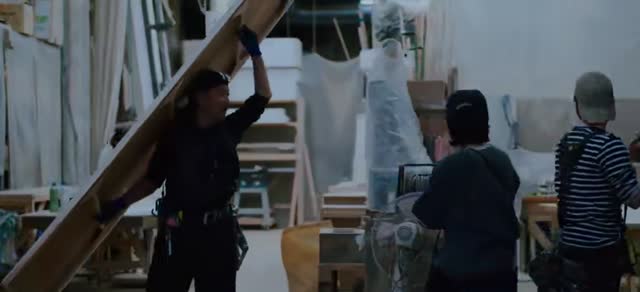
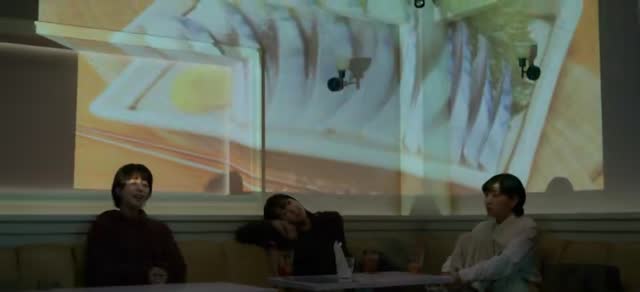
ブラッシュアップライフ Episode 4 Girls' lunch: how would you like to be cooked as a mackerel? still

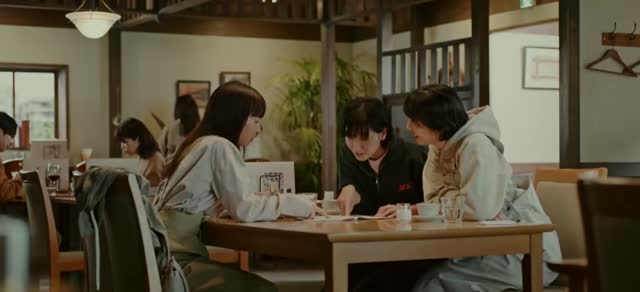
Asami tells Natsuki and Miho that her next life is as a mackerel in the Indian Ocean. Miho seriously debates whether she'd prefer to be salt-grilled or simmered in miso, and only Asami questions the premise.
  1. 美穂

    If you were reborn as a mackerel, which would you want to be, salt-grilled or simmered in miso?

  2. 夏希/麻美

    Ah, that's a tough one! / So the premise is that you get eaten?

  3. 夏希/美穂

    I think I'd go with salt-grilled. / Oh, me too! What about you, Aa-chin?

  4. 麻美

    Uh... pickled mackerel.

  5. 美穂/夏希

    Oh, pickled mackerel is good too! / Pickled mackerel, yes!

  6. 麻美

    I mean, wouldn't you hate being boiled or grilled in the first place?

  7. 夏希

    But as a side dish, wouldn't salt-grilled be better?

  8. 美穂/麻美

    Right, right... / As a side dish?

  9. 美穂/夏希

    Pickled mackerel is something you want to eat while drinking sake, isn't it? / I do want that.

  10. 麻美

    You just said "want to eat"!

Speaking notes

〜としたら

flags the premise as purely hypothetical

「サバに生まれ変わるとしたら、塩焼きと味噌煮どっちがいい?」 = "If you were reborn as a mackerel, would you prefer salt-grilled or miso-simmered?"
「としたら」 sets up a purely hypothetical premise, then discusses things on the basis of it.
⚠ How it differs from 「〜たら」:
• 〜たら = it could actually happen
• 〜としたら = explicitly flags "this is only a supposition"
• 〜なら = picks up the topic the other person just raised
So the moment Miho says this, the absurd premise is formally established, and the three of them start discussing it with a straight face.
(Episode 7, scene 5, 「住むとしたら どのフロアにする?」, is the same usage: they know it can't happen, yet seriously pick one.)
〜される(受身)と 立場のズレ

the active and passive voice stand on opposite sides of the dinner table

⚠ The joke in this passage lies entirely in whose side each speaker is on:
• Miho and Natsuki take the eater's viewpoint: 「おかずとしてだったら塩焼きのほうがよくない?」
• Asami takes the viewpoint of the one being eaten: 「煮たり焼いたりされるのは嫌じゃない?」 (passive)
The same event, with active and passive voice standing on opposite sides of the table.
And at the end Miho's 「食べたい」 gives away that she never left the eater's side, and Asami catches her on the spot: 「『食べたい』って言っちゃってるじゃん」.
⚠ Here the Japanese passive is not just grammar but a declaration of standpoint. To tell which side a speaker is on, it is enough to see whether the verb has gone passive.

〜たり〜たりする

two representative actions, implying 'and other things like that'

「煮たり焼いたり」 = "boiled and grilled and so on"
「たり〜たり」 lists a few representative actions of the same kind, implying "and more"; it is not an exhaustive list.
⚠ Two rules to note:
• It normally comes in a pair (a single 「〜たりする」 also exists, but that is a different use: one example hinting at others)
• 「する」 goes at the end (here in the passive: 煮たり焼いたりされる)
Connection: verb た-form + り.
Register differences among ways of listing:
• 〜たり〜たり (colloquial, for actions)
• 〜とか〜とか (colloquial, nouns too, and can also soften a statement)
• 〜や〜といった (formal, Episode 3, scene 12)

Key vocabulary

締めサバ しめサバ
締めサバ: mackerel cured in salt and vinegar. Raw mackerel pickled with salt and vinegar, a typical izakaya snack.
悩ましい なやましい
悩ましい: troublesome; hard to decide. It also has an old sense of "alluring", but in modern speech it is used almost only in the first sense.
サバ
サバ: mackerel. Written 「鯖」 in kanji.
塩焼き しおやき
塩焼き: salt-grilling. The most basic way to cook fish in Japan.
味噌煮 みそに
味噌煮: simmered in miso.
おかず
おかず: a side dish to go with rice. Contrasts with 「ご飯」.

↑ Scenes on this page

Where does a spoiler begin?

This scene

ブラッシュアップライフ Episode 4 Where does a spoiler begin? still

The three are talking about last night's episode of TRICK, which only Natsuki hasn't seen. Asami asks whether saying just "was it good?" is okay, and Natsuki won't even allow that, giving her reasons.
  1. 夏希/麻美

    Well, I'd rather you didn't say anything. / Not even that?

  2. 美穂/夏希

    Surely whether it was good or not is okay? / No, because

  3. 夏希

    if I hear it was good, my expectations go up oddly high

  4. 夏希

    and I can't enjoy it purely, and if I hear it wasn't good,

  5. 夏希/美穂

    I lose any desire to watch it, right? / Well, that's true, but...

  6. 麻美

    Then how much can we say?

  7. 夏希/麻美

    Oh, whether it aired or not is fine. / Of course it aired!

  8. 美穂

    We're trying to talk about it because it aired!

  9. 夏希

    But everything else would be a spoiler.

Speaking notes

仮に〜たら

'hypothetically': a signal that reasoning is about to start

「仮に面白かったって聞いたら、変に期待値上がって純粋に楽しめない」 = "If I hear it was good, my expectations go up oddly, and I can't enjoy it purely."
「仮に」 is a signal word added to 「〜たら」 to make it clear that "this is just for the sake of argument, not real."
⚠ It is often used when working through a line of logic: Natsuki wants to show that saying either "good" or "not good" does harm, so she supposes each case in turn:
• 仮に面白かったって聞いたら → expectations get too high, spoiling the fun
• 面白くなかったって聞いたら → she doesn't want to watch
⚠ When you hear 「仮に」, get ready for a stretch of reasoning.
(In Episode 8, scene 10, 「仮に2人を止めて救ったとしても」 uses the same signal word; that time the conclusion of the reasoning was that even if she saved her friends, others would still die.)

〜じゃん? で結論を押しつける

turning a conclusion into 'common knowledge' to make it hard to argue with

The structure of Natsuki's whole speech:
① It opens with 「だって」 (because, you see)
② Two cases are reasoned out in turn
③ It closes with 「〜じゃん?」 ("right?")
⚠ 「じゃん」 packages the conclusion of the reasoning as "isn't it obvious?", making it hard for the listener to push back.
All Miho can say is 「いや、そうだけどさ」 ("well, that's true, but..."), and 「そうだけど」 is the standard reaction when you're blocked by a pattern like this: concede first, then get ready to counter (though often you can't).
「じゃん」 is the Kanto colloquial version of 「じゃない」; the Kansai equivalent is 「やん」.
(In Episode 3, scene 3, the same trick is used to argue that white coats should be black.)

〜に決まってる

a strong assertion: 'it goes without saying'

「したに決まってんじゃん」 = "Of course it aired, obviously!"
「〜に決まっている」 means "it needs no thought; it can only be so." It is strong, with a touch of impatience at "do you even have to ask?"
In speech it often contracts to 「〜に決まってん」 (+ じゃん).
⚠ Note that it is used for things the speaker is subjectively sure of, not for objective necessity, so it can be wrong, and being wrong is quite embarrassing.
Ladder of assertion strength:
• 〜と思う (I think) < 〜はずだ (it should be, Episode 3, scene 4) < 〜に違いない (it must be) < 〜に決まってる (of course; obviously)
(In Episode 9, scene 17, 「覚えてるに決まってんじゃんね」 is said gently.)

ネタバレ

ネタ is reversed-syllable slang, plus バレる

ネタバレ = a spoiler.
• ネタ = reversed-syllable slang for 「たね」 (seed, material). It began as underworld jargon but is now in general use: ネタが上がる (the evidence comes to light, Episode 3, scene 10), 笑いのネタ (material for laughs), 寿司ネタ (sushi toppings)
• バレる = to be exposed; to come out (intransitive; the transitive is バラす, Episode 10, scene 16)
Together it means "the material has been let out."
Usage: ネタバレする / ネタバレになる / ネタバレ注意 (spoiler alert).
⚠ Japanese has a set of reversed-syllable slang words (逆さ言葉): ネタ (たね), ダフ屋 (ふだ = 札), シータク (タクシー), mostly from the jargon of entertainers and street vendors.

Key vocabulary

期待値 きたいち
期待値: expectation level. Originally a statistics term (expected value); in speech it means "the level of anticipation."
失せる うせる
失せる: to vanish; to fade. 「見る気が失せる」 = to lose the urge to watch. On its own, 「失せろ」 is a very rude "get lost."
純粋に じゅんすいに
純粋に: purely; simply.
放送 ほうそう
放送: broadcast; airing.
ネタバレ
ネタバレ: spoiler. From 「ネタ」 (material, a gag) + 「バレる」 (to come out).

↑ Scenes on this page

What's safe to talk about? Asashoryu

This scene

ブラッシュアップライフ Episode 4 What's safe to talk about? Asashoryu still

Natsuki won't allow any discussion of TRICK, so the three look for a topic totally unrelated to it, and Asami proposes the sumo wrestler Asashoryu.
  1. 麻美/夏希

    So let's talk about something totally unrelated to TRICK, okay? / Right.

  2. 麻美

    Totally unrelated to TRICK...?

  3. 麻美/美穂

    Like Asashoryu? / Ah.

  4. 美穂/夏希

    That has nothing to do with it. / Yeah, Asashoryu is fine.

  5. 麻美

    Asashoryu... he's strong. ⟨Actually, this exchange is the third time around.⟩

Speaking notes

〜なら平気

'everything else is out, but this one is fine'

「朝青龍なら平気」 = "Asashoryu is fine."
「なら」 here sets a limiting condition: other things are out, only this one is allowed.
The core sense of 「平気」 is "unaffected; doesn't bother me", leaning more toward "I don't mind" than 「大丈夫」 does.
Common in daily speech: 辛いのは平気 (I'm fine with spicy food), 徹夜は平気 (I can handle an all-nighter), 平気で嘘をつく (to lie without batting an eye, a negative use).
⚠ Compare 「大丈夫」:
• 大丈夫 = no problem (objectively safe; also used to decline politely)
• 平気 = it doesn't bother me (subjectively unaffected)
(The absurdity of this scene is that, to avoid spoilers, they first have to negotiate a topic that's "absolutely safe.")

〜とか?(提案のぼかし)

making a suggestion look like 'just an example'

「朝青龍とか?」 = "Something like Asashoryu?"
The final 「とか」 makes the suggestion very light: not "let's talk about Asashoryu" but "something like Asashoryu, how about that?"
⚠ That way, if it's rejected, it isn't embarrassing, since it was only an offhand example.
Japanese speakers use this all the time when making suggestions.
Similar "light" suggestions:
• 〜とか? (something like...?)
• 〜でもどう? (how about something like...?)
• 〜とかどうかな (maybe something like...?)
• 〜たりして (it might turn out that..., a self-deprecating suggestion)
⚠ All of these are devices for leaving yourself an escape route: the default stance in a Japanese suggestion is to assume it will be turned down.

やりとり

a noun for one round-trip of back-and-forth

「⟨このやりとりも 実は3回目⟩」 = "This exchange, too, is actually the third time."
「やりとり」 = an exchange; a back-and-forth (of words or things). It is built from 「やる (to give) + とる (to take)」.
⚠ It specifically means an exchange that goes both ways, which makes it suitable for referring to a whole conversation:
• メールのやりとり (an email exchange)
• やりとりが続く (the back-and-forth goes on)
• 金銭のやりとり (an exchange of money)
This thought is the key to the scene: this seemingly offhand chat is one Asami has already gone through, word for word, three times.
⚠ In this drama, the most ordinary conversations often carry the heaviest information, because only Asami knows which round this is.

Key vocabulary

朝青龍 あさしょうりゅう
朝青龍: Asashoryu, a Mongolian-born yokozuna (sumo grand champion) and a household name in Japan in the 2000s.
平気 へいき
平気: unbothered; fine; able to take it.
関係ない かんけいない
関係ない: unrelated; no connection.
全く まったく
全く: completely; utterly. With a negative, it means "not at all."

↑ Scenes on this page

Collective responsibility, round three: take apart the definition

This scene

ブラッシュアップライフ Episode 4 Collective responsibility, round three: take apart the definition still

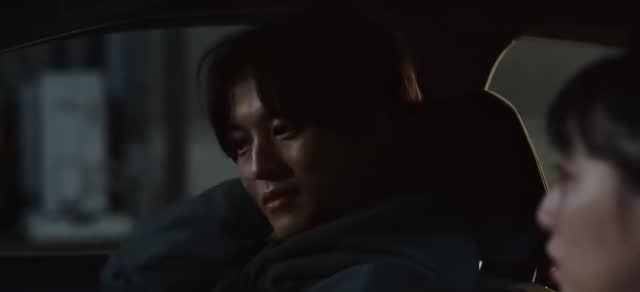
The social studies teacher, Mita, calls the passing of a note "collective responsibility". Asami raises her hand and asks for the definition, pointing out that he is deliberately arranging things so the whole class gets dragged in.
  1. 麻美

    No, you're saying that when someone's mistake or fault causes trouble,

  2. 麻美

    for example, if someone spills milk in the classroom, everyone has to put up with the smell,

  3. 麻美

    or if someone breaks a window, everyone has to sit in the cold,

  4. 麻美

    that's what you mean, right? Isn't that different from collective responsibility?

  5. 三田/麻美

    How is it different? / This time,

  6. 麻美

    it wouldn't normally cause us any direct trouble,

  7. 麻美

    and you're just setting it up so that it does, aren't you, sir?

  8. 麻美

    I don't think a situation like this really exists in society.

Speaking notes

〜思いをする

turns an adjective into a lived experience

「みんなが臭い思いをする」「みんなが寒い思いをする」 = "everyone ends up with a bad smell to put up with / ends up out in the cold"
「〜思いをする」 turns an adjective into "personally going through that feeling."
⚠ It is used overwhelmingly for unpleasant experiences:
• つらい思いをする (to suffer) • 悲しい思いをする (to be saddened)
• 恥ずかしい思いをする (to be embarrassed) • 痛い思いをする (to get hurt)
• 寂しい思いをさせる (to make someone feel lonely, the causative, Episode 5, scene 8)
⚠ Note that the subject must be the person who undergoes it: in Asami's two examples, the ones enduring the smell or the cold are the whole class, not the one who spilled the milk.
That is exactly her argument: real collective responsibility is when the harm naturally spreads to other people.

仕向ける

not 'it just happened' but 'you set it up that way'

「先生がかかるように仕向けてるだけじゃないですか」 = "You're just arranging things so that it falls on us, aren't you, sir?"
「仕向ける」 = to steer; to maneuver things so that a certain situation arises, with a negative tone: it implies the result is man-made, not natural.
⚠ Asami's whole rebuttal rests on this one word:
The teacher claims "collective responsibility" teaches how society really works (one person's error or fault naturally spreads to others), but she points out that this "burden" doesn't arise naturally; the teacher is manufacturing it himself.
「〜ように仕向ける」 is a fixed collocation.
⚠ The 「〜思いをする」 from the previous note becomes her weapon here: spilled milk → everyone naturally smells it (genuinely collective); the teacher punishes the whole class → everyone is forced to bear it (artificially collective). She uses the same grammar to tell the two apart.

〜わけじゃない(攻めに使う)

used for attack here; in Episode 2 it was a defense

「私たちに直接 迷惑がかかるわけじゃないこと」 = "something that doesn't directly cause trouble for us"
「わけじゃない」 denies the conclusion one would draw by reasoning, not the fact itself (partial negation).
⚠ Compare 「そういうわけじゃないけど」 in Episode 2, scene 7: the same phrase, used two ways:
• Episode 2: Asami, misread by the teacher, uses it to defend herself ("that's not what I meant") → the other person takes over the conversation
• Here: she uses it to attack ("that isn't something that spreads to us at all") → she dismantles the teacher's premise first, then gives the real cause
The difference: in defense, you only deny the inference without making a claim; in attack, you deny and then immediately supply your own conclusion (「仕向けてるだけ」).
⚠ That is the gap of three lives: the same grammar, and on the third try she finally knows how to use it.

Key vocabulary

過ち あやまち
過ち: a mistake; a fault. More solemn than 「ミス」, with a moral tinge.
こぼす
こぼす: to spill. The intransitive form is 「こぼれる」.
窓ガラス まどガラス
窓ガラス: window glass.
割る わる
割る: to break; to smash. The intransitive form is 「割れる」.
状況 じょうきょう
状況: situation; circumstances.
直接 ちょくせつ
直接: direct; directly. The opposite is 「間接」.

↑ Scenes on this page

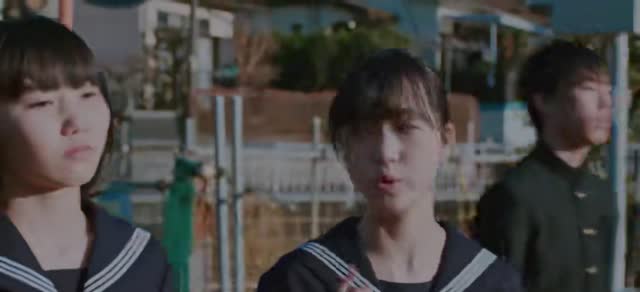
Collective responsibility, round three: the right to education

This scene

ブラッシュアップライフ Episode 4 Collective responsibility, round three: the right to education still

Mita says such things happen in society and the students just don't know it. Asami argues back, pointing out that a teacher has a duty to see that students are educated and that students have a right to be educated.
  1. 三田

    They do exist; you just don't know about them.

  2. 麻美

    No, I think normally they don't.

  3. 麻美

    Even if they did, in the age we're heading into,

  4. 麻美

    I think that sort of Showa-style culture will gradually be fixed.

  5. 三田/麻美

    How dare you be so cheeky! / And more fundamentally,

  6. 麻美

    you have a duty to have us receive an education,

  7. 麻美

    and we have a right to receive an education, don't we?

  8. 麻美

    I think it's not right for you to deliberately obstruct that.

Speaking notes

仮に〜としても

accept the other side's claim in full, then show it changes nothing

「仮にあったとしても、これからの時代そういう昭和的な体質は改善されていく」 = "Even if there were such cases, in the times to come that kind of Showa-style culture will be reformed."
Its job is to take the other side's claim whole and then show that even if you accept it, your own conclusion stands, leaving the opponent nothing more to argue on that point.
⚠ This is one of the most powerful patterns in Japanese essays and debates. In formal settings, 「たとえ〜としても」 is also used.
The ladder of concessive patterns (all have appeared in this drama; best learned as a set):
• 〜ても (even if...)
• 〜にしても (even so, Episode 3, scene 7)
• 仮に〜としても (even supposing..., used by Mari in Episode 8, scene 10 to argue "you can't save everyone")
• 〜ならまだしも (if it were only..., Episode 9, scene 15)

〜させる義務/〜する権利

one causative form settles who owes the duty

「先生には教育を受けさせる義務があって、私たちには教育を受ける権利がありますよね?」
⚠ This pair follows the wording of Article 26 of the Japanese Constitution.
Note how the causative is used:
• 受けさせる義務 (causative) = the duty to have others receive education → the duty lies with the provider
• 受ける権利 (non-causative) = the right to receive education yourself → the right lies with the recipient
One causative form fixes the direction of responsibility.
⚠ This is also a common misunderstanding in Japan: the constitution says it is adults' duty to see that children are educated, not that children have a duty to go to school.
A junior-high student reciting the constitution at her teacher on the spot: the absurdity and the satisfaction of this scene are both here.

昭和的

an era name used like an adjective: old-fashioned

「そういう昭和的な体質」 = "that kind of Showa-style culture"
「昭和的」 = old-school; outdated; with the ways of that era, almost always negative, referring to the spirit-over-everything attitude, corporal punishment, overtime culture and so on.
「noun + 的」 is an all-purpose suffix that turns nouns into na-adjectives: 日本的、現代的、感情的, 意図的 (which also appears in this scene), 物理的 (Episode 3, scene 7).
⚠ 「体質」 here is not "physical constitution" but "the inherent character of an organization or group": 会社の体質 (a company's culture), 古い体質 (an old-fashioned culture).
⚠ Using an era name as an adjective is a Japanese feature: 昭和 (dated), 平成 (slightly nostalgic), 令和 (current); 「昭和かよ」 ("are you from the Showa era?") is a very common retort today.

Key vocabulary

生意気 なまいき
生意気: cheeky; impertinent. Mostly used by elders scolding juniors.
妨害 ぼうがい
妨害: obstruction; interference. A heavy word with a legal flavor; using it here deliberately raises the level of confrontation.
体質 たいしつ
体質: (an organization's) character or culture; constitution. 「昭和的な体質」 = an old-fashioned way of doing things.
改善 かいぜん
改善: improvement. The Toyota production system brought this word into English (kaizen).
義務 ぎむ
義務: duty; obligation.
権利 けんり
権利: right; entitlement.
意図的 いとてき
意図的: deliberate; intentional.

↑ Scenes on this page

The one thing it took three lives to learn

This scene

ブラッシュアップライフ Episode 4 The one thing it took three lives to learn still

Mita drops the argument, says the rest will be settled separately, and tells Asami and the two classmates who passed the note to come to the staff room after class, then resumes the lesson. Asami regrets speaking up.
  1. 三田

    Fine.

  2. 三田

    We'll talk about the rest individually.

  3. 三田/麻美

    When class is over, all three of you come to the staff room. / What?

  4. 三田

    Okay, let's continue!

  5. 麻美(心)

    ⟨Ah... I should have kept quiet.⟩

  6. 麻美(心)

    ⟨Oh...⟩

  7. 麻美(心)

    ⟨It took me three lives to learn:⟩

  8. 麻美(心)

    ⟨keeping quiet is best.⟩

Speaking notes

〜ときゃよかった

the standard way to voice regret, with a three-step contraction

「⟨あぁ… やめときゃよかった~⟩」 = "Ah... I should have kept my mouth shut."
The full form is 「やめておけばよかった」:
やめておく (to refrain for now) → やめておけば (ば-form) → やめておけばよかった
→ colloquial contraction やめとけばよかった → やめときゃよかった
⚠ 「〜ばよかった」 is the standard pattern for regret: "it would have been better if I had... (but I didn't)."
• 行けばよかった (I should have gone)
• 言わなければよかった (I shouldn't have said it)
• 買っときゃよかった (I should have bought it)
⚠ Once again 「ておく」, its fourth appearance in this drama (Episode 2 preparing / Episode 3 freezing / Episode 3 arranging in advance / here, "leave it undone").

〜のが一番

a conclusion that took three lives, in a few plain words

「⟨黙ってるのが一番⟩」 = "Keeping quiet is best."
「〜のが一番(いい)」 says that among all the options this one is best; the final 「いい」 is often dropped.
Very common: 寝るのが一番 (sleep is the best cure), 言わないのが一番 (best not to say it), 健康が一番 (health comes first; nouns work too).
⚠ The weight of this line comes from the one before it: 「⟨3周かけて学んだ⟩」.
What Asami verified over three lives is squeezed into this one plain sentence, which is the point of the scene and also this drama's habitual anticlimax.
(Similar: Episode 9, scene 14, 「思い出は尿意に勝てないということを学んだ」, an academic-sounding conclusion wrapped around a thoroughly undignified realization.)

〜かけて

'spent (time) on': in this drama the unit is a whole life

「⟨3周かけて学んだ⟩」 = "It took me three lives to learn it."
「〜かけて」 expresses the amount of time spent on something and pairs with time words: 3年かけて, 半日かけて, 時間をかけて.
⚠ Keep it apart from 「〜にかけて」 (the range "from... to..."):
• 3日かけて作った (I spent three days making it)
• 月曜から水曜にかけて (over the period from Monday to Wednesday)
And the 「3周」 here is a unit of measure unique to this drama: one whole life.
⚠ The drama's sense of time is built on this unit: 「4周目」「人生2周目」「75年ぶり」「合計232歳」. Understanding these numbers is how you understand the drama's emotions.

Key vocabulary

職員室 しょくいんしつ
職員室: the teachers' room at a school. Being called there is usually bad news.
個別 こべつ
個別: individual; separate. 「個別に話す」 = to talk one-on-one.
黙る だまる
黙る: to fall silent. 「黙ってる」 = to keep quiet.
続ける つづける
続ける: to continue. 「続けま~す」 is set talk, meaning "carrying on."

↑ Scenes on this page

Ground rules: anything but pachinko

This scene

ブラッシュアップライフ Episode 4 Ground rules: anything but pachinko still

Asami lays down ground rules with her boyfriend Tanabe: anything is negotiable except pachinko, because she can't stand people who gamble.
  1. 麻美

    Just don't go to pachinko, okay?

  2. 田邊

    Pachinko? Why?

  3. 麻美

    I just can't deal with people who gamble.

  4. 田邊/麻美

    Oh, I see. / Yeah.

  5. 麻美

    Hm? Do you go now? To pachinko?

  6. 田邊

    Well... only a handful of times.

  7. 麻美

    Then please don't go anymore, okay?

  8. 田邊/麻美

    Got it. / Promise?

  9. 田邊

    Yeah... okay.

  10. 田邊

    Pachinko, right. Yeah.

Speaking notes

〜だけは

pulling one thing out of the background and drawing a line

「パチンコだけは行かないでね」 = "Just don't go to pachinko."
「だけ」 limits things; add 「は」 and it becomes "everything else we can discuss, but this one thing is absolutely out": singling out one item from the background and drawing a red line.
⚠ Compare 「こればっかりは」 in Episode 1, scene 11, which is the same "singling out" pattern:
• こればっかりは (+ negative) = this one thing I can't do (used to refuse)
• 〜だけは (+ prohibition) = this one thing is not allowed (used to forbid)
• 〜ことでしたら (+ possible) = this one thing I can do (Episode 1, scene 12, used to leave an opening)
All three work by contrasting one item against the rest, the basic way Japanese draws a boundary.
⚠ The 「は」 here is the contrastive 「は」 and gets stress.

〜が無理

stronger than 'dislike': refusal with no reasoning

「私さ、ギャンブルする人 無理なんだよね」 = "I just can't stand people who gamble."
「無理」 literally means "impossible", but in speech it is used a lot for "I can't physically stand it / can't accept it":
• 虫が無理 (can't stand bugs) • 朝が無理 (can't do mornings)
• あの人が無理 (I just can't deal with that person)
⚠ Stronger and less reasoned than 「嫌い」:
• 嫌い = dislike (you can still give reasons and be talked around)
• 無理 = there's nothing to be done; I just can't (refuses discussion)
Asami uses this word precisely so the other person won't ask for reasons.
(Her real reason is something she can't say: in her previous life, this man ruined two people's lives through gambling.)

数えるぐらい

claiming 'few' without giving a number

「ん~, まぁ 数えるぐらいだけど」 = "Hmm, well, only a handful of times."
「数えるぐらい」 = few enough to count.
⚠ A typical self-justifying vague expression: it gives no actual number, only "few enough to count", which sounds small but could be anything.
Similar "vague quantity" expressions (the first reaction when pressed and not wanting to answer):
• ちょっとだけ (just a little) • たまに (once in a while)
• 数回 (a few times) • そんなに行ってない (I don't go that often)
⚠ When asked for a number they'd rather not give, Japanese speakers almost never lie and say "zero"; they use words like these to shrink the amount until it sounds harmless.
(And Asami knows exactly how many times he has gone, since she has already seen it all once.)

Key vocabulary

パチンコ
パチンコ: pachinko, a Japanese gambling game machine. 「パチンコに行く」 is the set phrase.
ギャンブル
ギャンブル: gambling (from English "gamble"). The more formal word is 「賭博(とばく)」, which has a legal flavor.
約束 やくそく
約束: promise; agreement. 「約束ね」 = "promise?"
数える かぞえる
数える: to count. 「数えるぐらい」 = so few you could count them.

↑ Scenes on this page

This time I'm the one being dumped Single line

This scene

ブラッシュアップライフ Episode 4 This time I'm the one being dumped still

Tanabe tells Asami that the two of them don't suit each other and proposes breaking up. Asami had been keeping him in line, forbidding gambling and skipping class and nagging him to clean his room.
  1. 田邊

    Sorry. Let's break up.

  2. 麻美

    What?

  3. 田邊

    I guess...

  4. 田邊

    I just think we're not a good match.

  5. 麻美

    Oh...

  6. 田邊

    Yeah.

Speaking notes

合わない

a handy phrase that ends things without blaming anyone

「俺ら 合わないと思うんだよね」 = "I think we're not right for each other."
The line most often used in a breakup.
⚠ The clever part is that it blames neither side: it isn't "you're wrong" or "I'm wrong" but "the combination of the two of us doesn't work."
When applied to relationships, 「合う」 means "to click; to get along":
• 気が合う (to get along) • 話が合う (to enjoy talking together)
• 相性が合う (to be compatible) • ノリが合う (to be on the same wavelength, Episode 9, scene 16)
⚠ In the negative, it becomes a breakup line nobody can argue with: there's no standard for whether you "fit", so there's nothing to defend.
(And this time, the one being dumped is Asami. In her first two lives she was the one who did the dumping.)

〜と思うんだよね

presenting a decision as if consulting the other person

「俺ら 合わないと思うんだよね」: it is actually a decision already made, but it is phrased as "I kind of think..."
Three layers of cushioning stack up:
• と思う = downgrades an assertion to a personal opinion
• んだ (のだ) = adds a tone of "let me explain"
• よね = draws the listener in to agree
⚠ This is the standard packaging when Japanese people deliver a hard decision: it sounds like consultation, but it is not open to negotiation.
Similar "pseudo-consultations":
• 〜かなと思って (I was thinking maybe...)
• 〜ほうがいいかなって (maybe it'd be better to...)
• もう音楽やめようかなと思って (Episode 9, scene 13, where Fuku announces he's giving up music)
⚠ When you hear this kind of structure, don't assume the speaker is really asking for your opinion.

俺ら

he keeps his casual self-reference even in a breakup

「俺ら」 = "we" (male, casual)
「〜ら」 is a casual plural suffix, rougher than 「〜たち」:
• 俺ら • お前ら (used by the teacher in Episode 2, scene 5) • あいつら
• うちら (the female version, used throughout by the childhood friends in this drama)
⚠ Note that he uses 「俺ら」 rather than 「僕たち」 or 「私たち」, which shows how casual this person always is: he can't be bothered to switch to anything more formal, even for a breakup.
Japanese first-person words shift with the occasion (俺 / 僕 / 私 / 自分 / うち), and the occasions where someone still doesn't switch are themselves characterization.

Key vocabulary

合う あう
合う: to fit; to match; to get along. Said of people, it means "to click."
別れる わかれる
別れる: to break up; to part. Not to be confused with 「分かれる」 (to branch off; to divide), which is written with a different kanji.
多分 たぶん
多分: probably; perhaps.
俺ら おれら
俺ら: we (a casual men's word). The women's counterpart is 「うちら」.

↑ Scenes on this page

At the TV station: what does an AP do?

This scene

ブラッシュアップライフ Episode 4 At the TV station: what does an AP do? still

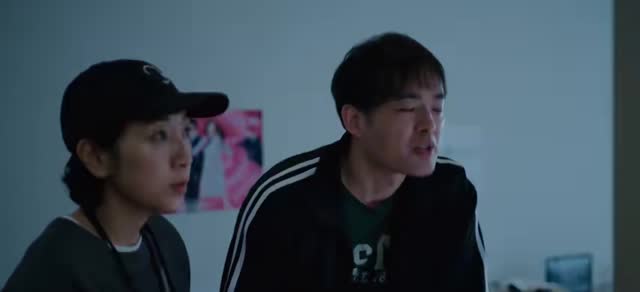
Asami has joined a TV station and works on a drama as an on-set AP (assistant producer). In the morning she greets the actor Usuda, and in her head explains the kinds of AP and what her own job is.
  1. 麻美(心)

    ⟨AP is short for assistant producer.⟩

  2. 麻美(心)

    ⟨Even though people just say "AP",⟩

  3. 麻美(心)

    ⟨there are three kinds: on-set AP, post-production AP, and station-liaison AP,⟩

  4. 麻美(心)

    ⟨and I'm an on-set AP.⟩

  5. スタッフ

    Ms. Usuda has arrived.

  6. 麻美

    Yes, understood.

  7. 麻美/臼田

    Good morning. / Good morning.

  8. 麻美/マネジャー

    Did you find the parking lot? / Yes, we did.

  9. 麻美(心)

    ⟨My job is mainly looking after the cast,⟩

  10. 麻美(心)

    ⟨and making sure the set runs smoothly.⟩

Speaking notes

〜とは〜のこと/〜の略

defining a term, and a landmark for listening

「⟨APとは アシスタントプロデューサーの略⟩」 = "AP is short for assistant producer."
「AとはBのことだ / Bの略だ」 is the standard defining pattern, the fixed format of dictionaries, manuals and teaching.
⚠ In this episode Asami uses it repeatedly to explain industry jargon:
• 「メシ押し」とは (scene 11) • 「出しがある」とは (scene 12)
• 「番手」とは (Episode 6) • 「ツボ教官」とは (Episode 9)
⚠ When you hear 「〜とは」, you know a term is about to be explained and you can follow along with confidence: it's this drama's most useful listening landmark.
Keep two kinds of 「とは」 apart:
• Definition (= というものは): 「愛とは何か」 (What is love?)
• Surprise (= "to think that...!"): 「本人希望のシフトだったとは」 (Episode 9, scene 18)

一言で〜といっても

a signal that something is about to be split into types

「一言でAPといっても、現場AP・仕上げAP・局周りAPの3種類があって」 = "Even though we just say AP, there are three kinds: on-set AP, post-production AP and station-liaison AP."
Used to point out that "under this one word there are actually several kinds, so you can't lump them together"; a breakdown always follows.
Also common in everyday speech:
• 一言で日本料理といっても、地方によって全然違う (Japanese cuisine is not one thing; it differs greatly by region)
• 一口に〜といっても (same meaning, 「一口に」 is more formal)
⚠ It is a signal word that introduces subdivisions and exceptions.
It pairs neatly with the previous note's 「〜とは」:
「〜とは」 gives the definition first → 「一言で〜といっても」 then breaks the definition apart.

承知しました

the middle rung of the 'understood' ladder

「はい、承知しました」 = "Yes, understood."
Levels of politeness:
• 分かりました (general, between colleagues)
• 承知しました (the standard toward superiors and clients)
• かしこまりました (the most formal, in the service industry, Episode 8, scene 18)
⚠ 「了解しました」 is considered not polite enough toward superiors in business (because 「了解」 was originally used from higher to lower), so 「承知しました」 is the general choice at work.
This is one of the things you get corrected on in your first week at a Japanese company.
Asami, as a newcomer facing seniors and the cast's team, uses exactly this level.
(For another common use of 「承知」, see Episode 10, scene 9: 「無理を言ってるのは重々承知しています」.)

到着されました

the third way of making honorifics: れる/られる

「臼田さん 到着されました」 = "Ms. Usuda has arrived."
「到着する」 → 「到着される」: this is one of the three ways of forming honorifics:
① Special forms (the most respectful): いらっしゃる、おっしゃる、召し上がる
② お/ご + ます-stem + になる (standard): お書きになる (「お開けになる」 in Episode 5, scene 15)
③ 〜れる/られる (the lightest level): 到着される, 帰られる, 話される
⚠ The big trap: ③ looks exactly like the passive. 「社長が話された」 can mean "the president spoke" (honorific) or "was spoken to by the president" (passive); only context and particles tell you which.
Why a set uses ③: it is lighter than ① and ②, suited to frequent use at work, respectful without being awkwardly ceremonial. That is why, when reporting an actor's movements on set, people say 「到着されました」 rather than 「ご到着になりました」.

Key vocabulary

円滑 えんかつ
円滑: smooth; without a hitch (of how things proceed, not of a person being smooth). 「円滑に回る」 = to run smoothly.
ケア
ケア: care; looking after someone. At work, it refers to taking care of and liaising with people.
略 りゃく
略: abbreviation; short for. 「〜の略」 = short for...
俳優 はいゆう
俳優: actor. 「俳優部」 is the department in a production crew that handles the cast.
駐車場 ちゅうしゃじょう
駐車場: parking lot.
到着 とうちゃく
到着: arrival.

↑ Scenes on this page

Catharsis: who brought that word in?

This scene

ブラッシュアップライフ Episode 4 Catharsis: who brought that word in? still

The three look through the rating notebook from their old "drama club" and find they used the word "catharsis" constantly. Asami brought the word in from somewhere, and none of them knew what it meant at the time.
  1. 夏希

    You know, from partway through, all three of us

  2. 夏希

    kept using the word "catharsis" like crazy, didn't we?

  3. 美穂

    You're right. I think the word "catharsis"

  4. 美穂

    was something Aa-chin picked up from somewhere.

  5. 夏希/美穂

    Oh, right. / Yeah, that's true.

  6. 美穂

    And then all three of us started saying it.

  7. 夏希/美穂

    We did say it, without even knowing what it meant. / Yeah.

Speaking notes

仕入れてくる

a trading word used for knowledge: gently teasing

「あーちんがどっかから仕入れてきたんだよ」 = "Aa-chin picked it up from somewhere."
「仕入れる」 is a commercial word, to stock up on goods, and applied to "knowledge, information, vocabulary" it carries a hint of teasing: as if the word were merchandise bought wholesale from outside, not something she truly understood.
「〜てくる」 means "to get it and bring it over here."
⚠ The line is a precise dig at Asami back then: she brought 「カタルシス」 into their chats, all three started using it, and the next line is 「意味も分からずね」.
Similar uses: ネタを仕入れる (to get some material for jokes), 情報を仕入れる (to gather information).
(And the reason Asami "stocked up" on it is that she was already on her third life by then.)

やたら

'excessively, for no good reason': an adverb of exasperation

「やたら『カタルシス』って言葉を使ってない?」 = "Weren't we using the word 'catharsis' like crazy?"
「やたら」 means "frequently and without good reason; excessively" and carries negative judgment.
It is often used with 「と」 as 「やたらと」.
Common in daily speech: やたら高い (absurdly expensive), やたら人が多い (crowded for no reason), やたらと絡んでくる (keeps picking at me).
⚠ Differences in register among near-synonyms:
• やたら (colloquial, with exasperation)
• むやみに (written, "indiscriminately")
• むちゃくちゃ (in a mess; also an intensifier, "extremely")
(In Episode 10, scene 16, 「めちゃくちゃアイコンタクト送ってた」 is the intensifier use of the last.)

意味も分からず

classical ず plus も: a tight, self-mocking phrase

「言ってたね、意味も分からずね」 = "We did say it, without even knowing what it meant."
• 「〜ず」 is the classical form of 「〜ないで」 (「決して開けず」 also appeared in Episode 3, scene 2)
• Adding 「も」 stresses "not even the bare minimum of that"
⚠ The whole phrase is compact and self-mocking, much crisper than saying 「意味が分からないのに使ってた」.
This "not even..." use of 「も」 is very common:
• 顔も見たくない (I don't even want to see his face, Episode 2, scene 11)
• 名前も知らない (I don't even know the name)
• 一度も (not even once)
⚠ When classical forms (ず、ざる、がために) show up in modern speech, it is almost always to create a sense of solemnity, and here the solemn content is "the three of us were faking it back then."

Key vocabulary

カタルシス
カタルシス: catharsis (from Greek katharsis). The pleasure of emotional release after a work. The word was already in use in the "drama club" of Episode 2.
言い出す いいだす
言い出す: to start saying; to bring up. 「言い出しっぺ」 = the one who first suggested something (and who is often stuck doing it).
途中 とちゅう
途中: partway; on the way.
確か たしか
確か: if I remember rightly. ⚠ Different from 「確かに」 (certainly): 「確か」 carries uncertainty.
仕入れる しいれる
仕入れる: to stock up; (knowledge, a phrase) to pick up from somewhere.

↑ Scenes on this page

Set jargon: メシ押し

This scene

ブラッシュアップライフ Episode 4 Set jargon: メシ押し still

On the filming set, Asami proposes to the producer Shigeyama that they skip the meal break and shoot straight through to save time, and says she has already contacted the actor's manager to get him to come over.
  1. 麻美(心)

    ⟨"Meshi-oshi" means skipping the meal break⟩

  2. 麻美(心)

    ⟨and shooting straight through in one go.⟩

  3. 麻美(心)

    ⟨That lets us hope to make up quite a bit of time.⟩

  4. 茂山

    What's up?

  5. 麻美

    I was wondering if we could just keep going and skip the meal break.

  6. 茂山

    Well, even if we did, Mr. Tsukachi doesn't come in until 7 p.m.,

  7. 茂山/麻美

    so we'd end up waiting anyway. / It's all right.

  8. 麻美

    I've just contacted his manager and already asked him to head over here.

  9. 茂山

    Really? What about the standby department?

  10. スタッフ/茂山

    Makeup is ready any time. / OK! Let's do that.

  11. 麻美/茂山

    Then I'll let each department know. / Sure thing.

Speaking notes

〜たところで

'even if you do it': dismissing the effort as useless from the start

「メシ押ししたところで、塚地さん入るの19時だから結局 待ちになっちゃう」 = "Even if we skip the meal break, Mr. Tsukachi doesn't come in until 7 p.m., so we'd still end up waiting."
「〜たところで」 means "even if you do that, you won't get the result you want"; a negative or pessimistic conclusion must follow.
⚠ How it differs from 「〜ても」:
• 〜ても = neutral concession (the result may be good or bad)
• 〜たところで = decides from the start that "it will be a waste of effort"
Example: 今から走ったところで間に合わない (even if I run now, I won't make it).
The subtext of the producer's line is "your plan won't work", so Asami's immediate report that "the manager is already on his way" shows that she has already changed that premise.

〜てもらってます

a declaration that 'it's already arranged'

「マネジャーさんに連絡して、もうこっち向かってもらってます」 = "I contacted the manager and have already had him head over here."
Again 「てもらう」: Asami takes the recipient's side, saying "he is coming over for me" instead of just "he is coming."
⚠ The key: using 「てもらう」 declares that "I arranged this, and the other party has agreed."
Compare:
• 向かっています = he is on his way (just relaying an objective fact)
• 向かってもらってます = I've already had him come (I made it happen)
One auxiliary verb decides whether the line is a "report" or "taking credit."
(This is the most practical function of 「てもらう」 at work: you can let people know it was you who did it without saying "I did it.")

巻く(業界用語)

film-set jargon from the speed of winding film

Film and TV set jargon: 「巻く」 = to speed up; to finish ahead of schedule; the opposite is 「押す」 (to run over; to be delayed). The noun is 「巻き」.
It appears repeatedly in this episode:
• かなりの巻きが期待できる (we can expect to make up quite a lot of time)
• 現場を「巻く」ムードにする (to make the set feel like "we're speeding up")
• 押しがちになる (it tends to run late, scene 12)
⚠ The word comes from winding film, as in winding the tape faster.
「メシ押し」 is a home-made compound: メシ (meal) + 押し (pushed back) = pushing the mealtime back and shooting straight through.
⚠ Every trade in Japan has home-made compounds like this (番手・トメ in Episode 6, ツボ教官 in Episode 9); they are easy to build, and the hard part is knowing the meaning agreed on within the trade.

Key vocabulary

省く はぶく
省く: to omit; to cut out. 「手間を省く」 = to save effort.
スタンバイ
スタンバイ: standing by; ready to go (from "stand by"). 「スタンバイ部」 refers to departments such as makeup and costume that get the actors ready.
食事休憩 しょくじきゅうけい
食事休憩: a meal break. The formal term used on set.
マネジャー
マネジャー: manager (of a performer).
メイク
メイク: makeup (the makeup department).
各所 かくしょ
各所: each department; various places.

↑ Scenes on this page

Speeding up depends on everyone wanting to Single line

This scene

ブラッシュアップライフ Episode 4 Speeding up depends on everyone wanting to still

On set, Asami tells everyone that an actor has to leave early for another job (actually made up) to get the shoot moving faster. Inwardly she reflects that speeding up depends on each person wanting to speed up.
  1. 麻美(心)

    ⟨"Dashi ga aru" means that because of other work,⟩

  2. 麻美(心)

    ⟨there is a cast member who has to be sent off early.⟩

  3. 麻美(心)

    ⟨Incidentally, this time it's a lie.⟩

  4. 麻美(心)

    ⟨The most important thing in speeding things up is⟩

  5. 麻美(心)

    ⟨each individual person's feeling of "I want to speed up."⟩

  6. 麻美(心)

    ⟨When the shoot is tough, a mood of giving up, thinking "we'll never speed up anyway,"⟩

  7. 麻美(心)

    ⟨saps concentration and makes things tend to run over.⟩

  8. 麻美(心)

    ⟨So you have to get across that "if we work hard, we can make up time"⟩

  9. 麻美(心)

    ⟨and make the set feel like it's moving faster.⟩

Speaking notes

〜がちになる

a tendency, not a fact, and usually a bad one

「諦めムードが集中力をそぎ、押しがちになる」 = "A mood of giving up saps concentration, and things tend to run over."
「〜がち」 means "tends to...; is apt to..." and is almost always negative:
• 遅れがち (tends to be late) • 忘れがち (tends to forget)
• 休みがち (often absent) • 曇りがち (often cloudy; common in weather forecasts)
⚠ Note that it describes a tendency rather than a fact: not "it already ran over" but "it becomes apt to run over."
Connection: verb ます-stem / noun + がち.
⚠ The near-synonym 「〜っぽい」 (Episode 1, scene 13) is a subjective impression, whereas 「〜がち」 is an objective tendency: 忘れっぽい (he seems forgetful to me) vs 忘れがち (he tends to forget, as a pattern).

そぐ

not taken away all at once but shaved off bit by bit

「集中力をそぐ」 = "to sap concentration"
「そぐ」 originally means to slice or pare off (to shave something thin at a slant), and for abstract things it means "to chip away at the momentum bit by bit."
Fixed collocations: やる気をそぐ (to kill motivation), 興味をそぐ (to dampen interest), 勢いをそぐ (to take the wind out of something).
⚠ More vivid than 「なくす」 (to lose): it isn't gone all at once but scraped away slowly.
This whole passage describes exactly that process:
「どうせ巻かない」という諦めムード (a mood of giving up, "we'll never make up the time anyway") → 集中力をそぐ (concentration is shaved away) → 押しがちになる (so it really does run over)
Asami's job is to reverse that cycle.

〜という気持ち/〜ということを伝える

three jobs of 'toiu' in one passage

「という」 appears three times in this passage, each with a different use:
① 「どうせ巻かない」という諦めムード
 → turns an inner voice into a modifier of "mood"
② 「巻きたい」という気持ち
 → turns a wish into a modifier of "feeling"
③ 「頑張れば巻ける」ということを伝える
 → turns a whole sentence into "the content to be conveyed"
⚠ The core function of 「という」 is just one: to package a stretch of speech into a noun-like element.
Without it, abstract nouns like 「気持ち」「ムード」「こと」 cannot be specified.
In conversation it contracts to 「っていう」 (Episode 2, scene 10), and the more casual form is 「みたいな」 (Episode 6, scene 2).

Key vocabulary

ムード
ムード: mood; atmosphere (from English). 「諦めムード」 = a mood of resignation.
どうせ
どうせ: anyway; in any case (with a resigned, negative tone). 「どうせ無理」 = it's no use anyway.
諦め あきらめ
諦め: giving up; resignation. The verb is 「諦める」.
集中力 しゅうちゅうりょく
集中力: concentration; focus.
キャスト
キャスト: cast; performers.
送り出す おくりだす
送り出す: to send off; to let someone go.

↑ Scenes on this page

A heavy topic to hear standing at the station

This scene

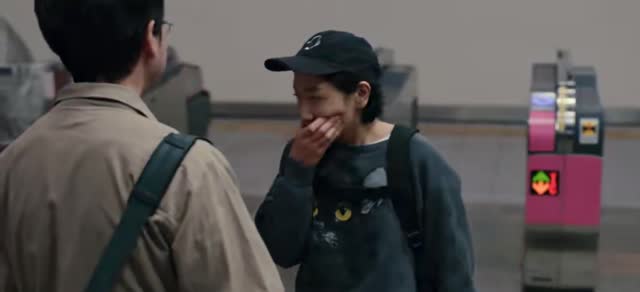
ブラッシュアップライフ Episode 4 A heavy topic to hear standing at the station still

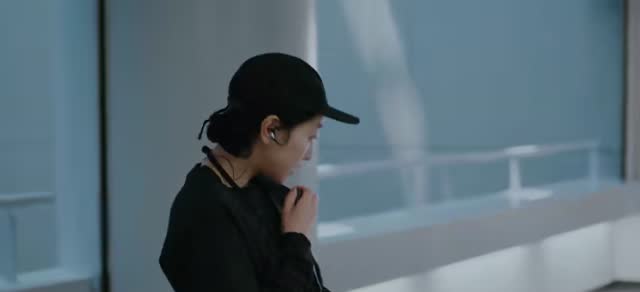
Asami is waiting for someone in front of the station when she runs into her old classmate Shizuka. Shizuka talks about her husband Fuku's musical dreams and her own wish for a child, and Asami nods along while finding it too heavy a topic for a station forecourt.
  1. 静香

    But if I say too much, we end up fighting.

  2. 麻美/静香

    I see. / Actually,

  3. 静香

    I'd like to have kids, too,

  4. 静香

    but he says we can't have them until he's made it and become a proper professional.

  5. 麻美

    Fuku is serious in the strangest places, isn't he?

  6. 麻美(心)

    ⟨This is a pretty heavy topic to hear in front of a station.⟩

  7. 静香

    And on top of that, my parents, every time we meet,

  8. 静香

    say things like they want to see a grandchild's face soon.

  9. 麻美/静香

    That must be hard... / Yeah.

  10. 麻美(心)

    ⟨Heavy, heavy, heavy.⟩

Speaking notes

〜には〜すぎる

'by the standard of this setting'

「⟨駅前で聞くには重めな話だな⟩」 = "It's a rather heavy topic to listen to in front of a station."
Here 「〜には」 marks "measured against this as the standard"; the evaluation that follows is relative to that standard.
⚠ This is the standard pattern for judging whether something suits the occasion:
• 初対面で聞くには失礼な質問 (a question too rude to ask someone you've just met)
• 子供が読むには難しい (too difficult for a child to read)
• 立ち話も何なんで (scene 14, a softer version of the same judgment)
⚠ Note that this is not 「〜にとって」 (from whose point of view, Episode 2, scene 12) but 「〜には」 (by what standard).
What Asami minds is not the topic itself but hearing it in the setting of standing in front of a station.

〜たびに

'every time': you can't escape it, and it grates

「両親は会うたびに、早く孫の顔が見たいとか言ってくるのよ」 = "Every time we meet, my parents tell me they want to see a grandchild soon."
「〜たびに」 means "whenever A happens, B happens", and B is often an unbearable repetition.
Connection: verb dictionary form / noun + の + たびに.
⚠ It stresses "every single time, with no escape" more than 「いつも」 does:
• いつも言われる (I'm always told)
• 会うたびに言われる (I'm told every single time we meet)
Shizuka uses it precisely to complain that "it never ends."
(In Episode 7, scene 10, the same scene's line is 「会うたびに」 + 「言ってくんだよね」; note that the 「くる」 there is not 「くれる」 but "coming at me.")

〜とか言う

adding 'toka' to a quotation to discount it

Shizuka uses 「〜とか言う」 twice:
• 売れるまではつくれないとか言うからさ (he says things like we can't have kids until he's made it)
• 早く孫の顔が見たいとか言ってくるのよ (they say things like they want to see a grandchild soon)
⚠ Adding 「とか」 when relaying someone's words discounts the quotation with a "that's just what they say": on the surface it's vagueness, but in effect it expresses dissatisfaction and a lack of buy-in.
Combined with 「〜てくる」 (directed at me), the resentment becomes even clearer.
Markers of attitude in reported speech (learn together):
• 〜と言っていた (neutral report)
• 〜とか言ってた (he said something like that; I don't take it seriously)
• 〜っつって (Episode 1, scene 2, a report with a sarcastic edge)
• 〜だって (I hear that...)

Key vocabulary

一人前 いちにんまえ
一人前: fully fledged; able to stand on one's own. Also means "one serving" of food.
孫の顔が見たい まごのかおがみたい
孫の顔が見たい: to want a grandchild. A set phrase for Japanese parents pressing for grandchildren; literally "to want to see the grandchild's face."
ケンカ
ケンカ: a quarrel; a fight. Written 「喧嘩」 in kanji.
真面目 まじめ
真面目: serious; earnest. 「変なとこ真面目」 = oddly serious about strange things.
駅前 えきまえ
駅前: the area in front of the station (a commercial area).

↑ Scenes on this page

Shall we have tea? Just to keep him here

This scene

ブラッシュアップライフ Episode 4 Shall we have tea? Just to keep him here still

In front of the station, Asami invites her old teacher Mita to the nearby Gusto for tea. He says he got married the year before last, his wife is expecting, and he has things to do today, so he can't go. Asami in fact has no wish to have tea at all.
  1. 麻美

    Standing here talking isn't ideal, so, um... how about that Gusto over there?

  2. 三田

    Tea, huh... No, no, I'd love to, but

  3. 三田

    the thing is, I got married the year before last,

  4. 三田

    and now my wife is expecting a baby.

  5. 麻美/三田

    Congratulations. / Thank you.

  6. 三田

    So there are things I have to do today,

  7. 三田

    and tea is, well, not possible.

  8. 麻美(心)

    ⟨I don't want to have tea either, you know,⟩

  9. 麻美(心)

    ⟨I'm only inviting you because I have no choice, for your sake.⟩

Speaking notes

〜たいのはやまやま

piling up 'I really want to' before refusing

「行きたいのはやまやまなんだけど」 = "I'd love to go, but..."
「やまやま」 is written 「山々」, literally "mountains upon mountains", extended to "feelings piled as high as a mountain."
⚠ It is used in practically one situation: refusing.
You heap up "I really want to" as high as it goes, then turn with 「けど」, so the refusal doesn't seem like unwillingness.
The standard refusal routine (Japanese rarely says "no"):
① 行きたいのはやまやまなんだけど (I'd love to go, but...)
② ちょっと… (that's a bit... )
③ また今度 (some other time)
④ 考えておきます (I'll think about it = almost certainly no)
⚠ When you hear ①, you know "no" is coming.

〜も何なんで

one word 'nan' swallows the criticism you'd rather not say

「立ち話も何なんで、あの… そこのガストで」 = "Standing here talking is a bit... so, um, how about the Gusto over there?"
「〜も何だ」 is an expression that deliberately doesn't finish the thought: "it's also a bit, you know...", without spelling out what's wrong.
⚠ A very typical way Japanese avoids saying things directly: the speaker wants to say "it's inconvenient / improper" but glosses over it with just 「何」.
Common patterns:
• 今さら言うのも何だけど (it's a bit awkward to say this now, but...)
• ここで話すのも何ですから (it's not quite right to talk here)
• 私が言うのもあれなんだけど (Episode 7, scene 11, using 「あれ」 in place of 「何」, same approach)
⚠ 「何」 and 「あれ」 are Japanese's two all-purpose stand-ins for things you can't bring yourself to say.

〜だって / あんた

polite words aloud, rough words in her head

Asami's inner monologue contrasts sharply with her polite speech:
• Aloud: 「おめでとうございます」 (Congratulations)
• In her head: 「⟨私だってお茶なんか全然したくないけど, あんたのために仕方なく誘ってんだよ⟩」
「私だって」 = "I (just like you)...", and 「だって」 here is an emphasis of "I'm no exception", with a note of resentment.
「あんた」 is the coarse form of 「あなた」, and saying it to an elder's face would be very rude, which is why it only appears in her head.
⚠ The comic tension of this whole episode rests on the gap between polite words aloud and rough words inside.
(In Episode 10, scene 8, when Asami's emotions run high, 「あんた」 is shouted out loud: 「あんた 救世主だよ~!」)

Key vocabulary

立ち話 たちばなし
立ち話: talking while standing. Mostly a brief chat when you run into someone on the street.
仕方なく しかたなく
仕方なく: reluctantly; having no choice. The adverbial form of 「仕方がない」.
おととし
おととし: the year before last. Written 「一昨年」 in kanji.
奥さん おくさん
奥さん: (someone else's) wife. For your own wife, you say 「妻」.
赤ちゃん あかちゃん
赤ちゃん: baby.

↑ Scenes on this page

Back to ブラッシュアップライフ