LearnWithSubs

ブラッシュアップライフ Episode 5

This episode collects 15 conversation scenes: everyday life at a TV station (arrival time, the cafeteria, self-introductions before a costume fitting), friends staying overnight, a keigo way of telling someone not to do something, the in-between "half-keigo" between plain and polite speech, and giving opinions and responding in meetings. The focus is on 「〜づらい」, 「一応」, and keigo for requests and for discouraging someone.

Language highlights

  • 「〜づらい」(hard to do because of hesitation or awkwardness)
  • 「一応」(technically; in form at least)
  • 「〜ふうに」(in the manner of; putting on an air of)
  • 「〜させてもらう」(humbly doing something with permission)
  • 「お+動詞ます形語幹+になる」(the basic honorific pattern)
  • 「〜ないでもらえます?」(a polite way to say don't do that)

Scenes on this page

  1. At the TV station: looking like you got in at ten

    Scene 1 · 0:20

    Expressions: 〜ふうな/〜ふうに, 決定稿, サンキュー

  2. Why she skips the company cafeteria

    Scene 2 · 0:17

    Expressions: 〜づらい, 一応, 愚痴

  3. What is the point of self-introductions before fittings?

    Scene 3 · 0:30

    Expressions: 〜られても〜ない, 〜ずに, 風習

  4. Why not use the bed? Asami can't get it

    Scene 4 · 0:29

    Expressions: 〜んじゃなくて〜だけ, ノリ, 雑魚寝

  5. When are you going to mention that bag of snacks?

    Scene 5 · 0:28

    Expressions: 触れる(話題に触れる), 〜てある, 気になる

  6. Take medicine with water, not tea

    Scene 6 · 0:24

    Expressions: 〜みな, 〜てくる(変化の推移), Callback across loops: 同じ知識、違う身分

  7. Grandpa's medicine, round three: no longer a pharmacist

    Scene 7 · 0:31

    Expressions: 説得力がない, 〜だっけ, 〜系(ジャンル)

  8. Half-keigo: the in-between way of speaking Single line

    Scene 8 · 0:27

    Expressions: ため口, 〜させてしまう, どっちつかず

  9. Planning meeting: "That's a bit too mild"

    Scene 9 · 0:26

    Expressions: どうせ〜なら, 〜ぐらいじゃ弱い, 〜もんね / 〜ないですもんね

  10. Planning meeting: "Then make her a savior"

    Scene 10 · 0:30

    Expressions: せっかく〜んだし, 受け身で作品名を遊ぶ, 地味

  11. Camping at Yumean: keep ordering, keep sitting

    Scene 11 · 0:31

    Expressions: ごゆっくりどうぞ → ゆっくりさせてもらう, 〜させてもらう, 〜でございます

  12. My treat - but I've already eaten four rounds

    Scene 12 · 0:28

    Expressions: おごる / おごらせて, 〜ってなると, 相当の〜

  13. Early morning visit: "Please don't make a move on her"

    Scene 13 · 0:27

    Expressions: 〜ないでもらえます?, 手を出す, 〜っから

  14. That wedding ring: why did you take it off?

    Scene 14 · 0:27

    Expressions: 〜っけ で逃げる / 〜ね で押さえる, 〜なくないですか?, 〜のに(矛盾の指摘)

  15. One last thing: "Open the door yourself" Single line

    Scene 15 · 0:13

    Expressions: お+動詞ます形語幹+になる, ご自分で, 〜たほうがいいと思いますよ

Speed
All scenes

At the TV station: looking like you got in at ten

This scene

ブラッシュアップライフ Episode 5 At the TV station: looking like you got in at ten still

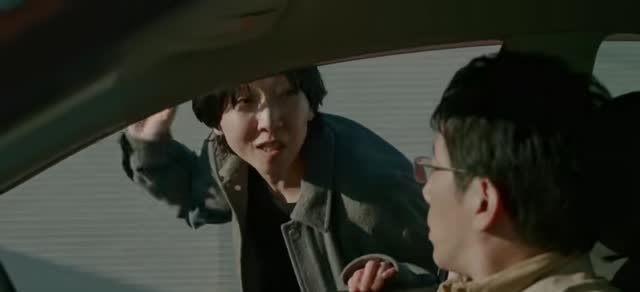
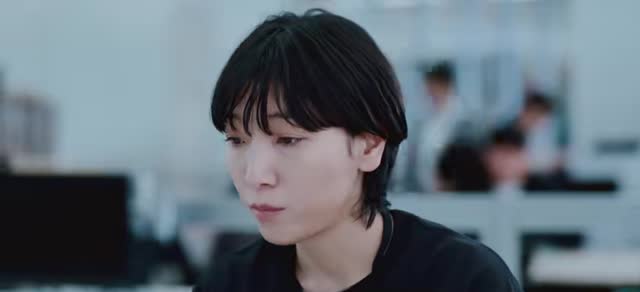
Asami arrives at the TV station around eleven but acts as if she has been there since about ten in front of her boss Oda, then hands over the final script with him.
  1. 麻美(心)

    ⟨By the way...⟩

  2. 小田/麻美

    Morning. / Good morning.

  3. 麻美(心)

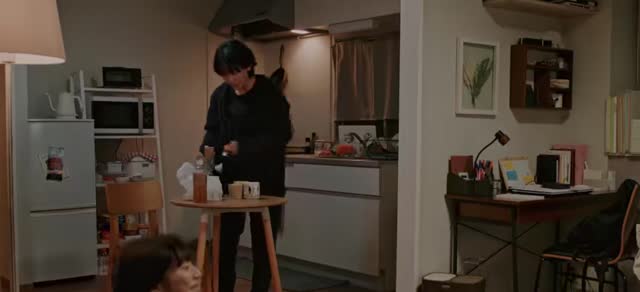
    ⟨In front of your boss, you put on a face like you've been in since about ten.⟩

  4. 麻美(心)

    ⟨And this is the face of someone who's been in since about ten.⟩

  5. 麻美

    Oh.

  6. 麻美/小田

    The final script has arrived. / Thanks.

  7. 小田/麻美

    Did you check it? / Yes.

Speaking notes

〜ふうな/〜ふうに

the look of pretending something is so, when it really is not

「⟨上司には10時くらいから来ているふうな顔をする⟩」 = "In front of the boss, you put on a face like you've been in since about ten."
「ふう(風)」 means "that kind of manner or air," and it often hints that the reality is different - that is exactly the joke here.
⚠ Difference from 「〜ような」:
• 〜ような = a plain comparison ("like...")
• 〜ふうな = putting on the air of... (with a hint of pretense)
Similar: 知ってるふうな口ぶり (talking as if one knows everything), 和風・洋風 (Japanese-style / Western-style - the original sense of "style").
⚠ The next line, 「⟨これが 10時くらいから来ているふうな顔⟩」, then shows you that face outright - this drama loves this "name it first, then demonstrate it" structure.
決定稿

industry terms for script versions; also the one-way politeness levels between boss and subordinate

「決定稿 届きました」 = "The final script has arrived."
Film and TV scripts go through a set of named versions:
プロット (outline) → 初稿 (first draft) → 改訂稿/第2稿 (revised draft / second draft) → 決定稿 (final script) → 撮影稿 (shooting script)
⚠ But the real point of this card is the asymmetry between polite and plain style:
• Asami to her boss: 届きました / はい (polite style)
• Boss to Asami: サンキュー / チェックした? (plain style)
In Japanese workplaces, the choice of style runs one way: the junior must use polite style, while the senior may use plain style.
(The teacher-student showdown in Episode 2, scene 7 follows the same rule - whoever can use plain style holds the initiative.)

サンキュー

casual thanks that only flows from a senior to a junior

「サンキュー」 = "Thanks."
Casual thanks from a boss to a subordinate, or between friends. It is lighter and more casual than 「ありがとう」 and must never be used to clients or people you must respect.
The ladder of thanks:
• サンキュー/ありがと (friends, subordinates)
• ありがとう (neutral)
• ありがとうございます (polite style, the most versatile)
• ありがとうございました (after something is finished)
• 感謝いたします/恐れ入ります (business, written)
⚠ A boss answering a subordinate with 「サンキュー」 is perfectly natural in a Japanese workplace; a subordinate saying it to the boss would seem to lack a sense of proper distance.

Key vocabulary

上司 じょうし
Boss, superior. The counterpart is 「部下(ぶか)」 (subordinate).
届く とどく
(Something) arrives. The transitive verb is 「届ける」 (to deliver).
チェック
To check, to verify.
顔をする かおをする
To put on an expression of... 「〜ふうな顔をする」 = to put on a look as if...
決定稿 けっていこう
The final version of a script. Earlier versions are called 「準備稿」 and 「改訂稿」.

↑ Scenes on this page

Why she skips the company cafeteria

This scene

ブラッシュアップライフ Episode 5 Why she skips the company cafeteria still

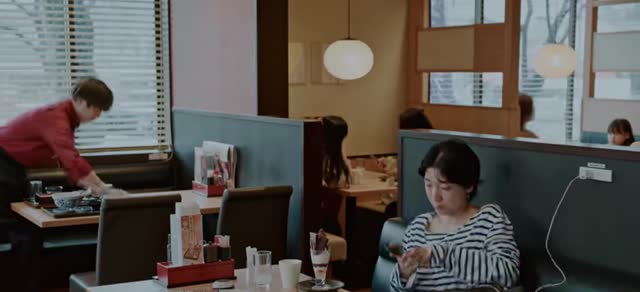
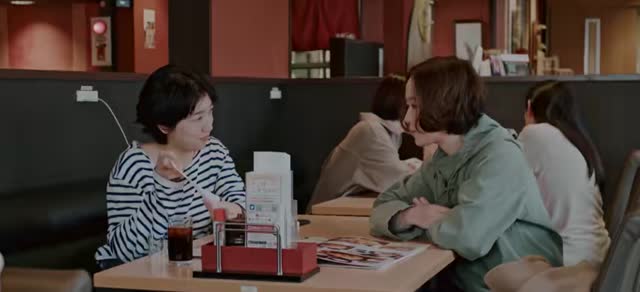
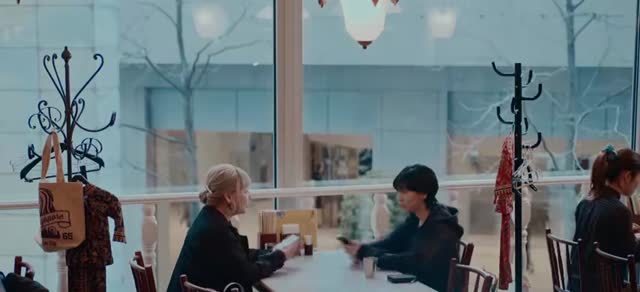
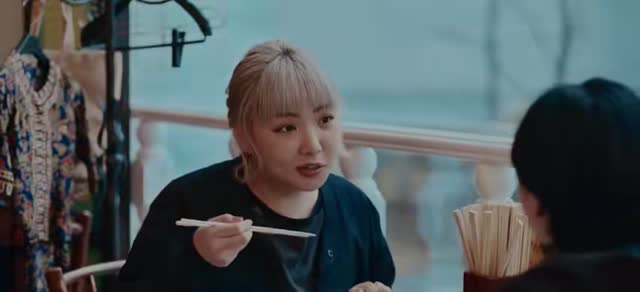
Asami has lunch with Misa, an old schoolmate who works as a makeup artist on the same production. Misa asks whether the company has anywhere to eat.
  1. 美佐

    Isn't there anywhere to eat inside the company?

  2. 麻美/美佐

    Well, technically there's an employee cafeteria. / Oh, really?

  3. 麻美/美佐

    When the ratings are good, it's even free. / That's awesome!

  4. 麻美/美佐

    I hardly ever go, though. / Why not?

  5. 麻美

    Well, in the cafeteria, it's hard to complain about work, isn't it?

  6. 美佐/麻美

    True. / Yeah.

Speaking notes

〜づらい

hard to do because of hesitation or awkwardness, not because it is physically difficult

「社食だとさ、仕事の愚痴とか言いづらくない?」 = "In the cafeteria, it's hard to complain about work, isn't it?"
⚠ Be sure to tell this apart from 「〜にくい」 - it is both a common test point and a very practical one:
• 〜にくい = objectively difficult to do (この字は読みにくい = this handwriting is hard to read)
• 〜づらい = awkward or uncomfortable for emotional reasons (この話は言いづらい = I can't bring myself to say this)
• 〜がたい = nearly impossible; literary and strong (Episode 8, scene 11 「近寄りがたい」)
⚠ 「づらい」 runs through this drama as an undercurrent, appearing at least five times:
Episode 7 「言いづらい空気」, 「断りづらいはず」, 「こっちからは言いづらい」; Episode 9 「断りづらくて無理して」 - all of them are "I could do it, but I can't because I'm considering the other person."

一応

"it exists in form only," which implies it is nothing special

「一応ね、社食があるよ」 = "Well, technically there's an employee cafeteria."
「一応」 means "in form" or "barely counts as," and implies that the thing is not much or not quite enough.
It is an extremely common Japanese buffer word:
• 一応やってみます (I'll give it a try, for now)
• 一応聞いてみる (I'll ask, just in case)
• 一応こちらになりますね (Episode 8, scene 17, where the clerk won't even commit to "this is it")
• 一応これが一番分かりやすいかなと (Episode 6, scene 13, using food photos as a guide to the next life)
⚠ When you hear 「一応」, a reservation often follows - it is the most common disclaimer in Japanese.

愚痴

venting that changes nothing, so you need a safe place to do it

「仕事の愚痴とか言いづらくない?」 = "It's hard to complain about work, isn't it?"
「愚痴」 = a grumble, a complaint - specifically the kind that "won't change anything; you just want to vent."
Common verbs: 愚痴を言う/愚痴をこぼす.
⚠ Precisely because it can't change anything, it naturally needs a safe place and a safe listener.
That is the point of this exchange: whether you can complain depends on whose territory you're eating in.
(In Episode 9, scene 12, Asami finds that in the life she wasn't around for, her senior Tae's complaints got even nastier - because she had no safe listener.)

Key vocabulary

社食 しゃしょく
Short for 「社員食堂」: the employee cafeteria.
視聴率 しちょうりつ
Ratings (TV viewership). The key metric of the television industry.
タダ
Free of charge. The kanji is 「只」.
ほとんど
Almost, for the most part; with a negative, it means "hardly ever."
愚痴 ぐち
A grumble, a complaint. 「愚痴を言う」 = to complain.

↑ Scenes on this page

What is the point of self-introductions before fittings?

This scene

ブラッシュアップライフ Episode 5 What is the point of self-introductions before fittings? still

Misa remarks that before every costume fitting, all the staff must gather around the performer and introduce themselves one by one. She thinks the custom makes no sense, and Asami agrees.
  1. 美佐

    Before the fitting starts, you know...

  2. 美佐

    every time, all the staff gather around the performer...

  3. 美佐

    and introduce themselves one by one - that custom, right?

  4. 麻美/美佐

    That makes no sense to me. / Right?!

  5. 美佐/麻美

    Doesn't it? / That's the one thing I've never figured out.

  6. 美佐

    When they give their names like an assembly line, there's no way you'll remember them.

  7. 麻美

    And after that, no one ever says their name again.

  8. 美佐/麻美

    Exactly. / Yeah, but still...

  9. 麻美

    That's the one thing - no matter how big a star someone is...

  10. 麻美/美佐

    they do it properly without complaining. / I know, right?

  11. 美佐

    It's a strange custom.

Speaking notes

〜られても〜ない

passive + even if + negative potential: "it's no use even if it's done"

「あんなさ、流れ作業で名乗られても絶対に覚えらんないじゃん」 = "When they give their names like an assembly line, there's no way you'll remember them."
Breakdown: 名乗られる (passive: to have a name announced to you) + ても (even if) + 覚えられない (negative potential: can't remember)
= "Even if they do that, it's no use."
⚠ 「覚えらんない」 is the casual sound change of 「覚えられない」 - in fast speech, 「れ」 before an ら-row sound often drops to 「ん」:
• 覚えられない → 覚えらんない • 信じられない → 信じらんない
• 分からない → 分かんない • つまらない → つまんない
⚠ This sound change shows up dozens of times in the drama and is essential for listening.

〜ずに

a literary-flavored negative form that sets the tone of a monologue

「どんな大御所でも文句言わずにちゃんとやるんだよね」 = "No matter how big a star, they do it properly without complaining."
「ずに」 is the literary form of 「ないで」, with a tighter, more written feel.
⚠ Note the special form of 「する」: 「せずに」 (not 「しずに」): 気にせずに (without worrying about it).
This form recurs in the drama, always in inner monologue or solemn explanation:
• Episode 3 「決して自分では鍵は開けず」
• Episode 4 「意味も分からずね」
• here: 「文句言わずに」
⚠ The pattern is clear: everyday conversation uses 「ないで」; inner monologue and formal explanation use 「ずに」.

風習

a custom nobody can explain but everyone follows

「不思議な風習だよね」 = "It's a strange custom."
「風習」 = a custom, a traditional practice.
⚠ It is bigger than 「習慣」 (a personal habit): it refers to a rule a group passes down over generations and follows without being able to explain why.
The whole joke rests on this word: it is neither a system nor a regulation, no one can say why it exists, yet even big stars go along with it.
Related words: 慣習 (convention; more institutional), しきたり (an old-fashioned rule), 暗黙の了解 (an unspoken understanding).
⚠ Japanese has a whole set of words for these "customs no one questions," which shows how common they are in Japanese society. (The 「番手」 in Episode 6 is the same kind of thing: nothing is written down, yet nobody dares get it wrong.)

Key vocabulary

衣装合わせ いしょうあわせ
A costume fitting: the stage before filming where performers try on costumes and the look is decided.
大御所 おおごしょ
A big name, a heavyweight in a field. Originally a retired figure who still holds real power.
演者 えんじゃ
A performer, an actor.
自己紹介 じこしょうかい
A self-introduction.
名乗る なのる
To give one's name.
流れ作業 ながれさぎょう
Assembly-line work. Here it pokes fun at introductions done as a formality.
文句 もんく
A complaint, an objection. 「文句を言う」 = to complain.

↑ Scenes on this page

Why not use the bed? Asami can't get it

This scene

ブラッシュアップライフ Episode 5 Why not use the bed? Asami can't get it still

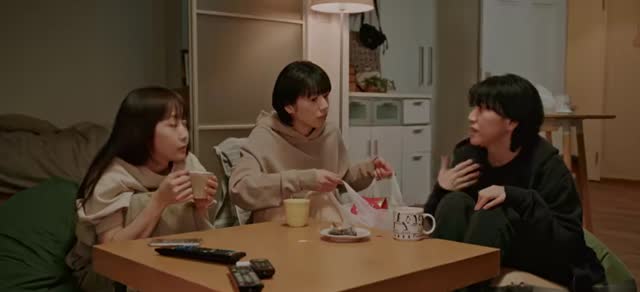
Natsuki and Miho have driven from their hometown to Tokyo to stay overnight in Asami's small apartment. They suggest sleeping together on the floor, but Asami wants the bed and proposes rock-paper-scissors.
  1. 麻美

    Huh? I'm sleeping in the bed.

  2. 美穂・夏希/夏希

    Huh? / Let's all three of us just pile in together on the floor.

  3. 麻美

    Why? There's a bed, so I'm sleeping in the bed.

  4. 夏希/美穂

    Wow, you've changed since moving to Tokyo. / You've gotten no fun.

  5. 麻美

    This has nothing to do with Tokyo vibes.

  6. 麻美

    Oh, then how about we decide with rock-paper-scissors?

  7. 夏希/麻美

    Rock-paper-scissors? / Yeah, it's not that I...

  8. 麻美

    It's not that I hate sleeping on the floor, it's that there's a bed...

  9. 麻美

    and nobody using it - that's the part I just don't get, that's all...

  10. 麻美

    So how about whoever wins at rock-paper-scissors gets the bed?

Speaking notes

〜んじゃなくて〜だけ

denying the assumed motive, then shrinking the real reason to the minimum

「床で寝るのが嫌なんじゃなくて,ベッドがあるのに誰も使わないっていうのが意味分かんないってだけ」 = "It's not that I hate sleeping on the floor; I just don't get why nobody uses the bed when there is one."
A standard structure for clearing up a misunderstanding:
① 〜んじゃなくて = first deny the motive the other person has pinned on you ("you've changed," "you look down on us")
② 〜ってだけ = then shrink your real reason to the smallest size ("I just don't get it, that's all")
⚠ The key is 「だけ」: it makes your own position sound harmless, so the other person can't keep escalating it into "you've changed."
Similar clarifying phrases:
• そういうわけじゃない (Episode 2, scene 7)
• 〜わけじゃなくて (Episode 4, scene 4)
⚠ All three deny an inference, but this one adds 「だけ」, which makes it the most effective.

ノリ

hard to translate, yet central to Japanese social life

「ノリ悪くなったわ」 = "You've gotten no fun."
「ノリ」 = the mood, the vibe, the willingness to go along with the group - a very important word in Japanese that is hard to translate directly; it originally referred to the rhythmic feel of music.
⚠ Uses, roughly in order of importance:
• ノリが悪い = not a team player, a buzzkill (this is quite a heavy criticism)
• ノリがいい = fun to be around, ready to go along with the mood
• ノリで = on a whim (その場のノリで)
• ノリが合う = to click, to be on the same wavelength (Episode 9, scene 16)
• 〜みたいなノリで = with the attitude of... (Episode 6, scene 2)
⚠ Being told 「ノリ悪い」 hits hard among Japanese peers, because it is not about ability but about "you refuse to join in."

雑魚寝

a way of sleeping that is about being together, not about comfort

「3人で雑魚寝しようよ」 = "Let's all three of us just pile in on the floor together."
「雑魚寝」 = sleeping huddled together in a crowd, in one's clothes, without proper bedding. 「雑魚」 means small fry, and by extension "a jumble of little things with no distinctions" (the 「雑魚シール」 in Episode 9, scene 17 uses the same word).
Typical after school trips and all-night parties.
⚠ It carries an intimate, unfussy mood - so when the two insist on 雑魚寝, what they want is not comfort but the feeling of "the three of us squeezed together."
Asami's counterargument ("why not use the bed when there is one?") is perfectly logical, yet it misses the whole point - that is the gap that keeps widening between her and them.

Key vocabulary

ジャンケン
Rock-paper-scissors. 「ジャンケンで決める」 = to decide by rock-paper-scissors, the all-purpose way to settle small disagreements in Japan.
床 ゆか
Floor. Read 「ゆか」 here; when read 「とこ」 it means bedding or a bed (床に就く = to go to bed).
決める きめる
To decide.
雑魚寝 ざこね
(Several people) sleeping huddled together on the floor. 「雑魚」 = small fish.
ノリ
Mood, vibe, willingness to join in, whether people click. A high-frequency word in this drama.

↑ Scenes on this page

When are you going to mention that bag of snacks?

This scene

ブラッシュアップライフ Episode 5 When are you going to mention that bag of snacks? still

Natsuki and Miho brought a bag of snacks and left it in plain view from the moment they came in, but Natsuki never mentions it. Asami, at her limit, finally says it bothers her that no introduction was made.
  1. 麻美

    But, you know, with this kind of thing, usually right when you arrive...

  2. 麻美

    you introduce it, like "I bought some snacks!", right?

  3. 美穂/麻美

    Well, that's normal, yeah. / Yeah.

  4. 麻美

    Right... it's been sitting where we can see it the whole time...

  5. 麻美/美穂

    and nobody says a word, so it started bugging me. / Yeah, me too.

  6. 美穂/夏希

    I did wonder why Natchan wasn't saying anything. / Oh, really?

  7. 麻美

    And I can't be the one to bring it up, can I?

  8. 美穂/麻美

    In the end, you did bring it up. / I brought it up. I hit my limit.

  9. 夏希

    Oh, I see! Sorry, sorry, I forgot. Okay, I'll take them out!

Speaking notes

触れる(話題に触れる)

here it appears four times, always meaning "to mention," not "to touch"

⚠ 「触れる」 appears four times in this passage, and none of them means "to touch." They all mean "to mention, to bring up":
• 全然触れないからさ (she never mentions it)
• こっちからは触れられない (I can't be the one to bring it up)
• 結果 触れたけどね (in the end, I brought it up)
• 触れた、限界だった (I brought it up; I'd hit my limit)
「(話題に)触れる」 = to put something into words and make it explicit.
⚠ Its opposite is the everyday norm in Japanese relationships: 触れないでおく (to leave it unmentioned by silent agreement).
This whole card is about the game of "who brings it up first" - the snack bag sat there for an hour while each side waited for the other to speak.
(Episode 10, scene 15 is an upgraded version of the same scene: this time Asami speaks first - and guesses wrong.)

〜てある

"has been placed there" implies someone did it on purpose

「ず~っと見える場所に置いてあるのに」 = "It's been sitting right where we can see it the whole time."
「〜てある」 expresses that someone did something deliberately and the resulting state remains to this day.
⚠ The contrast with 「〜ている」 is the key:
• 置いている = (someone) is putting / has it placed (the focus is on the action or its continuation)
• 置いてある = it has been set there (on purpose) (implying "someone did this deliberately")
Form: transitive verb て-form + ある (intransitive verbs can't be used).
⚠ By using this, Asami is effectively pointing a finger: "This wasn't just put down casually; you put it there on purpose."
- which is why she felt strung along and couldn't stand it.

気になる

the difference from 「気にする」 is whether the will is involved

「全然触れないからさ、気になっちゃって」 = "She never says anything about it, so I couldn't help noticing it."
⚠ This pair must be kept apart:
• 気になる (intransitive) = to be on your mind without wanting it to be; you can't let it go
• 気にする (transitive) = to deliberately mind or worry about (Episode 3: 「みーぽん 気にするからさ」)
By saying 「気になる」, Asami declares "I'm not trying to nitpick; it just got stuck in my head on its own."
Idioms with 「気」 form the backbone of Japanese psychological expression, and all of these have appeared in the drama:
• 気を使う (to be considerate, the theme word of Episode 9)・気が済む (to feel settled, Episode 9)
• 気を取られる (to have one's attention taken, Episode 8)・気が利く (to be thoughtful, Episode 3)

Key vocabulary

限界 げんかい
Limit. 「限界だった」 = I had reached my limit.
お菓子 おかし
Snacks, sweets. Both sweet and savory count.
紹介 しょうかい
An introduction; introducing something.
触れる ふれる
To touch on, to mention (a topic). 「話題に触れる」.
気になる きになる
To be on one's mind, to be bothered by.

↑ Scenes on this page

Take medicine with water, not tea

This scene

ブラッシュアップライフ Episode 5 Take medicine with water, not tea still

Before leaving, Natsuki is about to swallow a digestive-aid pill with tea. Asami stops her and says it should be taken with water, because absorption time differs with tea.
  1. 麻美/夏希

    What medicine is that? / Oh, this? A probiotic.

  2. 夏希/麻美

    I've been really constipated lately. / Ah, wait a second.

  3. 麻美/夏希

    Take it with water, not tea. / It's not that different, is it?

  4. 麻美

    No, the time your body takes to absorb it changes...

  5. 麻美/夏希

    so if you don't take it properly, it won't work. / Oh, I see.

  6. 夏希

    Okay, thanks. Down it goes.

  7. 美穂

    Somehow, Achin, you've gotten reliable since coming to Tokyo.

  8. 麻美

    This has nothing to do with Tokyo.

Speaking notes

〜みな

the same ending 「な」 means opposite things depending on what it attaches to

「お茶じゃなくて、水で飲みな」 = "Take it with water, not tea."
「〜な」 here is a shortened 「〜なさい」, a light command between people who are close.
⚠ Be sure to distinguish it from the sentence-final particle 「〜な」 (prohibition) - what matters is what it attaches to:
• verb ます-stem + な = urging / light command: 飲みな (drink it)
• verb dictionary form + な = prohibition: 飲むな (don't drink it!)
One kana apart, and the meaning is the exact opposite (「食べな」 in Episode 10, scene 1 is the former; 「頑張るなよ」 in Episode 7 is the latter).
The intonation differs too: the urging one rises, the prohibition presses down.
⚠ This form can only be used toward juniors, equals, and people you are close to.

〜てくる(変化の推移)

the direction is the reverse of 「ていく」

「体が吸収する時間が変わってくるんだから」 = "The time your body takes to absorb it changes."
Besides "to come," 「〜てくる」 shows a change progressing toward the speaker's viewpoint and continuing up to now.
⚠ It is exactly the opposite of 「〜ていく」 (moving away from the speaker, developing toward the future):
• 寒くなってきた = it has gotten cold (already happened, up to now)
• 寒くなっていく = it will keep getting colder (from now onward)
Examples from this drama:
• 貴重に思えてこない? (Episode 9, scene 7: it gradually starts to seem precious)
• 170年 人間やってきた (Episode 10, scene 12: I've been human all the way up to now)
• 小さくなっていく (Episode 10, scene 19: it will keep getting smaller from here)

Callback across loops: 同じ知識、違う身分

the same knowledge, a different standing

⚠ Asami said an almost identical version of this to her grandfather in Episode 3:
Episode 3: 「体が吸収する時間が変わってきちゃうんだから、ちゃんと正しく飲まないとダメ!」 - back then she was a pharmacist, so saying it was only natural.
In this round: she works at a TV station, and the same knowledge earns her only 「あーちん 東京来て しっかりしたね」 ("Achin, you've become reliable since coming to Tokyo").
- When the standing changes, the weight of the same sentence changes.
⚠ This is exactly the subject of the next card: 「説得力がない」 (lacking persuasiveness).
The drama repeatedly replays "the same line in a different round" to mark change (the 「少々お待ちください」 in Episode 1, scene 6, the honorific upgrade in Episode 2, scene 12, the 「よかった 断られなくて」 in Episode 9, scene 16).

Key vocabulary

整腸剤 せいちょうざい
A digestive-aid medicine (probiotic), an over-the-counter remedy that regulates the gut flora.
しっかりする
(Of a person) to become dependable, steady, and well organized. A common way to compliment someone.
便秘 べんぴ
Constipation.
吸収 きゅうしゅう
Absorption.
効く きく
(Of medicine) to take effect, to work.
正しく ただしく
Correctly, properly.

↑ Scenes on this page

Grandpa's medicine, round three: no longer a pharmacist

This scene

ブラッシュアップライフ Episode 5 Grandpa's medicine, round three: no longer a pharmacist still

Asami has questioned the grandfather's medicine, and her younger sister Haruka asks how she knows. Asami is no longer a pharmacist and has no authority, so she says she learned about medicine while working on a medical drama.
  1. 遥/麻美(心)

    Sis, how do you know that? / ⟨Huh?⟩

  2. 麻美(心)

    ⟨Right, this time I'm not a pharmacist, so...⟩

  3. 麻美(心)

    ⟨what I say has no persuasive power.⟩

  4. 麻美

    Well, you see, when I worked on a medical drama...

  5. 麻美

    I studied up a lot on medicine.

  6. 遥

    Oh, what drama?

  7. 麻美

    "Kounodori."

  8. 遥

    Huh? Sis, you worked on "Kounodori"?

  9. 麻美/遥

    Yeah. / Wasn't that Nippon TV?

  10. 麻美

    TBS...

Speaking notes

説得力がない

the same knowledge does not get through without the right standing

「⟨そう、私は今回 薬剤師ではないので説得力がない⟩」 = "Right, this time I'm not a pharmacist, so I have no persuasive power."
⚠ This is the key point of the card.
In Japanese, how much weight your words carry depends heavily on who you are - the same pharmacology coming from a pharmacist is professional advice; from a TV station employee it becomes meddling.
So Asami has to invent a temporary standing (having worked on a medical drama) to give her words a basis.
Related expressions:
• 説得力がある/ない • 説得力に欠ける (lacking persuasiveness; written)
• 〜が言うと説得力が違う (it carries different weight coming from...)
(Episode 9, scene 10 pushes this to the extreme: with no standing at all, she has no choice but to say "this is my fifth time through life.")

〜だっけ

an offhand memory check punctures a quick lie

「あれって日テレだっけ?」 = "Wasn't that Nippon TV?"
「っけ」 appeared in Episode 2, scene 1 (何か悪いことしたっけ?); here it takes the form 「だっけ」.
The key point stays the same: it is only for things "you once knew but can't quite recall."
⚠ This casual question lands right on the lie Asami made up - she can only answer 「TBS…」, her voice trailing off.
Common forms of 「〜だっけ」:
• 何だっけ (what was it called again?)・いつだっけ (when was it again?)
• 誰だっけ (who was it again?)・どこだっけ (where was it again?)
(In Episode 10, scene 20, the last line of the whole drama is 「何で『ぴょろたん』になったんだっけ?」.)

〜系(ジャンル)

turns a noun into "of that genre"

「医療系のドラマをやった時に」 = "when I worked on a medical drama."
「系」 turns a noun into "... type, of the ... kind."
It is a set usage in film, TV and publishing: 恋愛系・刑事系・青春系 (romance / police / youth genres).
It is also used in daily life: 理系/文系 (science / humanities types), 癒し系 (the soothing type), 体育会系 (athletic-club style).
⚠ You met another use in Episode 2, scene 2: 「溶けちゃう系」 - there it bundles a description into a category, while here it is an established genre label.
What the two uses share: the speaker doesn't have to pin things down exactly.

Key vocabulary

説得力 せっとくりょく
Persuasiveness. 「説得力がある/ない」.
日テレ にっテレ
Short for 「日本テレビ」. Abbreviations of major Japanese TV stations: 日テレ, TBS, フジ、テレ朝、テレ東.
薬剤師 やくざいし
Pharmacist.
医療系 いりょうけい
Medical-themed. 「〜系」 = of the ... type, along the lines of...
勉強 べんきょう
To study, to dig into a subject.

↑ Scenes on this page

Half-keigo: the in-between way of speaking Single line

This scene

ブラッシュアップライフ Episode 5 Half-keigo: the in-between way of speaking still

Before filming, Asami had a meal with the actor Usuda, who asked her to drop keigo. But the people around them don't know that story: plain speech might look presumptuous, and keigo might make Usuda feel distant.
  1. 臼田

    〔Then let's talk casually.〕

  2. 麻美(心)

    ⟨From that day on, I started speaking casually...⟩

  3. 麻美(心)

    ⟨and the distance between us shrank.⟩

  4. 麻美(心)

    ⟨The only problem is that the people around us don't know how it came about...⟩

  5. 麻美(心)

    ⟨so it might look overly familiar.⟩

  6. 麻美(心)

    ⟨But on the other hand, if I use keigo...⟩

  7. 麻美(心)

    ⟨it will leave Ms. Usuda feeling left out.⟩

  8. 麻美(心)

    ⟨As a result, I've ended up with this neither-here-nor-there...⟩

  9. 麻美(心)

    ⟨vague way of speaking.⟩

Speaking notes

ため口

dropping keigo is an act that has to be negotiated

「〔じゃあ ため口で喋ろう〕」 = "Then let's talk casually, without keigo."
「ため口」 = speaking to someone as an equal, without keigo (「ため」 is slang for "equal").
⚠ The key point: in Japanese, whether to use keigo is something both sides have to settle explicitly.
That is why permission phrases like 「ため口でいいよ」 (no need to be formal with me) exist, and why this whole passage is full of agonizing.
⚠ Using ため口 without permission = 「なれなれしい」 (overly familiar) - in Episode 1, scene 2, this is exactly why a citizen got angry at Asami.
Related expressions:
• ため口をきく (to speak without keigo)
• 敬語がとれる (to become close enough to drop keigo)
• タメ (the same age: 「タメだよね?」 = "we're the same age, right?")

〜させてしまう

causative + 〜てしまう = "I caused that, and I regret it"

「臼田さんに寂しい思いをさせてしまう」 = "It would end up making Ms. Usuda feel left out."
Causative + 〜てしまう means "I didn't intend it, but as a result I put the other person in that state," and it carries a clear note of regret.
⚠ Notice the pattern 「〜思いをさせる」 - you saw 「〜思いをする」 (experiencing a feeling yourself) in Episode 4, scene 4; adding the causative turns it into "making someone else go through it."
• 寂しい思いをする (to feel lonely yourself)
• 寂しい思いをさせる (to make the other person feel lonely)
This combination is a core device of Japanese apology, and it recurs in the drama:
• 接待交換させてしまった (Episode 9, scene 5)
• 気を使わせちゃう (Episode 9, scene 6)
• 4チラまでさせて ごめんね (Episode 10, scene 16)

どっちつかず

Japanese has a rich vocabulary for naming vagueness

「どっちつかずの、ふわっとした喋り方になっている」 = "It has turned into a neither-here-nor-there, vague way of speaking."
「どっちつかず」 = neither one thing nor the other, sitting on the fence. Literally "attached to neither side."
⚠ Japanese has a whole set of words for such ambiguous states:
• どっちつかず (neither here nor there)
• 中途半端 (half-done, not thorough - rather critical in tone)
• あいまい (vague)・グレーゾーン (gray zone)
The following 「ふわっとした喋り方」 then gives this state a picture - the mimetic word 「ふわっ」 (light and fluffy) + した + noun is a common way to make an abstract feeling visual.
(The 「ふわっふわ」 in Episode 2, scene 2 is the intensified form of the same mimetic word.)

Key vocabulary

経緯 けいい
The course of events, how something came about. Also read 「いきさつ」, with the same meaning; the latter is more common in speech.
距離が縮まる きょりがちぢまる
(Of a relationship) to get closer. The transitive form is 「距離を縮める」.
敬語 けいご
Honorific language. It has three types: 尊敬語 (raising the other person), 謙譲語 (lowering oneself), and 丁寧語 (polite speech).
ため口 ためぐち
Speaking casually, without keigo, as equals. 「ため」 = equal.
なれなれしい
Overly familiar, presumptuous. It appeared in Episode 1.
ふわっとした
Vague, soft and wobbly. The attributive form of the mimetic word 「ふわっ」.

↑ Scenes on this page

Planning meeting: "That's a bit too mild"

This scene

ブラッシュアップライフ Episode 5 Planning meeting: "That's a bit too mild" still

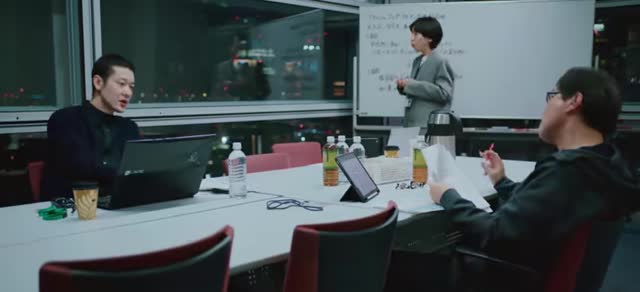
Seven years into the job, Asami produces her first project of her own and pitches a story about a woman who relives her life over and over. In the planning meeting, the screenwriter and the director like the premise but say that merely stopping an affair is too weak.
  1. 脚本家

    The premise is good, but if she's going to do it over anyway...

  2. 脚本家

    wouldn't it be better to have something more dramatic happen?

  3. 監督

    Right, just stopping an affair is too weak.

  4. 脚本家

    Then there's no point in the time loop, is there.

  5. 麻美

    I see.

  6. 麻美

    If you think about it normally, a second round of life...

  7. 麻美

    ought to turn someone into an extremely capable person.

  8. 麻美/監督

    Like winning a Nobel Prize, for example. / Right, at least to that degree...

  9. 監督

    it would be odd if things didn't change dramatically.

Speaking notes

どうせ〜なら

resignation in 「どうせ」 turns into "might as well go all the way"

「どうせやり直すなら、もっと派手な事件とか起こったほうがいい」 = "If she's going to start over anyway, it would be better for something bigger to happen."
⚠ 「どうせ」 by itself carries a negative, resigned feeling (「どうせ巻かない」 in Episode 4, scene 12 = "it won't catch on anyway"), but inside the frame 「どうせ〜なら」 it becomes positive: "since it's come to this, we might as well go all the way."
Extremely common in daily life:
• どうせ買うなら いいやつを (if you're buying anyway, get a good one)
• どうせやるなら 徹底的に (if you're doing it anyway, do it thoroughly)
「どうせ」 on its own (negative):
• どうせ無理なんだから (Episode 6, scene 12: it's impossible anyway)
⚠ The same word, with or without 「なら」, gives the opposite emotion.

〜ぐらいじゃ弱い

a stock phrase of planning meetings

「不倫を阻止するぐらいじゃ弱いですよね」 = "Merely stopping an affair is too weak, isn't it."
「〜ぐらい」 belittles something as "only that much," and 「弱い」 in a planning or pitch setting = lacking impact, not convincing enough.
These are set phrases in Japanese creative-industry meetings:
• もう一声 弱いな (it needs one more push)
• インパクトが弱い (the impact is weak)
• 引きが弱い (it doesn't hook people)
⚠ The absurdity of this meeting is that the "project" they are discussing is Asami's own life.
What is being called 「弱い」 is the thing she has spent three lives working on - which is why, in the next card, she thinks 「自分の人生が地味だと言われた」.

〜もんね / 〜ないですもんね

adding a natural reason to a conclusion, with 「ね」 inviting agreement

「タイムリープする意味ないですもんね」 = "Then there's no point in a time loop, is there."
「もの(もん)」 at the end of a sentence means "because...," adding an obvious reason to a conclusion just stated. Adding 「ね」 invites the other person to agree.
⚠ Style difference:
• 〜んだもん (Episode 2, scene 8, a pouting tone, plain style)
• 〜ですもんね (here, polite style, used in meetings)
The same ending particle changes from pouting to agreeing once it takes polite style.
⚠ In meetings, this 「〜ですもんね」 has a subtle function: it makes the agreement sound like an independent thought rather than plain flattery.

Key vocabulary

設定 せってい
The setting (of a work). Also means the "setup" of equipment.
派手 はで
Flashy, showy, dramatic. The opposite is 「地味(じみ)」 - the very word that is later pinned on Asami.
阻止 そし
To prevent, to stop.
人材 じんざい
Talented people, human resources.
優秀 ゆうしゅう
Excellent.
劇的 げきてき
Dramatic, sweeping.

↑ Scenes on this page

Planning meeting: "Then make her a savior"

This scene

ブラッシュアップライフ Episode 5 Planning meeting: "Then make her a savior" still

In the planning meeting, the screenwriter and the director get more and more excited and suggest that the protagonist save her best friend and many other lives and become a savior. Asami feels her project has been changed beyond recognition and is a little dejected at being told it is too plain.
  1. 脚本家

    Since she can know the future, you'd want something more like...

  2. 脚本家

    saving the life of a best friend who died, for instance...

  3. 脚本家

    You'd want to do at least that much, wouldn't you?

  4. 監督/脚本家

    Or saving the lives of lots of people. / Oh, yes, right!

  5. 脚本家

    I'd like to take it as far as her becoming a savior.

  6. 監督/麻美(心)

    That's good, isn't it? / ⟨And so...⟩

  7. 麻美(心)

    ⟨"ブラッシュアップライフ" was "brushed up" so much...⟩

  8. 麻美(心)

    ⟨that almost nothing of the original form was left.⟩

  9. 麻美(心)

    ⟨But more than that...⟩

  10. 麻美(心)

    ⟨having my own life called plain...⟩

  11. 麻美(心)

    ⟨got me down a little.⟩

Speaking notes

せっかく〜んだし

"since we have this rare chance" - a reason for suggesting we make the most of it

「せっかく未来が分かるんだし、もっとこう…」 = "Since she can know the future, you'd want something more like..."
「せっかく」 means "a rare opportunity" or "something done on purpose," and it is usually followed by "it would be a waste not to use it." With 「〜んだし」 it becomes the reason behind a suggestion.
⚠ 「せっかく」 points in two directions; keep them apart:
• Making the most of it: せっかく来たんだから、寄っていこう (since we came all this way, let's stop by)
• It goes to waste: せっかく仲良くなれたのに (Episode 8, scene 3: we finally got along so well, and yet...)
Rule of thumb: followed by 「〜だから/んだし」 it is the former (let's use it); followed by 「〜のに」 it is the latter (all for nothing).
(The 「せっかくなんで」 in Episode 6, scene 5 is also the former.)

受け身で作品名を遊ぶ

the drama's title turned into a verb, then into a passive

「⟨"ブラッシュアップライフ"はブラッシュアップされ、ほぼ原形はなくなった⟩」 = "「ブラッシュアップライフ」 was brushed up so much that almost nothing of its original form remained."
⚠ This is the cleverest bit of self-reference in the whole drama: the title itself is used as a verb and even put into the passive.
「ブラッシュアップする」 is a common loanword in Japanese workplaces = to polish, to refine (a plan, a proposal, a skill): 「企画をブラッシュアップする」.
And Asami's project in the drama has exactly this name, "brushed up" by the meeting until it is unrecognizable.
⚠ One level deeper: the title is about Asami's own life - what gets polished away after round after round is something you only learn in Episode 10.

地味

can be praise or criticism, but it stings when applied to a life

「⟨自分の人生が地味だと言われたことに少し落ち込んだ⟩」 = "I was a bit down about being told my own life was plain."
「地味」 = plain, subdued, unremarkable. The opposite is 「派手」.
⚠ It isn't always negative:
• 地味にうまい (unassuming but really tasty)
• 地味にすごい (quietly impressive)
• 地味にショック (not a huge deal, but it does hurt)
- used as the adverb 「地味に」, it is almost always positive or neutral.
But as an assessment of a person's life, it cuts deeply.
⚠ What really bothers Asami is not that her project was changed but this word: the three lives she spent building up good deeds are, in other people's eyes, "a setup that isn't exciting enough."

Key vocabulary

救世主 きゅうせいしゅ
A savior, a messiah.
落ち込む おちこむ
To feel down, to be dejected. Also used for figures dropping (売り上げが落ち込む = sales slump).
親友 しんゆう
A best friend. Much stronger than 「友達」.
大勢 おおぜい
Many people. ⚠ Used only for people.
原形 げんけい
The original form, how something was at first.
地味 じみ
Plain, unassuming. The opposite is 「派手」.

↑ Scenes on this page

Camping at Yumean: keep ordering, keep sitting

This scene

ブラッシュアップライフ Episode 5 Camping at Yumean: keep ordering, keep sitting still

Asami is waiting for someone at the restaurant Yumean. Already full, she keeps ordering more to hold her table, and a waiter brings out a chocolate parfait, spinach ohitashi, and more.
  1. 店員

    Sorry to keep you waiting.

  2. 店員/麻美

    Here is your chocolate parfait. / Thank you.

  3. 店員/麻美

    Please take your time. / Okay.

  4. 麻美(心)

    ⟨I'll go on taking my time, then.⟩

  5. 店員

    Sorry to keep you waiting.

  6. 店員/麻美

    Here is your spinach ohitashi. / Thank you.

  7. 店員/麻美

    Please take your time. / Okay.

  8. 麻美(心)

    ⟨I've already taken my time for quite a while.⟩

Speaking notes

ごゆっくりどうぞ → ゆっくりさせてもらう

taking a stock politeness phrase literally

⚠ The whole joke of this card rests on this pair.
Each time the waiter serves a dish, he says 「ごゆっくりどうぞ」 - a courtesy formula of the restaurant trade; literally "please take your time," but nobody takes it at face value.
Asami takes it literally:
• 「⟨引き続き ゆっくりさせてもらう⟩」 (I'll go on taking my time, then)
• 「⟨既に かなり ゆっくりさせてもらっている⟩」 (I've already been taking my time for quite a while)
- she has been camped here since noon, to stake out a man.
⚠ Japanese has many such worn-out courtesy phrases, and this drama loves to dig them up and take them literally:
• いってらっしゃいませ (Episode 1, scene 8: the "see you when you're back" greeting, used here for sending someone off to be reborn)
• お疲れさまでした (Episode 1, scene 7: used to thank someone for "the end of a life")

〜させてもらう

describing your own action as something you were given permission to do

「ゆっくりさせてもらう」 literally means "I'm allowed to take my time (by your leave)."
Causative (させる) + てもらう = "I ask the other person to let me do something," one of the most humble ways in Japanese to describe your own action.
Extremely frequent in business:
• 確認させてもらいます (let me check)
• 休ませていただきます (allow me to take the day off - more formal)
• 説明させていただきます (allow me to explain)
• おごらせて (scene 12: let me treat you)
⚠ The point: something you are going to do yourself is presented as "by your permission" - a typical way Japanese wraps an active deed as something passively received, in the same family as 「てもらう」.

〜でございます

the highest level of です

「『チョコレートパルフェ』でございます」 = "Here is your chocolate parfait."
「でございます」 is the most formal form of 「です」 (ございます, which you met in Episode 1, scene 8, is the polite form of 「ある」).
Service language in restaurants, department stores and hotels uses it almost across the board.
⚠ The waiter's three phrases here neatly cover the three main categories of keigo:
• お待たせいたしました (humble: いたす, the self-lowering form of する)
• 〜でございます (polite)
• ごゆっくりどうぞ (honorific: ご + noun)
- and he says all three, over and over, to a customer who has been sitting there for five hours without leaving.

お待たせいたしました

the top level of humble language: お + stem + いたす

「お待たせいたしました」 = "Sorry to keep you waiting."
Breakdown: 待たせる (causative: to make (you) wait) → お待たせする (humble: お + stem + する) → お待たせいたす (swap 「する」 for the humble verb 「いたす」, and the respect goes up another notch).
Three steps up the ladder of humble language (a must in the service industry):
• 待たせました (plain)
• お待たせしました (humble, enough for daily use)
• お待たせいたしました (the most formal; standard for shop staff, flight attendants and service counters)
⚠ Note that the causative is stacked in too: not "I waited" but "I made you wait" - Japanese apologies almost always use the causative, because it writes "the responsibility is mine" into the grammar (the same structure was covered in Episode 9, scene 5).
The joke lies here too: the waiter serves each dish with top-grade keigo, while Asami's only purpose for ordering them is to stay in her seat.

Key vocabulary

おひたし
Ohitashi: blanched greens dressed with seasoning. A common side dish in Japanese set meals.
引き続き ひきつづき
To continue, to go on as before. More formal than 「続けて」.
パルフェ
A parfait. Also written 「パフェ」.
ほうれん草 ほうれんそう
Spinach.

↑ Scenes on this page

My treat - but I've already eaten four rounds

This scene

ブラッシュアップライフ Episode 5 My treat - but I've already eaten four rounds still

Rena arrives at the restaurant and sits across from Asami, saying it's on her today and Asami can order anything. Asami says she has been there since noon and has already eaten a lot, so there's no need.
  1. 麻美

    Actually, I've been here since lunchtime today.

  2. 玲奈/麻美

    Oh, really? / Yes, really.

  3. 麻美

    And I ate quite a lot during the day.

  4. 玲奈/麻美

    Oh, you did eat a lot. / I did.

  5. 麻美

    So if you were to pay for all this...

  6. 麻美

    it would come to quite an amount, so you really don't need to treat me.

  7. 玲奈/麻美

    It's fine, it's fine, don't worry. / No, really, it's okay.

  8. 玲奈

    Don't worry - I got paid last week, so let me treat you.

Speaking notes

おごる / おごらせて

turning "I'll pay" into "give me the chance"

「先週 給料入ったし、おごらせて」 = "I got paid last week, so let me treat you."
「おごる」 = to treat someone. 「おごらせて」 is the causative て-form, short for 「おごらせてください」: please let me treat you.
⚠ The key: when Japanese people fight over the bill, they don't say 「私が払う」 (I'll pay), they say 「おごらせて」 (let me treat you) - paying is recast as "please give me this opportunity," which makes it hard for the other person to refuse.
Phrases used in the treat tug-of-war:
• ここは私が (this one's on me) • おごらせて (let me treat you)
• 割り勘にしよう (let's split it) • ごちそうさまでした (thank you for the meal / treat)
(The 「ここ出すよ」 in Episode 9, scene 1 is a more casual version.)

〜ってなると

thinking through "if it came to that"

「もし これを払うってなると、相当の額いっちゃうから」 = "If it came to paying for all this, it would run to quite an amount."
「〜ってなると」 is a spoken contraction of 「〜ということになると」, meaning "once things get to that point," and is used to work out consequences.
⚠ It emphasizes more than 「〜たら」 that "things naturally develop to that stage" (not by my choice, but because the situation unfolds that way).
Very common in speech:
• 引っ越すってなると 大変だよね (if you actually have to move, it's a hassle)
• 結婚するってなると (once marriage is on the table)
(Another use of 「〜ってなる」 is "to react that way": Episode 8, scene 13, 「あれ?ってなんの」.)

相当の〜

an adverb and a modifier: two faces

「相当の額いっちゃう」 = "It will run to a considerable amount."
⚠ Two uses of 「相当」, told apart by position:
• Adverb modifying an adjective: 相当高い (quite expensive), 相当頑張んないと (Episode 9, scene 4)
• Modifying a noun, with 「の」 added: 相当の額 (a considerable sum)
⚠ There is also a third meaning, "equivalent to": 課長相当職 (a post equivalent to section chief), 1万円相当 (worth 10,000 yen).
One word, three uses, and you tell them apart by their position in the sentence.
(And the reality here: Asami has eaten from lunch till evening, so the bill really is 「相当の額」.)

Key vocabulary

給料 きゅうりょう
Salary. 「給料が入る」 = to get paid (the money arrives).
額 がく
An amount of money. When read 「ひたい」, the same kanji means "forehead."
昼間 ひるま
Daytime.
相当 そうとう
Considerable, quite. 「相当の額」 = a sizable sum.
おごる
To treat someone. 「おごらせて」 = let me treat you (causative + request).

↑ Scenes on this page

Early morning visit: "Please don't make a move on her"

This scene

ブラッシュアップライフ Episode 5 Early morning visit: "Please don't make a move on her" still

Early in the morning, Asami goes to Miyaoka's door. She first says Rena has always been honest and a good girl who deserves to be happy, then politely asks him in keigo not to make a move on Rena.
  1. 麻美

    She's always been such an honest girl, a truly good person, you know.

  2. 宮岡

    Yeah...

  3. 麻美

    So I really want her to be happy, no matter what.

  4. 宮岡

    Yes... huh?

  5. 麻美

    Could you please not make a move on her?

  6. 宮岡/麻美

    What? / I'm asking you.

  7. 宮岡

    No, no, I have no intention of making a move or anything like that.

  8. 麻美

    Oh, I see. Then that's fine.

Speaking notes

〜ないでもらえます?

the most polite form on the surface, an ultimatum underneath

「彼女に手 出さないでもらえます?」 = "Could you please not make a move on her?"
Breaking it down:
ないで (not doing) + もらえる (the potential form of てもらう) + question
= "May I have you not do this?"
⚠ In form it is extremely courteous; in content it is an ultimatum.
That is the most frightening use of keigo: the harsher the thing you want to say, the more perfectly you pile up the grammar (the 「支払っていただくしか」 in Episode 1, scene 1 uses the same trick).
The ladder of softened prohibition:
• やめて (stop it) < やめてください < やめてもらえますか < やめていただけますか < やめていただけないでしょうか
⚠ The further right, the more polite - and the more pressure it carries.

手を出す

several meanings, narrowed to one here

「手を出す」 has three common senses, told apart by context:
① to make a move on (someone), to get involved with (here)
② to meddle in, to dabble in (新事業に手を出す)
③ to lay hands on someone, to hit (手を出したら負け)
⚠ Notice that Asami doesn't say "don't date her" or "don't cheat" - she uses this phrase - it is blunt enough, yet it doesn't accuse him of having already done anything, so Miyaoka has no way to rebut it.
Idioms with 「手」 that have appeared in the drama:
• 手がける (to handle personally, Episode 6, scene 11)
• 手荒なまね (rough measures, Episode 10, scene 9)
• 手短に (briefly, Episode 10, scene 9)

〜っから

a geminated sound inserted for emphasis

「あの子、昔っから すごく素直で」 = "That girl has always been so honest."
「昔っから」 = 「昔から」 with a small 「っ」 inserted in the middle for emphasis.
Inserting a small っ is a common way to stress words in speech:
• やっぱり (← やはり) • すっごい (← すごい)
• まっすぐ • こっから (← ここから)
• ふわっふわ (Episode 2, scene 2 - a reduplication with a small っ in the middle, the same principle)
⚠ When you hear an extra small っ, you know the speaker is adding emphasis.
(Throughout this passage Asami stresses how good the girl is, because the line she really wants to say - "you're married" - cannot be said yet.)

Key vocabulary

素直 すなお
Honest, straightforward, unaffected. A common word of praise, especially for a guileless personality.
つもり
Intention, plan. 「そんなつもりはない」 = "I don't mean anything like that," the set phrase for defending oneself.
幸せ しあわせ
Happiness.
手を出す てをだす
(Toward the opposite sex) to make a move on; also to get involved in something.

↑ Scenes on this page

That wedding ring: why did you take it off?

This scene

ブラッシュアップライフ Episode 5 That wedding ring: why did you take it off? still

Miyaoka says he meant nothing by it. Asami points out that he wore a wedding ring when he came into the restaurant but had taken it off when he exchanged contact details with Rena at the drink bar, and asks why.
  1. 麻美

    When you came into the restaurant, you were wearing a wedding ring...

  2. 麻美

    but when you were exchanging contact info with Rena at the drink bar...

  3. 麻美

    you'd taken it off, hadn't you?

  4. 宮岡/麻美

    Had I? / You had.

  5. 麻美

    Why was that?

  6. 宮岡

    No, it's nothing, there was no deep meaning to it.

  7. 麻美

    I see. If you didn't mean anything by it...

  8. 麻美

    wouldn't there be no need to take it off?

Speaking notes

〜っけ で逃げる / 〜ね で押さえる

the exchange is decided by the sentence-final particles

⚠ In this back-and-forth, the whole contest is won or lost on the sentence-final particles:
• Miyaoka: 「外してましたっけ?」
 → He uses 「っけ」 to turn the fact into "I don't quite remember," trying to muddy things (っけ appeared in scenes 2 and 7 as well)
• Asami: 「外してましたね」
 → The same sentence, with っけ replaced by 「ね」, goes from a question to a confirmation that can't be denied
「ね」 here is not seeking agreement; it means "we both saw it, so don't pretend."
⚠ Japanese sentence-final particles aren't decoration for the tone; they declare a position:
• っけ = I'm not sure (an escape route)
• ね = we both know (blocking the escape route)
• よ = I know something you don't (scene 15)

〜なくないですか?

a double negative used as a rhetorical question, polite version

「別に外す必要なくないですか?」 = "Isn't there no need to take it off?" (that is, "there's no need to take it off, is there?")
「必要ない」 + 「ないですか」 = a rhetorical question built on a double negative; the plain-style version of the same structure is 「目立たなくない?」 in Episode 3, scene 3.
⚠ The effect is to present your own judgment as "isn't that obvious?" and press the other person to admit it.
Asami's strategy across this passage is clear:
① point out the contradiction (つけてたのに,外してましたね)
② ask for the motive (何でですか?)
③ shoot down his excuse (そういうつもりがないんだったら,必要なくないですか?)
- all three steps are done with questions, and not a single accusation is spoken.

〜のに(矛盾の指摘)

not a complaint but a cross-examining 「のに」

「お店に来た時には結婚指輪つけてたのに」 = "When you came into the restaurant, you were wearing a wedding ring, and yet..."
⚠ Here 「のに」 is not a grumble but a way of pointing out a contradiction - it sets two facts side by side and lets the inconsistency surface by itself.
The three uses of 「のに」 (all of which appear in the drama):
• regret: 親孝行したいのに (Episode 2, scene 5)
• dissatisfaction: 一番早く着いているのに (Episode 3, scene 2)
• cross-examination (here): つけてたのに、外してましたね
⚠ When you hear 「〜のに」, you know the speaker is about to point out something that doesn't add up.
(And Miyaoka's reply, 「そんな深い意味は」, trails off before it even reaches the verb - which shows he knows he has been caught.)

Key vocabulary

結婚指輪 けっこんゆびわ
A wedding ring. An engagement ring is 「婚約指輪(こんやくゆびわ)」.
ドリンクバー
A drink bar: bottomless drinks for a single price, a staple of Japanese family restaurants.
外す はずす
To take off, to remove.
連絡先 れんらくさき
Contact details.
交換 こうかん
To exchange.
深い意味 ふかいいみ
Deeper meaning, another meaning. 「深い意味はない」 is the standard way to brush something off.

↑ Scenes on this page

One last thing: "Open the door yourself" Single line

This scene

ブラッシュアップライフ Episode 5 One last thing: "Open the door yourself" still

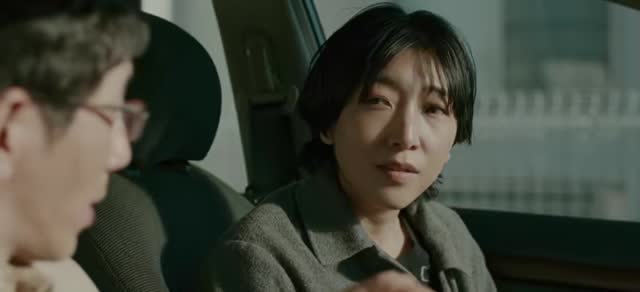
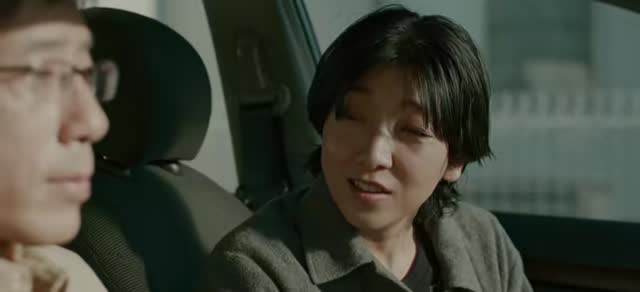
After the talk, Asami walks toward her car, turns back, and adds one last remark to Miyaoka: on days when he gets to the restaurant early, he should open the door himself.
  1. 麻美/宮岡

    And one more thing. / What?

  2. 麻美

    On days when you get to the restaurant early...

  3. 麻美

    I think it would be better if you unlocked the door yourself!

Speaking notes

お+動詞ます形語幹+になる

the basic honorific pattern, from which most honorific verbs can be built

「ご自分で 鍵をお開けになったほうがいいと思いますよ!」 = "I think it would be better if you unlocked the door yourself!"
「お〜になる」 is the all-purpose frame for honorific (respectful) language (you met 「お亡くなりになる」 in Episode 3, scene 11):
お書きになる・お読みになる・お使いになる・お帰りになる
⚠ The key point is that it can only be used for the other person's actions.
Your own actions take the humble form 「お〜する/いたす」 (Episode 1, scene 7):
• the other person: お待ちになる (you wait)
• yourself: お待ちする (I wait)
⚠ Mixing these up is the most common keigo accident - telling a customer 「お待ちします」 (I'll wait for you) is fine, but saying 「お待ちになります」 turns it into "you will wait," which is very rude.

ご自分で

the stress falls on this one word

「ご自分で」 = "by yourself" (respectful).
「自分」 with the honorific prefix 「ご」, used to raise the other person.
⚠ The stress falls on this word, and that is where the whole sentence's meaning comes from:
What Asami is stressing isn't "unlock the door" but "yourself unlock it" - because this man arrives earliest every day, yet waits in his car for someone else to open up, then pretends he just got there.
(Episode 3, scene 2 devotes a whole card to this behavior, where all Asami could do was grumble inwardly, 「⟨この謎の行動だけがピンポイントで気持ち悪い⟩」. Two rounds later, she says it to his face.)
Other examples of 「ご+noun」: ご希望 (Episode 1, scene 10), ご意見、ご家族.

〜たほうがいいと思いますよ

a single 「よ」 turns advice into a warning

「〜たほうがいい」 is the standard pattern for advice, adding 「と思います」 makes it "in my opinion," and adding one more 「よ」 changes the tone from advice to a nudge with an edge.
⚠ 「よ」 conveys "this is something you don't know but I do."
The ladder:
• 〜たほうがいい (you'd better...)
• 〜たほうがいいと思います (I think you'd better... - softer)
• 〜たほうがいいと思いますよ (I'm warning you)
⚠ And Miyaoka has no idea how she could know this - that is the mystery this line leaves hanging, and the close of the whole episode.

Key vocabulary

鍵を開ける かぎをあける
To unlock, to open (a lock or door). 「鍵を閉める/かける」 = to lock.
あと
(Spoken) and also, one more thing. Used when you remember something else to add.
ご自分で ごじぶんで
You yourself. 「ご+自分」 raises the other person.

↑ Scenes on this page

Back to ブラッシュアップライフ