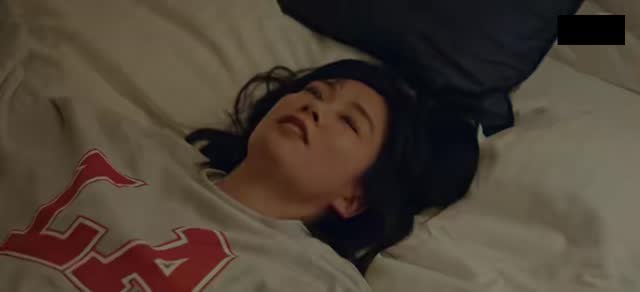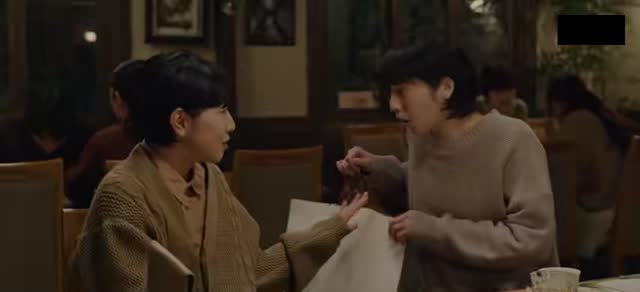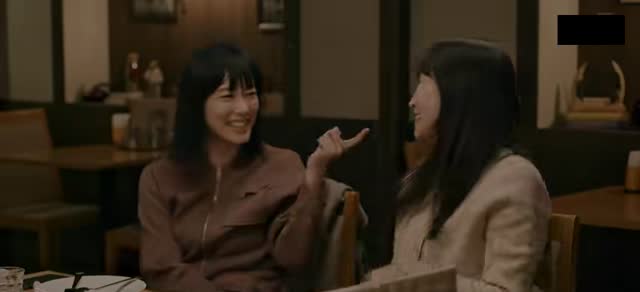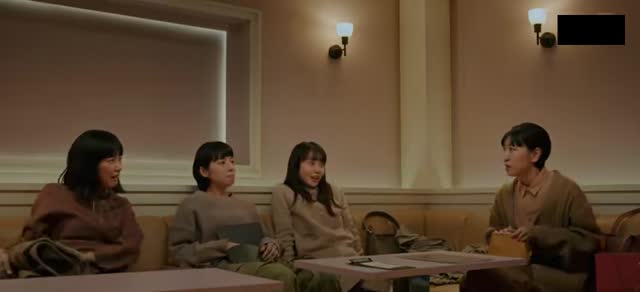
LearnWithSubs

ブラッシュアップライフ Episode 10 (page 2/2)

Scenes on this page

  1. Isn't "time leaper" a bit lame?

    Scene 11 · 0:24

    Expressions: ダサい, 全然いいんだけど / 別にいいんだけどさ, 雰囲気がある

  2. Any creature will do, as long as it's Kita-Kumagaya

    Scene 12 · 0:49

    Expressions: 他の生き物でいいから 北熊谷がいい, 何だかんだ(再出) / 〜てきた, 海ゴキ / 陸ゴキ

  3. A familiar voice on the cabin announcement

    Scene 13 · 0:38

    Expressions: ~ってなった, 知ってる声がする, 食べ行こう / 行こ

  4. The first "Achin" in 75 years

    Scene 14 · 0:41

    Expressions: ~ぶり, バタフライエフェクト / ショボい, 呼ばれる / 泣きそうになる

  5. Could you introduce the paper bag?

    Scene 15 · 0:48

    Expressions: 紹介してもらってもいいですか, 気付かないふり, やってしまった

  6. You glanced four times

    Scene 16 · 0:44

    Expressions: 4チラ, ~までさせて ごめんね, アイコンタクト / 夢中 / バレる

  7. We can't take it for granted

    Scene 17 · 0:41

    Expressions: やめるにやめれない, 当たり前だと思っちゃダメ, 白い目で見られる / カツカツ / ずうずうしい

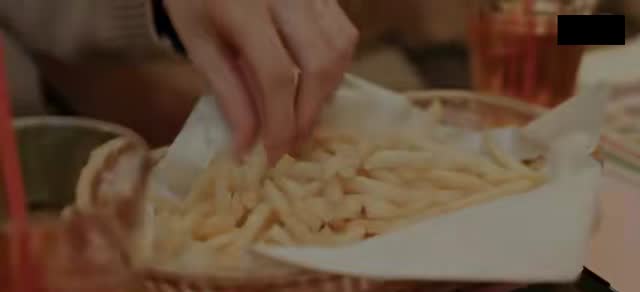
  8. But I can only fit fries

    Scene 18 · 0:35

    Expressions: 入んない — 第9集の冒頭と、まったく同じ台詞, この流れでこんなこと言うの心苦しい, ~しか〜ない(総まとめ)

  9. Why does time speed up as you get older?

    Scene 19 · 0:51

    Expressions: ~につれて, ~でしかない(第9集の再出), 体感 / 〜ように感じる

  10. A total of 232 years

    Scene 20 · 0:40

    Expressions: 全うする, 生涯に幕を閉じる / 享年, 今さら / なったんだっけ

Speed
All scenes

Isn't "time leaper" a bit lame?

This scene

ブラッシュアップライフ Episode 10 Isn't "time leaper" a bit lame? still

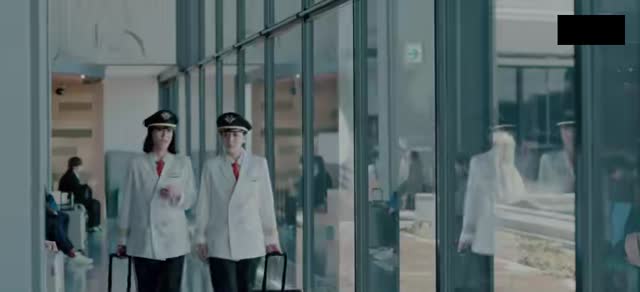
Walking down the jet bridge, Asami and Mari talk about Takashiro: he got to redo his life yet couldn't avoid a divorce, and calling himself a "time leaper" is a bit lame when "second life" would do.
  1. 麻美/真里

    It's not a big deal or anything. / What?

  2. 麻美

    That guy, you know, he got to redo his life,

  3. 麻美/真里

    yet he couldn't avoid the divorce, huh. / True... Also, this too,

  4. 真里/麻美

    It's totally fine, but can I say something? / What?

  5. 真里

    Isn't it kind of lame to call yourself a "time leaper"?

  6. 麻美/真里

    Lame. Just saying "second life" would do, right? / Yeah, and what's more, right after that,

  7. 真里

    he said, "In other words, this is my second life," didn't he.

  8. 真里

    Then he should have just said that from the start.

  9. 麻美

    He probably just wanted to say "time leaper."

  10. 真里

    Because it has more atmosphere.

Speaking notes

ダサい

"uncool, tacky": judges taste, which can't be argued with

ダサい = uncool, tacky, lacking style.
Several etymologies are given; the most popular is 「だ(=田舎)+さい」 ("country" + "-sai"), and another derives it from 「ダサイタマ」 (a jab at Saitama). It was young people's slang in the late 1970s and is now completely standard.
⚠ Its sting is that it judges not ability or right and wrong but "taste": once you are called ダサい, there is no arguing back.
Opposites: イケてる (stylish), おしゃれ (learned in Episode 7), かっこいい (cool).
The absurdity of the scene is in the proportion: they have just nearly become poisoners, just met a third person who has relived life, and are about to stop a crash involving 180 people, and what they care about is that his self-description sounds a bit tacky.
全然いいんだけど / 別にいいんだけどさ

"it's fine, but...": saying you don't mind while minding

Each of the two uses this pattern once: 「別にいいんだけどさ」 and 「全然いいんだけど言っていい?」
Literally "it's no big deal," in practice "I do mind, and I'm about to say it."
This is a very typical preamble in Japanese conversation: first declare you're not nitpicking, then start nitpicking, which protects the image of "I'm not a petty person" while still saying it.
Similar: 怒ってないんだけどさ (I'm not angry, but...), どうでもいいんだけど (I don't care, but...).
⚠ 「全然+affirmative」 (全然いい) appears again here: explained in Episode 8: this is modern spoken usage. In exams 「全然」 takes a negative, but in everyday talk it is very commonly followed by an affirmative.

雰囲気がある

"has atmosphere": a good quality you can't quite explain

「そっちのほうが雰囲気あるからね」 = "That one has more atmosphere, you know."
雰囲気(ふんいき) = atmosphere, mood, character.
⚠ A pronunciation trap: the correct reading is ふんいき, but many Japanese people actually say 「ふいんき」, a famous common misreading; on tests write ふんいき.
When 「雰囲気がある」 is said of a person or thing, it means "I can't say exactly what's good, but it has a certain flavor": 雰囲気のある店 (a shop with character), 雰囲気イケメン (someone whose features are ordinary but whose vibe makes them look handsome; the term itself is rather cutting).
Asami's conclusion, that he just wanted to say the word 「タイムリーパー」, is the gentlest insight into human nature in this episode: he wasn't putting on an act, he simply liked the word.

Key vocabulary

ダサい
lame, tacky, uncool.
回避 かいひ
to avoid, to dodge.
雰囲気 ふんいき
atmosphere, mood. Note the reading ふんいき.
~じゃんね
a casual tag, 「〜じゃんね」, seeking agreement.

↑ Scenes on this page

Any creature will do, as long as it's Kita-Kumagaya

This scene

ブラッシュアップライフ Episode 10 Any creature will do, as long as it's Kita-Kumagaya still

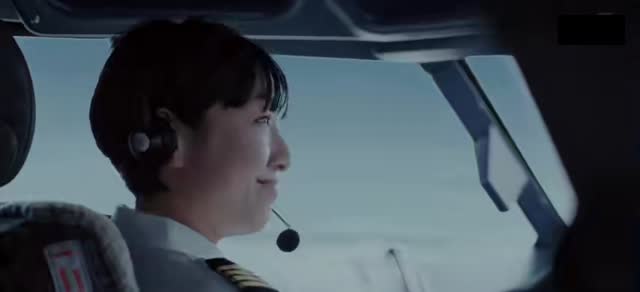
In the cockpit, Mari asks Asami what she would like to be in her next life. Asami says she has been human for 170 years and no longer insists on it; she just wants to be born again in her hometown of Kita-Kumagaya.
  1. 真里/麻美

    Haah... Hey, Achin. / Hm?

  2. 真里

    If you were reborn next time, what would you like to be? Human?

  3. 麻美

    Ah, if it's human, sure, I'd be happy, but

  4. 麻美

    well, all things considered, I've been human for 170 years now,

  5. 麻美

    so I guess I've lost that "it absolutely has to be human" feeling.

  6. 真里/麻美

    I see. / Oh, but,

  7. 麻美

    I'd like to be born in my hometown again.

  8. 真里/麻美

    Kita-Kumagaya? / Yeah.

  9. 麻美

    If I'd be born as a human somewhere I don't know,

  10. 麻美

    I'd rather be some other creature, as long as it's Kita-Kumagaya.

  11. 真里

    Ah, I kind of get that.

  12. 麻美

    Oh, but my hometown has no sea,

  13. 麻美

    so maybe a sea roach is out.

  14. 真里

    Hey, it's not like I'm definitely going to be a sea roach.

  15. 麻美

    Oh, then a land roach?

  16. 真里

    A land roach is just a regular cockroach.

Speaking notes

他の生き物でいいから 北熊谷がいい

"X will do" vs "X is what I want": settling vs choosing

The grammar of this sentence happens to hold the theme of the whole drama:
• 〜でいい = …will do (settling for second best, making do)
• 〜がいい = …is what I'd like (this is what I want)
⚠ One particle, で versus が, is the dividing line between "compromise" and "choice" in Japanese:
• コーヒーでいい = coffee is fine (whatever)
• コーヒーがいい = I want coffee (specific)
So Asami's sentence means: "any creature will do, but the place has to be Kita-Kumagaya."
For ten episodes she fought through four lifetimes for the species 「人間」; in the end she finds that what she can't give up is not "what to be" but "where, and with whom."
(Compare Episode 8: she was handed "human" at the window and turned back saying "I'll start over." She couldn't give a reason then; now she can.)

何だかんだ(再出) / 〜てきた

"all things considered" + "have been doing for ages"

「何だかんだ もう170年 人間やってきたからさ」 = "All told, I've been human for 170 years now."
• 何だかんだ = one way or another, when all is said and done (learned in Episode 10, scene 5)
• 〜てきた = having done it from the past up to now (in Episode 9 you learned 「〜てくる」 for change; here it is "continuation")
The phrase 「人間をやる」 is interesting in itself: 「〜をやる」 turns any identity into "doing the job of…": 先生をやる (to be a teacher), 親をやる (to be a parent), 社会人をやる (to be a working adult).
Talking about "being human" as a job she has done for 170 years is Asami's brand of self-mockery, and having done it long enough as a job is exactly why she can say the next line.

海ゴキ / 陸ゴキ

a running gag completing its setup, joke, retort cycle

The 「フナムシ=海のゴキブリ」 gag from scenes 2 and 3 of this episode completes a three-part structure here:
①Episode 10, scene 2: Asami says 「海のゴキブリって言われてるやつだ」 and Mari objects
②Episode 10, scene 3: Asami shortens it to 「海ゴキ」 and Mari says 「略さないで」
③Here: no sea in her hometown → 「海ゴキは無理かも」 → 「陸ゴキか」 → 「それもう普通のゴキブリじゃん」
⚠ This is the classic structure of Japanese comedy, 「フリ・ボケ・ツッコミ」: setup (フリ) → an absurd statement (ボケ) → a retort that exposes it (ツッコミ).
And this exchange takes place in a cockpit just after saving 180 lives; using the lightest thing to close the heaviest scene is this drama's consistent method.

Key vocabulary

生まれ変わる うまれかわる
to be reborn, to be reincarnated.
地元 じもと
hometown, local area.
確定 かくてい
to be settled, to be fixed.
ゴキブリ
cockroach.

↑ Scenes on this page

A familiar voice on the cabin announcement

This scene

ブラッシュアップライフ Episode 10 A familiar voice on the cabin announcement still

After the plane lands in Taipei, Natsuki and Miho call out to Asami and Mari, saying they were on the flight and got excited when the announcement named Captain Kondo and First Officer Uno; the four agree to have a meal together.
  1. 真里/美穂

    You two were on the flight? / We were!

  2. 美穂/夏希

    Surprising, right? / Wasn't it surprising!

  3. 美穂

    You know, from the in-flight announcement,

  4. 美穂/美穂

    I thought I heard a familiar voice. / And then Natchi said,

  5. 美穂

    "Huh? Isn't this Achin?"

  6. 美穂

    And when I said, "No, it just sounds like her,"

  7. 美穂

    the announcement said "The captain is Kondo and the first officer is Uno,"

  8. 美穂/夏希

    and we went "Wow!" / We got super excited.

  9. 美穂

    We did! Do you two fly together sometimes?

  10. 真里/夏希

    Yeah, now and then, it happens. / I see.

  11. 美穂/麻美

    Do you two still have work after this? / No, we're off today and tomorrow,

  12. 麻美/美穂

    and we go back the day after tomorrow. / Oh!

  13. 夏希/真里

    Then let's go have a meal. / Oh!

  14. 麻美/美穂

    Let's go, let's go! / Can you? Yay!

  15. 真里/夏希

    I'm so happy, this is great. / So happy!

  16. 美穂/夏希

    Wow. / Wow.

Speaking notes

~ってなった

quoting a reaction itself: "we went 'Wow!'"

「『うわ~!』ってなったんだよね」 = "We went 'Wow!'"
〜ってなる = to turn into that reaction or state (the contracted form 「ってなんの」 was learned in Episode 8).
⚠ The beauty is that what is quoted is not a sentence but an exclamation. Japanese can pull any sound, expression or mental state into a sentence with 「って」 as it is:
• 「えっ」ってなった (I just froze)
• シーンってなった (it suddenly went dead silent)
• 頭真っ白ってなる (my mind went blank)
This is much more vivid than "I was surprised": it plays the sound of that moment straight to you. (The 「バ~って」 in Episode 8, scene 17 works the same way.)

知ってる声がする

"a voice is heard": the feeling arises on its own

「知ってる声がする」 = "There's a familiar voice (coming through)."
「〜がする」 = (a sound, smell, taste or feeling) is present, comes to one.
⚠ This is a set of fixed collocations to learn together: 音がする (there's a sound), においがする (there's a smell), 味がする (it has a taste), 寒気がする (I feel chilly), めまいがする (I feel dizzy), 気がする (I have a feeling; learned in Episode 9).
All of them mean "the sensation arises by itself," with the sensation, not the person, as subject: Japanese repeatedly uses this structure to say "I'm not the one perceiving, it just comes to me."
(Other places this idea appears in the drama: イメージが湧く, 心が揺れる, 眠気に襲われる.)

食べ行こう / 行こ

particles that drop in casual speech

「ごはん食べ行こうよ」 = 「ごはんを食べに行こうよ」: both the object 「を」 and the purpose 「に」 have dropped.
「行こ」 = 「行こう」 (the long vowel dropped; learned in Episode 7).
⚠ Elements that drop most often in speech:
• を (ごはんを食べる → ごはん食べる)
• に (食べに行く → 食べ行く)
• い (食べている → 食べてる)
• long vowels (行こう → 行こ)
• ら (分からない → 分かんない)
These five rules account for most of what is "hard to catch" in this drama's speech. Restore them in reverse and the subtitles will match what you hear.

Key vocabulary

機内アナウンス きないアナウンス
in-flight announcement.
興奮 こうふん
excitement, being thrilled.
たまに
now and then, occasionally.
あさって
the day after tomorrow. Written 「明後日」 in kanji.

↑ Scenes on this page

The first "Achin" in 75 years

This scene

ブラッシュアップライフ Episode 10 The first "Achin" in 75 years still

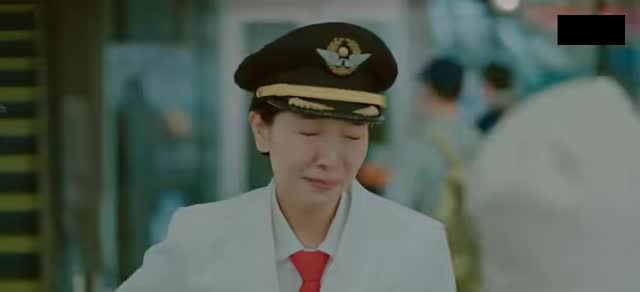
At dinner in Taipei, Asami says she nearly cried when she was called "Achin" at the airport, the first time in 75 years; the two then joke about the new nickname "Massan."
  1. 麻美

    When I was called "Achin" at the airport,

  2. 麻美/真里

    I honestly almost cried. / Yeah, that was such a happy moment.

  3. 麻美/真里

    So happy. / Yeah, so happy.

  4. 麻美

    I mean, it's the first "Achin" in 75 years.

  5. 真里

    It is, isn't it.

  6. 麻美

    What's "Massan"?

  7. 真里

    I don't know... what is "Massan"?

  8. 麻美

    Hey, has anyone ever called you "Massan" before?

  9. 真里

    No, never, it's my first "Massan."

  10. 麻美

    Right.

  11. 真里

    Huh, why did it suddenly become "Massan" this time?

  12. 麻美

    The butterfly effect?

  13. 真里

    The butterfly effect? Because of "Massan"? Isn't that kind of lame?

  14. 麻美

    Then it's "Butterfly Massan."

Speaking notes

~ぶり

"for the first time in...": counting the gap since last time

「75年ぶりの『あーちん』」 = "the first 'Achin' in 75 years."
〜ぶり = after an interval of…, for the first time in…. Attached to a length of time, it means "this long has passed since the last occurrence."
Common: 3年ぶりに会う (to meet after three years), 久しぶり (long time no see; the structure of this everyday greeting is "久し+ぶり"), 10年ぶりの優勝 (the first title in ten years).
⚠ 「〜ぶり」 can only be used for a recurrence: something happening for the first time can't be 「初めてぶり」.
Why the line carries weight: the nickname 「あーちん」 was used only by the four of them in elementary school. From Episode 7 on, Natsuki and Miho had been calling her 「麻美ちゃん」 (and they even mentioned it near the end of Episode 9: 「呼び方は『麻美ちゃん』と『真里ちゃん』だったけどね」).
It took five lifetimes, seventy-five years, to get these three syllables back.

バタフライエフェクト / ショボい

a grand concept, a puny result: the butterfly effect gag

①バタフライエフェクト = the butterfly effect (chaos theory: a butterfly flapping its wings in Brazil sets off a tornado in Texas). It is a common concept in time-travel stories, and this drama has spent all ten episodes dealing with it: Mari went to the bathroom, and Asami didn't die thirty years later (Episode 8, scene 12).
②ショボい = shabby, unimpressive, lame. Casual. Related: しょぼしょぼ (bleary-eyed), しょぼくれる (to be dejected).
「ショボくね?」 = 「ショボくない?」 in a masculine / casual contraction (〜くない? → 〜くね?, young people's speech).
The joke is a miniature of the drama's theme: they changed the course of five lives and saved 180 people, and the most visible result of the butterfly effect is that Mari got a nickname nobody can explain.

呼ばれる / 泣きそうになる

a passive that is happy for once; "almost cried"

①「『あーちん』って呼ばれた時」 = "when I was called 'Achin.'"
A passive, because someone else did the action and it landed on her, and this time the passive is a sweet one.
(Compare the many adversity passives in this drama: 気を使われる、断られる、詰められる、疑われる. The same grammar, finally used for something good.)
②〜そうになる = to almost…, to come close to… (but it didn't happen).
「泣きそうになった」 = I almost cried (I didn't actually).
⚠ The difference:
• 泣きそうだ = looks like about to cry (appearance)
• 泣きそうになった = nearly cried (it didn't quite happen)
Similar: 転びそうになる (nearly fell), 言いそうになる (nearly said it).

Key vocabulary

~ぶり
for the first time in… (a recurrence after an interval).
バタフライエフェクト
the butterfly effect.
ショボい
shabby, unimpressive, lame.
初 はつ
first time. 「初〇〇」 = the first … .

↑ Scenes on this page

Could you introduce the paper bag?

This scene

ブラッシュアップライフ Episode 10 Could you introduce the paper bag? still

The four are celebrating Asami's 40th birthday. A paper bag sits on the table; Asami can't help asking Natsuki to introduce it, but Natsuki says it's her own personal item.
  1. 麻美

    I thought about waiting a little longer, but

  2. 麻美/美穂

    this is really my limit, so I'm going to say it. / What?

  3. 麻美

    Natchi... could you introduce that paper bag to me now?

  4. 夏希

    Hm? Introduce?

  5. 麻美/3人

    Today's my birthday, you know. / Yeah.

  6. 麻美/夏希

    It's a present, right? / Oh, this?

  7. 麻美

    Sorry for bringing it up myself.

  8. 麻美

    But with it in plain view like this,

  9. 麻美

    even pretending not to notice has its limits.

  10. 夏希

    Oh, sorry, this isn't it.

  11. 麻美

    What?

  12. 夏希

    This is my own personal thing.

  13. 麻美

    I see...

  14. 麻美(心)

    (I've done it.)

  15. 麻美(心)

    (I've completely done it.)

Speaking notes

紹介してもらってもいいですか

over-polite request: funny when addressed to a paper bag

「そろそろ紙袋を紹介してもらってもいいですか?」 = "Might I ask you to introduce the paper bag now?"
Breakdown: 紹介する → 紹介してもらう (giving/receiving) → もらってもいい (asking permission) → ですか.
⚠ 「〜てもらってもいいですか」 is an extremely common soft request in modern Japan (far gentler than 「〜てください」), often heard in service and workplace settings: 「ここに署名してもらってもいいですか」 (could you sign here?).
The joke works on three levels:
①The object is a paper bag, which doesn't need to be "introduced"
②She suddenly uses polite language to a childhood friend she knows inside out
③The word 「紹介」 personifies the bag, as if it were a guest kept waiting for an introduction
And the next moment, the bag turns out not to be a present at all.

気付かないふり

pretending not to notice, the social lubricant

「気付かないふりっていうのにも限界がある」 = "Even pretending not to notice has its limits."
Plain form of a verb + ふりをする = to pretend to… (in Episode 9 you learned the more formal 「装う」).
Common: 知らないふり (pretending not to know), 寝たふり (pretending to sleep), 見て見ぬふり (turning a blind eye), 聞こえないふり (pretending not to hear).
⚠ 「ふり」 is a necessity in Japanese social life: even when you know, you act as if you don't; even when you see, you act as if you didn't, so as not to embarrass the other person.
This whole scene is the collapse of that "ふり": the present is too conspicuous to ignore; she pokes at it herself, and pokes the wrong thing. In other words, the last time this drama deals with 「気を使う」 is when it fails.

やってしまった

"I've blown it": the full form sounds heavier

「やってしまった」 = "I've done it / I've blown it."
〜てしまう = something happened that shouldn't have (learned in Episode 8; the spoken contraction is 〜ちゃった).
⚠ Note there is no contraction here: Asami's inner voice says the full 「やってしまった」 and 「完全にやってしまった」. The contracted 「やっちゃった」 would sound lighter, and she genuinely wants to sink into the floor.
The more complete the form, the heavier the feeling: an interesting rule of Japanese.
Similar "I'm done for" expressions: しまった! (oh no!), やらかした (I've screwed up, more casual), 終わった (it's over).

Key vocabulary

紙袋 かみぶくろ
paper bag.
丸見え まるみえ
completely visible, in plain view.
ふりをする
pretending, putting on an act.
触れる ふれる
to touch on, to mention (a topic).
限界 げんかい
limit.

↑ Scenes on this page

You glanced four times

This scene

ブラッシュアップライフ Episode 10 You glanced four times still

With the misunderstanding cleared up, Miho explains the original plan: Natsuki would take out the present at the right moment and everyone would say happy birthday. They also count how many times Asami glanced at the paper bag.
  1. 麻美/美穂

    Nobody wouldn't fall for that, right? / Anyway, the plan was that Natchi

  2. 美穂

    would take out the present and we'd all say "Happy birthday!" at that moment.

  3. 真里/美穂

    All we could do was wait... / Exactly.

  4. 夏希

    I thought I'd talk a bit more first.

  5. 美穂

    If it weren't for this, I think that would have worked,

  6. 美穂

    but the moment Achin's eyes went to the paper bag,

  7. 美穂

    I thought, "this is getting dangerous," and kept sending Natchi

  8. 美穂

    eye contact like crazy, and she didn't notice at all.

  9. 美穂/真里

    Did you see? / I saw.

  10. 夏希/麻美

    I was so caught up in the conversation that I didn't notice. / Wait a second...

  11. 麻美

    You knew I was sneaking glances at the paper bag?

  12. 真里/美穂

    Yeah. / Yeah.

  13. 真里/美穂

    You glanced a total of four times. / Huh, wasn't it three glances?

  14. 真里/美穂

    It was four glances, I was counting. / Oh, really?

  15. 麻美

    Stop it... that's so embarrassing.

  16. 夏希

    Sorry, Achin, sorry I made you go as far as four glances.

Speaking notes

4チラ

coining a counter on the spot: "three glances", "four glances"

「合計4回チラしてた」 → 「3チラじゃない?」 → 「4チラだね」
「チラ見」 = a quick glance, sneaking a look (the noun form of チラっと見る). And on the spot they turn it into a counting unit: 「〇チラ」.
⚠ Japanese is very free in coining new counters: mimetic word / verb → noun → counter. Similar are 「ひとポチ」 (one click) and 「3タップ」 (three taps).
The drama plays this game repeatedly: 接待交換 (Episodes 6 and 9), 成人式暴れ (Episode 8), 閉店セール理論 (Episode 9), 誕プレトラップ (the birthday-present trap, this episode): giving a proper name to an everyday phenomenon that has none is what makes the joke.

~までさせて ごめんね

causative + apology: "sorry I made you do that"

「4チラまでさせて ごめんね」 = "Sorry I made you go as far as four glances."
Causative (させる) + て + ごめん = because of me, you were forced to… (you learned 「させてしまった」 in Episode 9, scene 5).
⚠ Japanese uses the causative a great deal in apologies, because it writes "the responsibility is mine" into the grammar:
• 待たせてごめん (sorry to keep you waiting)
• 心配させてごめん (sorry to make you worry)
• 気を使わせちゃって (sorry for making you go to the trouble: the key word of this drama)
The absurdity of this apology lies in its content: she is apologizing for "making you peek four times." But precisely because she uses the most standard apology grammar, the line is both funny and genuinely tender.

アイコンタクト / 夢中 / バレる

eye contact, absorbed in, found out

①アイコンタクト = eye contact, signaling with the eyes. A Japanese-style English loan, used very often in daily life.
②〜に夢中 = absorbed in, wrapped up in. 「話に夢中で気付かなかった」 = I was so caught up in the conversation that I didn't notice.
③バレる = (something hidden) comes out, gets found out. Intransitive; the transitive is バラす (to expose, to reveal).
Common: 嘘がバレる (a lie is exposed), バレバレ (can't be hidden, obvious at a glance).
The structure of this scene is neat: Asami thinks she is watching secretly, but Miho is watching her and even sending eye signals to Natsuki, while Natsuki notices nothing. Of the four, only one is truly relaxed.

Key vocabulary

チラ見 チラみ
a quick glance, a peek.
段取り だんどり
(prearranged) steps, procedure.
目線 めせん
line of sight, gaze.
夢中 むちゅう
absorbed, engrossed.
バレる
(a secret) gets out, is found out.

↑ Scenes on this page

We can't take it for granted

This scene

ブラッシュアップライフ Episode 10 We can't take it for granted still

The four go to Fukuda's karaoke shop, where he gives them a free plate of fries each time. They talk about not taking it for granted, worry he might be forcing himself, and wonder whether to tell him they don't need any.
  1. 美穂

    We shouldn't take it for granted.

  2. 真里

    Actually, hasn't Fuku reached the point where he can't stop even if he wants to?

  3. 麻美/真里

    The free fries? / Right.

  4. 夏希

    He gives them every time, so if he suddenly stopped,

  5. 夏希/真里

    we'd worry the business is struggling? / Yeah, yeah...

  6. 真里/麻美

    Fuku's so kind. / Maybe...

  7. 麻美

    it's actually tight at the shop, and he's frying fries

  8. 麻美

    while the part-timers give him cold looks?

  9. 美穂/麻美

    It's not impossible. / True.

  10. 麻美/真里

    There could be "barely-scraping-by fries." / Aww, he doesn't have to push himself.

  11. 麻美/夏希

    What should we do? Say something? / Say what?

  12. 麻美

    Like, "Fuku, no fries needed today."

  13. 真里/美穂

    Oh, that might be good. / But wait, if we say that,

  14. 美穂

    it presumes Fuku will bring us fries again today,

  15. 美穂/夏希

    doesn't it? / True.

  16. 真里

    It feels like we're taking it for granted.

  17. 麻美

    Right, that's a bit shameless.

Speaking notes

やめるにやめれない

"want to stop but can't": repeat the verb, then its negative potential

「やめるにやめれなくなってる」 = "He's reached the point where he can't stop even if he wants to."
Dictionary form of a verb + に + negative potential of the same verb = want to do it but can't. This is an idiomatic emphatic structure.
Common: 言うに言えない (can't bring oneself to say it), 帰るに帰れない (want to go home but can't), 笑うに笑えない (no laughing matter), 引くに引けない (can't back down).
⚠ 「やめれない」 is so-called 「ら抜き言葉」 (the standard form is やめられない): very common in speech, but use 「られ」 in writing and exams. It appears often in this drama.
This line is also the end point of the drama's theme of 「気を使う」: Fukuda's kindness has become a rope that even he can't untie.

当たり前だと思っちゃダメ

"don't take it for granted": the drama's moral

「当たり前だと思っちゃダメだね」 = "We shouldn't take it for granted."
• 当たり前 = natural, a matter of course
• 〜ちゃダメ = a contraction of 〜てはダメ = must not (you learned 「〜たらダメ」 in Episode 8)
This line is what the four say to each other and what the drama says to the viewer.
The structure of the whole conversation is very Japanese:
①Notice the other person's kindness (福ちゃん優しいじゃん)
②Worry that the kindness is forced (カツカツポテト)
③Want to decline considerately (今日ポテト大丈夫だよ)
④Realize that this very phrase presupposes he'll bring them, which is even ruder (持ってきてくれる前提の言い方)
⑤Conclusion: ずうずうしい (shameless)
To keep a plate of free fries from becoming a burden, the four go around five layers. That is the whole picture of 「気を使う」, and what this drama has spent ten episodes on.

白い目で見られる / カツカツ / ずうずうしい

"given cold looks", "barely scraping by", "shameless"

①白い目で見られる = to be looked at coldly, to get the cold shoulder. (passive) 「白い目」 = a contemptuous, rejecting look.
②カツカツ = just barely enough, very tight (money, time). A mimetic word: 生活がカツカツ (living hand to mouth), 時間がカツカツ (just barely enough time).
⚠ Asami coins a term on the spot: カツカツポテト (barely-scraping-by fries).
③ずうずうしい = shameless, with no sense of proportion. A fairly heavy criticism in Japanese of someone who fails to read the room.
A ladder of near-synonyms: 図々しい (shameless) > 遠慮がない (no reserve) > 気が利かない (not attentive).
And what they worry about being 「ずうずうしい」 over is merely a plate of free fries.

Key vocabulary

当たり前 あたりまえ
natural, a matter of course.
カツカツ
very tight, barely enough.
白い目で見る しろいめでみる
to look at coldly, to look down on.
ずうずうしい
shameless, pushy.
前提 ぜんてい
premise, precondition.

↑ Scenes on this page

But I can only fit fries

This scene

ブラッシュアップライフ Episode 10 But I can only fit fries still

The fries do arrive. The group wants to order more to help the shop's sales, but Asami says she only has room for fries, and the others agree; Natsuki suggests calling more people.
  1. 麻美

    Look, it's really hard for me to say this at a time like this, but

  2. 麻美/真里

    can I say it? / What?

  3. 麻美

    I can only fit fries.

  4. 真里/麻美

    What do you mean? / I mean, I ate the fries, and

  5. 麻美

    I came in just about the right state, stomach-wise, so

  6. 麻美/美穂

    I can't fit any extra food. / We came sized for the fries.

  7. 夏希

    We do want to contribute to sales, but we can't fit any more.

  8. 麻美

    I do want to contribute to the sales, okay? It's just also a fact that I can't fit any more.

  9. 美穂

    Ordering something when you know you'll leave it is rude, really.

  10. 真里

    Same here.

  11. 麻美/真里

    We can't fit any, right? / Yeah, we can't.

  12. 夏希

    Oh, then why don't we call some people and increase the headcount?

  13. 真里/夏希

    Yeah! / Right!

  14. 麻美

    True, that would raise sales too.

Speaking notes

入んない — 第9集の冒頭と、まったく同じ台詞

nearly the same lines as Episode 9, now with all four on the same side

This whole exchange replays the same conversation as Episode 9, scene 2:
• The start of Episode 9 (at the very start of her fifth round): 「福ちゃんが気を使ってポテト持ってきそう」, 「正直もう入んない」, 「気持ちはありがたいけど全然入んない」, 「でも入んないのも事実だよね」
• Here (the very end of the drama): 「ポテトしか入んない」, 「売り上げには貢献したいけど入んない」, 「ただ入んないのも事実だよね」
Even the line 「入んないのも事実だよね」 is word for word the same.
⚠ This is not laziness; it is structure: in that Episode 9 scene, Asami had not yet truly made up with Natsuki and Miho; in this one, the four are worrying together about the same small thing.
Same lines, same fries; the only thing that changed is that they are finally on the same side.

この流れでこんなこと言うの心苦しい

apologizing before saying something awkward

「この流れでこんなこと言うの非常に心苦しいんだけど、言っていい?」
心苦しい = feeling uneasy in one's heart (because of burdening someone or disappointing their kindness).
⚠ The difference from 「申し訳ない」:
• 申し訳ない = I did something wrong; I'm sorry
• 心苦しい = I didn't do anything wrong, but it weighs on me (often used when declining someone's kindness)
Common: 心苦しいのですが、お断りします (I feel bad about it, but I must decline).
「流れ」 = mood, flow (learned in Episode 10, scene 6). 「この流れで」 = given the mood right now: everyone is touched by Fukuda's kindness, and she is about to say "I can't eat any more."
Before saying something that spoils the mood, Japanese requires an apology for saying it at all. This preamble is three times as long as the sentence itself.

~しか〜ない(総まとめ)

"shika + negative": the drama's most-used pattern, revisited

「ポテトしか入んない」 = "I can only fit fries."
しか + negative = only… (and with a sense of "that's all, it's limited").
This pattern runs through the whole drama and is worth a recap:
• Episode 7: 「イオンくらいしか遊ぶとこなかった」 (there was nowhere to hang out except AEON)
• Episode 8: 「その飛行機に乗るしかない」 (there's nothing for it but to get on that plane)
• Episode 9: 「強行手段に出るしかない」 (no choice but forceful measures)
• Here: 「ポテトしか入んない」 (I can only fit fries)
⚠ From "the only way is to sacrifice yourself to save a planeful of people" to "I only have room for one plate of fries": one pattern holds both extremes of this drama, and the script chose the latter to end on.

Key vocabulary

心苦しい こころぐるしい
feeling uneasy, feeling bad (about a burden or a refusal).
売り上げ うりあげ
sales, revenue.
貢献 こうけん
contribution, to contribute.
追加 ついか
addition, an additional order.
残す のこす
to leave over, to leave uneaten.

↑ Scenes on this page

Why does time speed up as you get older?

This scene

ブラッシュアップライフ Episode 10 Why does time speed up as you get older? still

After singing at the karaoke place, the four talk about why time seems to pass faster with age. Miho says it's because one year becomes a smaller share of your life, and Natsuki asks about how long the wait for hot water in the shower feels.
  1. 美穂

    You know, I read in a book that

  2. 美穂

    it's because, as you get older, the relative length of one year gets shorter.

  3. 真里/麻美

    Ah. / Yeah...

  4. 夏希/美穂

    What does that mean? / Hm?

  5. 麻美

    I mean, for a five-year-old, one year is

  6. 麻美/夏希

    one fifth of their life, right? / Yeah.

  7. 麻美

    But for a fifty-year-old, one year

  8. 麻美/夏希

    is only one fiftieth of their life. / Oh, true.

  9. 麻美

    So as you get older like that,

  10. 麻美

    one year's share of your life gets smaller,

  11. 麻美/夏希

    so it starts to feel fast. / Ah.

  12. 麻美/美穂

    Right? That's what it is, isn't it? / That's what it is.

  13. 麻美/夏希

    Got it? / Haah.

  14. 夏希/美穂

    Oh, then what about that? / What?

  15. 夏希

    At home, the time from turning on the shower until the water gets hot

  16. 夏希/美穂

    feels long, doesn't it. / Yeah, it does.

  17. 美穂

    The water just doesn't get hot.

  18. 夏希

    It's probably actually just a few seconds, but it feels like two or three minutes.

Speaking notes

~につれて

"as X changes, so does Y": proportional, gradual change

「年を取るにつれて, 1年の長さが短くなる」 = "As you get older, the length of a year gets shorter."
〜につれて = as… (and another thing changes in proportion).
Connection: verb dictionary form / noun + につれて.
⚠ Differences from similar "as" patterns:
• 〜につれて = the two change in proportion, gradually (the second part is usually a natural, non-volitional change)
• 〜にしたがって = as; can also mean "in accordance with"
• 〜とともに = at the same time as (also "together with")
• 〜ば〜ほど = the more… the more… (stresses degree)
It appears twice in this scene: 「年を取るにつれて」 and 「年を重ねるにつれて」; the latter is more elegant (重ねる = to pile up layer upon layer).

~でしかない(第9集の再出)

"nothing more than...": returns from Episode 9; fractions too

「人生の50分の1でしかない」 = "It's only one fiftieth of a life."
〜でしかない = is nothing more than… (learned in Episode 9, scene 10: 「ただのマッドサイエンティストでしかない」).
Fractions also appear here: 〇分の△ (denominator first, then numerator): 5分の1 (one fifth), 50分の1 (one fiftieth).
⚠ The order is the reverse of English, which can confuse you when listening.
This passage carries special weight in this drama: the speaker has lived 232 years. By her own formula, one year is 1/232 of her life, so no wonder she knows better than anyone how fast time goes. The script never points this out, but it's right there.

体感 / 〜ように感じる

"bodily sense" vs actual time; "come to feel"

「実際数秒なんだろうけど、体感だと2~3分」 = "Actually it's probably a few seconds, but it feels like two or three minutes."
体感(たいかん) = what the body actually feels (as opposed to the objective figure).
Common: 体感温度 (perceived temperature), 体感時間 (perceived time), 体感速度 (perceived speed).
The contrast of 「実際」 vs 「体感」 is the theme of this whole passage, and also of the whole drama: Asami lived 232 years, yet what she really remembers is a handful of specific afternoons.
⚠ 「早く感じるようになる」 = to come to feel it as fast. 〜ようになる = to (gradually) come to… (a change of state), and it differs from 「〜ようにする」 (making a deliberate effort; learned in Episode 9) by one syllable and in meaning entirely:
• 〜ようになる = it comes about naturally (non-volitional)
• 〜ようにする = to make an effort to do (volitional)

Key vocabulary

~につれて
as… (in proportion).
相対的 そうたいてき
relative. The opposite is 「絶対的」.
比率 ひりつ
proportion, ratio.
体感 たいかん
bodily sensation, perceived feeling.
年を重ねる としをかさねる
to grow older (an elegant expression).

↑ Scenes on this page

A total of 232 years

This scene

ブラッシュアップライフ Episode 10 A total of 232 years still

Mari asks why, when her name is Mari, she got called "Pyorotan." None of the other three can remember, and the four laugh together.
  1. 真里

    It's a bit late to ask, but my name is Mari, and

  2. 真里

    how did it become "Pyorotan" again?

  3. 3人/真里

    I don't remember. / What's that about?

  4. 4人

    Ahaha...

  5. 麻美(心)

    (And so, all four of us, safe and sound,

  6. 麻美(心)

    lived out our basic lifespans...)

  7. 麻美(心)

    (I closed the curtain on my life that winter.)

  8. 麻美(心)

    (Died at the age of 98.)

  9. 麻美(心)

    (A total of 232 years.)

Speaking notes

全うする

to live out one's full lifespan; to see it through to the end

「基本寿命を全うし」 = "lived out our basic lifespans."
全うする(まっとうする) = to complete, to see through to the end, to fulfill fully. It comes from the old adjective 「全し(まったし)」 and is written 「全う」.
⚠ The reading is the difficulty: here 「全」 is read まっと(う), not ぜん.
Common collocations: 天寿を全うする (to live out one's natural lifespan), 職責を全うする (to fulfill one's duties), 役目を全うする.
「基本寿命」 is a term this drama coined: in this world each person has an age they would "normally live to," and in her first four lives Asami never reached it.
The half-sentence 「4人とも無事 基本寿命を全うし」 is the result of all their efforts in the drama: the four of them lived to the day they were meant to.

生涯に幕を閉じる / 享年

literary ways to speak of death

「その生涯に幕を閉じた」 = "closed the curtain on her life."
幕を閉じる = (theater) the curtain falls, extended to "to end." Its counterpart is 「幕を開ける/幕が開く」 (the curtain rises, to begin).
This is a dignified way of describing death in obituaries and nonfiction writing, far more refined than 「死んだ」.
享年(きょうねん) = age at death, used only for a person who has died.
⚠ Japanese has a clear ladder of registers for "death":
• 亡くなる (to pass away, the most common euphemism)
• お亡くなりになる (honorific)
• 逝去(せいきょ)する (written, respectful)
• 死ぬ (blunt, impolite toward the deceased)
• 幕を閉じる/天寿を全うする (literary)
The script gives Asami's last monologue the most literary register, and the very next line is the dry 「合計232歳」.

今さら / なったんだっけ

"come to think of it..." and "-kke" for asking about half-forgotten things

「今さらなんだけどさ」 = "It's a bit late to ask, but..."
今さら = now, at this point (after the time has passed), usually with a sense of "too late": 今さら遅い (it's too late now), 今さら聞けない (too embarrassed to ask at this point, a very relatable set phrase).
「なったんだっけ?」 = "how did it become that again?"
〜っけ = used to check with someone something you can't quite remember, a very colloquial sentence-final particle: 何時だっけ (what time was it?), 名前何だっけ (what was the name?).
⚠ The last spoken line of the whole drama is a question with no answer: why she is called 「ぴょろたん」, none of the four remembers.
A person who remembered everything for more than two hundred years ends up with one small thing nobody can recall, and then everyone laughs. That is how the drama ends.

Key vocabulary

全うする まっとうする
to complete, to see through to the end.
生涯 しょうがい
a lifetime, one's life.
幕を閉じる まくをとじる
a curtain falling; the end.
享年 きょうねん
age at death.
今さら いまさら
now, at this late point.
~っけ
(checking something half-remembered) ...was it?

↑ Scenes on this page

Back to ブラッシュアップライフ · Back to all scenes