LearnWithSubs

ブラッシュアップライフ Episode 10 (page 1/2)

This episode has 20 dialogue scenes: tactful phrasing and checking in during negotiations, a senior colleague's polite workplace language (「これが私の立場でできる限界です」), rough male speech (understand it, don't use it), the tone of a briefing for an operation, griping between colleagues, a stranger's approach, a meal with friends, and talk about time seeming to speed up. The main focus is workplace honorifics and several sharply different speech styles.

Language highlights

  • 「〜ようにはしとくんで」("I'll see to it, at least that much"; the は marks the limit)
  • 「これが私の立場でできる限界です」("this is the limit of what my position allows")
  • 「〜なくて済む」(to get by without having to...)
  • 「チクる」(to snitch, to tell on someone)
  • 「ウケる」(that's hilarious)
  • 「〜につれて」(as... changes, so does...)

Scenes on this page

  1. Not killing him, just making him unable to move

    Scene 1 · 0:48

    Expressions: ~なくはない, ただじゃ済まない, 調べられる / 疑われる / 呼び戻される

  2. How does this count in karma terms?

    Scene 2 · 0:50

    Expressions: 蹴る, ~だからといって~わけではない, フナムシ と「海のゴキブリ」

  3. You wavered just now

    Scene 3 · 0:28

    Expressions: 間が空く, 揺れる, 略さないで

  4. That's the limit of what my position allows

    Scene 4 · 0:31

    Expressions: ~ようにはしとくんで, これが私の立場でできる限界です, ~なくて済む / 無理言って

  5. Aren't you going too far?

    Scene 5 · 0:35

    Expressions: 男性の乱暴体, よしみで, 度を越える / 何だかんだ

  6. Briefing: we're finally criminals too

    Scene 6 · 0:51

    Expressions: 隙に, ~っていう流れ, 襲われる / 待機する

  7. I tipped off his wife anonymously

    Scene 7 · 0:52

    Expressions: 詰める, チクる / ザマー / ウケる, ~といて / ~ておいて(非難)

  8. You're a savior!

    Scene 8 · 1:00

    Expressions: お疲れさまです, あんた 救世主だよ, チッ の二つの顔

  9. Actually, I'm a time leaper

    Scene 9 · 0:34

    Expressions: 重々承知しています, 単刀直入 / 手短に, 変更してもらえないですか

  10. We were planning to change it anyway

    Scene 10 · 0:35

    Expressions: そのつもりです, ~に就く, 周目で答える

All scenes in this episode

Page 2

Speed
All scenes

Not killing him, just making him unable to move

This scene

ブラッシュアップライフ Episode 10 Not killing him, just making him unable to move still

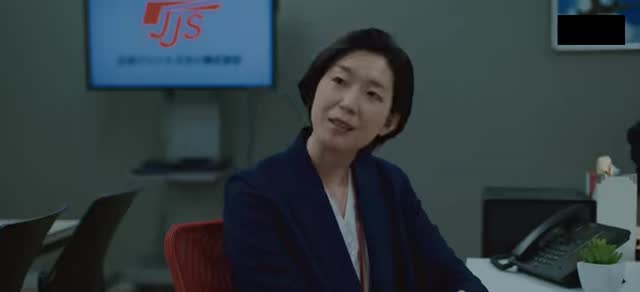
Mari suggests slipping something to Captain Nakamura so he can't move for half a day. Asami says she could make such a drug, but if anything happened, the two of them would be the prime suspects.
  1. 麻美

    So you mean poisoning Nakamura to death?

  2. 真里

    No, we won't kill him.

  3. 真里

    We'd just make it so he can't move for a little while.

  4. 真里

    Hey, Achin, you've been through both pharmacy school and medical school,

  5. 真里/麻美

    so wouldn't you know about that sort of thing? / What sort of thing?

  6. 真里

    Isn't there some drug that would leave someone unable to move for about half a day?

  7. 麻美/真里

    Like food poisoning? / Yeah, something like that.

  8. 真里

    Achin, could you make one?

  9. 麻美

    Uh... it's not that I can't, but...

  10. 麻美/真里

    We wouldn't get away with it, you know. / What do you mean, get away with it?

  11. 麻美

    Because if the captain ended up like that,

  12. 麻美/真里

    they'd definitely look into what he ate right before, right? / True.

  13. 麻美

    Then the first people they'd suspect would be us.

  14. 真里/麻美

    We'd be the prime suspects. / Right?

  15. 麻美

    We'd be called back right away, investigated, and arrested, you know?

  16. 真里

    Well, that's how it would go.

Speaking notes

~なくはない

double negative: the weakest possible "yes"

「作れなくはないけど…」 = "It's not that I can't make it, but..."
Breakdown: 作れる (potential) → 作れない (negative) → 作れなくはない (negated once more).
⚠ A double negative in Japanese is not emphasis; it weakens the affirmation to its faintest level: "I can do it," but "reluctantly / with conditions / with reservations."
A ladder of politeness and reserve:
• 作れる (I can make it; plain and direct)
• 作れると思う (I think I can make it)
• 作れなくはない (it's not that I can't...)
A 「けど」 always follows, because the speaker uses this pattern to attach the "but" legitimately.
In Episode 10, scene 4, Horiguchi uses the same pattern (「そういうお願いもできなくはないんですけど」); Japanese people almost always rely on this move when refusing or setting limits.
ただじゃ済まない

"won't be settled just like that": you won't get off lightly

ただじゃ済まない = it won't end just like that, there's no way we'd get off.
Breakdown: ただ (for free, without consequence) + で/じゃ + 済む (to be settled, to get by) + ない.
「済む」 is an extremely common verb, meaning "something is concluded as it is, with no further cost needed":
• 〜ずに済む = to get by without doing… (in Episode 10, scene 4: 「資格 切れなくて済む」 = it can be settled without the qualification lapsing)
• お金で済む = it can be settled with money
• 気が済む = to feel settled (learned in Episode 9)
• すみません = literally "it isn't finished yet (my apology isn't settled)", the most common Japanese word for apologizing, and its origin is this very 「済む」.

調べられる / 疑われる / 呼び戻される

a run of passives showing helplessness

Asami uses four passives in a row: 調べられる (be investigated), 疑われる (be suspected), 呼び戻される (be called back), and 逮捕 (arrest).
In the whole sentence, they take no active step at all; everything is done to them by others. That is exactly what she is pointing out to Mari: once you act, the initiative passes completely out of your hands.
⚠ 「口にする」 = to eat or drink, or to say aloud. Here it is the former: 「直前に口にしたもの」 = what he put in his mouth just before.
Similar euphemistic verbs: 口にする (eat or say), 手にする (get in hand), 耳にする (hear), 目にする (see). "Body part + にする" is a set of rather refined idiomatic verbs.

Key vocabulary

毒殺 どくさつ
to kill by poison.
食中毒 しょくちゅうどく
food poisoning.
容疑者 ようぎしゃ
suspect.
逮捕 たいほ
arrest.
済む すむ
to be settled, to be over, to get by.

↑ Scenes on this page

How does this count in karma terms?

This scene

ブラッシュアップライフ Episode 10 How does this count in karma terms? still

Asami and Mari discuss how the poisoning plan would count in terms of karma. Asami says she gave up being human next life in order to come back; Mari says her previous next-life was a sea slater.
  1. 麻美

    By the way, how does this rate in terms of karma, I wonder?

  2. 真里/麻美

    Ah, hard to say. / Well, you see,

  3. 麻美

    I came back after kicking away being told my next life would be human,

  4. 麻美

    so I'm ready for not being human,

  5. 麻美

    but that doesn't mean anything goes, right?

  6. 真里

    No, I'm the same.

  7. 真里/麻美

    Huh? Wait. / Hm?

  8. 真里

    Achin, you were told your next life is human?

  9. 麻美/真里

    Yeah, that's right. / Wow...

  10. 麻美

    By the way, what were you told last time?

  11. 真里/麻美

    Last time? / Yeah.

  12. 真里/麻美

    A sea slater... / Oh, a sea slater, huh.

  13. 麻美

    That's the one they call the "cockroach of the sea."

  14. 真里

    No, that's just what people call it; they're totally different creatures, you know.

  15. 麻美

    You're right.

  16. 真里

    Actually, Achin, you kicked away being human to start over, huh?

Speaking notes

蹴る

far stronger than "refuse": to kick a good offer away

「人間を蹴ってやり直してる」 = "She kicked away 'human' and started over."
蹴る basically means "to kick," and applied to a proposal, invitation or terms it means "to boot it away, to flatly reject."
• 断る = to decline (neutral)
• 蹴る = to kick away a benefit that was handed to you (casual, with an exclamation of "how could you!")
Common: 内定を蹴る (turn down a job offer already in hand), 誘いを蹴る (turn down an invitation).
Mari's final line 「人間蹴ってやり直してんだ」 is full of admiration: in this world "human" is the finish line nobody reaches in hundreds of years, and Asami kicked it away.

~だからといって~わけではない

"even so, it doesn't mean anything goes"

「だからといって何でもいいわけではない」 = "That said, it doesn't mean anything goes."
This is an advanced pair-pattern:
• 〜だからといって = even granting that… (first acknowledge the premise)
• 〜わけではない = but it's not the case that… (partial negation, learned in Episode 9)
Together: "I accept A, but B doesn't follow from it," the standard Japanese tool for correcting a line of logic.
Similar: 安いからといって、質が悪いわけではない (cheap doesn't mean poor quality), 若いからといって、何でもできるわけじゃない (being young doesn't mean you can do anything).
Asami means: I've already given up being human, but that doesn't mean I have no limits. She is drawing her last line, and a second later they cross it.

フナムシ と「海のゴキブリ」

a nickname that is factually wrong: not a roach at all

フナムシ(船虫) = the sea slater (a "sea roach"), a crustacean of the order Isopoda, and in fact not related to cockroaches (which are insects) at all; it is closer to shrimp and crabs.
But because it looks similar, moves fast and gathers in groups on seaside rocks, Japanese people nickname it 「海のゴキブリ」 ("cockroach of the sea"). Mari's protest 「全く別の生き物だからね」 is entirely correct biologically.
⚠ Grammar note: 「そう言われてるだけで」 = it's just called that (passive + だけ); she stresses that it is only a nickname, not fact.
This gag returns in Episode 10, scene 12: 「海ゴキ」 and 「陸ゴキ」.

Key vocabulary

徳 とく
virtue, merit (karmic credit). A key word in this drama.
蹴る ける
to kick; to flatly refuse (a benefit that was offered).
覚悟 かくご
preparedness, resolve.
フナムシ
sea slater ("sea roach"). Written 「船虫」 in kanji.
生き物 いきもの
living creature.

↑ Scenes on this page

You wavered just now

This scene

ブラッシュアップライフ Episode 10 You wavered just now still

Asami asks Mari whether she too would choose to start over if told her next life would be human. Mari pauses before answering, and Asami says she wavered.
  1. 麻美

    Come on, even you, if you'd been told your next life would be human,

  2. 麻美

    you'd have started over, right?

  3. 真里/麻美

    ...Yeah. / Hm?

  4. 麻美

    What? There was a weird pause just now.

  5. 真里

    No, no... I'd start over.

  6. 麻美/真里

    You wavered for a second just now, didn't you? / I didn't waver.

  7. 麻美/真里

    You wavered, wavered, wavered... / I didn't, I didn't.

  8. 真里/麻美

    That's not true. / That's harsh...

  9. 麻美/真里

    No wonder they call you a sea roach. / Don't abbreviate it.

  10. 真里

    It's a different creature.

Speaking notes

間が空く

a pause that carries meaning

「変な間が空いた」 = "There was a weird pause."
「間(ま)」 is an extremely important concept in Japanese: the blank space between actions or between utterances. It is not "nothing"; it carries information itself.
Related expressions:
• 間が空く/間が開く = a pause occurs
• 間が悪い = bad timing, awkward
• 間を取る = to leave a pause (when speaking or performing)
• 間が持たない = the silence is hard to fill, the moment drags
• 間抜け = "missing the ま" = a fool (this is where the word comes from)
What Asami catches is not what Mari said but the half-second blank before she answered, and in Japanese communication that counts as perfectly valid evidence.

揺れる

a wavering heart; intransitive: it just sways

「一瞬揺れたよね?」 = "You wavered for a second, didn't you?"
揺れる basically means (an object) sways or shakes, and used of the mind it means one's resolve wavers, one can't decide.
Similar: 心が揺れる (the heart wavers), 気持ちが揺らぐ (feelings waver; 揺らぐ is more literary), 揺るがない (unwavering; the 「揺るがざる事実」 of Episode 9 is this very word).
⚠ Note it is intransitive here: not "I waver" but "(my heart) swayed on its own." Japanese tends to write emotions as things that happen by themselves, not things a person does (the 「イメージが湧く」 in Episode 8 follows the same idea).
Asami says 「揺れた」 three times and Mari denies it twice; in this noisy exchange lies the most honest moment of the drama: Mari too wants to be human.

略さないで

abbreviating, a favorite Japanese habit

「略さないで」 = "Don't abbreviate it."
略す(りゃくす) = to abbreviate, to shorten. Japanese loves abbreviation (the four-beat abbreviation was covered in Episode 8, scene 2), and even 「海のゴキブリ」 gets squeezed into 「海ゴキ」.
Asami's next line is 「じゃあ陸ゴキか」 (so it would be a land roach?), and Mari immediately objects 「陸ゴキはもう普通のゴキブリじゃん」 (that's just an ordinary cockroach, then).
⚠ 「そりゃ〜わ」 = a casual form of 「それは〜よ」, and the 「わ」 here is an exclamatory assertion: 「そりゃそうだわ」 (well, of course).
The whole passage is two people who have lived two hundred years arguing over what to call a crustacean; the drama's humor is right here.

Key vocabulary

間 ま
pause, interval (in time or space). A core concept in Japanese.
揺れる ゆれる
to sway; (of resolve) to waver.
一瞬 いっしゅん
a moment, an instant.
略す りゃくす
abbreviation, to abbreviate.

↑ Scenes on this page

That's the limit of what my position allows

This scene

ブラッシュアップライフ Episode 10 That's the limit of what my position allows still

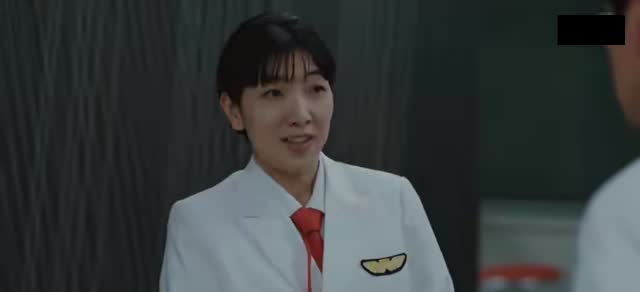
Asami asks the scheduler Horiguchi for a favor, proposing that Nakamura swap onto another Taipei flight. Horiguchi says it's hard to put to Captain Nakamura, and only promises that if Nakamura cancels, Asami will take his place, calling that the limit of his position.
  1. 麻美

    I see. For example,

  2. 麻美

    if Nakamura swapped with the other Taipei flight I'm on,

  3. 麻美

    I think his qualification wouldn't have to lapse.

  4. 堀口

    Well, if it were a young pilot,

  5. 堀口

    that kind of request wouldn't be impossible, but

  6. 堀口

    asking Captain Nakamura that is a bit...

  7. 麻美/堀口

    Is it not possible? / Right. Anyway,

  8. 堀口

    if Captain Nakamura ends up canceled,

  9. 堀口

    I'll make sure you can take his place, Kondo.

  10. 麻美/堀口

    I see. / Yeah, sorry about that.

  11. 堀口

    That's the limit of what I can do in my position.

  12. 麻美

    Not at all, I'm sorry for asking something unreasonable.

Speaking notes

~ようにはしとくんで

"at least I'll do this much": the は draws a line

「入ってもらえるようにはしとくんで」 = "I'll make sure (at least) that you can take his place."
Layer by layer: 入る → 入ってもらう (giving/receiving: have you step in) → 入ってもらえる (potential) → 〜ようにする (to arrange for a state to come about; learned in Episode 9) → 〜しておく (arrange in advance) → contracted しとく → 〜んで (=ので, reason).
⚠ The key is the 「は」: 「ようには しとく」 = I'll go that far at least (implying: not beyond that).
Japanese uses 「は」 to mark off "the scope I take responsibility for," a very common self-protective move at work:
• やってはみます (I'll try, at least)
• 伝えてはおきます (I'll pass the word along)
• 努力はします (I'll make an effort, but no guarantee of results)
When you hear this 「は」, you should understand the other person is already setting limits.

これが私の立場でできる限界です

a dignified refusal: blames the position, not the will

「立場」 = one's position, standing, or situation (in an organization). This is one of the most important words in Japanese workplaces.
Common: 立場がない (to have no standing, lose face), 立場上 (given one's position), 相手の立場に立つ (to put oneself in the other's shoes), 立場を考える (to think about one's position).
Horiguchi's line is a very dignified refusal: he doesn't say "I won't help you" but "this is the limit of what my position allows," attributing the refusal to structure, not to willingness.
⚠ Compare the refusals in this drama:
• Episode 7: Asami invites Mr. Mita for tea → raising the cost of refusal
• Episode 9: inviting two childhood friends → lowering the cost of refusal
• Here → shifting the responsibility for refusing onto one's "position"
Three techniques, one goal: to avoid having to say the word "no" as much as possible.

~なくて済む / 無理言って

"without needing to"; the dropped を in speech

①「資格 切れなくて済む」 = "it can be settled without the qualification lapsing."
〜ないで済む/〜なくて済む = to get by without having to… (the trouble is spared). In Episode 10, scene 1 you learned 「ただじゃ済まない」; this is the same 「済む」 in its positive use.
Similar: お金を払わずに済んだ (I got by without paying), 行かなくて済む (I don't have to go).
②「すいません 無理言って」 = "Sorry for asking something unreasonable."
Inverted (normal order 「無理を言ってすいません」), and the 「を」 in 「無理を言う」 is dropped: object particles fall away a lot in speech, a big hurdle for listening.
It appears often in this episode: 毒盛る (毒を盛る), 航路変更する (航路を変更する), 手 振って (手を振って).

Key vocabulary

若手 わかて
younger generation, junior staff.
立場 たちば
one's position, standing (in an organization).
限界 げんかい
limit, boundary.
資格が切れる しかくがきれる
qualification lapsing, expiring.
無理を言う むりをいう
to ask something unreasonable, to make an unreasonable demand.

↑ Scenes on this page

Aren't you going too far?

This scene

ブラッシュアップライフ Episode 10 Aren't you going too far? still

Asami goes directly to Captain Nakamura to ask him to give up the flight. Nakamura refuses in rough, blunt language and says it is out of line to ask him to step aside for personal reasons. (Rough speech: understand it, but do not imitate it.)
  1. 中村

    Tch. Look, I've got my own schedule too,

  2. 中村/麻美

    it's not that easy. / Please, somehow make it work.

  3. 麻美/中村

    For the sake of coming from the same hometown. / Hey.

  4. 中村/麻美

    Aren't you getting the wrong idea? / Pardon?

  5. 中村

    To begin with, not being able to choose your flight is the rule, isn't it.

  6. 麻美

    But everyone makes requests one way or another, don't they?

  7. 麻美

    In fact, the reason you got on this one, Mr. Nakamura, was also...

  8. 中村

    Tch. Knock it off!

  9. 中村

    Mine is because my airport qualification is expiring; it's a work reason.

  10. 中村

    And you say a childhood friend is flying,

  11. 中村

    and ask me to swap for a private reason like that?

  12. 中村

    Isn't that going a bit too far?

  13. 麻美

    I'm sorry...

Speaking notes

男性の乱暴体

gruff male speech: understand it, don't use it

Nakamura's speech here is a textbook case of rough male register, worth comparing as a set:
• そんな簡単にいくかよ = "It's not that easy!" (〜かよ = rhetorical question + contempt)
• ルールだろ = "It's the rule, isn't it." (a shortened だろう, masculine assertion)
• いいかげんにしろよ = "Knock it off." (imperative + よ)
• 度を越えてんじゃねえのか = ない → ねえ (rough sound change: すごい → すげえ、うまい → うめえ、危ない → あぶねえ)
• チッ = the sound of clicking the tongue (舌打ち), a strong signal of displeasure in Japan, and very rude to do in public
⚠ Learners should be able to understand these forms but not use them actively: used to a superior or a stranger, they amount to provocation.

よしみで

appealing to a shared bond to ask a favor

「同じ地元のよしみで」 = "for the sake of our shared hometown."
よしみ(誼) = friendship, connection, bond. 「〜のよしみで」 = in consideration of the bond of…, used to ask someone to make an exception.
Common: 旧友のよしみで (for old times' sake), 同郷のよしみ (the tie of coming from the same place).
Nakamura's retort exposes exactly the weakness of this move: he calls his own reason a 「仕事上の理由」 (work reason) and Asami's a 「プライベートな理由」 (private reason).
In the Japanese workplace's order of values, "public" always outranks "private," so by invoking personal feeling, Asami confirms she stands on the "private" side. She has no reply and can only apologize.

度を越える / 何だかんだ

"overstepping the bounds"; "this and that" as a vague cover

①度を越える = to go beyond the limit, to go too far. 「度」 = degree, sense of proportion.
Similar: 度が過ぎる (to go too far), 限度を超える (to exceed the limit), やり過ぎ (overdoing it; seen in Episode 7).
②何だかんだ = this and that, one way or another, when all is said and done.
It is a very handy vague adverb in Japanese, used to sum up a lot of things you don't want to spell out:
• 何だかんだ言っても (say what you will, in the end...)
• 何だかんだで忙しい (with one thing and another, I'm busy)
• 何だかんだリクエスト出してる (here: everyone puts in requests of some kind)
⚠ When it is used, the speaker is deliberately leaving things unclear; Asami wanted to hint vaguely that "everyone pulls strings," and Nakamura forced it into the open with a single line.

Key vocabulary

よしみ
friendship, bond, connection.
勘違い かんちがい
to misunderstand, to get the wrong idea.
いいかげんにしろ
Knock it off! (strong rebuke)
度を越える どをこえる
excessive, going beyond the limit.
何だかんだ なんだかんだ
this and that, one way or another.

↑ Scenes on this page

Briefing: we're finally criminals too

This scene

ブラッシュアップライフ Episode 10 Briefing: we're finally criminals too still

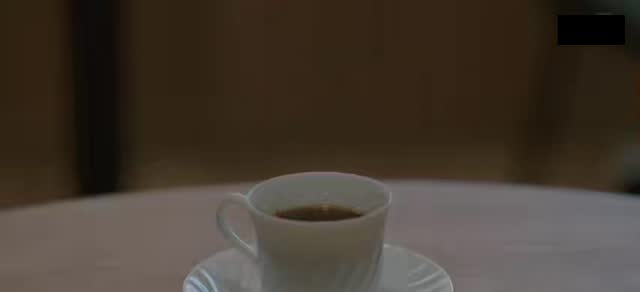
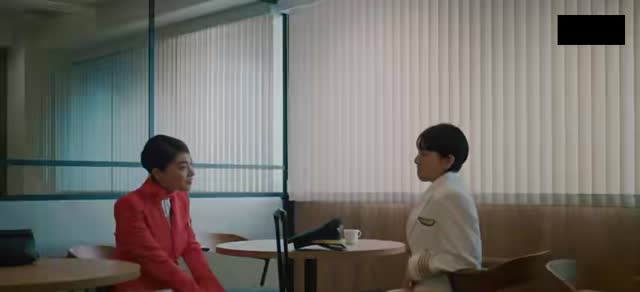
After the plea fails, Asami and Mari go over the plan for slipping the drug into Nakamura's drink: Mari will talk to Nakamura while Asami puts the drug in his coffee.
  1. 麻美

    So I'll go into the crew lounge at 9:50

  2. 麻美/真里

    and wait at this window seat. / Yeah, got it.

  3. 麻美

    And once Nakamura sits down,

  4. 麻美

    I'll give you a one-ring call, and then you come in,

  5. 麻美

    and from the opposite side, could you talk to Nakamura?

  6. 真里

    I'll chat about the weather or something.

  7. 麻美

    And while Nakamura is turned toward you,

  8. 麻美

    I'll put the drug in his coffee.

  9. 真里

    How strong is that drug, anyway?

  10. 麻美

    At the latest, within 30 minutes he'll be hit with diarrhea and vomiting,

  11. 麻美

    and a state almost the same as food poisoning should last at least half a day, I think.

  12. 麻美

    After that, word will come to me, and I'll serve as captain,

  13. 麻美

    and you'll board as first officer just as planned...

  14. 麻美/真里

    ...that's the flow. / OK!

  15. 麻美

    So we're finally criminals too.

Speaking notes

隙に

"while they're not looking": an unguarded moment

「まりりんのほう向いてる隙に」 = "while he's turned toward you."
隙(すき) = an opening, a gap, especially "a moment when attention slackens."
Common: 隙を見て (taking an opportunity), 隙をつく (to strike at a weak moment), 隙がない (no openings; also said of someone impeccably turned out), 油断も隙もない (you can't let your guard down for a second).
⚠ The difference from 「〜間に」:
• 〜間に = during the period when… (a neutral stretch of time)
• 〜隙に = while the other person isn't paying attention (always carries the sense of doing something on the sly)
By using 「隙に」, Asami admits this is a sneak attack. The briefing is delivered as calmly as a flight procedure, but this word gives away its nature.

~っていう流れ

"that's the flow": a spoken way to wrap up a procedure

「…っていう流れ」 = "…that's the flow / that's how it goes."
「流れ」 = flow, course, the way things develop, a word used extremely often in modern Japanese:
• そういう流れで (following that momentum)
• 流れが変わる (the tide turns)
• この流れで言うのは (saying this in this mood… this phrase appears in Episode 10, scene 18)
• 流れに任せる (to go with the flow)
⚠ 「〜っていう + noun」 is the spoken way of compressing a whole stretch of talk into a noun (=という): 「…っていう話」 「…っていう感じ」 「…っていうこと」.
After a long plan, closing with the four syllables 「っていう流れ」 is the most natural way to end a briefing in Japanese.

襲われる / 待機する

"be attacked by" a sudden condition; work jargon

①「下痢と嘔吐に襲われる」 = "be hit by diarrhea and vomiting."
襲われる = to be attacked (passive). Japanese writes sudden physical and mental states as being "attacked": 眠気に襲われる (drowsiness comes over one), 不安に襲われる (to be seized by anxiety), 吐き気に襲われる (to feel a wave of nausea).
That is the "things happen to you and you can only take it" way of seeing things again (recurring in this drama).
②待機する = to stand by, to wait on call. ワンコール鳴らす = to let it ring once and hang up (a pre-agreed silent signal, also called 「ワン切り」).
Both are business terms: even while plotting a poisoning, the two pilots use their working vocabulary.

Key vocabulary

隙 すき
an opening, a moment of inattention.
待機 たいき
to stand by, to wait on call.
効き目 ききめ
effect, potency.
下痢 げり
diarrhea.
嘔吐 おうと
vomiting.
流れ ながれ
flow, course, momentum.

↑ Scenes on this page

I tipped off his wife anonymously

This scene

ブラッシュアップライフ Episode 10 I tipped off his wife anonymously still

Just as Asami is about to act, Kawaguchi, now a flight attendant, appears. She complains about Nakamura: he once scolded her harshly at the city hall counter, and now he's taking his mistress on a trip, so she anonymously tipped off his wife.
  1. 河口

    Yesterday Captain Nakamura told me, "Tomorrow, among the passengers

  2. 河口

    there's an acquaintance of mine named Okochi, so look after him."

  3. 河口

    I thought, "Huh, does that mean give him special treatment?" and looked into it,

  4. 河口/麻美

    and that passenger was Captain Nakamura's mistress! / Whoa!

  5. 河口

    Isn't that outrageous? Taking his mistress on an affair trip.

  6. 麻美

    Oh... what?!

  7. 河口

    I'm usually the type who doesn't care about other people's affairs,

  8. 河口

    but back when I was at city hall, that guy, at the counter,

  9. 河口

    really grilled me,

  10. 河口

    and it felt so awful that I remember it clearly.

  11. 麻美/河口

    I see. / Right?

  12. 河口

    After calling people "tax thieves" so loudly,

  13. 河口

    he mixes public and private by bringing his mistress along, and when I thought about that, I got furious.

  14. 河口/麻美

    So I immediately called his wife anonymously and snitched! / Oh!

  15. 河口

    And then today his flight got canceled, just like that.

  16. 河口

    Funny, isn't it? He's probably getting grilled at home right about now.

  17. 河口

    Serves him right! Like, go to hell, you know?

Speaking notes

詰める

to grill someone, press them for accountability

「超詰められた」 = "I got really grilled / given a hard time."
詰める basically means "to pack tight, to close a gap," but in modern speech (especially in workplaces and sports) 「詰める/詰められる」 = to press someone for answers or blame until they have nowhere to go.
• 上司に詰められる = to be grilled by one's boss until one can't lift one's head
• 詰めが甘い = the finishing touches are sloppy (another common sense)
The word appears twice in this scene and forms a cause-and-effect loop:
① Kawaguchi was once 「詰められた」 by Nakamura (at the city hall counter)
② so today Nakamura is being 「詰められてる」 by his wife at home
The script uses one word to link a harassing incident from years ago with today's comeuppance.

チクる / ザマー / ウケる

three casual words: snitch, serves-you-right, hilarious

①チクる = to snitch, to tell on someone. From the mimetic 「チクチク」 (pricking) + る (noun/mimetic + る makes a verb, like 「ツボる」 in Episode 9). Negative in tone, but used with self-mockery it feels satisfying.
②ザマー = short for 「ざまあみろ」 = serves you right! 「様(ざま)を見ろ」 = look at the state you're in. Very rude; used only to vent in private.
③ウケる = that's hilarious, so funny. Originally "to be well received, to catch," young people use it for "I'm dying of laughter."
⚠ Plus まんまと (neatly, just as planned, usually when someone has fallen for a trick) and 即行(そっこう) = immediately.
This whole passage is the most satisfying rant of the drama, and the speaker has no idea she has just saved two people from going to prison.

~といて / ~ておいて(非難)

"after doing X, they...": -te oite as blame

「税金泥棒とか言っといて、自分は…」 = "After calling people tax thieves, he himself..."
〜ておいて (contracted in speech to 〜といて) here doesn't mean "doing in advance"; it means "having done that, and yet…," with strong reproach.
Similar: 約束しておいて来ない (promised and then doesn't show up), 散々文句言っといて (after complaining at length, and then...).
⚠ Keep the two directions of 「〜ておく」 apart:
• 準備しておく = to do beforehand (the 「築いておく」 you learned in Episode 9)
• 言っておいて〜ない = to do A and then not do B (blame)
「公私混同」 (mixing public and private) is among the heaviest criticisms in Japan for public servants and managers, and it pairs neatly with 「税金泥棒」 (taking taxpayers' money without working), the two halves of this rant.

Key vocabulary

詰める つめる
to grill, to press for accountability.
チクる
to snitch, to tell on someone.
まんまと
just as planned, neatly (often when someone falls for a trick).
公私混同 こうしこんどう
mixing public and private matters.
愛人 あいじん
mistress (extramarital lover).
ウケる
funny, hilarious.

↑ Scenes on this page

You're a savior!

This scene

ブラッシュアップライフ Episode 10 You're a savior! still

Asami confirms with Kawaguchi that the flight in question is Flight 937 and that Nakamura canceled. She then takes a phone call, accepts an arrangement, and happily shouts to Kawaguchi that she is a savior.
  1. 麻美

    Huh? Wait a second...

  2. 麻美

    Is that Flight 937?

  3. 河口

    Uh... yes.

  4. 麻美

    Did Nakamura get canceled?

  5. 河口

    Ah, that's what I heard.

  6. 麻美

    Oh...

  7. 麻美

    Yes, hello?

  8. 麻美

    Thank you for your hard work.

  9. 麻美

    Yes, of course... of course!

  10. 麻美

    Thank you very much, yes, I'll head over.

  11. 麻美

    Yes! Thank you.

  12. 麻美

    Ka...

  13. 麻美

    Tch, tch, tch...!

  14. 河口/麻美

    Ohh, hohoho... / Kawaguchi!

  15. 麻美

    You're a savior!

Speaking notes

お疲れさまです

the all-purpose workplace greeting

「お疲れさまです」 = "Thank you for your hard work / hello / goodbye": one phrase covering every occasion.
It is the most versatile greeting in the Japanese workplace: said when meeting, answering the phone, passing in the hallway, and when leaving at the end of the day.
⚠ An important distinction (getting it wrong is very rude):
• お疲れさまです = usable to anyone (superiors, colleagues, juniors)
• ご苦労さまです = only from a superior to a subordinate (saying it to your boss is rude)
What makes the scene is the moment itself: Asami has just learned she doesn't have to poison anyone, and the instant the phone connects, out comes the most standard workplace greeting. Her body knows social norms better than her head does.

あんた 救世主だよ

"anta": the blunt, familiar "you" slipping out

「あんた」 = a casual or coarse form of 「あなた」 ("you").
⚠ Usage warning: never use it to a superior, a client or someone you don't know well; it can sound either affectionate or contemptuous, depending on tone. It comes out between spouses, in arguments, and when emotions run too high to watch one's wording.
Asami normally addresses Kawaguchi as 「河口さん」 in plain-polite style; at this moment she shouts 「あんた 救世主だよ~!」: the honorific is gone and the sentence is unraveling, because she has completely let go.
The word 「救世主」 is also a payoff of an earlier setup: in Episode 6 the production team said of the script, 「救世主になるぐらいにしたいですね」 (we want to make it so she's practically a savior); later in this episode Asami's inner voice says 「親友と大勢の命を救った」. The word took four episodes to land.

チッ の二つの顔

the same "tch" sound: annoyance vs. delight

Asami's 「チッ チッ チッ…!」 here is the same tongue-click as Nakamura's 「チッ」 in Episode 10, scene 5, but means the opposite.
• Nakamura's チッ = 舌打ち (tongue-clicking), displeasure and irritation (a very rude gesture in Japan)
• Asami's チッ = timed with finger snaps and nods, expressing excited "that's it, brilliant!"
The meaning of sound-effect words is decided by context and body language together, which is the hardest layer of listening: the same three syllables are provocation in one place and ecstasy in another.
(The preceding 「カッ…」 is similar: a meaningless burst of sound expressing the instant emotion surges up.)

Key vocabulary

救世主 きゅうせいしゅ
savior, messiah.
あんた
a casual form of 「あなた」 (affectionate or contemptuous).
お疲れさまです おつかれさまです
thank you for your hard work (all-purpose workplace greeting).
向かう むかう
to head for, to go toward.

↑ Scenes on this page

Actually, I'm a time leaper

This scene

ブラッシュアップライフ Episode 10 Actually, I'm a time leaper still

As Asami and Mari are about to board, a stranger named Takashiro stops them. He says he is a time leaper on his second life and asks them to change the route of Flight 937.
  1. 高城

    We don't have much time, so I'll keep it short.

  2. 高城

    Actually, I

  3. 高城

    am a time leaper.

  4. 真里/麻美

    What? / What?

  5. 高城

    In other words, this is my second life.

  6. 高城

    I'll get straight to the point.

  7. 高城

    The flight to Taipei departing at 12:20,

  8. 高城

    could you change the route of Flight 937?

  9. 真里/麻美

    Change the route? / Um...

  10. 高城

    I know very well that I'm asking the impossible.

  11. 高城

    But if you don't change it, I'll really be in trouble.

Speaking notes

重々承知しています

"I know full well this is a lot to ask": the strongest opener for a favor

「無理を言ってるのは重々承知しています」 = "I am fully aware that I'm asking the impossible."
• 重々(じゅうじゅう) = fully, repeatedly (a reduplicated adverb; similar: 各々 (おのおの) each, 日々 day by day, 徐々に gradually)
• 承知する = to know, to be aware of (the humble form of 「知る」)
This line is the most powerful move in Japanese when making a request: say the other person's reason for refusing yourself first: "I know it's outrageous," and they can no longer refuse by saying "that's outrageous."
Similar set phrases: ご無理を承知でお願いします, 恐れ入りますが, 勝手を申しまして恐縮ですが.
⚠ 「承知」 has another very common use: 承知しました = I understand (more appropriate than 「分かりました」 in business settings).

単刀直入 / 手短に

"straight to the point" stacked on "keep it short"

①単刀直入(たんとうちょくにゅう) = going straight to the point. A four-character compound (四字熟語), which sits in a formal, written register in Japanese.
②手短に(てみじかに) = briefly. 「手短に言うと」 (in short), 「手短に済ませる」 (to keep it brief).
⚠ The dark humor here is in the structure: Takashiro says "we're short on time, so I'll be brief," then says "actually, I'm a time leaper," and then says "I'll get straight to the point." He uses two openers promising brevity before finally reaching the subject.
Japanese conversation depends heavily on 「前置き」 (preamble), and this character stacks three layers of it, which is why the two women tease him about it two scenes later.

変更してもらえないですか

"could you do this for me?" in a negative question

「変更してもらえないですか?」 = "Could you possibly change it for me?"
Breakdown: 変更する → 変更してもらう (giving/receiving: ask the other person to do it for me) → もらえる (potential) → もらえない (negative) → ですか.
⚠ Why use a negative question for a request: the affirmative (もらえますか) asks "are you able to?"; the negative (もらえないですか) presupposes "probably not," which puts the speaker in a lower position.
The politeness ladder for requests (learn it as a set):
• 変更して (change it; the most casual)
• 変更してくれる?
• 変更してもらえる?
• 変更してもらえないですか (here)
• 変更していただけませんか
• 変更していただけないでしょうか (the most formal)
This full set has recurred in the drama since Episode 7, and this is its most complete appearance.

Key vocabulary

タイムリーパー
time leaper (a Japanese-coined English term).
単刀直入 たんとうちょくにゅう
going straight to the point.
手短に てみじかに
briefly, in short.
重々 じゅうじゅう
fully, repeatedly.
承知 しょうち
to know, to agree. 「承知しました」 = I understand.

↑ Scenes on this page

We were planning to change it anyway

This scene

ブラッシュアップライフ Episode 10 We were planning to change it anyway still

Takashiro asks them to change the route, and Asami and Mari say they were planning to all along: Mari is on her sixth life and Asami on her fifth, and they took this job precisely to stop that accident.
  1. 麻美/高城

    Excuse me, excuse me. / Yes, what is it?

  2. 真里/高城

    That's what we intend. / What?

  3. 真里/麻美

    We were planning to do that all along, right? / Yeah.

  4. 真里

    Even without you telling us, we're planning to change the route.

  5. 高城

    Why?

  6. 真里

    Because it's my sixth life.

  7. 高城/麻美

    Huh? / It's my fifth.

  8. 高城

    Is that so?

  9. 麻美

    We, in order to prevent that accident,

  10. 麻美/高城

    took this job. / Yes.

  11. 高城

    Huh? Then you'll change the route for me?

  12. 麻美

    So, that's what we intend.

  13. 高城

    Really, thank you so much.

Speaking notes

そのつもりです

"that's our intention": a sudden reversal

「そのつもりです」 = "That's what we intend / We were planning to all along."
つもり = intention, plan (learned in Episode 7: it can also mean "thinking one has done").
These words make the most satisfying reversal in the drama: Takashiro has prepared a full speech and even considered force, and they simply say "we were going to do that anyway."
⚠ 「元々」 = originally, from the start, stressing "not because you asked." The next line 「言われなくても」 (even without being told) makes that explicit.
Note the 「だから」 in Asami's last line 「だから そのつもりです」: it isn't "therefore" here but an impatient "I've been saying…" (when repeating an explanation, 「だから」 = "didn't I just say?").
Similar: だから違うって (I told you it's not), だからさっきから言ってるじゃん (that's what I've been saying all along).

~に就く

to take up a job or position

「この仕事に就いたんで」 = "because we took this job."
就く(つく) = to take up (an occupation or position), with the particle 「に」.
Common: 仕事に就く (to take a job), 職に就く, 王位に就く (to ascend the throne), 床に就く (to go to bed).
⚠ Keep the homophones apart (all read つく):
• 就く = to take up, to enter (a post)
• 付く = to attach, to follow
• 着く = to arrive
• 突く = to poke, to thrust
The stiff word 「阻止する」 (to prevent) paired with 「この仕事に就いた」 conveys the whole weight in one line: they aren't on this flight by chance; they became pilots for the sake of this flight.

周目で答える

"which life are you on?" as self-introduction

「私 6周目なんで」 「私 5周目です」: in this drama, "which round are you on?" is the most basic self-introduction.
「なんで」 = the spoken form of 「なので」 (giving a reason, stopping at the end of the sentence). Do not confuse it with the question word 「何で(なんで)」 = "why": same sound, different meaning, told apart by intonation and position:
• 何で? (rising) = why? (Takashiro's previous line)
• 〜なんで (falling) = because… (Mari's line)
These two lines sit side by side, which makes an excellent listening comparison.
⚠ Looking back over the drama: at the end of Episode 7 Mari asks 「あーちん 何周目?」, and at the start of Episode 8 Asami answers 「4周目…」. Here, three strangers swap round counts at the boarding gate like exchanging business cards: the rules of this world have finally become routine.

Key vocabulary

つもり
intention, plan.
元々 もともと
originally, from the start.
阻止 そし
to prevent, to stop.
就く つく
to take up (an occupation or post).
予定 よてい
plan, schedule.

↑ Scenes on this page

Back to ブラッシュアップライフ