〜んじゃないかな
a soft, indirect way to voice a real complaint
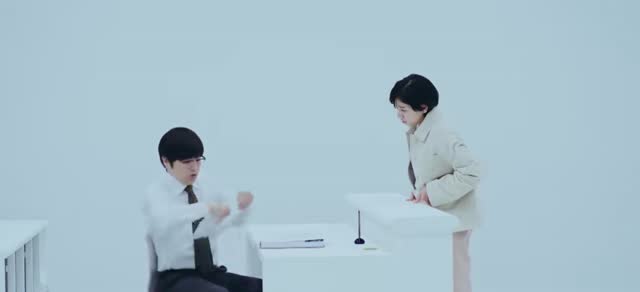
「本人いないところで話すんじゃないかな」 = "You're supposed to talk about this when the person isn't around, aren't you?"
⚠ It is phrased as a musing question, but it is really a protest.
Dad heard everything and is clearly annoyed, yet he doesn't use a blunt line like 「話すべきだろ」. He wraps it in 「〜んじゃないかな」.
In Japanese, the more upset someone is, the softer the sentence pattern often gets, because softening leaves both sides a way out.
The sting of this line comes precisely from its politeness.
The same point at different levels of directness:
• 話すべきだろ ("You should talk about it behind someone's back, right?" = direct accusation)
• 話すもんじゃない? ("Isn't that how it's done?")
• 話すんじゃないかな ("I'd have thought you'd... maybe...?")