LearnWithSubs

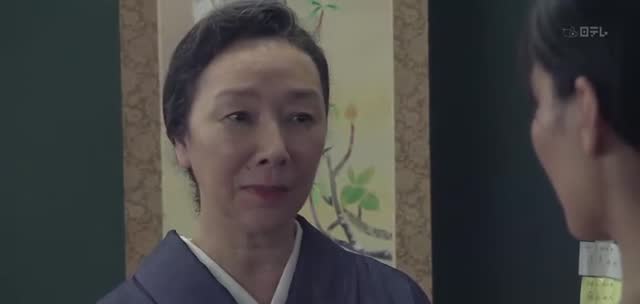
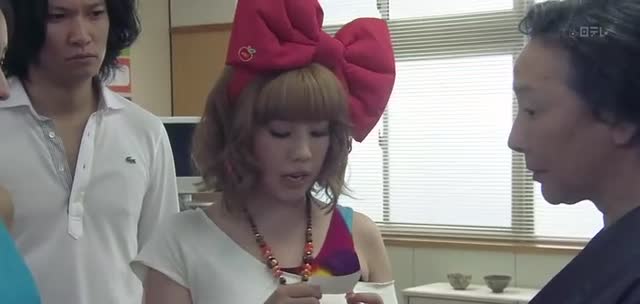
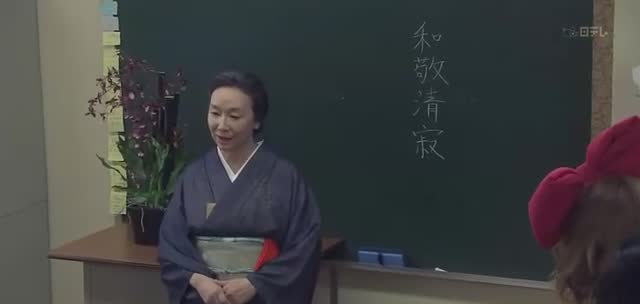
日本人の知らない日本語 Episode 8 (page 2/2)

Scenes on this page

  1. "I've been persuading my grandmother"

    Scene 24 · 0:34

    Expressions: 説得してきた, こうなったらやるしかない

  2. Tea bowl, tea caddy, tea scoop, tea whisk

    Scene 25 · 0:33

    Expressions: 茶道具, 気に障る

  3. "Don't get in the way"

    Scene 26 · 0:29

    Expressions: クビがかかってる, 覚えたところで

  4. "I don't like that about Catherine"

    Scene 27 · 0:24

    Expressions: 嫌いだな, 諦める

  5. "First, straighten your back"

    Scene 28 · 0:24

    Expressions: 正座, 精神を統一する

  6. "That's a tsubofuri!"

    Scene 29 · 0:23

    Expressions: 壺ふり, お茶会!お茶会ね

  7. "Quit your job and go to an omiai?"

    Scene 30 · 0:42

    Expressions: 嗜む, 到底〜ない

  8. "Do you know the heart of tea?"

    Scene 31 · 0:34

    Expressions: 付け焼き刃, サドおやじ

  9. "I humbly receive this tea"

    Scene 32 · 2:14

    Expressions: お点前頂戴いたします, 頂戴する

  10. Did he really pass?

    Scene 33 · 0:20

    Expressions: 〜でいいんですか, カトリーヌに聞く

  11. What does "that's how it is" mean?

    Scene 34 · 0:30

    Expressions: そういうこと, すっきりしない

  12. "What kind of deal did you make?"

    Scene 35 · 0:37

    Expressions: 小細工, 〜かわりに

  13. Said something harsh, so she gave up?

    Scene 36 · 0:20

    Expressions: どっかの誰かさん, ヤケクソ/茶番

  14. "You said so yourself!"

    Scene 37 · 0:44

    Expressions: 何様のつもり, 断り続けてる

  15. "If he can't do it, he fails"

    Scene 38 · 0:24

    Expressions: 正当なジャッジ, 〜はずがない

  16. Ichigo ichie

    Scene 39 · 0:33

    Expressions: 一期一会, お世話になりました

  17. "Being a Japanese teacher is the path I chose"

    Scene 40 · 0:33

    Expressions: わがまま, 生き方

  18. "This is my ideal workplace!"

    Scene 41 · 0:24

    Expressions: 年齢も国籍も違う, 理想の職場

  19. "The one I'll cut ties with is you"

    Scene 42 · 0:16

    Expressions: 縁を切る, 許さない

  20. Sen no Rikyu's verse

    Scene 43 · 0:54

    Expressions: 利休道歌, 彼女にとって

  21. "I'll support you too"

    Scene 44 · 0:11

    Expressions: せんえつながら, バックアップ

  22. Wa-kei-sei-jaku

    Scene 45 · 0:51

    Expressions: 和敬清寂, 誤解していたようです

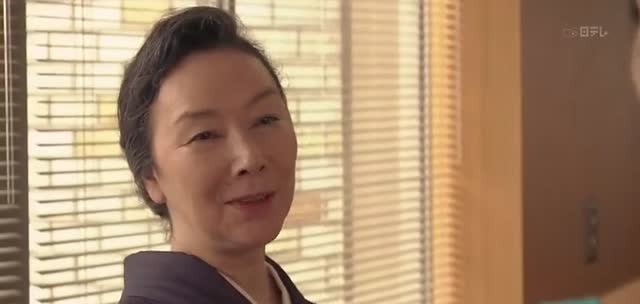
  23. "Please forgive my rudeness"

    Scene 46 · 1:06

    Expressions: お目もじ叶う, 鍛えてあげますよ

  24. "Bring that curly-haired teacher"

    Scene 47 · 0:40

    Expressions: 連れてらっしゃい, 人を見る目

  25. "Relax a little"

    Scene 48 · 0:15

    Expressions: ご期待に添える, くだけて

  26. The invitation to the Katori house

    Scene 49 · 0:17

    Expressions: 気に入ってもらえる, ゴールイン

  27. Something funny for the welcome party

    Scene 50 · 0:25

    Expressions: ウケる, 〜ちゃダメ

Speed
All scenes

"I've been persuading my grandmother"

This scene

日本人の知らない日本語 Episode 8 "I've been persuading my grandmother" still

Katori goes on to say that she likes being a Japanese teacher, and so she has been persuading her grandmother that it is a wonderful job.
  1. 鹿取

    But I like the work of a Japanese teacher,

  2. 鹿取

    so I've been persuading her that it's a wonderful job.

  3. 鹿取

    If Haruko-sensei and Jack aren't accepted,

  4. 鹿取

    my position will also...

  5. ハルコ

    Fine, I get it! If it's come to this, we have no choice but to do it!!

  6. ハルコ

    Tea, coffee, whatever, I'll drink it all for you!

  7. 鷹栖

    A tea ceremony at school!? As expected,

  8. 鷹栖

    that golden monkey ended up digging his own grave.

Speaking notes

説得してきた

「説得してきた」 = I have been persuading

「説得してきたんです」 = "I have been persuading (her)." 「〜てくる」 indicates continuation from the past up to now.
With the past continuous 「説得してきた」, Katori shows this has been a long struggle: she has been defending the profession of "Japanese teacher" for a long time.

こうなったらやるしかない

「こうなったらやるしかない」 = if it's come to this, we have to do it

「こうなったら、やるしかないでしょ!」 = "Now that it's come to this, we have no choice but to do it!"
「飲んでやる」 is 「〜てやる」 ("I'll do it, just to show you"): a defiant acceptance of the tea ceremony.

Key vocabulary

説得 せっとく
To persuade.
認める みとめる
To recognize, to accept.
立場 たちば
Position, standing.
やるしかない
Have no choice but to do it.
お茶 おちゃ
Tea.

↑ Scenes on this page

Tea bowl, tea caddy, tea scoop, tea whisk

This scene

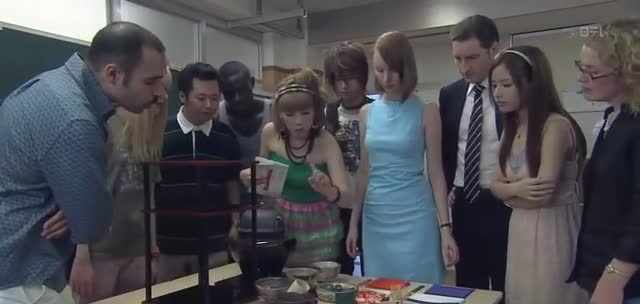
日本人の知らない日本語 Episode 8 Tea bowl, tea caddy, tea scoop, tea whisk still

At the school, Haruko and the students earnestly study the tea utensils borrowed from Katori. Katori says it was her grandmother who proposed the tea gathering.
  1. 鹿取

    No, it was my grandmother who suggested holding a tea gathering.

  2. 鷹栖

    I bet he did something to rub her the wrong way. Just leave it.

  3. ダイアナ

    Tea utensils?

  4. ハルコ

    Tea things. We borrowed them from Catherine, right?

  5. ハルコ

    This is the tea bowl. And the natsume, which holds the powdered tea.

  6. ハルコ

    The tea scoop and the tea whisk, I think...

  7. ジャック

    What is this paper used for?

  8. ハルコ

    That's kaishi.

  9. ハルコ

    It seems to be used for wiping the tea bowl and for taking sweets.

  10. ルカ

    Sweets? I'll join the tea gathering too!

Speaking notes

茶道具

Tea utensils: 茶碗, 棗, 茶杓, 茶筅, 懐紙

Basic tea ceremony utensils:
• 茶碗(ちゃわん): the tea bowl
• 棗(なつめ): a container for powdered tea (named for its resemblance to a jujube fruit)
• 茶杓(ちゃしゃく): the small scoop for powdered tea
• 茶筅(ちゃせん): the bamboo whisk for mixing the tea
• 懐紙(かいし): Japanese paper used for wiping and for holding sweets

気に障る

「気に障る」 = to rub someone the wrong way

「気に障る(きにさわる)」 = for words or actions to offend or annoy someone.
• 「彼の言葉が気に障った」 = "His words rubbed me the wrong way."
Takasu uses 「気に障るような事」 to infer that Jack "must have offended the chairwoman."
Haruko's 「〜みたい」 means "it seems that...", a hedged expression.

Key vocabulary

茶碗 ちゃわん
Tea bowl.
茶筅 ちゃせん
Tea whisk (bamboo whisk for matcha).
懐紙 かいし
Kaishi (paper for tea ceremony).
抹茶 まっちゃ
Matcha (powdered green tea).
道具 どうぐ
Tool, utensil.

↑ Scenes on this page

"Don't get in the way"

This scene

日本人の知らない日本語 Episode 8 "Don't get in the way" still

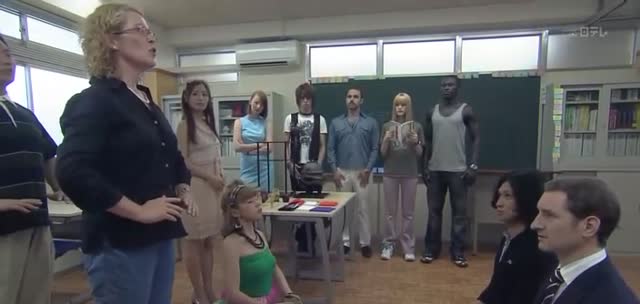
The classroom is noisy. Haruko tells everyone not to get in the way, saying Jack's job is at stake.
  1. ハルコ

    Aaah! Okay, okay. Quiet, quiet, quiet, quiet!

  2. ハルコ

    Don't get in the way! Jack's job is on the line here, you know!

  3. エレーン

    Then I'll help.

  4. エレーン

    First... how do you read this, gozaru?

  5. ハルコ

    Heh heh... if you don't know, you don't have to help.

  6. 鹿取

    Why don't you help her?

  7. ハルコ

    It's impossible. Even if I memorize it now.

Speaking notes

クビがかかってる

「クビがかかってる」 = one's job is on the line

「クビがかかっている」 = (one's position or job) hangs in the balance.
• 「命がかかっている」 = "Life is at stake."
Haruko says 「クビがかかってんだからね!」 to make clear that "this is no joke": Jack's job (クビ) depends on this tea gathering.
Note 「〜んだからね」 (stressing the reason + a warning): a "warning" from teacher to students.

覚えたところで

「覚えたところで」 = even if I memorize it

「今から覚えたところで」 = "Even if I memorize it starting now (it will be too late)." 「〜たところで」 means "even if you do it, it won't help."
• 「今さら謝ったところで、遅い」 = "Even if you apologize now, it's too late."

Key vocabulary

邪魔 じゃま
Hindrance; to get in the way.
手伝う てつだう
To help.
覚える おぼえる
To memorize.
〜たところで
Even if... (it won't help).
無理 むり
Impossible.

↑ Scenes on this page

"I don't like that about Catherine"

This scene

日本人の知らない日本語 Episode 8 "I don't like that about Catherine" still

Elaine suddenly says there is something about Katori-sensei that she doesn't like, and the whole class is shocked.
  1. エレーン

    I don't like that about Catherine-sensei.

  2. 生徒たち

    She told Catherine she doesn't like her!?

  3. 鹿取

    Why would you say such a thing?

  4. エレーン

    Because you've given up and won't try to do anything. Elaine, what's next?

  5. ハルコ

    Turn the tea bowl twice clockwise,

  6. ハルコ

    and drink it in about three sips.

Speaking notes

嫌いだな

「嫌いだな」 = I don't like it

「嫌いだな、先生のそういうところ」 = "I don't like that about you, Sensei." 「〜だな」 is an exclamatory judgment. It isn't hatred but "disappointment and impatience": "You could do something."
The class's reaction, 「嫌いって言った!?」, shows how shocking the word is.

諦める

「諦める」 = to give up

「諦めて何もしようとしないからだよ」 = "Because you've given up and won't try to do anything."
In one sentence, Elaine hits the "passivity" of Katori when she is being pushed to marry and quit her job.

Key vocabulary

嫌い きらい
To dislike.
諦める あきらめる
To give up.
時計方向 とけいほうこう
Clockwise.
回す まわす
To turn.
口 くち
Mouthful; sip.

↑ Scenes on this page

"First, straighten your back"

This scene

日本人の知らない日本語 Episode 8 "First, straighten your back" still

Marie claims to know the tea ceremony and tells everyone to straighten their backs first. Haruko asks if she has ever done it.
  1. マリー

    Everyone, first please straighten your backs.

  2. ハルコ

    Huh, Marie, have you done this before?

  3. マリー

    You sit in seiza and unify your spirit.

  4. ハルコ

    Yeah, and then?

  5. マリー

    You hold the tea bowl in one hand and spread out both hands.

  6. ハルコ

    Like this?

Speaking notes

正座

「正座」 = sitting formally on one's heels

「正座(せいざ)」 = sitting on one's heels with knees together. It is the standard sitting posture for traditional settings such as tea ceremony, calligraphy and kendo.
• 「正座を崩す」 = to change to a more comfortable posture

精神を統一する

「精神を統一する」 = to concentrate one's mind

「精神統一」 = concentrating the mind and clearing away distractions. It is a concept shared by martial arts, tea ceremony and Zen meditation.

Key vocabulary

背筋 せすじ
Back, spine.
正座 せいざ
Formal kneeling posture.
精神 せいしん
Spirit, mind.
統一 とういつ
To unify; to concentrate.
広げる ひろげる
To spread open.

↑ Scenes on this page

"That's a tsubofuri!"

This scene

日本人の知らない日本語 Episode 8 "That's a tsubofuri!" still

Marie leads everyone through her "tea ceremony," saying "Is that all right?" The more Haruko watches, the more suspicious she gets.
  1. マリー

    And then you say, "Yo gozanshi ne?"

  2. 生徒たち

    Yo gozanshi ne?

  3. ハルコ/マリー

    Wait... is this by any chance...? / It's tsubofuri.

  4. ハルコ

    This isn't a gambling den, you know.

  5. ハルコ

    It's a tea gathering! A tea gathering, okay. Haa...

  6. ハルコ

    Come on, everyone, let's be serious about this~.

Speaking notes

壺ふり

「壺ふり」 = the dice cup roller in gambling

「壺振り(つぼふり)」 = the person who shakes the dice cup in a gambling den, and 「ようござんすね?」 is the call: "Are you ready?"
Marie treats the "tea bowl" as a "dice cup" and the "tea gathering" as a "gambling game".
Haruko's 「ここ賭博場じゃないんだから」 points out the mismatch between setting and speech style: in Japanese, the same action means something completely different in a different setting.

お茶会!お茶会ね

「お茶会!お茶会ね」 = repeated correction

Haruko's repeated 「お茶会!お茶会ね」 is "reminding herself and the students: what we're holding is a tea gathering."

Key vocabulary

壺ふり つぼふり
(Gambling) dice cup roller.
賭博場 とばくじょう
Gambling den.
真面目 まじめ
Serious.
ようござんす
(Old Edo-style) Is that all right?
茶会 ちゃかい
Tea gathering.

↑ Scenes on this page

"Quit your job and go to an omiai?"

This scene

日本人の知らない日本語 Episode 8 "Quit your job and go to an omiai?" still

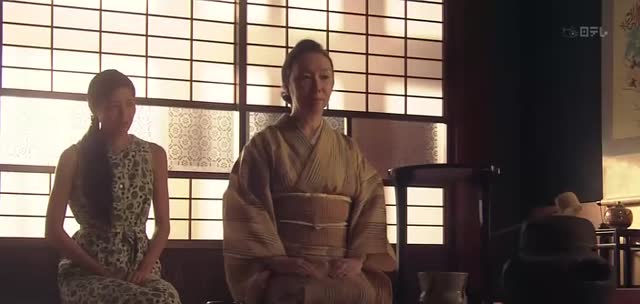
At Katori's family home, her grandmother Shizuko talks with Katori, who brings up Jack and Haruko.
  1. 鹿取

    Grandmother...

  2. 鹿取

    About Jack and Haruko-sensei...

  3. 静子

    Do you think amateurs who have never even dabbled in tea

  4. 静子

    can make me accept them?

  5. 鹿取

    In that case, why...?

  6. 静子

    If you say you will quit teaching

  7. 静子

    and go to an omiai, then I will consider it.

  8. 静子

    I simply cannot believe that school is the ideal workplace you describe.

Speaking notes

嗜む

「嗜む」 = to have some accomplishment in

「嗜(たしな)む」 = to have some cultivated familiarity with something (alcohol, tea, the arts) as part of one's refinement.
• 「お酒を嗜む」 = "to enjoy a drink now and then"

到底〜ない

「到底〜ない」 = cannot possibly

「到底思えません」 = "I simply cannot think so." 「到底(とうてい)」 must be followed by a negative:
• 「到底無理だ」 = "It's absolutely impossible."

Key vocabulary

嗜む たしなむ
To dabble in; a hobby.
素人 しろうと
Amateur.
認める みとめる
To acknowledge, to accept.
理想 りそう
Ideal.
到底 とうてい
Absolutely (with negative).

↑ Scenes on this page

"Do you know the heart of tea?"

This scene

日本人の知らない日本語 Episode 8 "Do you know the heart of tea?" still

Takasu runs into Haruko leading students in tea ceremony practice at school and says they aren't even holding classes. Haruko says tea etiquette is a proper class too.
  1. 鷹栖

    You're not even teaching class, so you must have time on your hands, huh?

  2. ハルコ/鷹栖

    Tea etiquette is a proper class too! / Well, it won't be on the graduation exam.

  3. 鷹栖

    To begin with, people who don't even know the heart of tea

  4. 鷹栖

    can't learn anything useful by cramming at the last minute.

  5. 鷹栖

    Good work today!

  6. ハルコ

    What heart of tea?

  7. ハルコ

    That... sadist old man! Hmph!

Speaking notes

付け焼き刃

「付け焼き刃」 = a last-minute, superficial show of skill

「付け焼き刃(つけやきば)」 = (a blade that was not sharp, with a temporary edge added) a figure of speech for cramming at the last minute or superficial skill.
• 「付け焼き刃の知識」 = "knowledge picked up by cramming"
With this word, Takasu says that you can learn the form, but not the "heart."

サドおやじ

「サドおやじ」 = sadist old man

「サド」 = sadistic tendencies; here Haruko is hurling an insult at Takasu: an old man who likes to bully people. In language: 「サド」, 「ドS」 and 「いじわる」 are different ways of saying "likes to bully."

Key vocabulary

付け焼き刃 つけやきば
Last-minute cramming.
作法 さほう
Etiquette, manners.
余裕 よゆう
Leisure; having time to spare.
無駄 むだ
Useless, in vain.
茶道 さどう
Tea ceremony.

↑ Scenes on this page

"I humbly receive this tea"

This scene

日本人の知らない日本語 Episode 8 "I humbly receive this tea" still

The tea gathering begins. Jack speaks the set phrases of the tea ceremony, 「お先に」 and 「お点前頂戴いたします」, while Haruko shushes a student who spoke up.
  1. ハルコ/生徒

    Excuse me... / Shh!!

  2. ジャック

    Excuse me for going first.

  3. ジャック

    I humbly receive your tea.

  4. ジャック

    I humbly receive your tea.

  5. 鹿取/ジャック

    Whoa! / Ow... that hurts!

  6. 鹿取/ハルコ

    Ah! / What are you doing? Hey...

  7. 静子

    That was splendid... You pass.

Speaking notes

お点前頂戴いたします

「お点前頂戴いたします」 = I humbly receive your tea

「お点前(おてまえ)頂戴(ちょうだい)いたします」 = (tea ceremony etiquette) "I humbly receive the tea you have prepared." This is a set phrase a guest says to the host before drinking:
• 「お先に」 (to the guest next to you) = "Excuse me for going first."
• 「お点前頂戴いたします」 (to the host)
• After drinking: 「結構なお点前でした」
「いたす」 is the humble form of 「する」.

頂戴する

「頂戴する」 = to receive (humble)

[Keigo] 「頂戴する」 = the humble form of 「もらう/食べる/飲む」.
• 「お菓子を頂戴する」 = "to receive some sweets"
• 「ご連絡を頂戴する」 = "to receive your contact"
Japanese has many humble verbs: 頂く(いただく), 頂戴する, 拝見する, 伺う, 申す...

Key vocabulary

お点前 おてまえ
(Tea ceremony) the host's way of making tea.
頂戴 ちょうだい
To receive (humble).
見事 みごと
Splendid.
合格 ごうかく
Pass.
お先に おさきに
"Excuse me for going first."

↑ Scenes on this page

Did he really pass?

This scene

日本人の知らない日本語 Episode 8 Did he really pass? still

Jack is told he passes, and the students cheer. Haruko senses something is off and asks everyone to hold on.
  1. 生徒たち

    We did it! As expected of...

  2. ハルコ

    Wait a minute... Wait a second.

  3. 鹿取/静子

    Huh? Is it really okay to pass him?

  4. 静子

    That's fine with you, isn't it?

  5. 静子

    Why are you asking Catherine?

  6. 鹿取

    That's fine, isn't it... Miyuki?

Speaking notes

〜でいいんですか

「〜でいいんですか」 = is it okay if...?

「合格でいいんですか?」 = "Is it really all right to count this as a pass?" 「〜でいい」 means "this is fine / this is good enough":
• 「これでいいです」 = "This is fine."

カトリーヌに聞く

「カトリーヌに聞く」 = asking Catherine

「何でカトリーヌに聞くんですか?」 = "Why are you asking Catherine (Katori)?" Haruko still calls Katori 「カトリーヌ」 even in front of the chairwoman.
「みゆき?」 is Shizuko using her granddaughter's real name.

Key vocabulary

やった
We did it!
さすが
As expected of.
確認 かくにん
Confirmation.
合格 ごうかく
Pass.
いい
Fine, all right.

↑ Scenes on this page

What does "that's how it is" mean?

This scene

日本人の知らない日本語 Episode 8 What does "that's how it is" mean? still

Haruko doesn't see how she can have passed after making so many mistakes. Shizuko asks what is the matter.
  1. 静子

    What's the matter?

  2. ハルコ

    But... I made quite a few mistakes—

  3. ジャック

    I even fell over earlier... So why did we pass!?

  4. 静子

    Yes. I think passing is fine.

  5. 鹿取

    That's how it is.

  6. ハルコ

    Wait... what do you mean, "that's how it is"!?

  7. ハルコ

    I'm not satisfied, though...?

Speaking notes

そういうこと

「そういうこと」 = that's the way it is

「そういうことです」 = "That's how it is."
With this phrase, Katori glosses over the matter, and Haruko retorts 「どういうことよ!?」 = "What do you mean!?"

すっきりしない

「すっきりしない」 = not feeling settled

「すっきりしない」 = feeling unsettled, with something nagging at you.
• 「すっきりしない天気」 = "gloomy weather"
Haruko expresses her sense that something is wrong in the most casual way: the result is a "pass," but the "process" doesn't add up.

Key vocabulary

転ぶ ころぶ
To fall over.
結構 けっこう
Quite, considerably.
すっきり
Refreshed; satisfied.
そういうこと
That's how it is.
間違う まちがう
To make a mistake.

↑ Scenes on this page

"What kind of deal did you make?"

This scene

日本人の知らない日本語 Episode 8 "What kind of deal did you make?" still

Haruko presses Katori about whether she pulled some trick and what is really going on.
  1. ハルコ

    Hey... you did something sneaky, didn't you?

  2. ハルコ

    What is it?

  3. ハルコ

    What did you do?

  4. ハルコ/静子

    Catherine! / In exchange for forgiving you,

  5. 静子

    I set the condition that she quit this job and go to an omiai.

  6. ハルコ

    Do you mean she has just accepted that condition?

  7. ジャック

    Is it for my sake?

Speaking notes

小細工

「小細工」 = a petty trick

「小細工(こざいく)」 = clever little tricks, tampering.
• 「小細工を弄する」 = "to resort to petty tricks"
Haruko says 「小細工してるでしょう?」 = "You pulled some strings, didn't you?"

〜かわりに

「〜かわりに」 = in exchange for

「許すかわりに」 = "in exchange for forgiving (you)."
• 「ご馳走するかわりに、手伝って」 = "I'll treat you, so in exchange, help me."
Haruko confirms with 「条件を飲む」 (to accept a condition).

Key vocabulary

小細工 こざいく
Petty trick.
条件 じょうけん
Condition.
飲む のむ
To accept (a condition).
かわりに
In exchange for.
お見合い おみあい
Omiai (arranged meeting).

↑ Scenes on this page

Said something harsh, so she gave up?

This scene

日本人の知らない日本語 Episode 8 Said something harsh, so she gave up? still

Haruko thinks there must be more to Katori's decision than that: someone must have said something harsh to her.
  1. ハルコ

    That's not the only reason, is it?

  2. ハルコ

    Some certain someone said something harsh to you,

  3. ハルコ

    and so you went and lost all hope, didn't you?

  4. 静子

    Let's go home.

  5. ハルコ

    What kind of tea gathering is this!! This is nothing but a farce!

Speaking notes

どっかの誰かさん

「どっかの誰かさん」 = some certain someone

「どっかの誰かさん」 = "some someone or other" (deliberately not naming the person). It is used to hint at a particular person without saying the name.
Haruko uses this "naming without naming" to voice an indirect reproach.

ヤケクソ/茶番

「ヤケクソ」 / 「茶番」

「ヤケクソ」 = reckless despair, a "who cares" feeling. 「茶番(ちゃばん)」 = a farce, a clumsy staged act.
• 「ヤケクソになる」 = "to give up in a fit of despair"
• 「茶番劇」 = "a ridiculous farce"

Key vocabulary

きつい
Harsh, severe.
ヤケクソ
Reckless despair; "what the heck."
茶番 ちゃばん
Farce.
帰る かえる
To go home.
だけ
Merely, only.

↑ Scenes on this page

"You said so yourself!"

This scene

日本人の知らない日本語 Episode 8 "You said so yourself!" still

Katori tells Haruko that this is fine, because Jack has been forgiven.
  1. 鹿取

    Isn't this fine?

  2. 鹿取

    Jack has been forgiven, after all.

  3. ハルコ

    Don't insult my student!

  4. ハルコ

    Don't insult my student!

  5. ハルコ

    Who do you think you are?

  6. ハルコ

    You said it yourself!

  7. ハルコ

    That you want to keep being a Japanese teacher... that it's a wonderful job!

  8. ハルコ

    That's why you've kept turning down omiai!

  9. ハルコ

    Was all of that a lie?

Speaking notes

何様のつもり

「何様のつもり」 = who do you think you are?

「何様のつもり?」 = "Who do you think you are, some big shot?" (rebuking arrogance)
• 「何様のつもりだ」 = "Who do you think you are?!"
Haruko says this to Katori.

断り続けてる

「断り続けてる」 = keep refusing

「断り続けてる」 = "keep turning (them) down." 「V stem + 続ける」 indicates continuation:
• 「待ち続ける」 = "to keep waiting"
Haruko repeats what Katori had said.

Key vocabulary

侮辱 ぶじょく
To insult.
何様 なにさま
Who do you think you are.
断る ことわる
To refuse.
続ける つづける
To continue.
ウソ
A lie.

↑ Scenes on this page

"If he can't do it, he fails"

This scene

日本人の知らない日本語 Episode 8 "If he can't do it, he fails" still

Shizuko asks if they want to fail, then gets up to leave before Haruko has finished speaking.
  1. 静子/ハルコ

    We're leaving. / I'm not finished talking.

  2. 静子

    Then do you want to fail?

  3. ジャック

    If that is a fair judgment, then it can't be helped.

  4. 鹿取

    Jack...

  5. ジャック

    The world of tea is very deep.

  6. ジャック

    There's no way I could earn your approval with manners picked up by cramming.

Speaking notes

正当なジャッジ

「正当なジャッジ」 = a fair judgment

「正当なジャッジ」 = a fair, legitimate judgment. Jack combines the loanword 「ジャッジ」 with the formal word 「正当」, an example of "mixed register."

〜はずがない

「〜はずがない」 = there's no way that...

「認めて頂けるはずがありません」 = "There is no way I could earn your approval." 「〜はずがない」 means "impossible according to reason."
[Giving/receiving verbs] 「認めて頂ける」 = to receive your approval (the humble form of 「もらう」 + potential form): Jack takes the position of the recipient and treats approval as the other's favor.

Key vocabulary

不合格 ふごうかく
Failure; not passing.
正当 せいとう
Fair; legitimate.
ジャッジ
Judgment (judge).
深い ふかい
Deep.
仕方ない しかたない
It can't be helped.

↑ Scenes on this page

Ichigo ichie

This scene

日本人の知らない日本語 Episode 8 Ichigo ichie still

Jack tells everyone that meeting them was his once-in-a-lifetime encounter.
  1. ジャック

    Ichigo ichie...

  2. ジャック

    Meeting all of you is my ichigo ichie.

  3. ジャック

    I will take pride in having studied Japanese at this school

  4. ジャック

    and return to America.

  5. ジャック

    Thank you for everything you have done for me.

  6. ハルコ/生徒たち

    Jack! Jack!

Speaking notes

一期一会

「一期一会」 = once in a lifetime

「一期一会(いちごいちえ)」 = (a tea ceremony term) a meeting that happens only once in a lifetime, so each encounter should be treasured. It comes from the tea ceremony and is often extended to mean "every meeting between people is unique."
Jack uses this word at the moment he loses his "pass": "Meeting all of you was a once-in-a-lifetime bond for me."

お世話になりました

「お世話になりました」 = thank you for your care

[Keigo] 「お世話になりました」 = "Thank you for all your help / care" (said when parting).
The past tense 「〜なりました」 shows that "being looked after" is over, which makes it a farewell expression.

Key vocabulary

一期一会 いちごいちえ
Once-in-a-lifetime encounter.
出会う であう
To meet.
誇り ほこり
Pride.
帰る かえる
To return.
お世話になる おせわになる
Thank you for your care.

↑ Scenes on this page

"Being a Japanese teacher is the path I chose"

This scene

日本人の知らない日本語 Episode 8 "Being a Japanese teacher is the path I chose" still

Shizuko asks Katori whether she still thinks what she did was right. Katori stands up and says that being a Japanese teacher is the way of life she chose.
  1. 静子

    Even now, do you think what you did was right?

  2. 静子

    It's because you say selfish things like wanting to

  3. 静子

    keep being a Japanese teacher forever.

  4. 鹿取

    It's not selfishness.

  5. 鹿取

    Being a Japanese teacher... is the way of life I chose!

Speaking notes

わがまま

「わがまま」 = selfishness

「わがまま」 = willful, self-centered.
• 「わがままを言う」 = "to say selfish things"
Shizuko labels "wanting to keep teaching" as 「わがまま」.

生き方

「生き方」 = way of life

「生き方(いきかた)」 = one's way of living, one's attitude toward life. 「V stem + 方」:
• 「働き方」 = "way of working"
Katori calls her profession a 「生き方」: not "a job" but "a life choice."

Key vocabulary

わがまま
Selfishness.
生き方 いきかた
Way of life.
選ぶ えらぶ
To choose.
正しい ただしい
Right; correct.
続ける つづける
To continue.

↑ Scenes on this page

"This is my ideal workplace!"

This scene

日本人の知らない日本語 Episode 8 "This is my ideal workplace!" still

Katori says everyone is worried about Jack, and that a workplace like this is her ideal workplace.
  1. ハルコ

    Catherine-sensei...

  2. 鹿取

    Everyone is worried about Jack.

  3. 鹿取

    Students of all different ages and nationalities, all of them...

  4. 鹿取

    I... work in such a wonderful workplace.

  5. 鹿取

    This is my ideal workplace!

Speaking notes

年齢も国籍も違う

「年齢も国籍も違う」 = different in both age and nationality

「年齢も国籍も違う生徒達」 = students who differ in both age and nationality. The pattern 「AもBも〜」 means "both A and B are...".

理想の職場

「理想の職場」 = ideal workplace

「理想の職場」 = an ideal workplace.
Katori fires back with "the same words" at her grandmother: "You don't think it's ideal, but I do."

Key vocabulary

年齢 ねんれい
Age.
国籍 こくせき
Nationality.
職場 しょくば
Workplace.
理想 りそう
Ideal.
心配 しんぱい
To worry.

↑ Scenes on this page

"The one I'll cut ties with is you"

This scene

日本人の知らない日本語 Episode 8 "The one I'll cut ties with is you" still

Katori tells her grandmother that if Jack has to go back to his country, she will not forgive her.
  1. 鹿取

    If... Jack has to go back to his country,

  2. 鹿取

    I will not forgive you, Grandmother.

  3. 鹿取

    The one I'll cut ties with is not the school...

  4. 鹿取

    it's you, Grandmother!

Speaking notes

縁を切る

「縁を切る」 = to cut ties

「縁(えん)を切る」 = to sever a relationship, to cut someone off completely.
• 「親子の縁を切る」 = "to disown one's child / sever the parent-child bond"
Katori uses the heaviest words, aimed at the person closest to her.
Note that she still addresses her grandmother as 「おばあさま」 (a respectful term).

許さない

「許さない」 = I won't forgive

「許さない」 = "I won't forgive." Here this is Katori's "ultimatum" to her grandmother.

Key vocabulary

縁を切る えんをきる
To cut ties.
許す ゆるす
To forgive.
もし
If.
国 くに
Country.
おばあさま
Grandmother (respectful).

↑ Scenes on this page

Sen no Rikyu's verse

This scene

日本人の知らない日本語 Episode 8 Sen no Rikyu's verse still

Shibuya recites a tea ceremony poem: "The very desire to enter a path is already one's own teacher." Katori asks whether it is by Sen no Rikyu.
  1. 渋谷

    "The very heart that wishes to enter a way is, within oneself, already the master."

  2. 鹿取

    Isn't this... by Sen no Rikyu?

  3. 渋谷

    It's a Rikyu doka. A poem that teaches the spirit of the tea ceremony.

  4. 渋谷

    "The very heart that wishes to enter a way is, within oneself, already the master."

  5. 渋谷

    In other words... the heart that tries to walk that path by its own will

  6. 渋谷

    is the most important thing, right?

  7. 渋谷

    For her... this school is her master right now.

Speaking notes

利休道歌

「利休道歌」 = Rikyu's teaching verses

「利休道歌(りきゅうどうか)」 = a collection of one hundred instructive poems, traditionally attributed to Sen no Rikyu, the master of tea, summarizing the spirit of tea ceremony in waka form.
The gist of this verse: "The very desire to walk this path is your own teacher." (The wish to improve is the best teacher.)
「〜なりけり」 in classical poetry is a classical auxiliary (=だった/であるなあ) with a tone of exclamation.
By quoting this poem, Shibuya wants to tell Shizuko that "Katori's aspiration matters more than any form."

彼女にとって

「〜にとって」 = for (someone)

「彼女にとって今はこの学校が師匠なんですよ」 = "For her, this school is the master right now."
Shibuya turns "tea ceremony teachings" into a "career metaphor": Katori's wish to be a Japanese teacher is her "own master."

Key vocabulary

利休 りきゅう
Sen no Rikyu (tea master).
道歌 どうか
Instructive verse.
師匠 ししょう
Master, teacher.
心得 こころえ
Knowledge; discipline.
意思 いし
Will.

↑ Scenes on this page

"I'll support you too"

This scene

日本人の知らない日本語 Episode 8 "I'll support you too" still

Shibuya says he will support Katori too, and Elaine apologizes for saying she did not like her, saying she had misunderstood her.
  1. 渋谷

    Um... if I may be so bold,

  2. 渋谷

    I'll back you up too.

  3. 鹿取

    Shibuya-sensei...

  4. エレーン

    I'm sorry I said I didn't like you. I misunderstood you.

Speaking notes

せんえつながら

「せんえつながら」 = if I may presume

[Keigo] 「僭越(せんえつ)ながら」 = "If I may be so presumptuous (as one who doesn't have the standing)." It is used when stating an opinion or offering help in front of seniors or superiors:
• 「僭越ながら、一言申し上げます」 = "If I may presume, let me say a word."

バックアップ

「バックアップ」 = backup, i.e. support

「バックアップ(backup)」 = support, backing. In Japanese it is often used to mean "to have someone's back":
• 「全面的にバックアップする」 = "to give full support"
Note that English "backup" originally means a spare copy, while the Japanese usage leans toward "support."
Elaine's 「誤解してたよ」 is a "retraction of the earlier 'I don't like it'".

Key vocabulary

僭越 せんえつ
Presumption; if I may be so bold.
バックアップ
Backup, support.
誤解 ごかい
Misunderstanding.
嫌い きらい
Dislike.
ごめんね
Sorry.

↑ Scenes on this page

Wa-kei-sei-jaku

This scene

日本人の知らない日本語 Episode 8 Wa-kei-sei-jaku still

Jack speaks to Shizuko the four characters of 「和敬清寂」.
  1. ジャック

    Chairwoman.

  2. ジャック

    Wa-kei-sei-jaku...

  3. ジャック

    "Wakei" means to open one's heart and respect one another,

  4. ジャック

    and "seijaku" means to keep the tea room and other things

  5. ジャック

    clean and pure, free of dirt. That is the spirit of the tea ceremony.

  6. 静子

    It seems... I too had misunderstood all of you.

  7. 静子

    This is a lovely classroom, like a tea room.

Speaking notes

和敬清寂

「和敬清寂」 = the four principles of tea

「和敬清寂(わけいせいじゃく)」 = the "four principles" that form the fundamental spirit of the tea ceremony:
• 和(わ): harmony
• 敬(けい): mutual respect
• 清(せい): cleanliness, purity
• 寂(じゃく): tranquility, inner calm

誤解していたようです

「誤解していたようです」 = it seems I had misunderstood

[そう/よう/みたい/らしい] 「誤解していたようです」 = "It seems I (also) misunderstood." 「〜ようです」 is a polite inference based on evidence, used here to admit a mistake: not saying "I was wrong" outright but "it seems it was a misunderstanding."
「茶室のような教室」 uses 「ような」 as a metaphor.

Key vocabulary

和敬清寂 わけいせいじゃく
The four principles of tea.
敬う うやまう
Respect.
茶室 ちゃしつ
Tea room.
清らか きよらか
Clean, pure.
保つ たもつ
To keep, to maintain.

↑ Scenes on this page

"Please forgive my rudeness"

This scene

日本人の知らない日本語 Episode 8 "Please forgive my rudeness" still

Shizuko tells the whole class to forgive her rudeness. Katori calls out to her grandmother.
  1. 鹿取

    Grandmother...

  2. 静子

    Everyone, please forgive my rudeness.

  3. 生徒たち

    Yes!

  4. ジャック

    I look forward to the day when I am again granted the honor of seeing you.

  5. ジャック

    Chairwoman, may you not be tired out.

  6. ジャック

    Omemoji...?

  7. ハルコ/ジャック

    "Omemoji" is the humble form of "au" (to meet),

  8. ジャック

    and "o-tsukare no demasenu you ni" is the honorific form of "ganbatte kudasai" (please do your best).

  9. 静子

    Next time... come to my house.

  10. 静子

    I will train you.

Speaking notes

お目もじ叶う

「お目もじ叶う」 = to have the honor of meeting

[Keigo] 「お目もじ(おめもじ)」 = (archaic) to meet (humble).
• 「お目もじ叶う日を楽しみにしております」 = "I look forward to the day when I may have the honor of meeting you."

鍛えてあげますよ

「鍛えてあげますよ」 = I will train you

[Giving/receiving verbs] 「鍛えてあげますよ」 = "I'll give you some training." Shizuko uses 「あげる」, "a favor from an elder to a younger person".
[Keigo] 「いらっしゃい」 = the honorific imperative of 「来る」.

Key vocabulary

無礼 ぶれい
Rudeness.
謙譲語 けんじょうご
Humble language.
鍛える きたえる
To train, to discipline.
お目もじ おめもじ
(Archaic) to meet.
楽しみ たのしみ
To look forward to.

↑ Scenes on this page

"Bring that curly-haired teacher"

This scene

日本人の知らない日本語 Episode 8 "Bring that curly-haired teacher" still

Shizuko tells Katori to bring that curly-haired teacher to the house next time as well, so that she can see if he is suitable as a son-in-law for the Katori family.
  1. 静子

    Next time, bring that curly-haired teacher to the house too.

  2. 静子

    I will check whether he is suitable as a husband for the Katori family.

  3. 渋谷

    No... that's...

  4. 静子

    I may not look it, but I have an eye for people.

  5. ハルコ

    Phew... we were saved.

  6. ジャック

    Thank you very much, Sensei.

Speaking notes

連れてらっしゃい

「連れてらっしゃい」 = please bring (honorific imperative)

[Keigo] 「連れてらっしゃい」 = "Please bring (him)." 「連れてくる」 → 「連れていらっしゃい」 → 「連れてらっしゃい」 (a spoken contraction).
Shizuko refers to Shibuya (whom she has not met) as 「モジャモジャ頭の先生」, using a physical feature in place of a name
Her tone is both an "invitation" and a "demand".

人を見る目

「人を見る目」 = an eye for people

「人を見る目(め)がある」 = to have good judgment about people. Shizuko is boasting here.

Key vocabulary

婿 むこ
Son-in-law; husband.
ふさわしい
Suitable.
モジャモジャ
(Hair) unruly, frizzy.
人を見る目 ひとをみるめ
An eye for people.
助かる たすかる
To be saved.

↑ Scenes on this page

"Relax a little"

This scene

日本人の知らない日本語 Episode 8 "Relax a little" still

Haruko tells Jack to lead everyone along until graduation. Jack replies in keigo that he will strive to live up to her expectations.
  1. ハルコ

    Lead everyone along until graduation, okay?

  2. ジャック

    I will devote myself to living up to your expectations.

  3. ハルコ

    See? There you go again, getting all stiff.

  4. ハルコ

    Just a little more relaxed.

  5. ハルコ

    Just a little more casual.

Speaking notes

ご期待に添える

「ご期待に添える」 = to live up to expectations

「ご期待に添えるよう」 = "so as to live up to your expectations." 「期待に添う/応える」 is a set phrase in business keigo:
• 「ご期待に添えず申し訳ございません」 = "I'm very sorry I couldn't live up to your expectations."
Jack has gone back into "keigo mode," and Haruko's 「かたくなる」 says he has "gone stiff."

くだけて

「くだける」 = to become casual

「くだける」 = (of expression or attitude) to relax, to become less formal.
• 「くだけた言い方」 = "a casual way of saying it"
Haruko uses 「もうちょっと」 (a little), asking him to relax his speech style bit by bit.

Key vocabulary

引っ張る ひっぱる
To pull, to lead.
期待 きたい
Expectations.
精進 しょうじん
Devotion, striving.
かたい
Stiff.
くだける
To become casual.

↑ Scenes on this page

The invitation to the Katori house

This scene

日本人の知らない日本語 Episode 8 The invitation to the Katori house still

Katori tells Shibuya that her grandmother wants to meet and talk with him. Haruko teases him.
  1. 渋谷

    Me, at your house?

  2. 鹿取

    Yes. My grandmother says she wants to meet and talk with you...

  3. ハルコ

    That's great! She'll definitely like you, Shibuya.

  4. ハルコ/渋谷

    If it goes well, will you reach the finish line? / No, come on... heh heh.

  5. ハルコ

    Take Jack with you too, will you?

Speaking notes

気に入ってもらえる

「気に入ってもらえる」 = to be able to win favor

[Giving/receiving verbs] 「気に入ってもらえる」 = "be able to win her favor." 「〜てもらえる」 is the potential form of 「もらう」, meaning "be able to get ... from the other person":
• 「認めてもらえる」 = "be able to get approval"
Haruko cheers Shibuya on with 「絶対〜って」, in a light tone.

ゴールイン

「ゴールイン」 = to reach the goal, i.e. to marry

「ゴールイン」 = (Japanese-made English) reaching the finish line; by extension, "getting married."
• 「二人がゴールインした」 = "The two got married."
Haruko teases Shibuya with this word.

Key vocabulary

ゴールイン
To get married ("goal in").
気に入る きにいる
To like, to take a liking to.
連れてく つれてく
To take along.
うまくいく
To go well.
絶対 ぜったい
Absolutely.

↑ Scenes on this page

Something funny for the welcome party

This scene

日本人の知らない日本語 Episode 8 Something funny for the welcome party still

Jack asks Haruko what to do: his company has a welcome party and he wants to do something that will make everyone laugh.
  1. ハルコ/ジャック

    Those two will definitely be fine. / At the company welcome party,

  2. ジャック

    I'd like to do something that gets a laugh...

  3. ハルコ

    Oh! Then I've got a good one.

  4. ハルコ

    Stand behind the guest of honor,

  5. ハルコ

    one: attention. Two: get into position. Three... and there is no four.

  6. ハルコ/ジャック

    A little more, like this... yes, yes. / Thank you very much.

  7. 鹿取

    No... absolutely do not take him along!

Speaking notes

ウケる

「ウケる」 = to get a laugh

「ウケる」 = (of a joke or action) to get laughs, to be well received.
• 「ウケを狙う」 = "to aim for a laugh"
Jack uses the casual word 「ウケること」 but ends in polite form with 「〜したいのですが」.

〜ちゃダメ

「〜ちゃダメ」 = you mustn't...

「連れてっちゃダメ!」 = "Don't take him!" The spoken contraction of 「〜てはダメ」.

Key vocabulary

歓迎会 かんげいかい
Welcome party.
ウケる
To get laughs.
主役 しゅやく
Leading role; guest of honor.
構える かまえる
To get into position.
ダメ
No; not allowed.

↑ Scenes on this page

Back to 日本人の知らない日本語 · Back to all scenes