LearnWithSubs

日本人の知らない日本語 Episode 7 (page 2/2)

Scenes on this page

  1. Natto, and the art of stringiness

    Scene 27 · 0:42

    Expressions: 魯山人風, 練る

  2. "Why didn't you come to school?"

    Scene 28 · 0:22

    Expressions: やるべきこと, 何しにきたの

  3. "My dream is to be a fisherman"

    Scene 29 · 0:20

    Expressions: 憧れてたけど…, 彼氏のいない

  4. A witness to a kiss on the street

    Scene 30 · 0:33

    Expressions: 見てもうた, キスは挨拶

  5. "Only one plan left"

    Scene 31 · 0:29

    Expressions: ほっといてくれよ, こうなったら

  6. "I'll show you how much she loves you"

    Scene 32 · 0:20

    Expressions: 証明してあげる, 呼び捨て

  7. The "forward" Momoko

    Scene 33 · 0:38

    Expressions: 誰とでも, 積極的

  8. The whole class has been called in

    Scene 34 · 0:27

    Expressions: スキンシップ, へえ~じゃあ次は

  9. "To wake you up"

    Scene 35 · 0:24

    Expressions: 目を覚まさせる, お持ち帰り

  10. "You're not like him"

    Scene 36 · 0:29

    Expressions: 僕というものがありながら, すする/ペコペコ

  11. "What I hate is that you're so Japanese"

    Scene 37 · 0:27

    Expressions: 外国人なのに, 挙句の果てに

  12. "All you liked was 'a foreigner'"

    Scene 38 · 0:18

    Expressions: ただ〜だったから, 同じじゃない

  13. "My shoulders are stiff too, and I'm an anime geek"

    Scene 39 · 0:28

    Expressions: 手放せない, ご苦労様

  14. "How dare you look down on me?"

    Scene 40 · 0:38

    Expressions: グルだった, バカにされる方が悪い

  15. "Don't laugh at other people's dreams!"

    Scene 41 · 0:38

    Expressions: なじむ, 人の夢を笑うな

  16. "Did we go too far yesterday?"

    Scene 42 · 0:25

    Expressions: 赤信号で止まってりゃ, 突っ走る

  17. "I'm going back to England"

    Scene 43 · 0:39

    Expressions: 振り向いてくれる, フラれた

  18. "Giving up a dream is easier"

    Scene 44 · 0:37

    Expressions: 言っておいてやる, 夢をとる/得たもの

  19. "Take responsibility for what you said"

    Scene 45 · 0:23

    Expressions: 責任とってもらわないと, お手伝い願えませんか

  20. The "fisherman style" outfit

    Scene 46 · 0:31

    Expressions: モテたいんでしょ, 格好

  21. Catching the customers' eye

    Scene 47 · 0:26

    Expressions: 引いてる, 連れてきてやった

  22. "This place has this on the menu?"

    Scene 48 · 0:33

    Expressions: お通し, 上っ面

  23. "Stir it all the way for the strings"

    Scene 49 · 0:15

    Expressions: 糸っちゅうもん, なじんじゃってる

  24. "Forever twenty" arrives

    Scene 50 · 0:28

    Expressions: わんばんこ, お嬢さん

  25. "We don't have this coupon"

    Scene 51 · 0:42

    Expressions: とっとけ, だましやがったな

  26. "Just be yourself"

    Scene 52 · 0:23

    Expressions: あんたらしく, お邪魔虫/ドロン

  27. Paul, who "understood nothing"

    Scene 53 · 0:33

    Expressions: 何も分かってなかった, 頑張ってくれた

  28. A hardcore wrong-idea man

    Scene 54 · 0:24

    Expressions: 筋金入り, フラれてる感じ

  29. Does "green" turn you "blue"?

    Scene 55 · 0:35

    Expressions: 真っ青, お電話です

Speed
All scenes

Natto, and the art of stringiness

This scene

日本人の知らない日本語 Episode 7 Natto, and the art of stringiness still

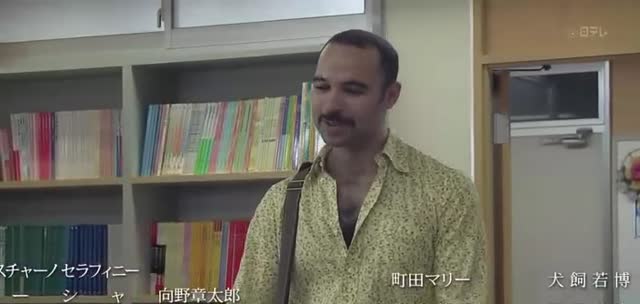
Haruko takes Katori to Paul's workplace for a surprise visit. Paul is already eating natto before opening time, and Haruko asks how a Brit can eat natto.
  1. ポール

    We're not open yet. What are you doing here?

  2. ハルコ

    Huh? Wait, you can eat natto? Even though you're British?

  3. ポール

    It's my favorite. With natto, it's all about how stringy you can get it.

  4. ポール

    There's a way of eating it called "Rosanjin style."

  5. ポール

    You stir and stir until it gets stringy, add two or three drops of soy sauce and stir,

  6. ポール

    add more and stir... anyway, until the strings stretch out and out,

  7. ポール

    stirring and stirring and stirring is the best way to eat it, you know.

Speaking notes

魯山人風

魯山人風 = Rosanjin style (Kitaoji Rosanjin, gourmet)

「魯山人風」 refers to the way of eating natto favored by Kitaoji Rosanjin, the famous Japanese potter and gourmet: stir repeatedly until it gets stringy, add soy sauce, and stir again.

練る

練る = to knead, to stir, to work over

「練る(ねる)」 = to knead, stir, or work over repeatedly. • 「計画を練る」 = "to work out a plan carefully"
• 「納豆を練る」 = "to stir natto"
Paul repeats 「練って練って」, which conveys "stirring over and over." The ending 「〜なんよ」 is a dialectal form of 「〜なのよ」.

Key vocabulary

納豆 なっとう
Natto (fermented soybeans).
糸 いと
Strings (of natto).
練る ねる
To stir, to knead.
醤油 しょうゆ
Soy sauce.
魯山人 ろさんじん
Kitaoji Rosanjin (gourmet).

↑ Scenes on this page

"Why didn't you come to school?"

This scene

日本人の知らない日本語 Episode 7 "Why didn't you come to school?" still

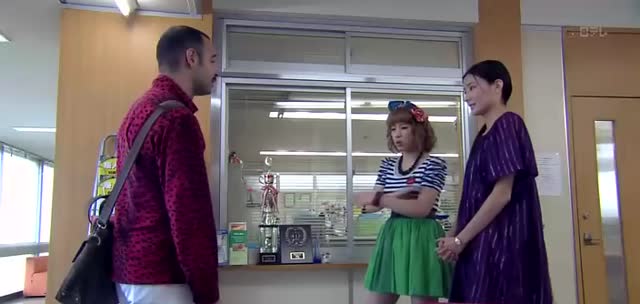
Haruko brings up the word "tatami-ka." Paul doesn't know it, and Katori says that is because he doesn't come to school. Haruko then demands to know why he skipped class.
  1. ポール/ハルコ

    It's "tatamika." -- What's that?

  2. 鹿取

    You wouldn't know because you don't come to school.

  3. ハルコ

    Why didn't you come?

  4. ポール

    Because Momoko said....

  5. ハルコ

    Listen, you... before you get carried away with romance,

  6. ハルコ

    there are things you should be doing! What did you come to this country for?

Speaking notes

やるべきこと

〜べき = something you ought to do

「やるべきことがあるでしょうが!」 = "There are things you ought to be doing!" 「〜べき」.
Haruko scolds Paul in Takasu's manner: 「うつつを抜かす」 (to be infatuated) and 「でしょうが」 (a forceful confirmation).

何しにきたの

V-stem + に来る (callback)

「この国に何しにきたの?」 = "What did you come to this country to do?"

Key vocabulary

恋愛 れんあい
Romance, love.
うつつを抜かす
To be infatuated.
やるべき
What one ought to do.
何しに なにしに
What did (you) come to do?
国 くに
Country.

↑ Scenes on this page

"My dream is to be a fisherman"

This scene

日本人の知らない日本語 Episode 7 "My dream is to be a fisherman" still

Paul says that at first he admired Japanese fishermen. Haruko presses him on what the trailing "but" is supposed to mean.
  1. ポール

    Sure, at first I admired Japanese fishermen, but....

  2. ハルコ

    What do you mean, "but"!

  3. ポール

    You're so noisy. You wouldn't understand, Haruko, since you have no boyfriend.

  4. ハルコ/ポール

    What!? -- Anyway, get out, come on.

  5. ハルコ/ポール

    What's that supposed to mean! -- We're opening, so get out. Okay, bye-bye.

Speaking notes

憧れてたけど…

〜てたけど… = I used to ... but (trailing off)

「憧れてたけど…」 = "I did admire them, but..." The trailing 「けど」 leaves unsaid "now that has changed." Haruko immediately seizes on the turn: 「てたけどって何よ!」, i.e., "What do you mean by that past tense?"
In Japanese, ending with 「〜けど…」 often implies "the present is the opposite of the past."

彼氏のいない

彼氏 = boyfriend

「彼氏のいないハルコには分かんないよ」 = "You wouldn't understand, Haruko, since you don't have a boyfriend." The modifying clause 「〜のいない」 hits Haruko right in her sore spot.

Key vocabulary

漁師 りょうし
Fisherman.
憧れる あこがれる
To admire, to long for.
彼氏 かれし
Boyfriend.
開店 かいてん
Opening the shop.
出ていく でていく
To go out.

↑ Scenes on this page

A witness to a kiss on the street

This scene

日本人の知らない日本語 Episode 7 A witness to a kiss on the street still

Pushed out of the shop, Haruko spots Paul and Momoko kissing on the street. Paul says Haruko has the wrong idea, because Momoko is a "Yamato Nadeshiko."
  1. ハルコ

    I saw it!

  2. ポール

    You've got the wrong idea, Haruko. Momoko is a Yamato "Nadeko-shi", after all.

  3. ハルコ

    It's "Nadeshiko."

  4. ハルコ

    Anyway, you were kissing in the street!

  5. ポール

    Heh heh heh... she's studying Western culture right now.

  6. ポール

    A kiss is a greeting, right? And after that she even went off somewhere in a taxi.

  7. ポール

    Seeing a woman home is common sense in the West, too.

Speaking notes

見てもうた

〜てもうた = 〜てしまった (Kansai dialect)

「見てもうた〜」 = "I saw it, dang it" (Kansai dialect). The Kansai form 「〜てもうた」 corresponds to standard 「〜てしまった」:
• 「やってもうた」 = "I've gone and done it; I messed up"
Haruko normally speaks standard Japanese, but here the Kansai dialect slips out in her excitement.
「見てしまった」 itself carries the nuance of "I accidentally saw something I shouldn't have."

キスは挨拶

Cultural difference: a kiss as a greeting

Paul defends Momoko "with Western culture": 「キスは挨拶でしょ?」 and 「女性を家まで送るのも欧米じゃ常識」.

Key vocabulary

路上 ろじょう
On the street.
欧米 おうべい
Europe and America, the West.
挨拶 あいさつ
Greeting.
常識 じょうしき
Common sense.
送る おくる
To see (someone) off or home.

↑ Scenes on this page

"Only one plan left"

This scene

日本人の知らない日本語 Episode 7 "Only one plan left" still

Paul tells Haruko to stay out of their business, and Haruko retorts that it is because he doesn't come to school.
  1. ポール

    Just leave us alone.

  2. ハルコ

    Huh? That's because you don't come to school!

  3. ポール

    But I came to hand in my homework. Here!

  4. ハルコ

    That's... not so much a wrong idea as plain stupidity.

  5. 鹿取

    What will you do?

  6. ハルコ

    Now that it's come to this, there's only that plan.

  7. 鹿取

    A plan?

Speaking notes

ほっといてくれよ

ほっといてくれ = leave me alone

「ほっといてくれよ」 = "Just leave us alone." 「ほっておく(放っておく)」 = to leave something as it is; 「〜てくれ」 = "please do ... (for me)" (a masculine, casual request).
[Giving and receiving verbs] 「〜てくれ」 is the imperative of 「〜てくれる」: "do ... for me (us)."
Paul uses the form of a "request" to express a "refusal".

こうなったら

こうなったら = now that it has come to this

「こうなったら〜しかない」 = "Now that things have come to this, the only thing left is to ..." A set pattern:
• 「こうなったら、やるしかない」 = "Now that it's come to this, we've got no choice but to do it."
Haruko uses it to signal "burning her bridges".

Key vocabulary

放っておく ほうっておく
To leave alone.
作戦 さくせん
Plan, operation.
宿題 しゅくだい
Homework.
バカ
Fool, idiot.
こうなったら
Now that it's come to this.

↑ Scenes on this page

"I'll show you how much she loves you"

This scene

日本人の知らない日本語 Episode 7 "I'll show you how much she loves you" still

Haruko brings Paul to a shop and says she will prove how much Momoko likes him. Katori says Haruko dragged her along.
  1. ポール

    What's going on, Haruko? Even Ms. Catherine....

  2. 鹿取

    I was forced into it by Ms. Haruko.

  3. ポール

    Look, Momoko's already here.

  4. ハルコ

    Listen, okay? How much Momoko likes you,

  5. ハルコ

    I'll prove it to you.

  6. ポール/ハルコ

    Why are you calling her by her first name? -- What's going to happen...

  7. ハルコ/ポール

    Never mind, just watch. -- Watch what?

Speaking notes

証明してあげる

〜てあげる = I'll do it for you (favor)

[Giving and receiving verbs] 「証明してあげるから」 = "I'll prove it for you." Haruko's 「あげる」 has a hint of condescension and of forcing a favor on someone: Paul didn't ask, yet she volunteers to "help."

呼び捨て

呼び捨て = addressing someone without an honorific

「呼び捨て」 = calling someone by name without a suffix such as 「さん」 or 「君」. Paul protests that Haruko is calling Momoko by her bare name (Haruko says 「桃子が〜」): Japanese people normally add 「さん」 for someone they don't know well.

Key vocabulary

無理矢理 むりやり
By force.
証明 しょうめい
To prove.
呼び捨て よびすて
Calling by name without honorifics.
見てなさい
Just watch.
どれだけ
How much.

↑ Scenes on this page

The "forward" Momoko

This scene

日本人の知らない日本語 Episode 7 The "forward" Momoko still

Haruko and Katori hide in a corner and watch Momoko being approached by several male classmates. The first is Bob, and Paul is bothered.
  1. 鹿取/ポール

    I did try to stop her, you know. -- Hm?

  2. ポール

    Huh? That's Bob.

  3. ポール/ハルコ

    What's that guy acting so cool for? -- Shh! Just watch.

  4. ハルコ

    Here it comes.... She's so forward.

  5. ハルコ

    She seems to be enjoying herself quite a bit, your girlfriend.

  6. ポール

    Huh? Oh... she's someone who can communicate with anyone.

  7. ハルコ

    With anyone, huh? Well, it certainly seems that way.

Speaking notes

誰とでも

誰とでも = with anyone

「誰とでも」 = "with anyone at all." A question word plus 「でも」 means "no matter ...":
• 「いつでも」「どこでも」「何でも」
Haruko repeats Paul's words, 「誰とでもねえ〜」, with a note of sarcasm: "with anyone" is exactly the problem.
[Appearance and hearsay] 「そうみたいだけど」 = "It does seem that way (but...)": 「みたい」 expresses "what I see in front of me," and 「けど」 leaves the sentence hanging.

積極的

積極的 = proactive, assertive

「積極的」 = proactive, taking the initiative. Here it is a roundabout way of saying "Momoko is very forward in approaching men she doesn't know."
Haruko uses a neutral word but implies "too forward".

Key vocabulary

積極的 せっきょくてき
Proactive, assertive.
コミュニケーション
Communication.
取る とる
To carry out (communication).
誰とでも
With anyone.
とめる
To stop, to hold back.

↑ Scenes on this page

The whole class has been called in

This scene

日本人の知らない日本語 Episode 7 The whole class has been called in still

Next Luca and Jack show up, and each time Momoko acts very friendly. Paul wonders why they are all here.
  1. ハルコ/ポール

    Well then, how about the next one? -- Hm?

  2. ハルコ/ポール

    This time it's Luca. -- Why is he here?

  3. ハルコ/ポール

    So forward.... -- That much physical contact is normal in the West.

  4. ハルコ/ポール

    Oh? Then how about the next one? -- What!?

  5. ポール

    Jack!? Why is everyone here!

Speaking notes

スキンシップ

スキンシップ = physical affection (Japanese-made English)

「スキンシップ」 = physical contact between family, partners, or friends, such as hugging or patting a shoulder. It comes from English "skin" + "ship" and is a Japanese-coined English word (和製英語).
Paul defends Momoko with 「欧米では普通」.

へえ~じゃあ次は

Haruko's step-by-step pressure

「へえ〜、じゃあ次はどうかな?」: Haruko closes in step by step with a tone of curiosity plus pursuit.

Key vocabulary

スキンシップ
Physical affection.
普通 ふつう
Normal, ordinary.
次 つぎ
The next one.
今度 こんど
This time.
欧米 おうべい
Europe and America, the West.

↑ Scenes on this page

"To wake you up"

This scene

日本人の知らない日本語 Episode 7 "To wake you up" still

Momoko is surrounded by a whole class of foreign men, and Paul realizes it was Haruko's arrangement. In front of everyone, Haruko says they all came to help him come to his senses.
  1. ハルコ

    Everyone is helping you out for your sake!

  2. ハルコ/ポール

    To wake you up! -- What?

  3. ハルコ

    That girl doesn't like you, she likes foreigners.

  4. ポール

    She's not that kind of girl!

  5. ハルコ

    Wake up already! You saw everything, didn't you!?

  6. ポール

    But... she hasn't really done anything.

  7. 鹿取

    Ah, it looks like she's heading off somewhere.

  8. ハルコ

    A reverse "take-out"?

Speaking notes

目を覚まさせる

目を覚まさせる = to make (someone) wake up

「目を覚ます」 = to wake up, to come to one's senses; 「目を覚まさせる」 = to make someone see sense. • 「夢から目を覚ます」 = "to wake from a dream"
The core of Haruko's "plan" is to make Paul wake up from the "illusion of being popular."
The causative 「〜させる」 means "I make or urge you to ...": she is pushing him to come to his senses.

お持ち帰り

お持ち帰り = taking (someone/something) home

「お持ち帰り」 = takeout; also slang for taking someone home with you after a night out. Haruko's 「逆お持ち帰り」 = "reverse take-home": the woman takes the men home.
This is nightlife slang used for humor, meaning "Momoko is leaving with the guys."

Key vocabulary

協力 きょうりょく
Cooperation, help.
目を覚ます めをさます
To wake up, to come to one's senses.
いい加減 いいかげん
Enough already, that's quite enough.
お持ち帰り おもちかえり
Takeout; taking home.
逆 ぎゃく
The reverse.

↑ Scenes on this page

"You're not like him"

This scene

日本人の知らない日本語 Episode 7 "You're not like him" still

Momoko sees Paul and is not flustered at all. She tells him not to mind and says they should go, then explains why Paul puts her off.
  1. ポール

    Huh? Paul. -- Momoko!

  2. 桃子

    Oh, Paul. Don't mind us. Let's go.

  3. ポール

    Why on earth!? When you have me!

  4. 桃子

    Oh... this man is wonderful. Unlike you.

  5. 桃子

    Because you... you slurp your soba noodles noisily,

  6. 桃子

    and you bow your head over and over while you're on the phone.

Speaking notes

僕というものがありながら

〜というものがありながら = even though you have ...

「僕というものがありながら」 = "Even though you have someone like me (as your boyfriend)..." This is a classic line of the betrayed party:
• 「彼女というものがありながら、浮気をした」 = "He cheated even though he had a girlfriend."

すする/ペコペコ

すする / ペコペコ = slurping / bowing repeatedly

「すする」 = to slurp (making noise); 「ペコペコ」 = bowing or nodding again and again.
What Momoko dislikes is that Paul's behavior is "too Japanese": slurping soba and bowing while on the phone (a Japanese habit).

Key vocabulary

素敵 すてき
Wonderful, lovely.
すする
To slurp.
ペコペコ
Bowing and scraping.
頭を下げる あたまをさげる
To lower one's head, to bow.
一体 いったい
Exactly, on earth.

↑ Scenes on this page

"What I hate is that you're so Japanese"

This scene

日本人の知らない日本語 Episode 7 "What I hate is that you're so Japanese" still

Momoko lists several things about Paul she can't stand, such as the way even his way of eating fish is beautiful. Paul asks if that isn't a good thing.
  1. 桃子

    Besides, the way you eat fish is incredibly neat.

  2. ポール

    Isn't that a good thing?

  3. 桃子

    I hate that kind of Japanese side, when you're a foreigner!

  4. 桃子

    What I hated most was that you like natto!

  5. 桃子

    And on top of that, you go on about the temperature of natto and about Rosanjin,

  6. 桃子

    and in the end you say natto is something you eat for the strings!?

  7. 桃子

    Are you really a foreigner!?

Speaking notes

外国人なのに

〜なのに = even though (you are) ...

「外国人なのに!」 = "Even though you're a foreigner!" 「〜なのに」 expresses dissatisfaction at something that goes against expectation.

挙句の果てに

挙句の果てに = in the end, to top it all off

「挙句(あげく)の果てに」 = "in the end, after all that fuss, ..." It is mostly followed by a negative result:
• 「散々迷った挙句の果てに、何も買わなかった」 = "After agonizing at length, I ended up buying nothing."
With this phrase, Momoko presents "eating the strings of natto" as the final, unbearable point.

Key vocabulary

日本的 にほんてき
Japanese-style.
温度 おんど
Temperature.
挙句 あげく
In the end, to top it all off.
糸 いと
Strings, threads.
嫌 いや
Dislike.

↑ Scenes on this page

"All you liked was 'a foreigner'"

This scene

日本人の知らない日本語 Episode 7 "All you liked was 'a foreigner'" still

Paul asks Momoko whether she went out with him only because he is a foreigner. Haruko reminds him that he was happy to be dating a "Yamato Nadeshiko."
  1. ポール

    So... you were going out with me just because I'm a foreigner?

  2. ハルコ

    You were happy too, weren't you, going out with a "Yamato Nadeshiko"?

  3. ハルコ

    It's the same thing.

  4. 桃子

    Come on, let's go.

Speaking notes

ただ〜だったから

ただ〜だから = just because ...

「僕がただ外国人だったからなのか」 = "Was it just because I was a foreigner?" 「ただ」 = merely.
Haruko's finishing blow, 「あんただって〜喜んでたでしょ。同じじゃない」, hits the mark: you were looking at her through the label "Yamato Nadeshiko."

同じじゃない

同じ = the same

「同じじゃない」 = "Isn't it the same?" 「同じ」 is a special adjectival word that takes no 「な」 before a noun, and its negative or question form is 「同じじゃない」.

Key vocabulary

付き合う つきあう
To go out with, to date.
喜ぶ よろこぶ
Happy.
同じ おなじ
The same.
行く いく
To go.
ただ
Merely, just.

↑ Scenes on this page

"My shoulders are stiff too, and I'm an anime geek"

This scene

日本人の知らない日本語 Episode 7 "My shoulders are stiff too, and I'm an anime geek" still

As Momoko is about to leave, the men stop her and each says what makes him "least like a foreigner". Jack says, for example, that his shoulders are stiff and he can't do without medicated patches.
  1. ジャック

    I'm afraid that lately my shoulders have been terribly stiff too,

  2. ジャック

    and I can't do without medicated patches. Is that all right with you?

  3. ボブ/ハルコ

    Huh? -- I like rice balls better than hamburgers, too.

  4. ルカ

    I'm an anime geek, you know.

  5. 桃子/ハルコ

    What is this? In that case, they're exactly like Paul.

  6. ハルコ

    That's right!

  7. ハルコ

    Thanks for your trouble, everyone. That's enough now.

Speaking notes

手放せない

手放せない = can't do without

「手放せない」 = (because one depends on it) can't let it out of one's hands. • 「スマホが手放せない」 = "I can't put my smartphone down."
Jack offers 「シップが手放せない」 as evidence of 「畳化」.

ご苦労様

ご苦労様 = thank you for your trouble (superior to subordinate)

「ご苦労様」 = "Thank you for your hard work" (mostly used by a superior toward a subordinate, or by an employer toward a helper).
Haruko uses 「ご苦労様」 to tell the students, "Good work, you can wrap up now."

Key vocabulary

残念ながら ざんねんながら
Unfortunately.
おにぎり
Rice ball (onigiri).
アニメ
Anime.
オタク
Geek, otaku.
ご苦労様 ごくろうさま
Thank you for your trouble (superior to inferior).

↑ Scenes on this page

"How dare you look down on me?"

This scene

日本人の知らない日本語 Episode 7 "How dare you look down on me?" still

Momoko realizes she has been set up and confronts Haruko. Haruko says she is a Japanese-language school teacher, and the students say they are her students.
  1. 桃子

    What is this? Who are you!

  2. ハルコ/生徒たち

    I'm a teacher at a Japanese language school. -- We're students.

  3. 桃子

    You were all in on this together!? Don't make a fool of me!

  4. ハルコ/桃子

    Isn't it the fault of the person who gets made a fool of? -- What!?

  5. ハルコ

    Saying you like foreigners just for the atmosphere,

  6. ハルコ

    it's because of women like you that Japanese women get looked down on!

  7. 鹿取

    Ms. Haruko.

  8. ハルコ

    Listen, okay? Paul has a real dream.

  9. 桃子

    A fisherman, right? A fisherman in Japan, even though he's British? Hee hee hee.

Speaking notes

グルだった

グル = an accomplice, in cahoots

「グル」 = a conspirator, someone in cahoots. • 「あの二人はグルだ」 = "Those two are in on it together."
Momoko realizes that "Haruko and the students set this up together" and says 「みんなグルだったの!?」.

バカにされる方が悪い

〜方が悪い = the ... side is at fault

「バカにされる方が悪い」 = "The one who gets looked down on is also to blame." This is a way of putting it that reflects the "blame the victim" attitude in Japanese society.
Haruko throws this line back at Momoko: the students "look down on" Momoko because she views people through a "foreigner filter."
She then goes further with 「あんたみたいな女がいるから、日本の女がバカにされんのよ」.

Key vocabulary

グル
Accomplice, in cahoots.
雰囲気 ふんいき
Atmosphere, vibe.
バカにする
To look down on, to make a fool of.
夢 ゆめ
Dream.
漁師 りょうし
Fisherman.

↑ Scenes on this page

"Don't laugh at other people's dreams!"

This scene

日本人の知らない日本語 Episode 7 "Don't laugh at other people's dreams!" still

Momoko laughs at Paul, a Briton, wanting to be a fisherman. Haruko can't hold back and tells her not to mock other people's dreams.
  1. ハルコ

    Don't laugh at other people's dreams!

  2. ハルコ

    Paul has a dream, and he's desperately studying about Japan.

  3. ハルコ

    He's actively trying to fit in to this country.

  4. ハルコ

    A woman like you, who judges people by their looks,

  5. ハルコ

    can't understand Paul's good points!

  6. ハルコ

    Shall we dance.

  7. ハルコ

    Ahh....

  8. ハルコ

    Now you get it, right!? Paul.

Speaking notes

なじむ

なじむ = to blend in, to get used to

「なじむ」 = to adapt to, to fit in (with an environment or a group). • 「新しい環境になじむ」 = "to adapt to a new environment"
Haruko uses this word to praise Paul: "he is actively working to fit in to Japan."
[Contracted forms] 「〜しようとしてんの」 = 「〜しようとしているの」, which expresses "trying hard to ..."

人の夢を笑うな

V (dictionary form) + な = prohibition

「人の夢を笑うな!」 = "Don't laugh at other people's dreams!" Verb dictionary form + 「な」 = a prohibition (strong).

Key vocabulary

必死 ひっし
Desperately, with all one's might.
なじむ
To blend in, to adapt.
良さ よさ
Good points, merits.
判断 はんだん
To judge.
笑う わらう
To laugh at, to mock.

↑ Scenes on this page

"Did we go too far yesterday?"

This scene

日本人の知らない日本語 Episode 7 "Did we go too far yesterday?" still

In the staff room, the teachers talk about Paul being absent again today, and Katori feels that what they did last time went too far.
  1. 渋谷/鹿取

    Paul was off again today, I hear?

  2. 鹿取

    I knew it, what we did yesterday was too much.

  3. 鷹栖

    Hmm! If you'd just stopped at the red light,

  4. 鷹栖

    but you rushed through it, and now it's a major accident!

  5. ハルコ

    I got him properly out of his giddy mood!

  6. 鷹栖/ハルコ

    And what's the result? He hasn't come! -- He will! I'm sure!

  7. ポール

    Excuse me.

  8. ハルコ

    Ah! -- See, he came, didn't he.

Speaking notes

赤信号で止まってりゃ

〜てりゃ = 〜ていれば (colloquial)

「止まってりゃ良かったのに」 = "You should have just stopped." 「止まっていれば」 → 「止まってりゃ」 (a colloquial contraction). 「〜ば+良かったのに」 expresses regret.
Takasu uses the "traffic light" metaphor: yellow light → red light → (should have stopped but rushed through) → major accident.

突っ走る

突っ走る = to dash ahead recklessly

「突っ走る」 = to rush ahead (without regard for consequences).
Haruko's reply 「脱出させてやったわよ!」 is causative + 「てやる」: "I got him out of it (for his own good)."

Key vocabulary

やりすぎ
Going too far.
突っ走る つっぱしる
To dash ahead, to act rashly.
大事故 だいじこ
Major accident.
脱出 だっしゅつ
To escape, to get out.
浮かれ気分 うかれきぶん
A giddy mood.

↑ Scenes on this page

"I'm going back to England"

This scene

日本人の知らない日本語 Episode 7 "I'm going back to England" still

Paul comes in and tells Haruko he is going back to England. Haruko asks why.
  1. ポール

    Haruko... I'm going back to England.

  2. ハルコ

    What!? Why!

  3. ポール

    If I go back to England, maybe

  4. ポール

    Momoko might turn around and look at me again.

  5. ハルコ

    You're still saying that!?

  6. ハルコ

    Which matters more to you, your dream or a woman like that!

  7. ハルコ

    I mean... you got dumped, you know.

  8. 渋谷

    That's going too far.

  9. 渋谷

    Huh? I seem to remember someone who chased a dream and was left by the person he cared about....

  10. 鷹栖/渋谷

    What is that supposed to mean! -- Sorry.

Speaking notes

振り向いてくれる

振り向いてくれる = (she) might turn to look at me

[Giving and receiving verbs] 「振り向いてくれるかもしれない」 = "She might turn around for me." 「振り向く」 = to turn and look back; 「〜てくれる」 treats her turning around as a favor granted by the other person.
Paul's stance is always that of the recipient: "she will turn around for me," not "I will go after her."
Haruko's counter, 「自分の夢とあんな女とどっちが大事なのよ!」, forces an either-or question in a very strong tone.

フラれた

フラれた = got dumped

「フラれた」 = got dumped. 「振る」 = to dump (a romantic partner); the passive 「振られる」 = to be dumped.
• 「彼女に振られた」 = "I got dumped by my girlfriend."
Haruko states the fact in the bluntest terms: 「あんた、フラれたんだよ」.

Key vocabulary

振り向く ふりむく
To turn around.
追いかける おいかける
To chase, to pursue.
フラれる
To get dumped.
大切 たいせつ
Important.
イギリス
England.

↑ Scenes on this page

"Giving up a dream is easier"

This scene

日本人の知らない日本語 Episode 7 "Giving up a dream is easier" still

Takasu keeps Paul behind and tells him that giving up a dream is probably easier and more comfortable, then speaks about his own past.
  1. 鷹栖

    Paul, I'll tell you just one thing.

  2. 鷹栖

    Probably, giving up your dream is simpler and easier.

  3. 鷹栖

    If it's the kind of dream you can give up easily, that is.

  4. 鷹栖

    I chose my dream, and I lost a lot.

  5. ポール/鷹栖

    Why are you telling me this? -- However!

  6. 鷹栖

    I gained a lot, too.

  7. 鹿取

    Paul?

  8. 鹿取/渋谷

    Was it all right? Saying that.

Speaking notes

言っておいてやる

〜ておいてやる = I'll tell you this much in advance

「言っておいてやる」 = "Let me tell you this much (so listen)." [Giving and receiving verbs] 「〜てやる」 + 「〜ておく」: "say it in advance, as a favor or a word of advice".
Takasu speaks in a "superior" tone, yet says the plainest, most sincere thing: the tone is that of a favor, the content is experience.

夢をとる/得たもの

夢をとる = to choose one's dream

「夢をとる」 = to choose (to pursue) one's dream and give up other things. It is the same pattern as 「恋愛をとる」 and 「仕事をとる」.
Takasu's life is summed up in a contrast: 「多くのものを失った。ただし、得たものもたくさんあった」 ("I lost a lot. However, I gained a lot, too.").
Grammar point: 「ただし」 (adding a proviso), used here to add the other side: the first sentence is about what was lost, the next about what was gained.

Key vocabulary

夢を捨てる ゆめをすてる
To give up a dream.
簡単 かんたん
Easy, simple.
失う うしなう
To lose.
得る える
To gain.
ただし
However, but (adding a proviso).

↑ Scenes on this page

"Take responsibility for what you said"

This scene

日本人の知らない日本語 Episode 7 "Take responsibility for what you said" still

Haruko tells Takasu she heard every word he just said, and then she names her condition.
  1. ハルコ

    You're the one who dumped someone, aren't you!

  2. 鷹栖/ハルコ

    I heard it, you know. With these very ears, loud and clear.

  3. ハルコ

    Now, now... you'll have to take proper responsibility for what you said.

  4. ハルコ/鷹栖

    Could you give me a hand? -- No, no....

  5. ハルコ

    It should be "Could I trouble you for your help, Mr. Takasu?"!

Speaking notes

責任とってもらわないと

〜てもらわないと = I need you to ...

[Giving and receiving verbs] 「責任とってもらわないと」 = "You have to take responsibility." 「〜てもらう」 + 「ないと」: "I require you to do it for me," a demand made from the standpoint of the one who receives.
Here Haruko is demanding that Takasu take responsibility for what he said.

お手伝い願えませんか

お〜願えませんか = would you be so kind as to ...

[Keigo] 「お手伝い願えませんか」 = "Could I trouble you for your help?" 「お+V+願う」 (humble) plus a negative potential question: a very formal request.
Haruko corrects her own casual speech: 「手伝ってくんない?」 → 「お手伝い願えませんか、鷹栖先生」.

Key vocabulary

責任 せきにん
Responsibility.
発言 はつげん
Statement, remark.
手伝う てつだう
Help.
願う ねがう
To request (humble).
さてさて
Now, now.

↑ Scenes on this page

The "fisherman style" outfit

This scene

日本人の知らない日本語 Episode 7 The "fisherman style" outfit still

Haruko dresses Paul up in a fisherman's outfit. Paul is bewildered.
  1. ハルコ

    Paul.

  2. ポール

    What have you come for this time?

  3. ハルコ

    Here.

  4. ハルコ

    You want to be popular, don't you?

  5. ポール

    Hey... what's this? This outfit.

  6. ハルコ

    It's fisherman style.

  7. ポール

    I can't work like this.

Speaking notes

モテたいんでしょ

〜たいんでしょ = you want to ..., right?

「モテたいんでしょ」 = "You want to be popular, don't you?" Haruko sees right through him with a confirming question (〜んでしょ): "You want to be popular, right? Then do as I say."

格好

格好 = appearance, getup

「格好(かっこう)」 = clothes, appearance. • 「変な格好」 = "a strange getup"
Paul complains about 「この格好」, and Haruko says 「漁師スタイル」.
「こんなんじゃ」 = 「こんなもので」 (a colloquial contraction).

Key vocabulary

モテる
To be popular.
格好 かっこう
Outfit, getup.
スタイル
Style (from English).
働く はたらく
To work.
漁師 りょうし
Fisherman.

↑ Scenes on this page

Catching the customers' eye

This scene

日本人の知らない日本語 Episode 7 Catching the customers' eye still

Paul stands in the shop in his fisherman outfit and attracts a group of middle-aged Japanese men. Takasu and his horse-racing friends come to support him.
  1. ハルコ/ポール

    Oh, Paul. -- Huh? What's with that outfit?

  2. ポール

    Look... isn't someone put off by it?

  3. ハルコ/ポール

    Just as I planned! -- Huh?

  4. ハルコ/ポール

    Just as I planned! -- Huh?

  5. 客

    Hey there!

  6. ポール/鷹栖

    Mr. Takasu!? -- I brought you some customers.

  7. 鷹栖

    Ahem, these are my horse-racing buddies and my master.

  8. ポール

    Welcome~!

Speaking notes

引いてる

引く = to be put off, to recoil

「引いてる」 = to be taken aback or put off (by someone's behavior). A slangy use of 「引く」: "to recoil from ..."
• 「ドン引き」 = "totally put off"
Paul thinks Haruko's "styling" has scared the customers away, but Haruko says 「狙い通り!」 ("just as planned!").

連れてきてやった

〜てやった = I did it for you (a favor)

[Giving and receiving verbs] 「連れてきてやったぞ」 = "I've brought customers for you, you know." Takasu uses 「〜てやる」 with a senior's tone of doing a favor.
[Keigo] 「ございます」: 「わたくしの競馬仲間と師匠でございます」. Takasu introduces the guests in a "shop clerk's tone," a half-joking "performance."

Key vocabulary

狙い ねらい
Aim, intention.
競馬 けいば
Horse racing.
仲間 なかま
Companion, buddy.
師匠 ししょう
Master, teacher.
連れてくる つれてくる
To bring along.

↑ Scenes on this page

"This place has this on the menu?"

This scene

日本人の知らない日本語 Episode 7 "This place has this on the menu?" still

As the customers come in, Paul serves them an "otoshi" appetizer: natto. The middle-aged men comment as they eat.
  1. ポール/客

    Here's your otoshi~. -- Oh~.

  2. 客

    Oh? Natto? This place has stuff like this on the menu?

  3. ポール

    No, no, this is just because I like it.

  4. 客

    A "standing bar" is basically a stand-up drinking place, right?

  5. ハルコ/鷹栖

    Hey... let's go home. -- Mm.

  6. ハルコ

    Well then, Paul.

  7. ポール/ハルコ

    Ah, wait a moment...! -- It's all right!

  8. ハルコ

    If you're only accepted on the surface like before, it's not good enough.

  9. ハルコ

    From now on, you have to show your own personality.

Speaking notes

お通し

お通し = a small appetizer served at a bar

「お通し(おとおし)」 = the small dish served automatically when customers sit down at an izakaya or standing bar (usually with a charge). Paul serves his favorite natto as the お通し.

上っ面

上っ面 = surface, superficial

「上っ面(うわっつら)」 = surface, superficial level. • 「上っ面だけの付き合い」 = "a relationship that stays on the surface"
Haruko lectures Paul: you can't be accepted merely for the label "foreigner"; you must "show your 人柄 (personality)."

Key vocabulary

お通し おとおし
Otoshi (appetizer at an izakaya).
立ち飲み屋 たちのみや
Standing bar.
上っ面 うわっつら
Surface, superficial.
人柄 ひとがら
Personality, character.
受け入れる うけいれる
To accept.

↑ Scenes on this page

"Stir it all the way for the strings"

This scene

日本人の知らない日本語 Episode 7 "Stir it all the way for the strings" still

The customers gather around Paul's natto and argue that it needs more stirring to get proper strings.
  1. 客

    Hey, hey, hey, wait, that won't do~.

  2. 客

    You've got to stir it more~, this "strings" business.

  3. 客

    You don't get it, kid.

  4. 客

    This stuff you have to eat in one go, or the flavor is...

  5. ハルコ

    He's totally blended right in.

Speaking notes

糸っちゅうもん

〜っちゅう = 〜という (dialect)

「糸っちゅうもんが」 = "this thing called 'strings'..." 「〜っちゅう」 is a dialectal form of 「〜という」:
The men debate the stringiness of natto in dialect, with the stubbornness of craftsmen.

なじんじゃってる

なじむ + ちゃってる

「なじんじゃってる」 = "he's completely blended in."
「〜ちゃってる」 = 「〜てしまっている」: it carries the nuance of "it's already an accomplished fact."

Key vocabulary

混ぜる まぜる
To stir, to mix.
風味 ふうみ
Flavor, aroma.
兄ちゃん にいちゃん
Young man, kid.
なじむ
To blend in.
パッと
All at once.

↑ Scenes on this page

"Forever twenty" arrives

This scene

日本人の知らない日本語 Episode 7 "Forever twenty" arrives still

Another customer walks into the shop: the proprietress of the "Snack Midori" that Haruko mentioned in class.
  1. ミドリ

    Excuse me~!

  2. 客

    Oh? A young lady has arrived. And there's one more!

  3. ミドリ

    Hello~, I'm Midori~.

  4. 客

    Wanbanko.

  5. 一同

    Wanbanko~!

  6. ハルコ

    Could that be Midori's madam!?

  7. 客

    This one doesn't seem to be a "young lady," does she?

  8. ミドリ

    How rude~! I'm forever twenty~!

Speaking notes

わんばんこ

わんばんこ = こんばんは (playful)

「わんばんこ」 = a playful, retro (Showa-style) way of saying 「こんばんは」. Like 「どうもでーす」 or 「ちわっす」, it is bar-scene talk:
• 「こんばんは」 → 「こんばんわ」 → 「わんばんこ」
The men use it to create a lively bar atmosphere.

お嬢さん

お嬢さん = young lady

「お嬢さん(おじょうさん)」 = a polite way to address a young woman. The customer's 「こちらはお嬢さんでは?」 is teasing: he is saying she is "no longer young," and the proprietress shoots back 「ひどい!永遠のハタチよ!」.

Key vocabulary

お邪魔します おじゃまします
Excuse me (when entering).
お嬢さん おじょうさん
Young lady.
わんばんこ
Good evening (playful).
ミドリ
Midori (a name).
ハタチ
Twenty years old.

↑ Scenes on this page

"We don't have this coupon"

This scene

日本人の知らない日本語 Episode 7 "We don't have this coupon" still

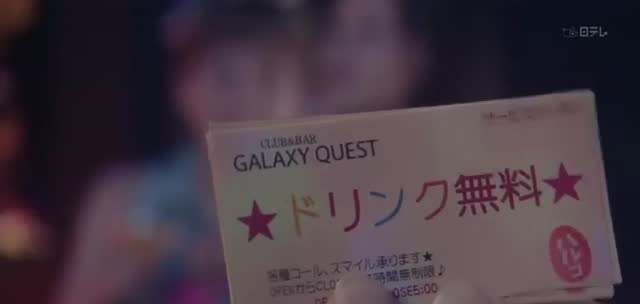
As Takasu leaves with the customers, he presses a coupon on Paul and tells him to come again.
  1. 鷹栖/客

    Well, I'm heading home. -- What? You're leaving already?

  2. 鷹栖

    Yes. I'm pretty sure you can use this.

  3. 鷹栖/ポール

    Hang on to it. -- Um...

  4. ポール

    We don't have a coupon like this at our shop.

  5. ポール

    That guy... he tricked me!

  6. ミドリ/ポール

    Wow! -- You... you're a good-looking man.

  7. ポール/ミドリ

    No... -- Let's drink together.

  8. ポール

    Yes... yes!

  9. 客

    Hey there! Ladies' man!

  10. ハルコ

    He looks like he's having fun.

Speaking notes

とっとけ

とっとけ = 取っておけ (keep it)

「とっとけ」 = "Keep it." 「取っておく」 plus the imperative 「おけ」 → 「とっとけ」.
• 「お釣りはとっといて」 = "Keep the change."

だましやがったな

〜やがる = (resentful) he had the nerve to ...

「だましやがったな!」 = "He had the nerve to trick me!" 「〜やがる」 expresses resentment or anger at what someone did.

Key vocabulary

クーポン
Coupon.
とっとく
Keep it.
だます
To deceive.
いい男 いいおとこ
Good-looking man, good guy.
飲む のむ
To drink.

↑ Scenes on this page

"Just be yourself"

This scene

日本人の知らない日本語 Episode 7 "Just be yourself" still

Paul thanks Haruko and says he got something out of it too. Haruko smiles and tells him to be himself. The middle-aged men nearby tease them.
  1. ポール

    Thank you very much, teacher.

  2. ポール

    I got something out of it, too.

  3. ハルコ/客

    Now, now, now! Just be yourself!

  4. 客

    Hm? Are these two an item, perhaps?

  5. 客

    Then we third wheels will vanish in a puff.

  6. 客たち/ハルコ

    Ha ha ha! -- Stop it, you guys, really~.

Speaking notes

あんたらしく

〜らしく = in a way that suits (you)

「あんたはあんたらしくね!」 = "Be yourself!" [Appearance and hearsay] 「〜らしい」: "in keeping with one's true nature."

お邪魔虫/ドロン

お邪魔虫 = third wheel; ドロン = to vanish

「お邪魔虫(おじゃまむし)」 = a person in the way of a couple, a third wheel. • 「アチチ」 = "piping hot" (the sweetness of lovers)
The men see Haruko and Paul as a couple and say 「お邪魔虫はドロンしますか」: they use the "ninja vanishing" word as a joke about tactfully leaving.

Key vocabulary

らしく
In the manner of, like.
お邪魔虫 おじゃまむし
Third wheel (literally "nuisance bug").
アチチ
Piping hot (lovers' sweetness).
ドロン
To vanish (slang).
得る える
To obtain, to gain.

↑ Scenes on this page

Paul, who "understood nothing"

This scene

日本人の知らない日本語 Episode 7 Paul, who "understood nothing" still

Paul formally says to Haruko that he has thought a lot since then. Haruko thinks he has learned his lesson.
  1. 鷹栖

    Ugh, I really drank too much last night.

  2. ポール

    Haruko, I've thought really hard since then.

  3. ポール

    I didn't understand anything.

  4. ハルコ

    If you understand now, that's fine.

  5. ポール

    You really do like me after all, don't you, Haruko?

  6. ハルコ/ポール

    What!? -- Working so hard for me like that

  7. ポール

    was all because you like me, right?

Speaking notes

何も分かってなかった

〜てなかった = I hadn't ...

「何も分かってなかった」 = "I didn't understand anything." A colloquial contraction of 「〜ていなかった」.

頑張ってくれた

〜てくれた = (someone) did ... for me

[Giving and receiving verbs] 「俺のために頑張ってくれた」 = "you worked so hard for me." Paul takes the viewpoint of the recipient: he reads Haruko's efforts as "done for me."

Key vocabulary

考える かんがえる
Thinking.
分かる わかる
To understand.
頑張る がんばる
To make an effort.
好き すき
To like.
やっぱり
After all, as expected.

↑ Scenes on this page

A hardcore wrong-idea man

This scene

日本人の知らない日本語 Episode 7 A hardcore wrong-idea man still

Haruko concludes that Paul understood nothing. Takasu says he is "sujigane-iri" through and through.
  1. ハルコ

    No good... this guy doesn't get anything.

  2. 鷹栖

    This one's the real deal, through and through.

  3. 渋谷

    In a way, I envy him.

  4. ポール

    I appreciate the thought, but, Haruko, you're a bit...

  5. ポール

    Well, bye.

  6. ハルコ

    What!? Hey...!

  7. ハルコ

    Why does it feel like I'm the one who got dumped!

Speaking notes

筋金入り

筋金入り = hardcore, through and through

「筋金入り(すじがねいり)」 = (of beliefs, character, skills) deeply ingrained, well tempered, unshakable. • 「筋金入りのファン」 = "a diehard fan"
Takasu uses this word for Paul's 「勘違い」: it's not a passing mistake but something "in the bone."
The word can be either praise or criticism; here it is clearly ironic.

フラれてる感じ

〜感じになってる = it feels like ...

「あたしがフラれてる感じになってんのよ!」 = "It feels like I'm the one getting dumped!" The passive 「フラれる」 plus 「感じ」 describes how the situation has been turned around: Haruko meant to "educate" Paul, but it has become "Paul rejecting Haruko."

Key vocabulary

筋金入り すじがねいり
Deeply ingrained, through and through.
ある意味 あるいみ
In a way.
ありがたい
Grateful, appreciated.
フラれる
To get dumped.
感じ かんじ
Feeling.

↑ Scenes on this page

Does "green" turn you "blue"?

This scene

日本人の知らない日本語 Episode 7 Does "green" turn you "blue"? still

Takasu teases Haruko for being unpopular, and Shibuya tells her not to be too discouraged. Then the phone rings.
  1. 鷹栖

    A girl who isn't popular has it rough, doesn't she.

  2. 渋谷

    Ms. Haruko, don't let it get you down too much.

  3. ハルコ

    I'm not down! (phone rings)

  4. 鹿取

    Hello, this is Kobun Gakuin.

  5. 鹿取

    Yes, one moment, please.

  6. 鹿取/鷹栖

    Mr. Takasu, you have a call. -- Who is it?

  7. 鹿取

    It's from a person named Midori.

  8. 渋谷

    Are you all right? Your face is deathly pale.

  9. ハルコ

    Oh my, so you can turn blue over "Midori" (green), huh.

Speaking notes

真っ青

真っ青 = deathly pale (from shock or illness)

「顔が真っ青(まっさお)」 = one's face is pale or ashen. In Japanese, 「青い」 can describe a pale or bluish complexion:
• 「青ざめる」 = to turn pale
• 「顔面蒼白」 = a deathly pale face
Haruko's closing line plays on 「ミドリ」 (green) and 「青(あお)」 (blue): "scared 'blue' by 'green.'"

お電話です

お電話です = you have a phone call (keigo)

[Keigo] 「お電話です」 = "You have a phone call."
• 「少々お待ち下さい」 = "Please wait a moment."
• 「〜さんから」 = "It's from ..."
Katori uses standard telephone keigo.

Key vocabulary

真っ青 まっさお
Deathly pale.
電話 でんわ
Telephone call.
落ち込む おちこむ
Dejected, down.
少々 しょうしょう
A little, slightly.
ミドリ
Midori (a name).

↑ Scenes on this page

Back to 日本人の知らない日本語 · Back to all scenes