LearnWithSubs

日本人の知らない日本語 Episode 4 (page 2/2)

Scenes on this page

  1. "I'm sorry."

    Scene 26 · 0:16

    Expressions: ごめんなさい, どこがいけないのよ, 完璧な告白

  2. "I want to say 'I like you'!"

    Scene 27 · 0:21

    Expressions: 好きにしたい/好きって言いたい, 脱いだ, 口下手

  3. Slapped in the face

    Scene 28 · 0:41

    Expressions: ビンタ, 削除されました/爆死, 余計なこと

  4. The signed card is ruined

    Scene 29 · 0:35

    Expressions: イタリア人になる, そんなんで死ねるわけない, この世に2つとない

  5. "We'll make him quit his job"

    Scene 30 · 0:23

    Expressions: 辞めさせますんで, 教師ってもんじゃないの

  6. "Make the first move"

    Scene 31 · 0:38

    Expressions: 先手を打つ, 逆撫でする, 弄ぶ

  7. "That was just standard language"

    Scene 32 · 0:32

    Expressions: 嫌な思いさせて, ただの標準語

  8. "I want to quit school"

    Scene 33 · 0:45

    Expressions: 辞表/退学届, 頑張ってきただろう, 日本に居たくありません

  9. "Then why don't you quit?"

    Scene 34 · 0:28

    Expressions: 貰っとくから, 辞めたいつってんだから, いいから行くよ

  10. Japanese has no "standard language"

    Scene 35 · 0:40

    Expressions: 標準語なんかありません, 実は私も思ってたんだけど, 作られた言葉

  11. Where "desu" and "masu" came from

    Scene 36 · 0:28

    Expressions: です・ますの由来, キャバ嬢, 広まったんだから

  12. "Master, not just this once!"

    Scene 37 · 0:31

    Expressions: これっきり, 〜らしいですなあ, 広めまくっちゃった

  13. Whose speech is "zamasu"?

    Scene 38 · 0:30

    Expressions: ざます, 花魁, セレブ

  14. "Dearimasu" and "oi kora"

    Scene 39 · 0:33

    Expressions: であります, おいこら, 〜方言

  15. "Cold" common language is a misunderstanding

    Scene 40 · 0:21

    Expressions: 味気ない, 〜がち, 親しみやすい

  16. "Don't blame Japanese!"

    Scene 41 · 0:33

    Expressions: 〜のせいにする, 書かせてんじゃないわよ, 死ぬ気でぶつかる

  17. "Speak with this, not your mouth"

    Scene 42 · 0:31

    Expressions: 口で喋るもんじゃない, さらけ出す, カッコ悪くたっていい

  18. "Charge in and shatter"

    Scene 43 · 0:18

    Expressions: 当たって砕けろ, 行ってきたら?/行ってこい, 男みせようぜ

  19. Written "kokuhaku," read "courage"

    Scene 44 · 0:51

    Expressions: 「告白」と書いて「勇気」, 見してあげなよ, 意地

  20. "Serious, written 本気 and read マジ"

    Scene 45 · 1:01

    Expressions: 本気と書いてマジ, ティ・アーモ, わずかでいい

  21. "Actually, I'm a stubborn one"

    Scene 46 · 0:35

    Expressions: 津軽弁(青森), 訛る, それは方言ですか?

  22. "Shoushii" means embarrassed

    Scene 47 · 0:52

    Expressions: 美しい, むしろ, ありがとうございました先生

  23. "You promised me 300,000 yen!"

    Scene 48 · 0:16

    Expressions: メロメロ, 約束したじゃん, 暇じゃありません

  24. Haruko with 95 yen

    Scene 49 · 0:19

    Expressions: 馬券も買えねえな, ギャンブルおやじ, お腹すいた

  25. "Catherine, you've grown!"

    Scene 50 · 0:30

    Expressions: 一皮むける, しつこい/失恋

Speed
All scenes

"I'm sorry."

This scene

日本人の知らない日本語 Episode 4 "I'm sorry." still

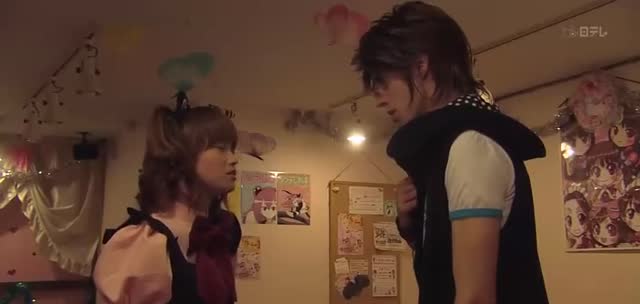
After hearing Luca's confession, Miki says only "I'm sorry," and Haruko, standing by, refuses to accept it.
  1. 美貴

    I'm sorry.

  2. ハルコ

    See~.

  3. ルカ/ハルコ

    Miki! Miki!

  4. ハルコ

    Hey, what exactly is wrong with this?

  5. ハルコ

    It's a perfect confession!

  6. ハルコ/鹿取

    Haruko: That... — Ah!

Speaking notes

ごめんなさい

ごめんなさい: a polite way to turn down a confession

In a confession, 「ごめんなさい」 is almost the same as "I can't accept." Japanese people rarely say 「いいえ」 or 「嫌です」 and instead use:
• ごめんなさい (I'm sorry)
• ちょっと… (it's a bit...)
• 考えさせてください (let me think about it)
Miki's 「ごめんなさい」 declines and saves the other person's face in one phrase.
Note: she gives no reason. In Japanese, the one who is turned down often has to "read the air" and guess.
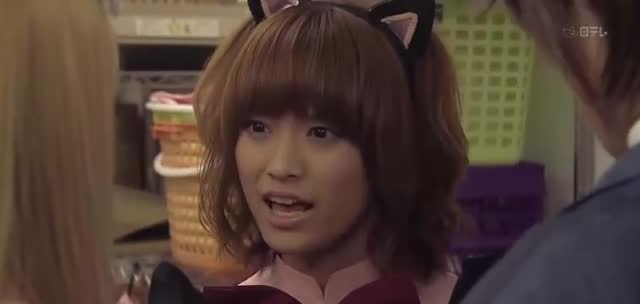
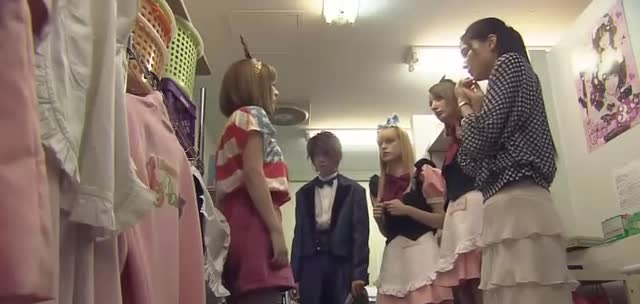
どこがいけないのよ

いけない: wrong, not good, not allowed

「どこがいけないのよ?」 = What exactly is wrong?! 「いけない」 = bad; not acceptable; there is a problem.
• 「いけません」 = you must not
• 「どこがいけないの?」 = the standard way to ask what the defect is
Haruko is not asking "what's wrong" but protesting: she thinks the lines are perfect, so the cause of failure must lie elsewhere.

完璧な告白

完璧: flawless, perfect

「完璧(かんぺき)」 = flawless; perfect. The second character 「璧」 means jade.
Note: it is written 「完璧」, not 「完壁」.

Key vocabulary

完璧 かんぺき
Flawless; perfect.
告白 こくはく
Confession (of love).
ごめんなさい
I'm sorry; (in refusal) no, thank you.
いけない
Bad; not allowed.
どこが
Where.

↑ Scenes on this page

"I want to say 'I like you'!"

This scene

日本人の知らない日本語 Episode 4 "I want to say 'I like you'!" still

Luca's confession isn't over yet. Haruko tries to step in and explain that Luca is clumsy with words, but she makes things worse.
  1. ハルコ

    Ah, wait... um, Luca is... sorry,

  2. ハルコ

    he's a bit clumsy with words, so...

  3. ハルコ

    Luca wants to do whatever he likes with you!

  4. 美貴/ルカ

    Miki: What?! — Luca: No, no, no, no!

  5. ルカ

    Not "do what I like with you," I want to say "I like you."

  6. ハルコ

    Haruko stripped for Luca!

  7. 美貴/ルカ

    Miki: She stripped?! — Luca: No, no, no...

  8. ハルコ/ルカ

    Haruko: When I say "stripped," I don't mean that kind of stripping...

Speaking notes

好きにしたい/好きって言いたい

好きにする: do as one pleases; mistaken for 好きって言う

A one-word difference turns everything around:
• 好きにしたい = 「好きにする」 (do as one pleases; have one's way) + 「たい」 = I want to do whatever I like with you, which sounds awful
• 好きって言いたい = I want to say "I like you"
In Japanese, 「好きにする」 basically means "do as one likes." 「Xを好きにする」 is "to have one's way with X", with a strong sense of domination.
In trying to speak for Luca, Haruko turned "wants to say I like you" into "wants to do as he likes with you," and the situation collapsed completely.

脱いだ

脱ぐ: literal (take off clothes) versus figurative (help out)

「ハルコはルカのために脱いだのよ!」: Haruko meant "I did my part" (ひと肌脱ぐ) but it came out literally as "I took my clothes off," and Miki misunderstands on the spot.
• Figurative: ひと肌脱ぐ = to help out
• Literal: 服を脱ぐ = to take off clothes
A figure of speech, once cut off from its context, becomes a literal disaster.

口下手

口下手: poor at speaking; clumsy with words

「口下手(くちべた)」 = not good with words. The opposites are 「口上手」 and 「口がうまい」.
Haruko "explains" that Luca is a bit clumsy with words in order to rescue him, but only digs the hole deeper.

Key vocabulary

口下手 くちべた
Clumsy with words.
脱ぐ ぬぐ
To take off (clothes).
好きにする すきにする
To do as one pleases (with someone).
違う ちがう
Wrong; different.
そっち
That way; that (meaning).

↑ Scenes on this page

Slapped in the face

This scene

日本人の知らない日本語 Episode 4 Slapped in the face still

Miki slaps Luca and turns to leave. Haruko urges Luca to chase her, but he holds his cheek and cries "Miki!"
  1. ハルコ

    Luca, just go for it!

  2. ルカ

    Miki!

  3. ハルコ

    Hey, Miki!

  4. ハルコ/ルカ

    Haruko: Luca... — Luca: Why did I get slapped?

  5. 美貴/ハルコ

    Miki: It's because you two said unnecessary things!

  6. ハルコ

    Hey, Luca?!

  7. ハルコ

    Miki!!

  8. ハルコ

    Hey!

  9. ルカ

    I've been deleted! I blew up! Please let me die!!

Speaking notes

ビンタ

ビンタ: a slap across the face with the palm

「ビンタ」 = a slap on the face with the palm. Colloquial, and mostly used for punishment or discipline:
• 「ビンタを食らう」 = to get slapped
Luca's 「何でビンタされたの?」 uses the passive to describe being on the receiving end of the slap.

削除されました/爆死

internet and gaming slang: deleted, blown up

「削除(さくじょ)」 = deletion; 「爆死(ばくし)」 = (internet and gaming slang) a spectacular failure. Luca puts his heartbreak in net slang: 「僕は削除されました!爆死です!」
• 削除: "deleted" from the other person's world
• 爆死: a total failure (in gacha pulls, gambling, or a confession)
His Japanese is a mix of manga and internet language, exaggerated to the extreme but accurate.
Note: 「死なせて下さい」 is his melodramatic despair, not a real wish to die.

余計なこと

余計なこと: unnecessary things; meddling

「余計なことを言う」 = to say unnecessary things. 「余計(よけい)」 = superfluous; more than needed:
• 「余計なお世話」 = none of your business
• 「余計なことをするな」 = don't meddle
Miki says it to Haruko and Luca together, blaming their meddling.

Key vocabulary

ビンタ
Slap in the face.
削除 さくじょ
Deletion.
爆死 ばくし
(Slang) a spectacular failure.
余計 よけい
Unnecessary; superfluous.
思いっきり おもいっきり
With all one's might; without holding back.

↑ Scenes on this page

The signed card is ruined

This scene

日本人の知らない日本語 Episode 4 The signed card is ruined still

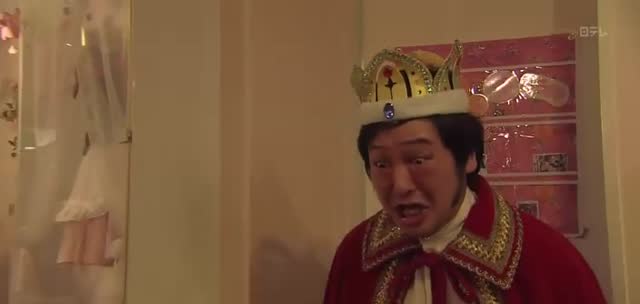
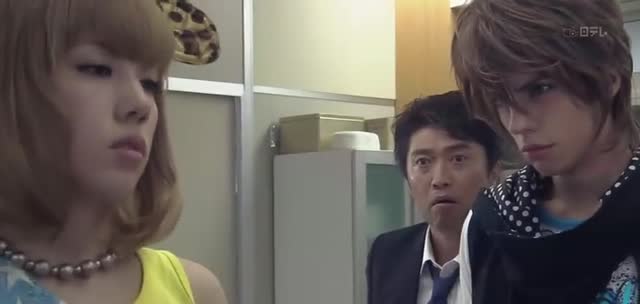
Haruko is scolding Luca for his dramatic reaction when the shop manager rushes in and freezes at what is on the floor: a signed card of "Maid Warrior Peaches."
  1. ハルコ

    Why do you have to turn Italian only at times like this?!

  2. ハルコ/店長

    You can't die from something like that! Hey!

  3. 店長

    What are you doing in my shop!

  4. ハルコ・ルカ

    Whoa!!

  5. ハルコ/王

    Ah! Peaches!!

  6. 王

    Wang: Ah... aaah... aaaaah!

  7. ハルコ

    I'm very sorry.

  8. 王

    The illustrated signed card of Maid Warrior Peaches

  9. 王

    is one of a kind in this world!!

Speaking notes

イタリア人になる

turning Italian: acting dramatically, as if on cue

「何でそういう時だけイタリア人になんのよ!」 = Why do you turn into an "Italian" only at times like this?!
Haruko uses nationality to mock Luca's overblown reaction: in the stereotype, Italians are "emotionally expressive and dramatic."
「〜になんのよ」 is the colloquial contraction of 「〜になるのよ」.
Grammar: 「Xになる」 = to become X; here "to take on X's kind of personality."

そんなんで死ねるわけない

そんなんで: colloquial for そんなもので; わけない = impossible

「そんなんで死ねるわけないでしょ!」 = There's no way you can die from something like that! 「そんなん」 is the colloquial contraction of 「そんなもの」. 「〜わけない」 = it's impossible.
Haruko's retort is down to earth: you can't die from one slap.

この世に2つとない

二つとない: there is no second one; one of a kind

「この世に2つとない」 = there's not another like it in the world. 「Nつとない」 means "there is no second":
• 「二つとない宝物」 = a one-of-a-kind treasure
Wang speaks in an extremely exaggerated tone, ending the sentence with 「〜んじゃ」 (an old man's way of speaking).

Key vocabulary

色紙 しきし
Square card for autographs (shikishi).
イラスト
Illustration.
この世 このよ
In this world.
メイド
Maid.
サイン
Autograph.

↑ Scenes on this page

"We'll make him quit his job"

This scene

日本人の知らない日本語 Episode 4 "We'll make him quit his job" still

The shop manager apologizes and says he will make Luca quit his part-time job. Haruko insists she must take responsibility, and Takasu tells her to shut up.
  1. 店長

    I'm very sorry, Mr. Wang. I'll have Luca quit his part-time job.

  2. ハルコ/鷹栖

    Haruko: No, wait! I'm the one who has to take responsibility... — Takasu: You keep quiet!

  3. ハルコ

    There's no need to make him quit!

  4. ハルコ

    Isn't protecting students what a teacher is supposed to do?

  5. 鷹栖/ハルコ

    Shibuya: Mr. Takasu did protect him. — Haruko: Where?! He made him quit his part-time job on his own authority.

Speaking notes

辞めさせますんで

causative + ますので: I will make him quit, so please accept

「辞めさせますんで」 = I'll make him quit, so (please accept that). Structure: 辞める + させる (causative) + ます + んで (= ので).
This is the manager's apology on behalf of the shop: it shows responsibility and also offers a resolution.

教師ってもんじゃないの

〜ってもんじゃないの: isn't that what ... is supposed to be?

「生徒を守るのが教師ってもんじゃないの?」 = Isn't protecting students what a teacher is for? Haruko uses 「ってもん」 to throw "common sense" at the other person.
She means "a teacher should be on the students' side."
Shibuya's answer 「鷹栖先生は守ったよ」 fights back from the "result" (keeping the police out of it), and the two sides have completely different ideas of what "protecting" means.

Key vocabulary

責任を取る せきにんをとる
Responsibility.
守る まもる
To protect; to guard.
勝手に かってに
On one's own authority; arbitrarily.
辞めさせる やめさせる
To make (someone) quit.
黙る だまる
Silence; to keep quiet.

↑ Scenes on this page

"Make the first move"

This scene

日本人の知らない日本語 Episode 4 "Make the first move" still

Takasu explains to Haruko why he made Luca quit without asking: what if clumsily provoking the other side led to a call to the police?
  1. 鷹栖

    If we clumsily rub the other side the wrong way

  2. 鷹栖

    and it turns into a police matter, what then?

  3. 鷹栖

    Worst case, Luca would be deported!

  4. 渋谷

    Mr. Takasu made the first move.

  5. 鷹栖/渋谷

    I hear you were trying to use Luca to make money, is that right?

  6. 鷹栖/ハルコ

    Suspended! You idiot! Go home and reflect, you idiot! Luca, come here! Let's go.

  7. 鷹栖

    Toying with a student's pure feelings!

  8. ハルコ

    No, that was, um, only made a condition of exchange...

  9. 鷹栖

    How disappointing.

Speaking notes

先手を打つ

先手を打つ: to make the first move; to act preemptively

「先手(せんて)を打つ」 = to get ahead and act first. The phrase comes from go and shogi: the move that is played first.
• 「後手に回る」 = to fall behind; to end up reacting
Shibuya explains for Takasu: he had Luca quit as a "preemptive strike" to keep things from getting worse.

逆撫でする

神経を逆撫でする: to irritate; to rub the wrong way

「逆撫で(さかなで)」 = stroking against the grain; 「神経を逆撫でする」 = to irritate someone's nerves.
• 「感情を逆撫でする」 = to provoke someone's feelings
Takasu uses it to describe the consequences of upsetting the other side (the manager and the Peaches fan).
Note the word 「下手(へた)に」 at the start of the sentence: "clumsily; if one handles it badly."

弄ぶ

弄ぶ: to toy with people's feelings; morally loaded

「弄ぶ(もてあそぶ)」 = to toy with (someone's feelings or life). It is mostly used in negative, morally condemning contexts:
• 「人の心を弄ぶ」 = to play with someone's heart
Takasu's 「純粋な生徒の気持ちを弄ぶなんて」 is the gravest accusation against Haruko: you did business with a student's sincere feelings.

Key vocabulary

神経を逆撫でする しんけいをさかなでする
To irritate; to provoke.
先手を打つ せんてをうつ
To act first; to get a head start.
謹慎 きんしん
Suspension; being confined to reflect.
弄ぶ もてあそぶ
To toy with.
交換条件 こうかんじょうけん
Condition of exchange; quid pro quo.

↑ Scenes on this page

"That was just standard language"

This scene

日本人の知らない日本語 Episode 4 "That was just standard language" still

Miki comes to see Luca by herself. She apologizes for slapping him and says she does not dislike him.
  1. 美貴

    Um... I'm sorry for making you feel bad earlier.

  2. ルカ/美貴

    No... but Luca really...! — I don't dislike him.

  3. 美貴/ルカ

    But... the words. — Luca: They don't get through?

  4. 美貴/ルカ

    Does it feel cold? — That was just standard language.

  5. 美貴

    I'm sorry.

Speaking notes

嫌な思いさせて

嫌な思いをさせる: causing someone to feel unpleasant; apology form

「嫌な思いをさせる」 = to make someone feel unpleasant. A causative form with "I" as the subject and "you" as the object:
• 「嫌な思いをさせてしまってすみません」 = I'm sorry for making you feel bad
This is one of the most typical apology patterns in Japanese: it doesn't say "I did wrong" but "I made you feel unpleasant," putting the focus on the other person's feelings.

ただの標準語

ただの: only a, nothing more than

「あれはただの標準語だよ」 = That was nothing more than standard language. Here 「あれ」 refers to Luca's way of speaking: textbook-correct Japanese.
The line is a gentle explanation: "there's nothing wrong with your words; it's just standard language."
「ただの〜」 downgrades the "coldness" into a mere "style of speech."

Key vocabulary

嫌 いや
Unpleasant; to dislike.
嫌い きらい
To dislike.
感じる かんじる
To feel.
言葉 ことば
Words; language.
ただの
Nothing more than; just.

↑ Scenes on this page

"I want to quit school"

This scene

日本人の知らない日本語 Episode 4 "I want to quit school" still

In the morning, Luca puts a letter of withdrawal on Takasu's desk. Katori wakes a groggy Haruko and tells her what has happened.
  1. ハルコ/鹿取

    Luca!

  2. 鹿取/ハルコ

    Haruko, Haruko! Please wake up! — Mmm~, what is it...

  3. 鹿取/ルカ

    Katori: A letter of resignation?! — Luca: I want to quit school.

  4. 鷹栖

    Huh? Then what's this? A withdrawal form?! What will you do if you quit school?

  5. 鷹栖/ルカ

    Mr. Takasu. — I'm going back to Italy.

  6. 鷹栖/生徒

    You've been working hard all this time, haven't you? — That's right. You came to learn Japanese, didn't you?

  7. ルカ

    Neither the standard language nor the confession lines got through at all.

  8. 鷹栖/ルカ

    Well, sit down for a moment. — I don't want to be in Japan!

Speaking notes

辞表/退学届

辞表: resignation letter; 退学届: school withdrawal form

「辞表(じひょう)」 = a letter of resignation submitted to an employer; 「退学届(たいがくとどけ)」 = a request to withdraw from school, submitted to the school.
Grammar point: 「〜届(とどけ)」 is a notification or application submitted to an official body:
• 出生届 (birth registration)
• 欠席届 (notice of absence)
• 退学届 (withdrawal request)

頑張ってきただろう

〜てきた: continuing from the past up to now

「頑張ってきただろう」 = you've been working hard (all along), haven't you? 「〜てくる」 shows an action continuing from the past up to now:
• 「やってきた」 = have kept doing it
Takasu uses a combination of fact and presumption to acknowledge Luca's efforts and try to make him stay.
The 「〜だろう」 here is not a question but an empathetic "you know it yourself, don't you".

日本に居たくありません

〜たくありません: don't want to; polite negative of want

「居たくありません」 = I don't want to stay (here). 「居る」 = to exist (for people); 「居たい」 = to want to stay.
• 「居たくない」 (plain)
• 「居たくありません」 (polite negative)
Luca says the most decisive thing in the most polite style.

Key vocabulary

辞表 じひょう
Letter of resignation.
退学届 たいがくとどけ
Withdrawal form (from school).
帰る かえる
To return (home); to go back.
学ぶ まなぶ
To learn; to study.
居る いる
To be (there); to stay.

↑ Scenes on this page

"Then why don't you quit?"

This scene

日本人の知らない日本語 Episode 4 "Then why don't you quit?" still

Takasu desperately tries to keep Luca, but Haruko says "then quit, why don't you," and takes the letter.
  1. ハルコ

    Then why don't you quit?

  2. ハルコ

    I'll hold on to this.

  3. 鹿取/鷹栖

    Katori: Haruko! — Takasu: Are you really fine with that?

  4. 鷹栖

    If not everyone graduates, you can't become a high school teacher!

  5. ハルコ

    It can't be helped, can it? He's the one who says he wants to quit.

  6. ハルコ

    Luca, let's go to the last class.

  7. 鹿取/ハルコ

    Katori: Haruko! — Haruko: Never mind, let's go.

Speaking notes

貰っとくから

〜ておく: I'll keep it for now; もらう as 'take'

「貰っとくから」 = I'll take this for now, okay? 「貰っておく」 means "accept it and hold on to it without dealing with it yet." Haruko takes the withdrawal form in this tone, neither refusing nor agreeing.
[Giving and receiving verbs] 「もらう」 here means "to take (an object)," not "to receive a favor."

辞めたいつってんだから

辞めたいつってんだから: colloquial contraction of と言っているんだから

「辞めたいつってんだから」 = a colloquial contraction of 「辞めたいと言っているんだから」. 「と言って」 → 「つって」 (colloquial) and 「ている」 → 「てん」.

いいから行くよ

いいから: never mind; do as I say

「いいから行くよ」 = Never mind that, let's go. 「いいから」 is colloquial for "no arguing".

Key vocabulary

貰う もらう
To take; to accept (and keep).
しょうがない
It can't be helped.
最後 さいご
Last; final.
授業 じゅぎょう
Class; lesson.
辞める やめる
To quit; to step down.

↑ Scenes on this page

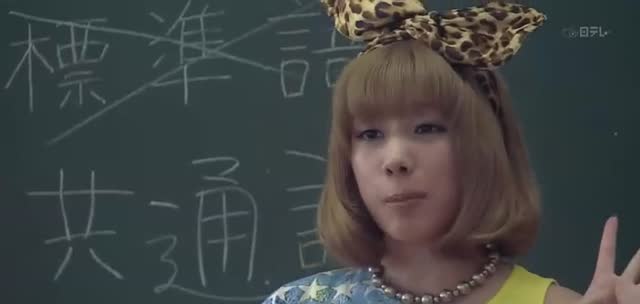
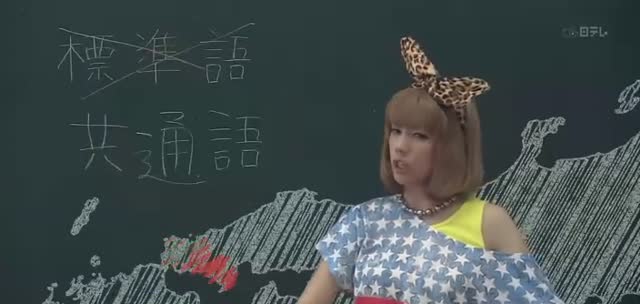
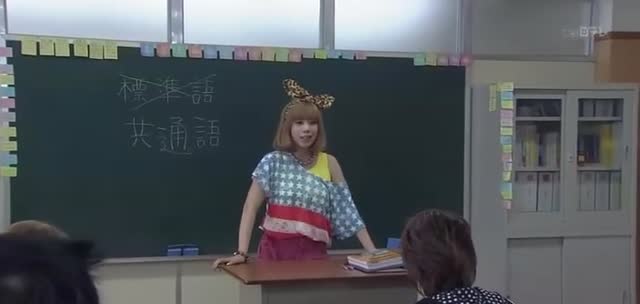
Japanese has no "standard language"

This scene

日本人の知らない日本語 Episode 4 Japanese has no "standard language" still

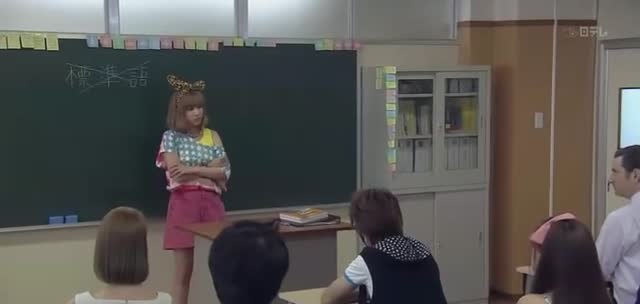
Haruko steps up to the lectern and says today's topic is standard language, but in fact Japan has no such thing.
  1. ハルコ

    Today we'll study the standard language.

  2. ハルコ

    That said, there actually is no standard language in Japan.

  3. ジャック

    Isn't what we're learning the standard language?

  4. ハルコ

    Actually, I thought so too.

  5. ハルコ

    The term "hyoujungo" was a term some important person once used

  6. ハルコ

    when they tried to unify Japanese into one way of speaking.

  7. ハルコ

    But the Japanese everyone uses every day

  8. ハルコ

    isn't a language created by someone's order. It's a language that came about naturally.

Speaking notes

標準語なんかありません

なんか + negative: dismissive 'there's no such thing'

「標準語なんかありません」 = There's no such thing as a standard language. 「なんか」 adds a dismissive or emphatic tone:
• 「そんなことなんかできない」 = there's no way I can do something like that
Haruko throws out the "conclusion" first and explains afterward: a counterintuitive claim to grab attention.

実は私も思ってたんだけど

実は私も: candidly admitting I thought so too

「実は私もそう思ってたんだけどね」 = Actually, I used to think so too. At the lectern, Haruko confesses to the students that "I got it wrong too."
In Japanese, 「実は〜」 is an opening word for introducing an inside story or a confession.

作られた言葉

passive + noun versus intransitive できる: made by someone vs. naturally formed

「誰かの命令で作られた言葉」 = a language made by someone's order. Passive form modifying a noun:
• 作られた = was made
• 「自然にできた言葉」 = a language that came about naturally (the intransitive verb 「できる」 has no agent)
The contrast between the two phrases shows the difference between "artificial" and "natural": the former uses the passive (someone made it), the latter an intransitive verb (nobody made it).

Key vocabulary

標準語 ひょうじゅんご
Standard language.
実は じつは
Actually; in fact.
命令 めいれい
Order; command.
自然 しぜん
Natural; naturally.
普段 ふだん
Usually; every day.

↑ Scenes on this page

Where "desu" and "masu" came from

This scene

日本人の知らない日本語 Episode 4 Where "desu" and "masu" came from still

Haruko explains to the class how "desu" and "masu" came about in the common language, and the students can hardly believe it.
  1. ハルコ/生徒

    Haruko: We call it kyoutsuugo. — Student: Kyoutsuugo?

  2. ハルコ

    The "desu" and "masu" that Luca uses

  3. ハルコ

    were originally words used by Edo geisha, and they spread across the whole country.

  4. ハルコ/生徒

    Haruko: Geisha? — Student: Like hostesses in the old days, right? — Haruko: Yes, yes.

  5. ハルコ

    Those women used words like "desu" and "masu,"

  6. ハルコ

    but in the early Meiji era, samurai came up from the provinces...

Speaking notes

です・ますの由来

the drama's account of where です・ます came from

Haruko's account (the drama's version): 「です」 and 「ます」 were originally the way Edo geisha and similar women spoke, and later became the standard polite style.

キャバ嬢

キャバ嬢: hostess at a cabaret club

「キャバ嬢」 = a hostess working in a cabaret club (キャバクラ). The students use a modern word as an analogy for "geisha," and Haruko immediately agrees with 「そうそう」: the two aren't identical, but they are similar in "chatting with customers."

広まったんだから

〜んだから: because; presenting a reason as proof

「全国に広まったんだから」 = after all, it spread over the whole country. 「〜んだから」 gives a reason in a way that brooks no argument:
• 「だって知ってるんだから」 = because I know, that's why
Haruko's tone is "see, isn't that proof?"
The intransitive verb 「広まる」 (to spread) conveys "spread naturally."

Key vocabulary

共通語 きょうつうご
Common language (kyoutsuugo).
元々 もともと
Originally; at first.
芸者 げいしゃ
Geisha.
広まる ひろまる
To spread; to become widespread.
明治時代 めいじじだい
The Meiji era.

↑ Scenes on this page

"Master, not just this once!"

This scene

日本人の知らない日本語 Episode 4 "Master, not just this once!" still

Carried away, Haruko acts out a little skit: samurai arrive in Edo, hear the geisha talk, and pick up a half-right version of their speech.
  1. ハルコ

    Master, I won't have it be just this once!

  2. ハルコ

    "Desu"?

  3. ハルコ

    I hear that in Edo they put "desu" at the end of their sentences, don't they?

  4. ハルコ

    Mm. So it seems.

  5. ハルコ

    That is how "desu" came from Edo's...

  6. ハルコ

    that is, they mistook it for the speech of present-day Tokyo

  7. ハルコ

    and spread it all over the country like crazy.

  8. ジャック/ハルコ

    Jack: And that became the common language? — Haruko: Right.

Speaking notes

これっきり

これっきり: just this once, never again

「これっきり」 = just this once; never again afterward. It is often used for drawing a line or bargaining:
• 「これっきりだよ」 = this is the only time, okay?
The geisha's 「これっきりは嫌ですよ」 means "I don't want it to be just this once," in a coy tone. Haruko uses the line to set the scene of the pleasure quarter so the students understand at once.

〜らしいですなあ

〜ですなあ: old-fashioned, period-drama way of speaking

「つけるらしいですなあ」 = I hear they put it on, do they... 「〜なあ」 is an exclamatory tone of older men or samurai, equivalent to today's 「〜ですね」, but with more of a period-drama flavor.
Haruko plays several roles at once: first a geisha, then samurai, and uses shifts in tone to convey the "hearsay" of it all.
「らしい」 here expresses "rumor": the samurai learned from others' talk that "this is how Edo people speak."

広めまくっちゃった

〜まくる: to keep doing something relentlessly

「広めまくっちゃった」 = ended up spreading it everywhere. 「〜まくる」 attaches to the verb stem and means "to keep doing something non-stop, overdoing it":
• 「食べまくる」 = to eat like crazy
• 「書きまくる」 = to write like mad
Adding 「〜ちゃった」 gives a sense of "oops, it spread too far."
Haruko's narration turns "the spread of language" into "a misunderstanding going viral."

Key vocabulary

旦那 だんな
Master; patron (danna).
語尾 ごび
Word ending; sentence ending.
勘違い かんちがい
Misunderstanding.
〜まくる
To keep doing (something) like mad.
これっきり
Just this once; never again.

↑ Scenes on this page

Whose speech is "zamasu"?

This scene

日本人の知らない日本語 Episode 4 Whose speech is "zamasu"? still

The students get interested and ask which other words came about like this. Haruko brings up 「ざます」, and someone says they've seen it in manga.
  1. ハルコ/生徒

    Haruko: There are others, too. "Sou zamasu" and "ii zamasu." — Student: I've seen that in manga!

  2. 生徒/ハルコ

    Student: Suneo's mom. — Haruko: Right.

  3. ハルコ

    It's hardly used in reality, but even the elegant way of speaking with "zamasu"

  4. ハルコ

    was originally the speech of oiran.

  5. ハルコ

    Since a beautiful and clever oiran was bought out by a wealthy patron, and he was a celebrity too,

  6. ハルコ

    "zamasu" spread among the celebrities.

  7. ハルコ

    I'm a celebrity, so I say "zamasu~," zamasu.

Speaking notes

ざます

ざます: old-fashioned form of ございます, associated with grand ladies

「ざます」 = a variant of 「ございます」, the verbal habit of upper-class women of old (oiran, grand ladies). Today it appears mainly in manga and comedy for "madam" characters (like Suneo's mother in Doraemon):
• 「〜ざます」 = 〜です / ます
• 「そうざます」 = that's right
Haruko's account: a clever and beautiful oiran married into a wealthy house, and her verbal habit was taken up by "high society."

花魁

花魁: top-ranking courtesan of the Edo pleasure quarters

「花魁(おいらん)」 = the highest-ranking courtesan in the pleasure quarters of the Edo period. Their speech was a style of its own (「遊里言葉」, e.g. 「ありんす」).
• 「身請け」 = a wealthy patron buying out a courtesan's contract

セレブ

セレブ: celebrity or wealthy person, said with envy and teasing

「セレブ」 = short for "celebrity," meaning famous or wealthy people. In Japanese it carries a mix of envy and teasing:
• 「セレブ妻」 = a wealthy wife
Haruko's last line, 「私セレブだから『ざます~』って言うざます」, has her using "zamasu" herself.

Key vocabulary

ざます
(Old-fashioned) ございます.
花魁 おいらん
Oiran (top-ranking courtesan).
上品 じょうひん
Elegant; refined.
身請け みうけ
To buy out a courtesan's contract.
セレブ
Celebrity; wealthy person.

↑ Scenes on this page

"Dearimasu" and "oi kora"

This scene

日本人の知らない日本語 Episode 4 "Dearimasu" and "oi kora" still

Haruko goes on to explain where 「であります」 and 「おいこら」 come from, and the students get more and more into it.
  1. ハルコ

    Besides that, the "dearimasu" in "kore wa kyoukasho dearimasu"

  2. ハルコ

    was originally a dialect of Yamaguchi Prefecture.

  3. 生徒

    Student: That's exactly right, dearimasu!

  4. ハルコ

    And "oi kora!" isn't a phrase used when angry either;

  5. ハルコ

    it's Kagoshima dialect, used just to get someone's attention lightly.

  6. ハルコ/生徒

    Oi kora. You dropped your wallet.

  7. 生徒たち

    Students: Ohh~.

Speaking notes

であります

であります: military-style 'is', said to come from dialect

「〜であります」 was the standard form of the old Imperial Japanese Army, close in meaning to 「です」 but stiff and solemn. It is said to have come from the Yamaguchi (Choshu) dialect.
• 「報告であります」 = it's a report, sir
In manga and period dramas, 「〜であります」 = "soldier's speech."

おいこら

おいこら: light call-out in Kagoshima dialect, not an angry shout

In Kagoshima dialect, 「おいこら」 is a casual "hey, excuse me" and not a curse. In the standard language, 「こら!」 is an angry shout, so it sounds like the opening of a fight.
Haruko's demonstration: 「おいこら。お財布落としましたよ」, polite content in a dialect tone, makes students instantly grasp the "mismatch of feeling" between dialect and standard language.

〜方言

〜弁: suffix for a regional dialect

「鹿児島弁」「津軽弁」「関西弁」: in Japanese, a dialect is called 「〜弁」.
• 「方言」: dialect in general
• 「〜弁」: the dialect of a specific region

Key vocabulary

方言 ほうげん
Dialect.
であります
(Military style) to be; is.
鹿児島弁 かごしまべん
Kagoshima dialect.
財布 さいふ
Wallet.
声をかける こえをかける
To call out; to address.

↑ Scenes on this page

"Cold" common language is a misunderstanding

This scene

日本人の知らない日本語 Episode 4 "Cold" common language is a misunderstanding still

Haruko sums up the common language: it tends to strike people as dull and give a cold impression.
  1. ハルコ

    The common language is, well, somehow bland,

  2. ハルコ

    and tends to give a cold impression,

  3. ハルコ

    but as I said just now,

  4. ハルコ

    there's a lot of Japanese that was born from dialects.

  5. ハルコ

    So really,

  6. ハルコ

    I think it's a free and approachable Japanese, isn't it?

Speaking notes

味気ない

味気ない: bland, lacking flavor or warmth

「味気ない(あじけない)」 = tasteless; dull; lacking interest. An adjective mostly used for "things without feeling, dry things":
• 「味気ない食事」 = a dull meal
When Haruko calls the common language 「なんとなく味気ない」, she is describing why it "sounds cold": it's not that it is "cold," but that it is "without flavor."

〜がち

〜がち: tends to (usually something undesirable)

「持たれがち」 = tends to be held (by others). 「〜がち」 attaches to the verb stem and means "tends to ...," mostly of undesirable things:
• 「忘れがち」 = apt to forget
• 「病気がち」 = prone to illness
Haruko uses the passive plus がち: 「冷たい印象を持たれがち」 = it tends to be seen as cold.
Note: it is "the impression held (by others)," and the speaker is defending the common language.

親しみやすい

〜やすい: easy to ...; approachable

「親しみやすい」 = approachable; easy to get close to. 「〜やすい」 attaches to the verb stem and means "easy to ...":
• 分かりやすい / 使いやすい / 読みやすい
The opposite is 〜にくい (hard to ...).
With 「〜んじゃないかなって私は思うの」 she leaves room: it is not a "rule" but "what I think."

Key vocabulary

味気ない あじけない
Bland; lacking interest.
印象 いんしょう
Impression.
〜がち
Tends to ... (usually undesirable).
自由 じゆう
Free.
親しみやすい したしみやすい
Approachable; friendly.

↑ Scenes on this page

"Don't blame Japanese!"

This scene

日本人の知らない日本語 Episode 4 "Don't blame Japanese!" still

After Haruko's talk, Luca says with his head down that this is exactly why he was disliked. Haruko shouts: don't blame the Japanese language!
  1. ルカ/ハルコ

    Luca: So that's why I was disliked. — Haruko: Don't blame it on Japanese!

  2. ルカ/ハルコ

    Luca: So that's why I was disliked. — Haruko: Don't blame it on Japanese!

  3. ハルコ

    Without trying yourself to get your feelings across,

  4. ハルコ

    you had someone else write your confession lines for you!

  5. ジャック

    Jack: Wasn't it you who took that job on?

  6. ハルコ

    I mean, you know,

  7. ハルコ

    conveying feelings in Japanese is hard even for Japanese people.

  8. ハルコ

    That's exactly why you have to charge at it with everything you've got, don't you?

Speaking notes

〜のせいにする

〜のせいにする: to put the blame on

「日本語のせいにしないでよ!」 = Don't blame it on Japanese! 「Aのせい」 = because of A (as a cause of something bad); 「Aのせいにする」 = to put the blame on A.

書かせてんじゃないわよ

causative + んじゃない: don't make others do it

「書かせてんじゃないわよ!」 = Don't make someone else write it for you! Causative + 「んじゃない」 is a prohibition or rebuke.

死ぬ気でぶつかる

死ぬ気で: with the resolve of one ready to die

「死ぬ気で〜」 = with all-or-nothing determination. 「ぶつかる」 = to collide, figuratively "to face it head-on":
• 「死ぬ気で頑張る」 = to try as if one's life depended on it
• 「壁にぶつかる」 = to hit a wall
Haruko uses the most extreme expression to demand that Luca charge in not with borrowed words but with his own.
「それこそ」 = that is exactly why (for emphasis).

Key vocabulary

せいにする
To blame on.
努力 どりょく
Effort; to make an effort.
引き受ける ひきうける
To take on; to undertake.
ぶつかる
To collide; to face head-on.
気持ち きもち
Feelings; mood.

↑ Scenes on this page

"Speak with this, not your mouth"

This scene

日本人の知らない日本語 Episode 4 "Speak with this, not your mouth" still

Haruko points at her own chest and tells the class that language isn't spoken with the mouth, it's spoken from here.
  1. ハルコ

    Language isn't something you speak with your mouth. It's here.

  2. ハルコ

    You speak it from here.

  3. ハルコ

    Show Miki your true self.

  4. ハルコ

    So what if you look uncool!

  5. ハルコ

    Luca has his own way of getting his feelings across, doesn't he?

Speaking notes

口で喋るもんじゃない

〜ものではない: it's not the sort of thing one should do

「言葉は口で喋るもんじゃない」 = Language is not something you speak with your mouth. 「〜ものではない」 means "by common sense one should not ...," a preachy tone:
• 「人の悪口を言うものではない」 = one shouldn't speak ill of others
Haruko uses an aphoristic style and then points at her chest: 「ここよ」, turning an abstract idea ("speak from the heart") into a concrete gesture.

さらけ出す

さらけ出す: to expose without holding back

「さらけ出す」 = to lay bare (one's flaws or true feelings) without holding back. It is mostly used for baring one's heart or exposing weak points:
• 「本音をさらけ出す」 = to reveal one's true feelings
Haruko is not teaching Luca "how to speak" but "how to stand in front of the other person."

カッコ悪くたっていい

〜たっていい: it's fine even if ...; casual emphasis

「カッコ悪くたっていいじゃん!」 = It's fine to look uncool! 「〜たっていい」 is the colloquial, emphatic form of 「〜てもいい」:
• 「失敗したっていい」 = it's okay to fail
Note: 「カッコ悪い」 (uncool; unattractive) is the most common Japanese word for describing something embarrassing or unflattering.

Key vocabulary

さらけ出す さらけだす
To expose; to lay bare.
伝え方 つたえかた
Way of conveying (feelings).
カッコ悪い カッコわるい
Uncool; unattractive.
喋る しゃべる
To speak; to chat.
口 くち
Mouth.

↑ Scenes on this page

"Charge in and shatter"

This scene

日本人の知らない日本語 Episode 4 "Charge in and shatter" still

The students cheer Luca on and urge him to go and confess: "charge in and get discouraged," says one, and another corrects it to "shatter."
  1. 生徒/ハルコ

    Student: Luca! Why don't you go? — Student: Yeah. Let's charge in and get discouraged!

  2. ジャック/生徒

    Jack: It's "shatter." — Student: You can say it that way too.

  3. 生徒たち

    Luca, go for it! — It'll be fine, Luca.

  4. 生徒たち

    Do your best. — Luca, show them you're a man. — It's the Italian spirit!

Speaking notes

当たって砕けろ

proverb: go for it and don't fear failure

「当たって砕けろ」 = Charge in and shatter if you must (don't fear failure; go for it). It is a Japanese proverb for urging people to take the plunge.
A student says 「当たって挫けよう」, and Jack corrects it right away: 「砕けろ」.
• 挫ける(くじける): to lose heart
• 砕ける(くだける): to break into pieces
「挫けよう」 = "let's lose heart", which means the opposite.

行ってきたら?/行ってこい

〜てきたら / 〜てこい: go and come back; suggestion vs command

「行ってきたら?」 = Why don't you go (and come back)? (suggestion); 「行ってこい」 = Go! (command). 「〜てくる」 means "go and then come back":
• 行ってくる = I'll go and be back
• 行ってこい = (go, I'll wait for you to come back)
The students cheer Luca on in three registers from gentle to firm (「行ってきたら?」「行ってこいよ」「頑張りなさい」), different in tone but identical in intent.

男みせようぜ

男を見せる: show your manliness at the crucial moment

「男を見せる」 = to show one's manliness when it counts. 「〜ようぜ」 is the masculine "let's ..." (volitional form + ぜ):
• 「行こうぜ」 = let's go
With the most fired-up tone, the students treat the confession as "a man's duel."

Key vocabulary

当たって砕けろ あたってくだけろ
Go for it, win or lose.
挫ける くじける
To lose heart.
砕ける くだける
To break into pieces.
男を見せる おとこをみせる
To show one's manliness.
魂 たましい
Spirit; soul.

↑ Scenes on this page

Written "kokuhaku," read "courage"

This scene

日本人の知らない日本語 Episode 4 Written "kokuhaku," read "courage" still

Haruko takes Luca aside, writes something on his palm, and asks if he knows how to read it.
  1. ハルコ

    Luca.

  2. ハルコ

    Do you know how to read this?

  3. ルカ

    Kokuhaku?

  4. ハルコ

    Wrong! Written "confession," read "courage."

  5. ハルコ/生徒

    Haruko: Go show them. The pride of an Italian otaku.

  6. ルカ

    Miki!

  7. ルカ

    Miki!

Speaking notes

「告白」と書いて「勇気」

manga-style ruby: the written word and the reading differ

The kanji says "告白," but the reading beside it is "勇気." This is the manga rhetorical pattern 「〜と書いて〜と読む」:
• 本気(マジ): serious
• 敵(とも): rival = friend
• 告白(ゆうき): confession = courage
Haruko's message: for Luca, the essence of "confessing" is "courage."

見してあげなよ

〜てあげなよ: encouraging casual command; a gentle push

[Giving and receiving verbs] 「見してあげなよ」 = Go show them. 「〜てあげな」 is the colloquial form of 「〜てあげなさい」, a gentle, encouraging push.
Note the direction: Luca is going to "give" others a view of his 「意地」, hence 「あげる」.

意地

意地: pride; stubborn determination

「意地(いじ)」 = the pride or stubbornness of sticking to one's own idea.
• 「意地を張る」 = to stubbornly insist
• 「男の意地」 = a man's pride

Key vocabulary

勇気 ゆうき
Courage.
告白 こくはく
Confession (of love).
意地 いじ
Pride; stubbornness.
見せる みせる
To show (someone).
読む よむ
To read.

↑ Scenes on this page

"Serious, written 本気 and read マジ"

This scene

日本人の知らない日本語 Episode 4 "Serious, written 本気 and read マジ" still

Luca runs up to Miki, crumples Haruko's script and tosses it aside, and begins confessing in his own words: he is serious, written 本気 and read マジ.
  1. ルカ

    My chest hurts so much! It hurts!

  2. ルカ

    I am the kind of serious that is written 本気 and read "maji."

  3. ルカ

    Destiny: I was born to meet you, Miki.

  4. ルカ

    Miki is my universe. A shining star.

  5. ルカ

    I am Miki's sun. I will warm and light up Miki forever.

  6. ルカ

    Please don't be just "tsun." Show me your "dere"!

  7. ルカ

    Ti amo!

  8. ルカ

    Even a little is enough. Please give me your love!

  9. ルカ

    Please, I beg you, talk with me.

Speaking notes

本気と書いてマジ

Luca's own words: uses the ruby device to introduce himself

This is Luca's own confession, with no borrowed lines. He opens with 「本気と書いてマジです」: "I am the kind of serious written 本気 and read マジ."
The grammar is not perfect (「暖かいを照らす」 is a slip for 「暖かく照らす」, and 「サダメ」 is a manga-style word for destiny).

ティ・アーモ

Ti amo: Italian for I love you

「Ti amo」 is Italian for "I love you." In the middle of a Japanese confession, Luca suddenly switches to his native language.

わずかでいい

わずかでいい: even a little is enough

「わずかでいい」 = a tiny amount is enough. 「わずか(僅か)」 = a small amount.
• 「わずか数分」 = a mere few minutes
Luca's request is extremely humble: he doesn't need all your love, only a little.
Grammatically, 「〜でいい」 = "... is enough."

Key vocabulary

宇宙 うちゅう
The universe; the cosmos.
輝く かがやく
To shine.
照らす てらす
To shine on; to illuminate.
わずか
A little; a small amount.
会話 かいわ
Conversation.

↑ Scenes on this page

"Actually, I'm a stubborn one"

This scene

日本人の知らない日本語 Episode 4 "Actually, I'm a stubborn one" still

Miki starts to speak, and what comes out is not standard Japanese but a strong Tsugaru accent. She says she is stubborn and too embarrassed by her accent to talk.
  1. 美貴

    Actually, I'm, uh, a stubborn one.

  2. 美貴

    Because I have an accent, I was too embarrassed to talk.

  3. 美貴

    But even Luca, a foreigner, is giving it his all.

  4. 美貴

    I can speak standard Japanese a little,

  5. 美貴

    but once we get close I'd have to talk more, and that wouldn't do... I'm scared.

  6. ルカ

    Is that a dialect?

Speaking notes

津軽弁(青森)

Tsugaru dialect: じょっぱり, しょうしい, けっぱる and more

Miki is speaking the Tsugaru dialect of Aomori Prefecture (津軽弁). Key words:
• じょっぱり = a stubborn person who won't give in
• 〜はんで = 〜ので (because)
• しょうしい = 恥ずかしい (embarrassed)
• けっぱる = 頑張る (to do one's best)
• 〜ね / 〜ねかった = 〜ない / 〜なかった (negative)
• まいね = いけない, だめ (no good)
• 少すんだば = 少しなら (if only a little)
• 〜ども = 〜けれども (but)

訛る

訛る: to speak with a regional accent

「訛る(なまる)」 = to speak with a regional accent.
• 「東北弁で訛る」 = to speak with a Tohoku accent
Miki's 「訛ってるはんで、しょうしくて話せねかった」 = "because I have an accent I was too embarrassed and couldn't speak."

それは方言ですか?

Luca reacts with curiosity, not mockery

「それは方言ですか?」 = Is that a dialect? A polite-style question asking what kind of speech the other person just used.

Key vocabulary

訛る なまる
To speak with an accent.
じょっぱり
(Tsugaru dialect) a stubborn person.
けっぱる
(Tsugaru dialect) to do one's best.
まいね
(Tsugaru dialect) no good; not allowed.
方言 ほうげん
Dialect.

↑ Scenes on this page

"Shoushii" means embarrassed

This scene

日本人の知らない日本語 Episode 4 "Shoushii" means embarrassed still

Luca is fascinated by Miki's dialect and asks her about it phrase by phrase. Miki answers each, including how to say "embarrassed" in her dialect.
  1. ルカ

    The common language was born from dialects.

  2. ルカ

    Miki's dialect is very beautiful.

  3. ルカ

    What was "shoushikute" just now?

  4. 美貴

    It means "embarrassed."

  5. ハルコ

    The one who was troubled was actually Miki, wasn't it.

  6. ルカ

    Yes.

  7. ルカ

    Thank you very much, teacher.

Speaking notes

美しい

美しい: beautiful; a sincere, dignified compliment

Luca tells Miki: 「方言、とても美しい」.
Note: he uses 「美しい」, not 「かわいい」 or 「面白い」: dignified, sincere, with no teasing.

むしろ

むしろ: rather; on the contrary

「むしろ」 = rather; on the contrary. Used to overturn an earlier assumption:
• 「彼は悪人というより、むしろ被害者だ」 = he is not so much a bad person as a victim
Haruko's conclusion 「悩んでるのは、むしろ美貴ちゃんの方だったね」: the assumption was "Luca is troubled," but it was actually Miki.
「〜の方だった」 uses the past tense to show a sudden realization.

ありがとうございました先生

ありがとうございました: past-tense thanks for help already given

Luca says 「ありがとうございました、先生」 to Haruko. The past tense expresses thanks for help that has been completed.

Key vocabulary

恥ずかしい はずかしい
Embarrassed; ashamed.
美しい うつくしい
Beautiful.
悩む なやむ
To be troubled; to worry.
むしろ
Rather; on the contrary.
意味 いみ
Meaning.

↑ Scenes on this page

"You promised me 300,000 yen!"

This scene

日本人の知らない日本語 Episode 4 "You promised me 300,000 yen!" still

Luca says he is off to look for a new part-time job. Haruko hurries him to draw the manga, remembering her cut of the doujinshi profits.
  1. ルカ

    I'm going to look for a new part-time job.

  2. ハルコ

    Wait, wait! Draw the manga quickly!

  3. ルカ/ハルコ

    Luca: I'm not that free. — Haruko: He's head over heels for Miki!

  4. ハルコ

    Huh?! Hey! You promised! 300,000 yen!

Speaking notes

メロメロ

メロメロ: head over heels in love

「メロメロ」 = completely smitten with someone; head over heels. A mimetic word, mostly used for people in love:
• 「彼女にメロメロだ」 = he's head over heels for her
• 「メロメロになる」 = to become smitten
Haruko uses 「美貴にメロメロ!」 to describe Luca's state.

約束したじゃん

〜じゃん: you know, you did; casual reproach

「約束したじゃん!」 = You promised, didn't you! 「〜じゃん」 marks a fact the other person should know, with a tone of reproach.

暇じゃありません

そんなに〜ない: not that ...; playing down the degree

「そんなに暇じゃありません」 = I'm not that free. 「そんなに〜ない」 = not that ... (denying the degree).

Key vocabulary

メロメロ
Head over heels (in love).
暇 ひま
Free time; free.
約束 やくそく
Promise; to promise.
探す さがす
To look for.
早く はやく
Quickly; early.

↑ Scenes on this page

Haruko with 95 yen

This scene

日本人の知らない日本語 Episode 4 Haruko with 95 yen still

Haruko, with only 95 yen left, walks the street complaining that she is hungry, and runs into Takasu.
  1. ハルコ

    Ninety-five yen, huh~.

  2. ハルコ

    Aaah! I'm so hungry~!

  3. 鷹栖

    Sigh... with this, I can't even buy a betting ticket.

  4. ハルコ/鷹栖

    Haruko: Give it back! You gambling old man! — Takasu: ...

  5. ハルコ

    Hey! Aaah!

Speaking notes

馬券も買えねえな

〜も〜ない: can't even ...; not enough for the minimum

「馬券も買えねえな」 = I can't even buy a betting ticket. 「〜も〜ない」 means "not even the bare minimum":
• 「ジュースも買えない」 = can't even afford a juice
Takasu measures Haruko's "95 yen" against the minimum bet at the horse races.
「〜えねえ」 is the rough form of 「〜えない」 (the negative potential).

ギャンブルおやじ

おやじ: dad; also a middle-aged man, sometimes disparagingly

「おやじ(親父)」 = dad; also (slightly disparaging) a middle-aged man.
• 「ギャンブルおやじ」 = a gambling old man
Haruko is cursing the man who took her last bit of money for horse racing.

お腹すいた

お腹がすく: to get hungry

「お腹がすく」 = to get hungry. The past tense 「すいた」 means "I'm already hungry."

Key vocabulary

馬券 ばけん
Betting ticket (horse racing).
返す かえす
To give back; to return.
お腹がすく おなかがすく
To get hungry.
おやじ
Middle-aged man; old man.
ギャンブル
Gambling.

↑ Scenes on this page

"Catherine, you've grown!"

This scene

日本人の知らない日本語 Episode 4 "Catherine, you've grown!" still

In the office, Katori and Shibuya greet each other. Haruko sees Katori and praises her for having shed a layer of skin, and Katori says good morning to her too.
  1. ハルコ

    Catherine! You've really shed a skin!

  2. 鹿取

    Good morning.

  3. 鹿取/渋谷

    Katori: Mr. Shibuya! — Shibuya: Yes?

  4. 鹿取/渋谷

    Good morning. — Good morning.

  5. 鹿取/渋谷

    Katori: Mr. Shibuya! — Shibuya: Yes?

  6. 鹿取/渋谷

    Katori: Good morning. — Shibuya: It's hot, isn't it.

  7. ハルコ

    Huh?! Ms. Haruko!

  8. 渋谷/鹿取

    Shibuya: You're persistent! — Katori: Huh?

  9. 鹿取

    Ah! It was "shitsuren."

Speaking notes

一皮むける

一皮むける: to mature through experience; literally to shed a layer of skin

「一皮むける」 = to grow or mature after going through hardship. Literally "to peel off one layer of skin," it extends to "becoming more mature, more capable":
• 「彼は一皮むけた」 = he has matured

しつこい/失恋

the episode's closing callback: on-yomi and kun-yomi mix-up

Katori keeps greeting Shibuya, and he finally snaps 「しつこい!」 (You're persistent!). Katori reflexively says 「あっ!失恋だった」.

Key vocabulary

一皮むける ひとかわむける
To mature; to grow.
しつこい
Persistent; annoying.
失恋 しつれん
Lost love; heartbreak.
暑い あつい
Hot.
挨拶 あいさつ
Greeting; to greet.

↑ Scenes on this page

Back to 日本人の知らない日本語 · Back to all scenes