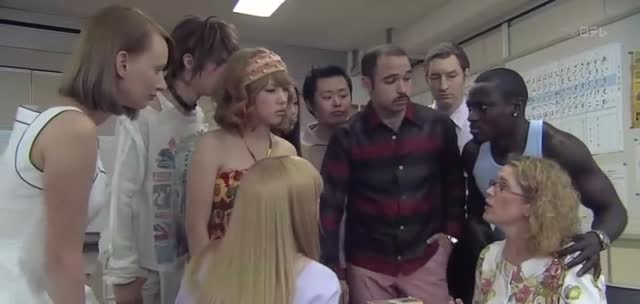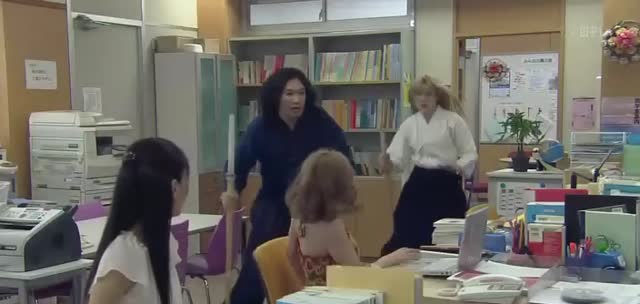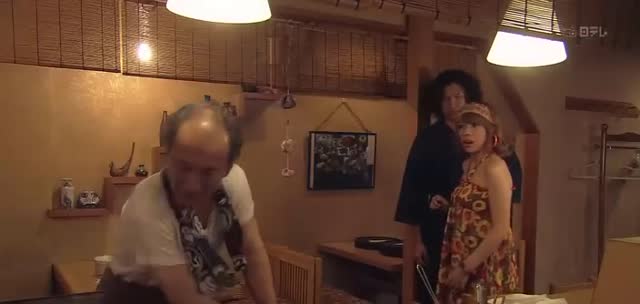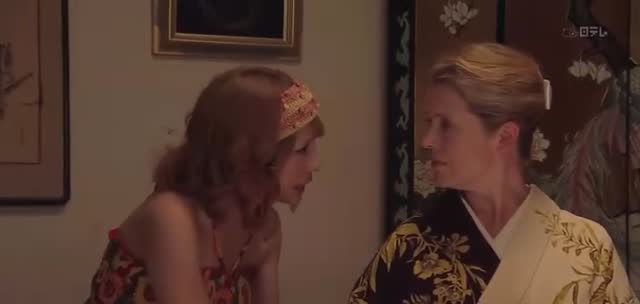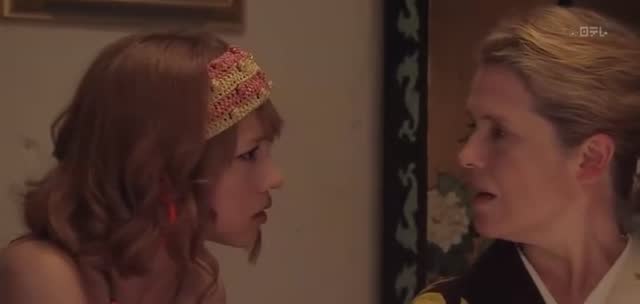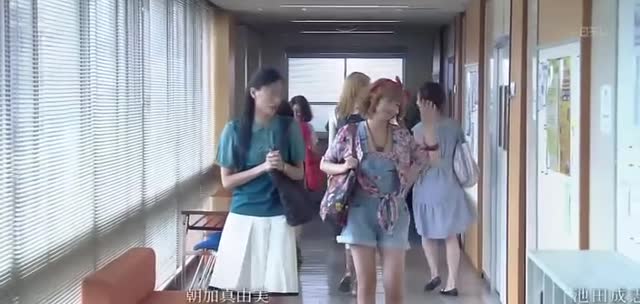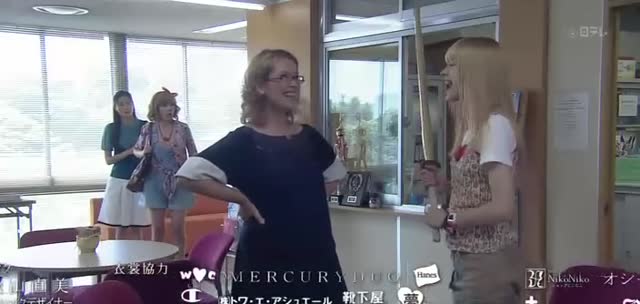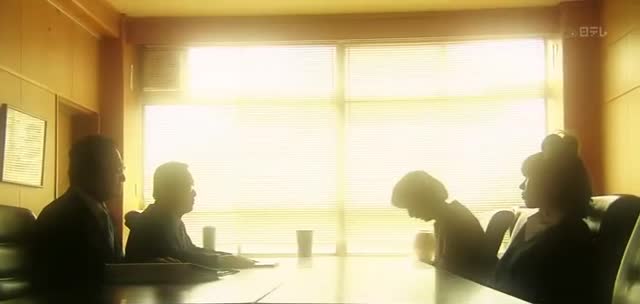
LearnWithSubs

日本人の知らない日本語 Episode 3 (page 2/2)

Scenes on this page

  1. Memory of "a teacher is like a parent"

    Scene 25 · 0:39

    Expressions: 辞めさせて頂きます, 申し訳ありませんでした, どうか退学だけは

  2. "If it weren't for the principal..."

    Scene 26 · 0:31

    Expressions: 可愛がられてた, いなかったら退学になってた, きっかけって…

  3. "Today I'm betting this"

    Scene 27 · 0:26

    Expressions: 行くなとは言わないけど, 調子に乗って, 賭けようと思います

  4. "Gambling is international custom, isn't it?"

    Scene 28 · 0:34

    Expressions: お金を賭けちゃダメなんだってば, たしなみ, 合法化されてます

  5. "If you want to gamble, go home!"

    Scene 29 · 0:30

    Expressions: 国に帰ればいいじゃない, 賭博/博打, いい?わかった?

  6. "Can you promise me?"

    Scene 30 · 0:30

    Expressions: 約束できる?, 〜てやらない, あたしとマリーの任侠

  7. "Cultural differences are dangerous too"

    Scene 31 · 0:23

    Expressions: 行ったらしいよ, 誘われたけど断った, も~う

  8. "I'm her guardian"

    Scene 32 · 0:27

    Expressions: 子供じゃあるまいし, 親なの, 知ってるなら教えてよ

  9. "Lost five million"

    Scene 33 · 0:31

    Expressions: 負けています, 〜みなさいよ

  10. "You promised me!"

    Scene 34 · 0:22

    Expressions: 指切りした, 信じてたんだぞ, 裏切る

  11. "I'm your guardian"

    Scene 35 · 0:43

    Expressions: 親代わり, どこにいんのよ, お支払いしなければ

  12. Settling it with hanafuda

    Scene 36 · 0:29

    Expressions: ケリをつける, よろしゅうござんすね, 上等よ

  13. What is "koi-koi"?

    Scene 37 · 0:40

    Expressions: こいこい, 舐めたらいかんぜよ, 取り合えずね

  14. "Teachers are parents too"

    Scene 38 · 0:23

    Expressions: ありゃしませんよ, だから心配なんです, 相手がヤクザだろうが

  15. A losing streak of "koi-koi"

    Scene 39 · 0:20

    Expressions: ドンマイ, 全然わかんないのに, 攻めていきましょうよ

  16. Five million becomes ten million

    Scene 40 · 0:27

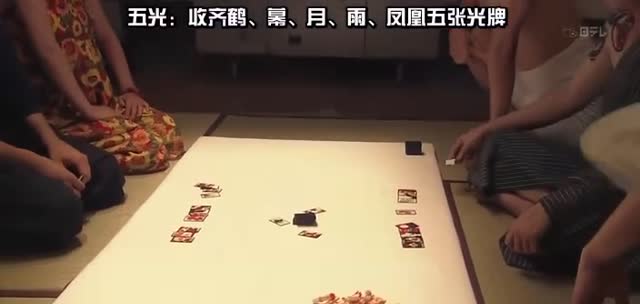
    Expressions: あっという間に, しすぎなんだもん, 五光

  17. "Pay with your body"

    Scene 41 · 0:18

    Expressions: 身体で払う, おめぇ, カトリーヌっていうんですけど

  18. "Sink this woman in the bath"

    Scene 42 · 0:41

    Expressions: 風呂に沈める, ドス, どっちだい

  19. Enter the boss

    Scene 43 · 0:36

    Expressions: ボンクラどもの親, 組長/親分, この野郎/このボンクラが

  20. "Are you clumsy too?"

    Scene 44 · 0:25

    Expressions: 不器用, お詫び申し上げます, 免じて

  21. "I kept the promise"

    Scene 45 · 0:47

    Expressions: 申し訳ございませんでした, 言うべきでした, 今さら

  22. "It was all a performance"

    Scene 46 · 0:39

    Expressions: 約束されたそうで, 味わいてぇ, 気分だけでも

  23. "Let's both keep working at it"

    Scene 47 · 0:25

    Expressions: お見送りしろ, 精進しましょう, 親として

  24. Is the "good old Japan" still around?

    Scene 48 · 0:35

    Expressions: 揉めてな, 古き良き, 今はもういねぇな

  25. The "na" in "unagi"

    Scene 49 · 0:32

    Expressions: うなぎ, 書かれてるの, ちゃ~んと

  26. "I'd like to eat eel"

    Scene 50 · 0:28

    Expressions: おごってくれんの?, ピカイチ, な~んでよ!

  27. "You've learned your lesson, right?"

    Scene 51 · 0:17

    Expressions: 懲りたでしょ

  28. The one offered up as a sacrifice

    Scene 52 · 0:19

    Expressions: おごってよ, 差し出さないでください, 脈あんじゃないの

  29. Closing: at it again

    Scene 53 · 0:12

    Expressions: ご託を並べる, ザコ/ちょこざいな, チンチロリン

  30. "I can't hear a thing"

    Scene 54 · 0:16

    Expressions: 御意, 拙者, 聞こえん

Speed
All scenes

Memory of "a teacher is like a parent"

This scene

日本人の知らない日本語 Episode 3 Memory of "a teacher is like a parent" still

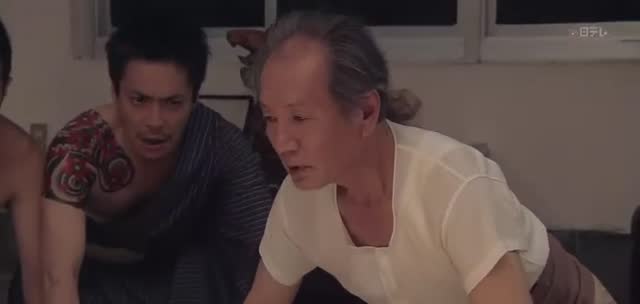
After Takasu leaves, Shibuya comforts Haruko, saying Takasu's manner is too harsh and she shouldn't take it to heart. Haruko says someone once said the same thing to her.
  1. 渋谷

    Mr. Takasu's way of putting things is too sharp... Well, don't worry about it.

  2. ハルコ/渋谷

    Someone said the same thing to me a long time ago. —Hm?

  3. ハルコ

    That a teacher is as good as a parent...

  4. 回想

    ((I am terribly sorry. She is reflecting on it herself, so—

  5. 回想

    —please, anything but expulsion... )) ((It's fine. Anyway—

  6. 回想

    —I don't think I did anything wrong.)) ((If this girl is expelled,

  7. 回想

    I will take responsibility and resign as a teacher.))

Speaking notes

辞めさせて頂きます

〜させていただく: (humble) allow me to ...

【Giving and receiving verbs + honorifics】「辞めさせて頂きます」 = "I will humbly resign" (literally, "please allow me to resign"). Structure: 辞める + causative 「させる」 + 「いただく」 (the humble form of もらう).
• 辞めます: I resign.
• 辞めさせていただきます: (respectfully asking permission) allow me to resign.
In Japanese workplaces, resignations and farewells often use this pattern, wrapping "my decision" as "please grant me permission."
Here Akimoto isn't really asking for permission; she uses the most formal honorific speech to declare, "I put my career on the line."

申し訳ありませんでした

申し訳ない: very sorry (humble apology)

「申し訳ありません」 = "I'm very sorry" (formal). 【Honorifics】 It is more formal than 「すみません」 or 「ごめんなさい」, and used at work, toward superiors, and with customers.
The past form 「〜ませんでした」 apologizes for a mistake that has already happened.
Note: Akimoto apologizes on behalf of Haruko (a student), speaking as a representative of the whole group: 「本人も反省しておりますので」 (「おります」 is the humble form of 「いる」, referring to "our side").

どうか退学だけは

どうか: please (earnestly)

「どうか〜」 = "please, I beg you ..." (an earnest plea). Often paired with 「ください」「お願いします」:
• 「どうかお許しください」 = "I beg your forgiveness."
Akimoto's words break off at 「退学だけは…」, omitting 「お許しください」.

Key vocabulary

申し訳ない もうしわけない
I am very sorry.
退学 たいがく
Expulsion; withdrawal from school.
反省 はんせい
Reflection; self-reproach.
責任 せきにん
Responsibility.
気にする きにする
To mind; to worry about.

↑ Scenes on this page

"If it weren't for the principal..."

This scene

日本人の知らない日本語 Episode 3 "If it weren't for the principal..." still

Haruko recalls the line "a teacher is as good as a parent" and says she would have been expelled if not for Principal Akimoto. Shibuya says her wish to become a high school teacher also comes from the principal.
  1. 回想

    ((No, you needn't go that far.)) ((No. I believe a teacher is

  2. 回想

    as good as a parent.))

  3. 渋谷

    You were doted on by the principal, weren't you.

  4. ハルコ

    If it hadn't been for Ms. Akimoto, I'd have been expelled.

  5. 渋谷

    As for what made you aim to be a high school teacher... it's Principal Akimoto, isn't it?

  6. 渋谷/ハルコ

    Right? —Yeah.

Speaking notes

可愛がられてた

passive of 可愛がる: to be doted on

「可愛がられる」 = to be doted on (by an elder or superior). The passive emphasizes "receiving affection":
• 「祖父に可愛がられた」 = "I was doted on by my grandfather."

いなかったら退学になってた

〜なかったら〜ていた: if not for ..., I would have ...

「いなかったら退学になってた」 = "If she hadn't been there, I'd have been expelled." This is a counterfactual conditional, 「〜なかったら + 〜ていた」: supposing the opposite of something that did happen, to stress "luckily."
• 「雨が降らなかったら行っていた」 = "If it hadn't rained, I'd have gone."

きっかけって…

〜って…: speaking of ... (topic marker)

「きっかけって…秋元校長だろ」 = "As for the trigger... it's Principal Akimoto, right?" 「って」 pulls 「きっかけ」 out as the topic, followed by a guess.
Shibuya uses 「だろ」 and 「そうだろ?」 in succession: asking for confirmation, and also handing the conversation to Haruko.

Key vocabulary

可愛がる かわいがる
To dote on; to cherish.
目指す めざす
To aim for.
きっかけ
Trigger; opportunity.
退学になる たいがくになる
To be expelled.
校長 こうちょう
Principal.

↑ Scenes on this page

"Today I'm betting this"

This scene

日本人の知らない日本語 Episode 3 "Today I'm betting this" still

The students bring up going to that bar again. Haruko gives a warning, and Marie takes something out of her bag.
  1. ハルコ/マリー

    Haruko, are you going to the oden place again today?

  2. ハルコ

    Listen... I'm not saying don't go, but—

  3. ハルコ

    —don't get carried away and go too far, okay?

  4. マリー

    Today... I'm thinking of betting this.

  5. 生徒たち/ハルコ

    (commotion) —Huh?

  6. ハルコ/マリー

    How much is that? —For starters, ten million yen.

Speaking notes

行くなとは言わないけど

〜とは言わない: I'm not saying that ...

「行くなとは言わないけど」 = "I'm not saying don't go, but ..." 「〜とは言わない」 is a concession meaning "not to that extent," followed by "but ...".
「行くな」 is the prohibitive form ("don't go"), and 「〜とは」 quotes it and negates it: "I didn't say 'don't go.'"

調子に乗って

調子に乗る: to get carried away

「調子に乗って」 = "getting carried away." Here it is a warning rather than a scolding.
• 「〜すぎる」: too much
• 「あんまり〜したらダメ」: don't overdo it
「あんまり」 is the colloquial emphatic form of 「あまり」, followed by a negative.

賭けようと思います

〜ようと思う: I'm thinking of ...

「賭けようと思います」 = "I'm thinking of betting." Volitional form + 「と思う」 expresses the speaker's resolve or plan:
• 「やろうと思います」 = "I'm planning to do it."
Marie speaks extremely calmly, as if announcing something perfectly natural: "Today I intend to bet this."
Note that Marie always uses polite form to Haruko, while the content is the opposite of "modest."

Key vocabulary

おでん
Oden (Japanese hotchpotch stew).
無茶 むちゃ
Reckless; excessive.
賭ける かける
To bet; to gamble.
とりあえず
For now; for starters.
千万 せんまん
Ten million.

↑ Scenes on this page

"Gambling is international custom, isn't it?"

This scene

日本人の知らない日本語 Episode 3 "Gambling is international custom, isn't it?" still

Marie, carrying a stack of bills, heads off to gamble at hanafuda. Haruko cries out that she can't, but the students line up on Marie's side one after another, saying gambling is an international custom.
  1. ポール/王

    Ten million?! —You could eat mapo tofu for the rest of your life.

  2. 生徒/ハルコ

    Give it to me. —Hey, hold on... you can't bet money, I'm telling you!

  3. マリー

    Why? Pachinko and horse racing are fine, aren't they?

  4. マリー

    Besides, gambling is an accomplishment of high society.

  5. ハルコ/マリー

    In France that may be true, but...

  6. 生徒

    In America, too, it's legal in some states.

  7. ハルコ/生徒

    That may be, but! —China has Hong Kong and Macau where you can do it, right?

  8. ハルコ

    If you're going to gamble, go to Vegas or Italy!

Speaking notes

お金を賭けちゃダメなんだってば

〜ちゃダメ: you must not ...

「賭けちゃダメ」 is the colloquial contraction of 「賭けてはダメ」. 「〜てはダメ」 = prohibition:
• 食べてはダメ → 食べちゃダメ ("you mustn't eat it")
• 見てはダメ → 見ちゃダメ ("you mustn't look")
「〜んだってば」 = "I keep telling you, no!", an urging toward someone who won't listen.

たしなみ

たしなみ: refinement, accomplishment

「たしなみ」 = a refinement or interest one is expected to have as part of good breeding. • 「お茶のたしなみ」 = "some training in the tea ceremony"
• 「酒をたしなむ」 = "to enjoy sake in moderation"
【Contrast】「趣味」 is a personal hobby; 「たしなみ」 is cultivation one "ought to have a little of," leaning toward social norms.

合法化されてます

〜化 + される: to be made ...

「合法化されている」 = "has been legalized." 「〜化(か)」 is a suffix that turns a noun into "...ization":
• 合法化 / 民営化 / 国際化
• 「〜化される」 = to be made ...

Key vocabulary

賭ける かける
To bet; to gamble.
競馬 けいば
Horse racing.
社交界 しゃこうかい
High society.
たしなみ
Accomplishment; refinement; a hobby.
合法化 ごうほうか
Legalization.

↑ Scenes on this page

"If you want to gamble, go home!"

This scene

日本人の知らない日本語 Episode 3 "If you want to gamble, go home!" still

The students list countries with casinos. Haruko finally loses patience and tells them to go gamble in their home countries.
  1. 生徒

    "Casino" is an Italian word. —Russia has them too!

  2. 生徒

    Britain's also fine, to a certain extent.

  3. 生徒たち/ボブ

    That's right! —True, true.

  4. ハルコ

    If you want to do it that badly, why don't you just go home!

  5. ハルコ

    In Japan, it's called "tobaku" or "bakuchi," and betting money is a crime!

  6. ハルコ

    Even once! If the police find you, you'll be deported, you hear?

  7. ハルコ

    Okay? You all want to graduate together, right? Understood?

Speaking notes

国に帰ればいいじゃない

〜ばいいじゃない: then just ... (said in frustration)

「国に帰ればいいじゃない!」 = "If you want to gamble, why don't you just go home!" 「〜ばいい」 means "it'd be fine if you ...," and adding 「じゃない」 makes it a suggestion with a hint of pique.

賭博/博打

賭博 (tobaku) / 博打 (bakuchi)

「賭博」 and 「博打」 both mean gambling; the former is formal / legal language, the latter is colloquial / traditional.
• 賭博: a legal term (賭博罪, the crime of gambling)
• 博打: colloquial, with an underworld flavor
• ギャンブル: a loanword, neutral
Haruko deliberately uses two Japanese words, then contrasts them with the loanword, to stress: "In Japan this is called 賭博 / 博打, and it's a crime."

いい?わかった?

the teacher's check-in: いい?/わかった?

「いい?みんな一緒に卒業したいでしょ。わかった?」 is Haruko's wrap-up for the whole class: first 「いい?」 to get attention, then 「〜でしょ」 to persuade through a shared goal, and finally 「わかった?」 to confirm.

Key vocabulary

ある程度 あるていど
To a certain extent.
博打 ばくち
Gambling.
犯罪 はんざい
Crime.
確か たしか
Indeed; certainly.
見つかる みつかる
To be found out; to be discovered.

↑ Scenes on this page

"Can you promise me?"

This scene

日本人の知らない日本語 Episode 3 "Can you promise me?" still

Haruko tells everyone to take their seats, then speaks to Marie. She doesn't scold her or lecture her; she just asks whether Marie can make a promise with her.
  1. 生徒たち/ハルコ

    Yes. —Okay, everyone, take your seats! Quickly! Quickly.

  2. ハルコ

    Hey, Marie.

  3. ハルコ

    Can you promise me you won't play for money?

  4. マリー

    But ninkyo...

  5. ハルコ

    This is ninkyo between you and me, okay?

  6. マリー

    I understand.

Speaking notes

約束できる?

〜できる?: can you (really do it)?

「約束できる?」 = "Can you promise me?" The potential-form question is neither a command nor a request, but "are you able, and willing, to do it?"

〜てやらない

〜てやらない: not playing (with stakes)

「お金を賭けてやらない」 = "not play while betting money." Here 「〜てやる」 means "to play (the game) while doing something," and is different from the 「やってやる」 of "I'll do it out of spite":
• 「お金を賭けてやる」 = to play for money
• 「お金を賭けずにやる」 = to play without betting money
Haruko's word order is a bit tangled; she means: playing is fine, but don't bet money.

あたしとマリーの任侠

another use of 任侠

Haruko borrows Marie's favorite word 「任侠」 and turns it into "good faith": "This is ninkyo between you and me." In Japanese, 「任侠」 originally means "valuing good faith and human feeling", not "the yakuza."
Grammatically, 「〜の任侠」 turns "you and me" into the possessor, establishing a code that exists only between the two of them.

Key vocabulary

約束 やくそく
Promise.
席 せき
Seat.
任侠 にんきょう
Chivalry; good faith.
賭けてやる かけてやる
To play (while betting).
わかりました
Understood.

↑ Scenes on this page

"Cultural differences are dangerous too"

This scene

日本人の知らない日本語 Episode 3 "Cultural differences are dangerous too" still

After school, Haruko, Shibuya, and Katori relax in the staff room, thinking the matter is settled. Haruko says that since they made a promise, it should be fine.
  1. ハルコ/鹿取

    That was close. —Cultural differences are dangerous too.

  2. ハルコ

    Well, I think it'll be fine, since we made a promise.

  3. 鹿取

    Ms. Haruko!

  4. 鹿取

    I hear Marie took money and went to that bar.

  5. ハルコ/鹿取

    No way! —She invited me too, but—

  6. 鹿取/ハルコ

    —I turned her down because I have kendo. —Good for you!

  7. ハルコ

    Oh, come on! We made a promise!

Speaking notes

行ったらしいよ

〜らしい: I hear that ...

【そう / よう / みたい / らしい】「あの店に行ったらしいよ」 = "I hear she went to that bar." With 「〜らしい」, she shows this is something heard from someone else.
• 行ったよ: I know she went
• 行ったらしいよ: I hear she went (I didn't see it myself)

誘われたけど断った

passive + けど: I was invited, but ...

「誘われたけど断った」 = "I was invited, but I turned it down." The passive 「誘われる」 stresses the fact of "being invited," while 「断る」 is the active refusal.
「えらい!」 is praise meaning "good for you / well done"; it can be said to juniors or students but not to superiors (to a superior you would say 「すごいですね」).

も~う

もう (drawn out): exasperation

「も~う」 = "Oh, honestly!" (with vexation and helplessness). The drawn-out 「もう」 means "it's happened again":
• 「もう、また忘れたの?」 = "Honestly, you forgot again?"
Haruko's 「約束したのに!」: 「〜のに」 = "even though ...", carrying the disappointment of being let down.

Key vocabulary

危ない あぶない
Dangerous.
誘う さそう
To invite.
断る ことわる
To refuse; to decline.
えらい
Admirable; praiseworthy.
危険 きけん
Dangerous.

↑ Scenes on this page

"I'm her guardian"

This scene

日本人の知らない日本語 Episode 3 "I'm her guardian" still

Haruko asks Shibuya and Katori where those people's office is. They tell her to leave Marie alone, but she won't back down.
  1. ハルコ

    Hey, mister. Those people from the other day... is it called an "office"?

  2. ハルコ

    Do you know where it is?

  3. 渋谷

    She wouldn't go, would she? To a yakuza office.

  4. ハルコ

    She might not think it's a dangerous place, you know!

  5. 鹿取

    Why not just leave her alone? It's not like she's a child.

  6. ハルコ

    She is a child! I'm Marie's parent. I'm responsible!

  7. ハルコ

    If you know, tell me, mister.

Speaking notes

子供じゃあるまいし

〜じゃあるまいし: it's not as if you were ...

「子供じゃあるまいし」 = "It's not like she's a child." The pattern 「〜じゃあるまいし」 (noun + じゃあるまいし) is used to push back against treating someone as ...:
• 「初心者じゃあるまいし」 = "it's not as if you were a beginner"
It is a slightly reproachful colloquialism, often with the tone of "you ought to be able to handle this yourself."
Katori uses it to urge Haruko to drop it, and Haruko fires right back with 「子供なの!」: "She is a child!"

親なの

「親」: claiming responsibility

「あたしはマリーの親なの。責任があるの。」 Note the structure:
• 〜なの: assertion + explanation (feminine tone)
• 責任がある: to be responsible

知ってるなら教えてよ

〜なら〜てよ: if you know, then tell me

「知ってるなら教えてよ」 = "If you know, tell me." 「〜なら」 follows a state the other person has already shown: since you know...
「教えてよ」 is a request with 「よ」, and sounds urgent.

Key vocabulary

事務所 じむしょ
Office.
放っておく ほうっておく
To leave alone.
子供 こども
Child.
親 おや
Parent; guardian.
責任 せきにん
Responsibility.

↑ Scenes on this page

"Lost five million"

This scene

日本人の知らない日本語 Episode 3 "Lost five million" still

Haruko finds the "office," pushes open the door, sees cards piled in front of Marie, and hears that she has lost five million.
  1. ハルコ

    Hold on, hold on... here, here, here!

  2. ハルコ

    Look! Go on in and see!

  3. ハルコ/マリー

    Marie! —Haruko?!

  4. ハルコ

    What is this?

  5. マリー

    Right now, I am down five million.

  6. ハルコ

    Five million?!

Speaking notes

負けています

〜ている: currently losing

「負けています」 = "I am (currently) losing." 「〜ている」 expresses the continuation of a resulting state:
• 「負けた」: lost (an event)
• 「負けている」: is losing (the state is still ongoing)
Note that she says 「5百万」 rather than 「5百万円」: dropping the unit is a colloquial habit in finance and at casinos.

〜みなさいよ

〜てみなさい: go and see (command)

「早く行ってみなさいよ」 = "Hurry up and go look!" 「〜なさい」 is the standard top-down command form, and 「よ」 adds urgency.

Key vocabulary

ちょちょちょ
Hold on, hold on (colloquial).
負ける まける
To lose.
五百万 ごひゃくまん
Five million.
これって
What is this...? (asking for confirmation)
早く はやく
Quickly; hurry.

↑ Scenes on this page

"You promised me!"

This scene

日本人の知らない日本語 Episode 3 "You promised me!" still

Haruko tries to take Marie home and tells Fujita she won't pay. Holding back her anger, she first asks Marie a question.
  1. ハルコ/藤田

    Let's go home. —Wait up.

  2. ハルコ/藤田

    I won't pay the money! —What?

  3. ハルコ

    Wait.

  4. ハルコ

    You promised me, right? You pinky-swore with me, right?

  5. ハルコ

    That you'd absolutely never bet money.

  6. ハルコ/マリー

    I trusted you, Ms. Haruko. —And you betrayed that.

Speaking notes

指切りした

指切り: a pinky promise

「指切り(ゆびきり)」 = a pinky-swear promise. It is a Japanese way of sealing a promise, with the rhyme 「指切りげんまん、嘘ついたら針千本飲ます」 ("pinky swear, if you lie, you swallow a thousand needles").
Note the 「〜よね?」: pressing by asking for confirmation, a Japanese form of "gentle accountability."

信じてたんだぞ

〜んだぞ: I'm telling you, I ...

「信じてたんだぞ」 = "I trusted you, you know." 「〜んだぞ」 is a masculine tone of emphatic explanation, and here it is a movie line Marie plays out (imitating a betrayed boss):
• 信じてたんだぞ: I trusted you
• 裏切ったんだ: and you betrayed me

裏切る

裏切る: to betray

「裏切る」 = to betray (trust, a promise). • 「友達を裏切る」 = "to betray a friend"
• 「期待を裏切る」 = "to let down expectations"

Key vocabulary

指切り ゆびきり
Pinky promise.
信じる しんじる
To believe; to trust.
裏切る うらぎる
To betray; to let down.
払う はらう
To pay.
待つ まつ
Wait.

↑ Scenes on this page

"I'm your guardian"

This scene

日本人の知らない日本語 Episode 3 "I'm your guardian" still

Haruko tells Marie that she may be much younger than her and not very dependable, but that she is standing in as her parent.
  1. ハルコ

    Listen, Marie, I might be a lot younger than you.

  2. ハルコ

    I might not be very reliable. But I'm standing in for your parents.

  3. ハルコ

    What parent would ever want to turn a precious child into a criminal?!

  4. マリー

    Haruko...

  5. ハルコ/マリー

    Let's go home. —But... I must pay the money.

  6. ハルコ

    You don't have to pay anything like that!

  7. 藤田

    Don't go saying whatever you please!

  8. ハルコ/藤田

    How is this ninkyo?! They're just punks!

Speaking notes

親代わり

〜代わり: standing in for ...

「親代わり」 = a stand-in for a parent. • 「父親代わり」 = "a father figure"
• 「Aの代わりに」 = "in place of A"
After admitting that she is "inexperienced and maybe unreliable," Haruko uses 「だけど」 to turn to "but I'm your 親代わり."

どこにいんのよ

〜んのよ: a rhetorical "where is there ...?"

「どこにいんのよ!」 = the colloquial form of 「どこにいるのよ」. The pattern 「どこに〜のよ」 is a rhetorical question meaning "there's no such thing":
• 「そんな人がどこにいるの?」 = "Where would you find such a person?"
Haruko poses the question "parents who want to make their child a criminal" and answers it herself: "nowhere."

お支払いしなければ

お〜する + なければ(ならない): I must pay

「お支払いしなければ(ならない)」 = "I must pay." 【Honorifics】「お支払いする」 is a humble form (お + verb stem + する), and Marie talks about a "gambling debt" in the standard business honorific.

Key vocabulary

年下 としした
Younger; of a lower age.
頼りない たよりない
Unreliable.
犯罪者 はんざいしゃ
Criminal.
チンピラ
A punk; a small-time thug.
勝手 かって
Selfish; as one pleases.

↑ Scenes on this page

Settling it with hanafuda

This scene

日本人の知らない日本語 Episode 3 Settling it with hanafuda still

Haruko and Fujita are nearly at blows when Marie calls out in an elegant old-fashioned voice for an end to the fighting.
  1. 藤田

    What the hell?!

  2. マリー

    Stop this quarrel!

  3. マリー

    Let's settle it with hanafuda!

  4. 藤田/ハルコ

    What? —Huh?

  5. マリー

    Is that acceptable to you?

  6. 藤田

    Yeah.

  7. ハルコ

    Fine by me! Let's do it!

  8. ハルコ/鹿取

    Me?!

Speaking notes

ケリをつける

ケリをつける: to settle once and for all

「ケリをつける」 = to settle a matter for good.
• 「決着をつける」 = "to decide the outcome"
• 「ケリがつく」 = "the matter is settled"

よろしゅうござんすね

よろしゅうござんす: is that all right? (old-style)

「よろしゅうござんすね」 = "Is that agreeable to you?" 「よろしゅう」 is the ウ-onbin form of 「よろしく」 (「よろしい」 + 「ございます」 → 「よろしゅうございます」), and 「ござんす」 is the Edo-style variant.
The whole phrase is the most archaic "polite confirmation":
• よろしいですか → よろしゅうござんすね

上等よ

上等: bring it on (a challenge)

「上等(じょうとう)よ!」 = "Bring it on!" (gladly accepting a challenge). Originally meaning "first-class," in delinquent and yakuza slang it means "fine by me."
Haruko follows with 「やってやろうじゃないの」 (「〜てやる」 + 「ようじゃないか」): "Fine, I'll show you!"

Key vocabulary

喧嘩 けんか
A quarrel; a fight.
ケリをつける
To settle; to bring to a close.
上等 じょうとう
Fine by me; bring it on.
やる
To do; to play; to take on.
よろしい
Acceptable; all right.

↑ Scenes on this page

What is "koi-koi"?

This scene

日本人の知らない日本語 Episode 3 What is "koi-koi"? still

Haruko wins on her first hand, but she knows nothing about the rules of "koi-koi" and has to ask as she plays. Fujita asks whether she wants to go "koi-koi."
  1. ハルコ

    All right, sanko!

  2. 藤田

    Not bad, kid. Koi-koi?

  3. ハルコ

    No, I'll stop here.

  4. 鹿取/ハルコ

    Did you win? —For now, yes.

  5. ハルコ

    Don't underestimate Japanese teachers!

  6. ハルコ/マリー

    You mustn't! —You mustn't...

  7. ハルコ

    Marie.

  8. ハルコ

    What's "koi-koi"?

  9. マリー

    It means you continue the game.

  10. マリー/ハルコ

    You can get more points. —Okay, okay!

Speaking notes

こいこい

こいこい: (hanafuda) keep playing; "come, come"

「こいこい」 is a term in the hanafuda game "koi-koi": once you complete a yaku (scoring combination), you can either 「上がる」 (end the round and take your points) or 「こいこい」 (keep playing for a higher score).
• あがる: quit while you're ahead
• こいこい: continue (riskier, more points)
「来い来い」 originally means "come, come!", here asking the cards for more.

舐めたらいかんぜよ

舐めたらいかんぜよ: don't underestimate me

「舐めたらいかんぜよ」 = "Don't underestimate (us)." 「舐める」 = to look down on someone (literally "to lick"); 「いかん」 is a dialect form of 「いけない」; 「ぜよ」 is a sentence-ending particle of Tosa (Kochi) dialect.
Haruko borrows it for "Japanese-language teachers," with the confidence of "you're underestimating me, but I'm a Japanese teacher."

取り合えずね

取りあえず: for now, to begin with

「取りあえず」 = for the time being, for now. Also written 「とりあえず」.
• 「取りあえずビール」 = "beer for now" (a first order)
When Katori asks 「勝ったの?」 and Haruko answers 「取り合えずね」, she is using a modest tone to say "I've won, for now."

Key vocabulary

三光 さんこう
(Hanafuda) sanko (a scoring combination).
あがる
(Hanafuda) to end the round and take points.
舐める なめる
To look down on; to lick.
勝負 しょうぶ
Match; game.
点数 てんすう
Points; score.

↑ Scenes on this page

"Teachers are parents too"

This scene

日本人の知らない日本語 Episode 3 "Teachers are parents too" still

At the card table, Takasu asks Hanaoka why he let the students come here. Hanaoka says nothing will happen because he trusts his own people.
  1. 鷹栖

    Why did you let them go?

  2. 花岡

    Nothing will happen. I trust that bunch.

  3. 鷹栖

    Our teachers trust the students too.

  4. 花岡/鷹栖

    Then there's nothing to worry about... —That's exactly why I'm worried.

  5. 鷹栖

    If anything happens to the students, even if the other side is yakuza—

  6. 鷹栖

    —that idiot woman will charge right at them.

Speaking notes

ありゃしませんよ

〜ありゃしない: there's no such thing at all

「何にもありゃしませんよ」 = "Nothing's going to happen." A colloquial variant of 「〜はしない」: 「ありはしない」 → 「ありゃしない」, a strong denial that something exists:
• 「そんなことありゃしない」 = "There's no such thing."

だから心配なんです

だから: that's exactly why (an implied 〜からこそ)

「だから心配なんです」 = "That's exactly why I'm worried." Hanaoka says 「信じてますから」, Takasu replies 「うちの教師も生徒のことを信じてますよ」 (our teachers trust the students too), and adds 「だから心配なんです」: trust and worry are not contradictory.
「〜なんです」 is an explanatory tone that gives the reason weight.

相手がヤクザだろうが

〜だろうが: even if it is ...

「相手がヤクザだろうが」 = "even if the other side is yakuza." 「〜だろうが」 is a concessive condition, often followed by a verb expressing "no matter what, she will ...":
• 「雨だろうが行く」 = "I'll go even if it rains."
Takasu calls Haruko 「あのバカ女」: the tone is an insult, but the content is praise.

Key vocabulary

連中 れんちゅう
That bunch; those people.
信じる しんじる
To believe; to trust.
向かう むかう
To face; to head toward.
バカ女 ばかおんな
Idiot woman (rude).
心配 しんぱい
Worry.

↑ Scenes on this page

A losing streak of "koi-koi"

This scene

日本人の知らない日本語 Episode 3 A losing streak of "koi-koi" still

Haruko has learned "koi-koi" but is being crushed, and Fujita keeps telling her to go on.
  1. 藤田/ハルコ

    All right, akatan! Koi-koi!

  2. 生徒/ハルコ

    Koi-koi! —No, no... no, that's wrong, that's wrong.

  3. 藤田

    Flower-viewing sake plus moon-viewing sake. That's double.

  4. ハルコ

    You shouldn't go koi-koi when you don't understand anything!

  5. ハルコ/生徒

    Don't mind! Don't mind!! Come on, let's attack hard!

Speaking notes

ドンマイ

ドンマイ: "Don't mind"; never mind

「ドンマイ」 comes from the Japanese-made English "Don't mind," meaning "never mind, it's okay." It is mostly used in sports to comfort a teammate who made a mistake: 「ドンマイ!次いこう!」.
Note: in English, "Don't mind" is not used this way (English would say "Never mind"); it is a 「和製英語」 that the Japanese created themselves.

全然わかんないのに

〜のに: even though you ... (reproach)

「全然わかんないのにこいこいしちゃダメ」 = "You shouldn't go koi-koi when you don't understand at all." 「全然」 + a negative: not at all.
• 「わかんない」 = 「わからない」 (contracted)

攻めていきましょうよ

〜ていきましょう: let's keep ...ing

「攻めていきましょうよ」 = "Let's go on the attack!" 「〜ていく」 shows an action continuing into the future, 「〜ましょう」 is an invitation, and 「よ」 adds encouragement.
It is a pattern often used by team captains and cheering squads: "let's keep going together."

Key vocabulary

赤短 あかたん
(Hanafuda) akatan (a scoring combination).
倍付け ばいづけ
(Gambling) double payment.
ドンマイ
Never mind (Japanese-made English).
全然 ぜんぜん
Not at all; entirely.
攻める せめる
To attack.

↑ Scenes on this page

Five million becomes ten million

This scene

日本人の知らない日本語 Episode 3 Five million becomes ten million still

The game is over and Haruko has lost badly. Fujita says the debt of five million has turned into ten million in no time.
  1. 生徒たち

    Koi-koi! Koi-koi!

  2. 生徒たち/ハルコ

    Koi-koi! Koi-koi! —No, no...

  3. 生徒たち

    Koi-koi? Koi-koi?

  4. 生徒たち

    Koi-koi... Koi-koi...

  5. 藤田

    Goko. It's settled.

  6. ハルコ

    It's all gone!

  7. ハルコ

    It's because you made me koi-koi too much!

  8. 藤田

    Five million, in the blink of an eye, is ten million.

Speaking notes

あっという間に

あっという間に: in the blink of an eye

「あっという間に」 = in the blink of an eye. 「あっ」 is a gasp of surprise, and 「という間」 means "in the instant it takes to say 'ah.'"
• 「あっという間に終わった」 = "It was over in no time."
Fujita uses it to describe the speed at which the debt doubled: losing money so fast there was no time to react.

しすぎなんだもん

〜すぎなんだもん: because it's too much, you know

「こいこいし過ぎなんだもん」 = "Because you made me go koi-koi too much!" The sentence-final 「〜もん」 is a colloquial ending for pouting or justifying: "it's because ..., you know."
Haruko shifts the blame in a childish tone: "It's not my fault, you made me keep going!"

五光

五光: goko, the highest hanafuda yaku

「五光(ごこう)」 = the combination of all five "bright" cards, the highest yaku in hanafuda.
「決まりだな」 = "That settles it." (The result is fixed and can't be changed.) In Japanese, 「決まり」 is often used to announce a "done deal."

Key vocabulary

あっという間 あっというま
In the blink of an eye.
五光 ごこう
(Hanafuda) goko (the highest yaku).
決まり きまり
Settled; decided.
〜すぎ
Excess; too much.
もん
(Colloquial) you know; because.

↑ Scenes on this page

"Pay with your body"

This scene

日本人の知らない日本語 Episode 3 "Pay with your body" still

Fujita demands that Haruko pay back the debt. She has no money, and Fujita says paying with her body would be fine too. Haruko asks if he means a tuna fishing boat.
  1. 藤田

    What'll you do? You could pay with your body, you know.

  2. ハルコ

    What?! Are you telling me to get on a tuna fishing boat?!

  3. 藤田/ハルコ

    I don't mean you. —Please spare me.

  4. 藤田

    I don't mean you, either. I'm talking to the lady over there.

  5. ハルコ

    No, no... there are better women than me!

  6. ハルコ/藤田

    She's called Catherine. —Hey!

Speaking notes

身体で払う

〜で払う: to pay by means of ...

「身体で払う」 = to pay off a debt with one's body (labor or physical service). In yakuza stories, it usually hints at being sold into labor or worse. Haruko takes it to mean "being sent off to work on an ocean-going fishing boat."
What Fujita really means points to "the more dangerous kind," so he promptly denies it: 「おめぇじゃねぇよ」 ("I don't mean you").

おめぇ

おめぇ: you (rough)

「おめぇ」 = a rough pronunciation of 「お前」. It is Edo-style colloquial speech, common among yakuza, craftsmen, and delinquents:
• お前(まえ)→ おめえ/おめぇ
Fujita's 「おめぇじゃねぇよ/おめぇでもねぇよ」 are perfectly parallel sentences, with a comic rhythm.
「ねぇ」 is the rough contraction of 「ない」, also Edo-style: 〜ねえ = 〜ない.

カトリーヌっていうんですけど

selling out a colleague: Haruko's final move

In her panic, Haruko pushes "Catherine" (Katori) forward: 「いい女がいるんですよ!」 ("there's a better woman!").
Note her pattern: 「〜よりもね いい女がいる」 ("there's someone better than ..."), first modest about herself, then recommending someone else.
「〜っていうんですけど」 = "called ...", the introduction tone of a salesperson.

Key vocabulary

身体 からだ
Body.
漁船 ぎょせん
Fishing boat.
堪忍 かんにん
Forgiveness; mercy.
姉ちゃん ねえちゃん
Young lady (colloquial).
おめぇ
You (rough).

↑ Scenes on this page

"Sink this woman in the bath"

This scene

日本人の知らない日本語 Episode 3 "Sink this woman in the bath" still

Fujita points at Katori and asks if she is a foreigner. On hearing she is Japanese, he orders his men to sink her in the bath.
  1. 藤田/鹿取

    Is she a foreigner? —I'm Japanese.

  2. 藤田/手下

    Sink this woman in the bath. —Yes, sir. —Yes, sir.

  3. ハルコ/鹿取

    No! Wait... wait a moment, wait! Stop!

  4. ハルコ

    Wait, wait...

  5. マリー

    Is this a dosu?

  6. ハルコ

    Wait... this is no time to be interested in something like that!

  7. 藤田

    Ten million: are you paying or not? Which is it?!

Speaking notes

風呂に沈める

風呂に沈める: (yakuza slang) to force a woman into the sex trade

「風呂に沈める」 is yakuza slang for sending a woman in debt to work in a bathhouse-type sex establishment (soapland) to pay it off. Literally it means "to sink in the bath," a euphemism hinting at forcing someone into prostitution.
「沈める」 = to make something sink; 「〜ろ」 is the imperative. Fujita only has to say one line, and his men answer "へい!"

ドス

ドス: (yakuza) a dagger

「ドス」 = a short blade or dagger used by yakuza.

どっちだい

〜だい: a masculine question particle

「どっちだい!」 = "Which one is it?!" 「〜だい」 is a sentence-final question particle in Edo-style male speech, more forceful than a plain 「〜だ?」:
• 「何だい」 = "What is it?"
• 「どうしたい」 = "What's the matter?"

Key vocabulary

風呂 ふろ
A bath; a bathtub.
沈める しずめる
To sink (something).
ドス
A dagger (yakuza slang).
興味 きょうみ
Interest.
場合 ばあい
Occasion; time (for something).

↑ Scenes on this page

Enter the boss

This scene

日本人の知らない日本語 Episode 3 Enter the boss still

Fujita panics, and after Hanaoka roars "You dunce!", Takasu appears and tells Haruko that this man is the head of the Hanaoka-gumi.
  1. ハルコ

    Mister...

  2. 藤田

    No, this is, um, uh...

  3. 鷹栖/花岡

    You idiot!!

  4. ハルコ/鷹栖

    Mr. Takasu?!

  5. 鷹栖

    That man is the boss of the Hanaoka-gumi.

  6. ハルコ/生徒

    The boss?! The boss?!

  7. マリー

    Is he the head of the yakuza?

  8. 花岡

    Yes, that's right. I'm the father of these dunces.

Speaking notes

ボンクラどもの親

ボンクラどもの親: 〜ども

「このボンクラどもの親です」 = "I'm the father of these dunces."
「〜ども」 is a plural suffix, either deprecating or humble:
• 「私ども」 = "we" (humble)
• 「馬鹿ども」 = "you idiots"
Hanaoka calls his men 「ボンクラども」 and at the same time calls himself their 「親」: not mockery, but the oyabun-kobun relationship of the underworld.

組長/親分

組長 = boss; 親分 = boss (in relationship)

「組(くみ)」 = a yakuza gang, and 「組長」 = the head of a gang. 「親分」 = the "boss" as defined by a relationship (the counterpart of 「子分」).
• 組長: a title
• 親分: a relationship
When Marie asks 「ヤクザの親分ですか?」, she is using a term she learned from the movies, and Hanaoka answers 「そうです」 but with 「このボンクラどもの親です」: he chooses the plainer self-description 「親」.

この野郎/このボンクラが

〜が!: an angry, name-calling が

「このボンクラが!!」 = "You dunce!" The sentence-final 「が」 is an angry address: it treats the other person as the target of the scolding, naming them directly:
• 「このバカが!」 = "You fool!"

Key vocabulary

組長 くみちょう
Boss of a gang (yakuza).
親分 おやぶん
Boss; patriarch.
花岡組 はなおかぐみ
Hanaoka-gumi (the name of a gang).
〜ども
... (plural suffix, deprecating or humble).
親 おや
Parent; boss.

↑ Scenes on this page

"Are you clumsy too?"

This scene

日本人の知らない日本語 Episode 3 "Are you clumsy too?" still

Takasu and Hanaoka stand face to face at the card table, a teacher and a yakuza boss. Takasu says he is apologizing on behalf of the students' "parents."
  1. マリー/ハルコ

    Are you clumsy, too? —What?

  2. ハルコ

    No, I'm not Ken-san.

  3. 鷹栖

    I apologize for the trouble we've caused you.

  4. 藤田/花岡

    Boss! —You lot, shut up!

  5. 鷹栖

    On behalf of their parents, I offer my apologies.

  6. 鷹栖

    Please, for the sake of this old fool, forgive them.

Speaking notes

不器用

不器用: clumsy, awkward in dealing with people

「不器用(ぶきよう)」 = clumsy with one's hands; unable to adapt, not good at smooth talk.

お詫び申し上げます

申し上げる: humble form of 言う

【Honorifics】「お詫び申し上げます」 = "I offer my apologies." 「申し上げる」 is the humble form of 「言う」 (even more polite):
• 言う → 申す (humble)
• 言う → 申し上げる (humble, toward the listener)
• 「お詫び申し上げます」 = puts the act of apologizing very low
Takasu uses the most formal humble language and apologizes to a "yakuza boss."

免じて

〜に免じて: out of respect for ...

「老いぼれに免じて」 = "for the sake of this old fool." 「〜に免じて」 means "out of regard for the other's status or service, to go easy."
• 「長年の功績に免じて許す」 = "I forgive him in light of his long service."
The 「〜てやる」 in 「勘弁してやってください」 here is "pleading on the students' behalf," not doing a favor; it means "let them off."

Key vocabulary

不器用 ぶきよう
Clumsy; awkward.
迷惑 めいわく
Trouble; bother.
お詫び おわび
Apology.
老いぼれ おいぼれ
Old fool (self-deprecating or insulting).
勘弁 かんべん
Forgiveness; to let off.

↑ Scenes on this page

"I kept the promise"

This scene

日本人の知らない日本語 Episode 3 "I kept the promise" still

Haruko apologizes to Hanaoka for the trouble her students caused. Marie speaks up, saying she should have said it sooner: she never gambled.
  1. 秋元(回想)

    ((I believe a teacher is as good as a parent.))

  2. ハルコ/マリー

    Haruko... —Marie, be quiet.

  3. ハルコ

    I apologize for the trouble our student has caused you.

  4. マリー

    I should have said it sooner.

  5. ハルコ

    Hm?

  6. マリー

    I did not bet any money.

  7. ハルコ

    What are you saying, now of all times?

Speaking notes

申し訳ございませんでした

ございませんでした: the most formal apology

「申し訳ございませんでした」 = "I am terribly sorry" (past tense, the most formal). Compare:
• 申し訳ありません: formal
• 申し訳ございません: more formal (「ある」 → 「ございます」)
• 申し訳ございませんでした: past tense, for something that has already happened

言うべきでした

〜べきだ: should ...

「言うべきでした」 = "I should have said it (sooner)." 「〜べき」 expresses moral obligation, what ought to be:
• 「謝るべきだ」 = "you should apologize"
Marie uses the past form 「〜べきでした」 to reflect on something she didn't do.

今さら

今さら: now of all times

「何言ってんのよ、今さら」 = "What are you saying, at this point?" 「今さら」 carries a sense of helplessness, "it's too late for that."
「〜のよ」 is a feminine, questioning tone.

Key vocabulary

迷惑をかける めいわくをかける
To cause trouble.
申し訳ございません
I am terribly sorry.
べき
Should; ought to.
今さら いまさら
Now (of all times); at this late stage.
賭ける かける
To bet; to gamble.

↑ Scenes on this page

"It was all a performance"

This scene

日本人の知らない日本語 Episode 3 "It was all a performance" still

Fujita explains to Haruko what happened: Marie said she had a promise with her teacher but wanted to experience the feeling, so everyone played along.
  1. 藤田

    No, it's true. Actually, the lady—

  2. 藤田

    —said she'd made a promise with her teacher,

  3. 藤田

    so at the very least she wanted to taste the feeling of it,

  4. 藤田

    and she said she'd even pay us for the part-time job.

  5. 藤田

    So everyone played it out just like in a movie.

  6. ハルコ/生徒

    What?! What?!

  7. ハルコ

    Marie!

  8. マリー

    I keep my promises.

  9. マリー

    This is ninkyo between Haruko and me, isn't it?

  10. ハルコ

    Honestly.

Speaking notes

約束されたそうで

〜そうだ (hearsay) + honorific される

【そう / よう / みたい / らしい】「約束されたそうで」 = "I hear she made a promise with the teacher." This 「〜そうだ」 is hearsay (after the plain form of a verb, "I hear that ..."), different from the 「〜そうだ」 of appearance ("looks like"):
• 雨が降りそうだ: it looks like it will rain (appearance)
• 雨が降るそうだ: I hear it will rain (hearsay)
The 「される」 in 「約束された」 is honorific.

味わいてぇ

〜たい → 〜てぇ (Edo-style)

「味わいてぇ」 = a rough contraction of 「味わいたい」. In Edo-style speech, 「〜たい」 becomes 「〜てぇ」:
• やりたい → やりてぇ
• 食いたい → 食いてぇ
Fujita's words are plain: "we just wanted a taste of that feeling."

気分だけでも

〜だけでも: even just ...

「気分だけでも味わいたい」 = "I want to experience at least the feeling." 「〜だけでも」 expresses a minimum requirement:
• 「顔だけでも見たい」 = "I'd like to at least see his face."

Key vocabulary

気分 きぶん
Mood; feeling; atmosphere.
味わう あじわう
To taste; to experience.
バイト代 バイトだい
Part-time job pay.
守る まもる
To keep (a promise); to protect.
映画 えいが
Movie.

↑ Scenes on this page

"Let's both keep working at it"

This scene

日本人の知らない日本語 Episode 3 "Let's both keep working at it" still

Hanaoka tells his men to see everyone out properly. Before they leave, he tells Haruko that they should both keep striving as "parents."
  1. 花岡

    See our guests out.

  2. 藤田たち

    Yes, sir!

  3. 鷹栖/ハルコ

    We're going. —Yes.

  4. 花岡

    Teacher...

  5. 花岡

    Let's both keep striving, shall we?

  6. 花岡

    As parents.

  7. ハルコ

    Yes.

Speaking notes

お見送りしろ

お〜する + imperative

「お見送りしろ」 = "See them off." 【Honorifics】「お見送りする」 is a humble form (お + verb stem + する), followed by the imperative 「しろ」 (する → しろ).
Hanaoka gives orders to his men but uses humble language for the guests: both relationships are clear in a single sentence: humble toward guests, strict toward subordinates.

精進しましょう

精進: devoted effort, self-improvement

「精進(しょうじん)」 = (originally a Buddhist term) to devote oneself wholeheartedly to training; to strive. In modern use it means "to work hard to improve oneself":
• 「日々精進」 = "daily self-improvement"

親として

〜として: as ...

「親として」 = "as parents." 「〜として」 expresses a capacity or standpoint:
• 「教師として」 = "as a teacher"
• 「親として」 = "as a parent"

Key vocabulary

見送る みおくる
Seeing someone off.
精進 しょうじん
To devote oneself to; to strive.
お互いに おたがいに
Each other; mutually.
として
As; in the capacity of.
帰る かえる
To go home.

↑ Scenes on this page

Is the "good old Japan" still around?

This scene

日本人の知らない日本語 Episode 3 Is the "good old Japan" still around? still

On the way back, Haruko asks Takasu how he knew Hanaoka was the boss. Takasu says they had a bit of a dispute long ago, and Marie asks if there are many people like Hanaoka.
  1. ハルコ

    How did you know Mr. Hanaoka was the boss?

  2. 鷹栖

    I had a bit of a run-in with him, a long time ago.

  3. ハルコ/鷹栖

    What? You were yakuza?! —Who is, you idiot!

  4. 鷹栖

    When you work as a Japanese teacher, all sorts of things happen.

  5. マリー

    Are there many people like Mr. Hanaoka?

  6. 鷹栖

    There used to be, but there aren't any now.

  7. マリー

    The good old Japan: is it gone?

Speaking notes

揉めてな

揉める: to get into a dispute

「揉める」 = to get into an argument or dispute (over a disagreement). A commonly used colloquial verb:
• 「トラブルで揉める」 = "to clash over a problem"
With 「ちょっと揉めてな」 Takasu mentions an unpleasant episode from the past as if it were nothing. The 「〜てな」 is a masculine "let me tell you" tone.

古き良き

古き良き: good old, fondly remembered

「古き良き〜」 = "the good old ..." 「古き」 is the classical adjective attributive form (古い → 古き), and 「良き」 = 良い → 良き.
• 「古き良き時代」 = "the good old days"
It is a nostalgic expression that carries regret for what has been lost.

今はもういねぇな

〜ねぇ = 〜ない (rough) + な

「もういねぇな」 = "There aren't any anymore." 「いねぇ」 = 「いない」, where 「ねぇ」 is the Edo-style form of 「ない」, and 「な」 is a masculine exclamation.

Key vocabulary

揉める もめる
To get into a dispute.
古き良き ふるきよき
Good old; fondly remembered.
大勢 おおぜい
Many people.
昔 むかし
In the past; formerly.
方 かた
(Honorific counter for people) person.

↑ Scenes on this page

The "na" in "unagi"

This scene

日本人の知らない日本語 Episode 3 The "na" in "unagi" still

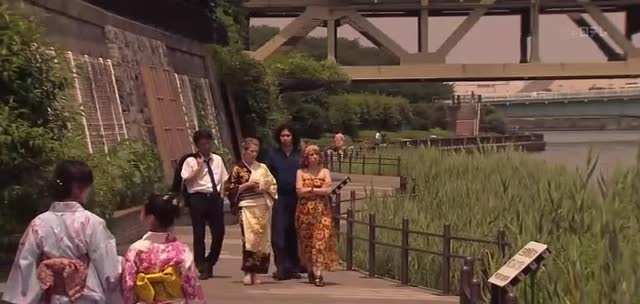
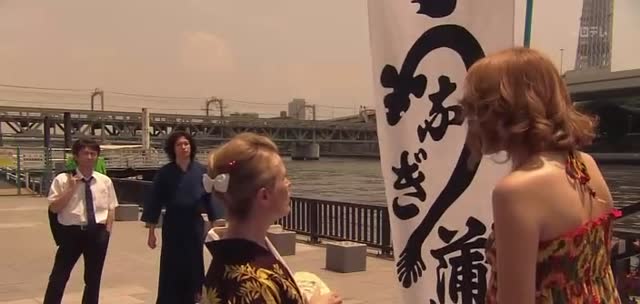
Haruko takes Marie to the front of an eel restaurant and points at the signboard, asking if she knows how to read the character.
  1. ハルコ

    Oh... Marie, come over here a moment.

  2. ハルコ

    Marie, do you know how to read this character?

  3. マリー/ハルコ

    Um...? What is this character?

  4. ハルコ

    U-na-gi.

  5. ハルコ

    The "na" is written in an old hiragana.

  6. マリー

    "Na"?

  7. ハルコ

    See, that's how old things are still alive and well.

Speaking notes

うなぎ

うなぎ: eel (with a hentaigana on the sign)

On the eel restaurant's signboard, the 「な」 is written in a hentaigana rather than the current 「な」. Foreigners can't read it, and even Japanese people may not be able to read it at a glance.

書かれてるの

passive: is written in ...

「書かれてる」 = "is written." The passive describes how the character is presented: 「古い平仮名で書かれている」 = "it is written in old hiragana."
The 「〜の」 is a soft explanatory tone, used for explaining or telling.

ちゃ~んと

ちゃんと: properly, in good shape

「ちゃんと」 = seriously, properly. The drawn-out 「ちゃ~んと」 carries a note of "see, they're doing just fine":
• 「ちゃんと食べる」 = "to eat properly"
• 「ちゃんと生き残ってる」 = "they've survived just fine"

Key vocabulary

鰻 うなぎ
Eel.
読む よむ
To read.
生き残る いきのこる
To survive; to remain.
ちゃんと
Properly; neatly.
こっち
This way; over here.

↑ Scenes on this page

"I'd like to eat eel"

This scene

日本人の知らない日本語 Episode 3 "I'd like to eat eel" still

Marie looks at the eel restaurant and says she wants to eat eel.
  1. マリー

    I'd like to eat eel.

  2. ハルコ

    Huh, that's what you're after?

  3. 鷹栖

    All right, let's go eat eel!

  4. ハルコ

    What! You're treating us?

  5. 鷹栖

    We troubled people, so it's obviously your treat, you idiot!

  6. ハルコ/マリー

    Why meeee! —Thank you for the meal.

  7. ハルコ

    Huh?

  8. マリー/ハルコ

    Haruko. —Hm?

  9. マリー

    Today, Haruko was pikaichi.

Speaking notes

おごってくれんの?

〜てくれる + の: would you treat us?

【Giving and receiving verbs】「おごってくれんの?」 = "You're going to treat us?" 「〜てくれる」 treats "paying for us" as "a favor to us," with the speaker on the receiving side.
Haruko's tone here is delighted surprise: she thought Takasu was buying.
Takasu immediately shoots her down: 「オメエのおごりに決まってんだろ」 = "It's obviously your treat."
Grammatically, 「〜に決まっている」 = "it's definitely ...", expressing "no doubt about it."

ピカイチ

ピカイチ

「今日のハルコはピカイチでした」 = "Today, Haruko was the best."
Note that Marie uses the past form 「でした」: an overall assessment of the whole day.

な~んでよ!

なんでよ: why on earth?

「な~んでよ!」 = "Why meeee?!" The drawn-out 「なんで」 has a note of whining plus protest.

Key vocabulary

鰻 うなぎ
Eel.
おごり
To treat someone (to a meal).
決まってる きまってる
Certain; a matter of course.
ピカイチ
The very best.
ごちそうさま
Thank you for the meal.

↑ Scenes on this page

"You've learned your lesson, right?"

This scene

日本人の知らない日本語 Episode 3 "You've learned your lesson, right?" still

Marie thanks Haruko, and Haruko asks whether she has learned her lesson this time. A student calls out for them to hurry.
  1. マリー

    Thank you very much, teacher.

  2. ハルコ

    You've learned your lesson now, haven't you?

  3. マリー

    Yes.

  4. 生徒

    Heeey! Hurry up!

  5. ハルコ

    I'm coming!

Speaking notes

懲りたでしょ

懲りる: to learn one's lesson

「懲りる」 = to be put off doing something again because of a bad experience. • 「もう懲りた」 = "I've learned my lesson."
• 「懲りない奴」 = "someone who never learns"
「〜でしょ」 is a confirmation seeking agreement, not an interrogation.

Key vocabulary

懲りる こりる
To learn one's lesson.
本当に ほんとうに
Really; truly.
うるさい
Noisy; annoying.
早く はやく
Hurry up.
おごる
To treat (someone to a meal).

↑ Scenes on this page

The one offered up as a sacrifice

This scene

日本人の知らない日本語 Episode 3 The one offered up as a sacrifice still

Katori complains to Haruko, saying not to hand her over to the yakuza without asking. Haruko, off to the side, asks Marie to treat her.
  1. ハルコ/マリー

    Honestly, how noisy. —Marie, treat me a little.

  2. 鹿取

    Please don't offer me up to the yakuza on your own.

  3. ハルコ

    Oh, it's fine. Shibuya was seriously angry back then, you know.

  4. ハルコ/鹿取

    Maybe you've got a chance? —No, it's not like that...

Speaking notes

おごってよ

〜てよ: a casual request

「おごってよ」 = "Treat me, will you." 「〜て + よ」 is a coaxing request (to someone close).

差し出さないでください

〜ないでください: please don't ...

「差し出さないでください」 = "Please don't offer me up." 「差し出す」 = to hold out, to present (mostly used for "offering up").
Katori uses the standard polite negative request: restrained in tone, but the content is "you sold me out."

脈あんじゃないの

脈がある: there's hope

「脈がある」 = there's hope (in romance or in any matter). 「脈」 originally means the pulse, so "having a pulse" = still having signs of life.
• 「脈なし」 = "no chance"

Key vocabulary

差し出す さしだす
To hold out; to offer up.
脈 みゃく
Pulse; (in romance) hope.
本気 ほんき
Serious; in earnest.
怒る おこる
To be angry.
勝手に かってに
On one's own; without permission.

↑ Scenes on this page

Closing: at it again

This scene

日本人の知らない日本語 Episode 3 Closing: at it again still

The students' enthusiasm for "ninkyo" hasn't cooled at all. Marie challenges a classmate in her newly learned tough-guy lines, and Elaine exclaims, "Is it chinchirorin?!"
  1. マリー

    Quit your rambling!

  2. 生徒/マリー

    Small fry, step aside! How impudent!

  3. マリー

    I'll settle this right here!

  4. 生徒

    Hasn't she learned her lesson already?

  5. エレーン

    Is it chinchirorin?!

Speaking notes

ご託を並べる

ご託を並べる: to ramble on self-importantly

「ご託(御託)を並べる」 = to spout a lot of self-important nonsense.
• 「ご託はいいから早くやれ」 = "Spare me the rambling and get on with it."

ザコ/ちょこざいな

ザコ = small fry; ちょこざいな = impudent

「ザコ(雑魚)」 = small fish, by extension "an insignificant nobody." 「ちょこざいな(猪口才な)」 = (said of the opponent) cocky, impudent, a scolding common in period dramas.

チンチロリン

チンチロリン: a dice-gambling game

「チンチロリン」 = a gambling game in which three dice are thrown into a bowl and compared. 「チンチロリン」 is the sound of dice rolling in the bowl.

Key vocabulary

ご託 ごたく
Rambling; self-important talk.
ザコ
Small fry; a nobody.
ちょこざい
Impudent; cocky.
チンチロリン
(Gambling) dice throwing.
引っ込む ひっこむ
To step back; to withdraw.

↑ Scenes on this page

"I can't hear a thing"

This scene

日本人の知らない日本語 Episode 3 "I can't hear a thing" still

In the classroom the students are bickering in old-fashioned, tough-guy speech again, and Haruko pretends she can't hear a thing.
  1. 生徒/エレーン

    Even if the teacher scolds you, don't run away!

  2. 生徒

    As you wish.

  3. マリー

    No cheating!

  4. エレーン

    There is no way I would lose, I tell you!

  5. ハルコ

    I can't hear you. I can't hear you. I can't hear a thing!

Speaking notes

御意

御意: "As you command" (to a lord)

「御意(ぎょい)」 = "Your will be done" (an answer meaning "Yes, as you command"). It is a reply from a retainer to a lord in period dramas. The student uses it in answer to the order "don't run away."
【Honorifics】「御意」 is the noun form of respectful language: 「意」 = your will, 「御」 = an honorific prefix. It is rarely used in modern daily life.

拙者

拙者: "this humble one" (a samurai's self-reference)

「拙者(せっしゃ)」 = "I" (a humble self-reference used by samurai). • 「拙者が参る」 = "I shall go."
Elaine uses this word to refer to herself and finishes with 「〜でござろう」:
• 拙者が負けるわけないでござろう = "There is no way I would lose."

聞こえん

〜ん = 〜ない (old-style / dialect)

「聞こえん」 = 「聞こえない」 (old-style or dialectal). The 「ん」 is a variant of the negative auxiliary 「ぬ」:
• 知らん = 知らない
• 分からん = 分からない
Haruko deliberately imitates an old man pretending to be deaf: "I can't hear, I can't hear."

Key vocabulary

御意 ぎょい
As you command (to a lord).
拙者 せっしゃ
I (samurai self-reference).
いかさま
Cheating; a trick.
ケツまくる
(Slang) to turn tail; to bail out.
聞こえる きこえる
To be audible; to be heard.

↑ Scenes on this page

Back to 日本人の知らない日本語 · Back to all scenes