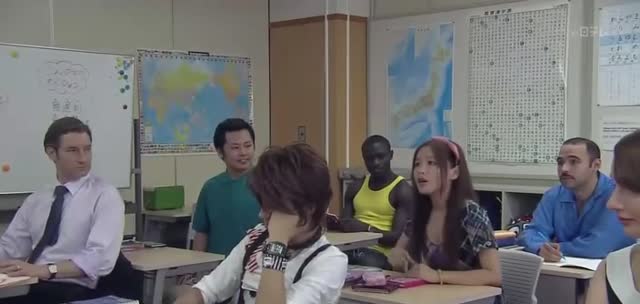
This episode contains 54 dialogue scenes: the awkward silence in the self-introduction class, surnames and forms of address, hanafuda and gambling-related expressions, the colloquial words "shikato," "bonkura," and "pikaichi," and the old hiragana that have fallen out of use. The main focus is how these colloquial words are used, and the difference between 「お疲れさん」 and 「お疲れ様でした」. Some of the vocabulary comes from the world of chivalry films and the yakuza; understanding it is enough, and you should not imitate it in daily life.
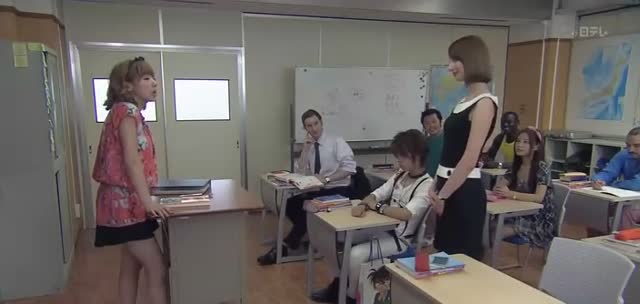
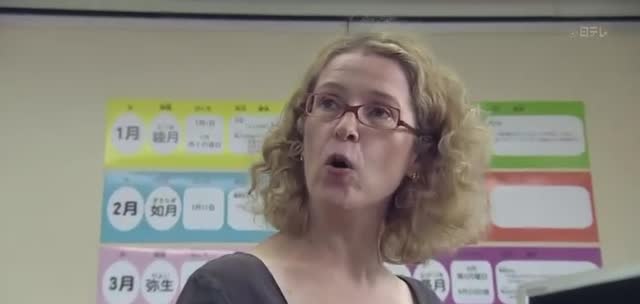
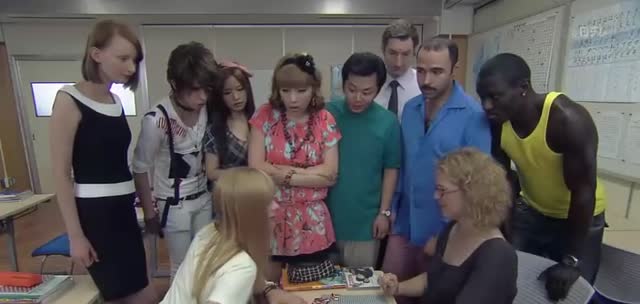
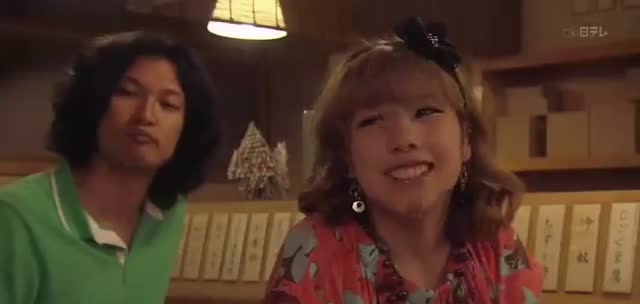
A new lesson begins: self-introductions. Haruko demonstrates first with a pun on her own name, and the classroom goes silent.
ハルコ
今日は 自己紹介を 勉強しましょう!
Today, let's study self-introductions!
金麗/ハルコ
じゃあ やってみなさいよ。 何で アンタは→
Then go ahead and try it. Why do you always—
ハルコ
いつも そうやって 上から目線かな?じゃあ いくよ!
—act so superior? Fine, here I go!
ハルコ
「あたしの名前はハルコです。でも パルコではありません」。
"My name is Haruko. But it's not Parco."
ジャック
それの どこが 面白いのですか?
What's funny about that?
ボブ/生徒たち
すべってんじゃねぇよ。 (笑い)
You're bombing, you know. (laughter)
ハルコ/ポール
ああ すべったわよ!そんな事 言うなら 誰かやってみなさいよ。 オヤジギャグを?
Yeah, I bombed! If you've got something to say, then somebody else try it. —A dad joke?
ハルコ/生徒たち
自己紹介をです。 はい
A self-introduction, I mean. —Yes!
Speaking notes
すべる
to bomb: a joke that gets no laughs, falls flat
「すべる」literally means "to slip," but in casual speech it means "to bomb": telling a joke that gets no laughs. Mostly heard in comedy and variety-show contexts: • 「ギャグがすべった」 = "The gag fell flat." • 「すべってんじゃねぇよ」 = "You're bombing, you know." (a scolding or teasing remark) Note: said about yourself it is self-deprecating; said about someone else it is a jab. When Bob calls her out with 「すべってんじゃねぇ」, Haruko simply admits it: 「すべったわよ!」
オヤジギャグ
a dad joke: a lame pun
「オヤジギャグ」 = a middle-aged-guy joke, typically a corny pun. The hallmark is forcing a joke out of identical or similar sounds, like 「布団が吹っ飛んだ」. Haruko's 「ハルコ/パルコ」 (は vs. ぱ: the difference is just one semi-voiced mark) is a textbook pun.
〜てみなさいよ
〜なさい: a command (the tone Jin Li picked up)
「やってみなさいよ」 = "Go on, try (doing it)." 「〜なさい」 is a command form used toward children or those beneath you, and adding 「よ」 gives it a challenging tone.
Key vocabulary
自己紹介 じこしょうかい
Self-introduction.
すべる
(of a joke) to bomb, fall flat; literally, to slip.
オヤジギャグ
A dad joke; a corny pun.
上から目線 うえからめせん
A condescending attitude; looking down on someone.
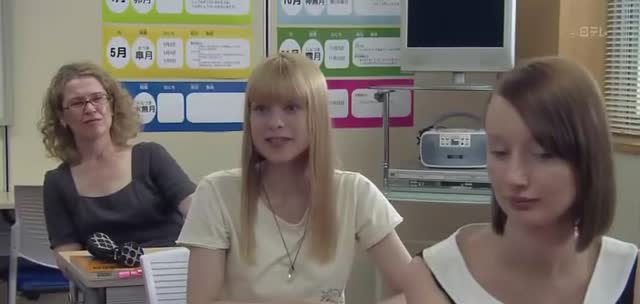
Diana Ivanova is the first to give a self-introduction, saying she and her younger brother look exactly alike.
ハルコ/ダイアナ
はい。 私はダイアナ・イワノワです。
Yes. —I'm Diana Ivanova.
ダイアナ/ハルコ
私は弟と顔が そっくりです。 へ~。じゃあ イケメンだ。
My brother and I look exactly alike. —Oh? Then he's a good-looking guy.
ハルコ
弟の名前は?何て言うの?
What's your brother's name? What is it?
ダイアナ/ハルコ
イワノフ? イワノワじゃなくて?
Ivanov. —Not Ivanova?
ダイアナ
ロシア 男と女 名字違う。
In Russia, man and woman, surname different.
ハルコ
へ~。座って。
Oh, I see. Please sit down.
Speaking notes
顔がそっくり
look exactly alike
「そっくり」 = "just like, spitting image" (in looks or content). Often used for parents and children or siblings: • 「父親にそっくり」 = "the spitting image of his father" • 「顔がそっくり」 = "their faces are identical" Diana's pattern 「AはBとCがそっくりです」 ("A and B are very alike in C") is a standard self-introduction pattern. Haruko's reply 「じゃあイケメンだ」 is a typical Japanese "playful follow-up": going along with the topic by complimenting the other person's family.
イケメン
a good-looking guy
「イケメン」 = a handsome man. • イケメン: a good-looking guy • 美人: a beautiful woman (the standard, formal word)
男と女 名字違う
learner's telegraphic Japanese: drops particles
「ロシア 男と女 名字違う」 = "In Russia, men and women have different surnames." Diana drops the particles and uses the barest structure. Russian surnames change their endings by gender: -ov/-ova, -in/-ina (イワノフ/イワノワ).
Students take turns introducing themselves using their names. One name contains the character for "fuku," and Wang's name leads to another pun.
ハルコ
じゃあ 他に名前を使って 自己紹介できる人。はい。
Now, who else can introduce themselves using their name? Yes, please.
生徒/ハルコ
友達の名前 幸福の「福」。 いい名前じゃん。
A friend's name. "Fuku" as in "fortune." —Isn't that a nice name?
生徒
よくないわよ!だって 日本で社長になっても→
It's not nice! Because even if he became a company president in Japan—
生徒
「フク社長!」って 呼ばれるじゃない。 (笑い)
—they'd call him "Fuku-shacho!" (laughter)
王/生徒たち
私は「王様」と呼ばれるね! 王様
I'd be called "Osama"! —Osama!
ハルコ
あ~名前が「王」だと王様か。
Oh, I see. If your name is "O," you'd be a king.
Speaking notes
フク社長
福 = フク = 副: a homophone pun
「フク社長」 is a pun: 「福」 (ふく) and 「副」 (ふく) are homophones. 「副社長」 = "vice president," which sounds just like 「福社長」. • 福: good fortune • 副: deputy, vice- (副社長, 副大統領) If a man named 「福」 became a boss in Japan, employees calling him 「フク社長」 would sound as if they were saying "vice president": he is the top man but sounds like the number two.
呼ばれる
呼ぶ in the passive: to be called
「〜と呼ばれる」 = "to be called ..." The passive expresses "what other people call me": • 「先生と呼ばれる」 = "to be called 'teacher'" When Wang says 「私は『王様』と呼ばれるね!」, it is a half-joking boast: his name is "O" (king), so he would be called "king". Note the sentence-final 「ね」: seeking agreement, said with a laugh.
〜だと〜か
〜だと〜か: a dawning realization
「名前が『王』だと王様か」 = "So if your name is 'O,' you're a king." 「〜だと」 is a conditional ("if it is ...") and 「〜か」 is a realization, "Ah, I see." Note that the 「様」 in 「王様」 is an honorific.
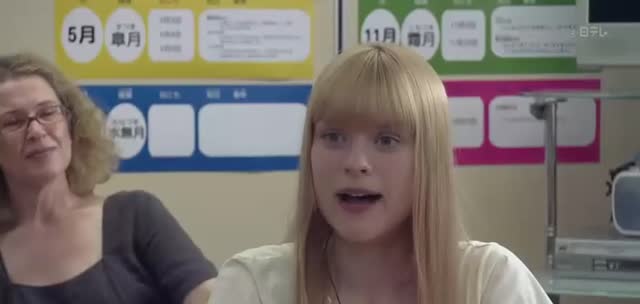
Elaine starts talking about her relatives, some of whom have strange names, her grandfather among them. Her way of hearing Japanese names sets the whole class laughing.
エレーン
私の親戚には 変な名前の人→
Among my relatives, there are people with strange names—
エレーン
一杯いるよ!お爺さんの名前…。
There are lots! My grandfather's name...
エレーン
その妹…。
His younger sister...
エレーン
その友達…。
His friend...
ハルコ/生徒たち
みんなアホに?変なパンツさん? (笑い)
Are they all called "idiot"? Is it "Mr. Weird Underpants"? (laughter)
Speaking notes
一杯いるよ
一杯: lots of (colloquial)
Besides "one cup/glass," 「一杯(いっぱい)」 also means "a lot, full." • 「お腹いっぱい」 = "I'm full." • 「人が一杯いる」 = "There are lots of people." In feel, 「一杯」 is more colloquial, while 「たくさん」 is more neutral.
アホ
アホ: idiot (Kansai)
「アホ」 is the Kansai-area word for "idiot," slightly lighter and more affectionate than the Kanto 「バカ」. • 「アホか!」 = "Are you an idiot?!" Elaine's relatives' names sound like 「アホ」 and 「パンツ」. Haruko's 「みんなアホに?変なパンツさん?」 translates the sounds she heard straight into Japanese words.
Haruko tells the class not to laugh because it is rude, then asks Elaine whether Japan is well known in Sweden. Elaine says not at all: in her country Japan is seen as a barbaric country.
ハルコ
皆 笑わないよ!失礼でしょ。 ってか 日本って→
Everyone, don't laugh! It's rude. —By the way, is Japan—
ハルコ/エレーン
スウェーデンで知られてるの? 全然。日本 野蛮な国。
—known in Sweden? —Not at all. Japan, barbaric country.
エレーン/生徒
馬が走っていて 武士が人を 斬ると思ってる。 武士?
They think horses gallop and samurai cut people down. —Samurai?
エレーン
でも 私 時代劇 大好き!メ~ン!
But I love period dramas! Men-n-n!
ハルコ/エレーン
アハハ…。それは剣道ね。 うん。渋谷先生に 教えてもらってる。
Ahaha... That's kendo. —Yes. I'm learning from Mr. Shibuya.
Speaking notes
知られてるの?
知られる: passive meaning "to be known"
「知られている」 = "to be known, to be famous." A special use of the passive: it doesn't mean "to be known by someone" but "to have name recognition." • 「世界に知られている」 = "known around the world" When Haruko asks 「日本ってスウェーデンで知られてるの?」, she is checking how well Japan is known in Elaine's country. Elaine's reply 「全然」 is the classic use of 「全然」, which goes with a negative: "not at all (known)". Then 「日本 野蛮な国」 is her broken Japanese for "Japan is considered a barbaric country."
教えてもらってる
〜てもらっている: I'm taught (a favor received)
【Giving and receiving verbs】「渋谷先生に教えてもらってる」 = "I'm being taught by Mr. Shibuya (I receive his instruction)." 「〜てもらう」 describes learning as "receiving a favor," with the learner as the subject: • 渋谷先生が教えてくれる: stresses Shibuya's kindness • 渋谷先生に教えてもらう: stresses that I benefit By choosing 「もらう」, Elaine sounds appropriately polite and puts the learner in the proper position.
メ~ン!
Men! A kendo strike to the head
「メン」 = (in kendo) a strike to the head. The three basic striking targets in kendo are 面 (メン), 胴 (ドウ), and 小手 (コテ). Elaine shouts 「メ~ン!」 and mimes a sword swing, mixing up kendo and "samurai," so Haruko laughs and corrects her: 「それは剣道ね」.
Haruko asks Elaine whether her parents objected to her coming to Japan. Elaine says it was fine: she told them samurai have souls and don't cut ordinary people, and the whole class laughs.
ハルコ
あ…そう。ってか 日本に来る時 親に反対されなかったの?
Oh... I see. By the way, didn't your parents object when you came to Japan?
エレーン
大丈夫。武士には魂があって 一般人 斬らないって教えたから。
It was fine. I told them samurai have souls and don't cut ordinary people.
ハルコ/エレーン
それで納得する親も親だけどね。 ヨーロッパ 親は子供に うるさくないよ。
Parents who accept that are something else too. —In Europe, parents don't fuss over their children.
鹿取/ハルコ
日本に比べ 個人主義ですからね。 ふ~ん いいじゃん。
It's because they're more individualistic compared with Japan. —Hmm, that's nice.
ハルコ/マリー
じゃあ他に 工夫して 自己紹介ができる人? はい。
Then who else can introduce themselves with some creativity? Yes.
ハルコ
はい マリー。
Yes, Marie.
Speaking notes
親に反対されなかった
passive + negative: weren't objected to
「親に反対されなかったの?」 = "Didn't your parents object?" (literally, "weren't you objected to by your parents?") The passive form describes the parents' objection as something that affects me: • 反対した: objected (active) • 反対された: was objected to (I'm the one affected) In Japanese, many troublesome or obstructive events are typically expressed in the passive, reflecting the viewpoint of the person affected.
〜も〜だけど
A も A だけど: "A is no better, though"
「納得する親も親だけどね」 = "Parents who accept that are a bit much too, you know." The pattern 「AもAだけど」 is half teasing, half criticism, meaning "A is really something too." • 「あいつもあいつだけどね」 = "That guy has his faults too." Haruko is dumbfounded by the reason 「武士は一般人を斬らない」: the child saying it is absurd, and the parents who believed it are just as absurd.
個人主義
individualism
「個人主義」: valuing the individual over the group. Katori says: 「日本に比べ個人主義」 = "more individualistic compared with Japan" (referring to Europe). Note that she uses 「〜ですからね」: a gentle way of giving a reason, turning a cultural difference into a simple explanation. Haruko's reply 「ふ~ん いいじゃん」 is "Hmm, that's nice".
It is Marie's turn. She stands up with a completely different look and announces herself in an archaic tone: born in Paris, family name Birkin, given name Marie.
マリー
おひかえなすって。手前 生国はフランスの国→
Pardon me, if you'll allow me a moment. The land of my birth is the nation of France—
マリー
パリでござんす。姓はバーキン 名はマリー。またの名を→
Paris, it is. Surname Birkin, given name Marie. Also known as—
マリー/生徒
緋牡丹のお竜と発します。 ひぼたん?
Hibotan no Oryu, I go by. —Hibotan?
ルカ/マリー
『緋牡丹博徒シリーズ第三弾の 花札勝負』。
"Hibotan Bakuto series, part three: the hanafuda showdown."
ハルコ/マリー
任侠映画の名作じゃありませんか。 何で そんなもの持ってんのよ。
That's a classic yakuza film, isn't it? Why on earth do you have something like that?
マリー
これで日本語 勉強しました。
I studied Japanese with this.
Speaking notes
おひかえなすって
jingi o kiru: the formal opening greeting of the yakuza world
「お控えなすって」 is the opening line when gamblers and wandering outlaws first meet: "Please wait a moment while I introduce myself." This fixed self-introduction ritual is called 「仁義を切る」. The typical structure: ① お控えなすって ("Please hold on a moment") ② 手前、生国は〜 ("The land of my birth is ...") ③ 姓は〜、名は〜 (surname and given name) ④ またの名を〜と発します ("I am also known as ...") 【Archaic honorific】「なすって」 is a colloquial variant of 「なさって」, and 「なさる」 is the honorific form of 「する」. Marie lifts the "underworld speech" of the movies and uses it unchanged as a self-introduction.
パリでござんす
〜でござんす: Edo-style "it is ..."
「ござんす」 is a variant of 「ございます」 from Edo-period speech. It is common in period dramas, yakuza films, and rakugo: • 「ございます」 → 「ござんす」 • 「ありません」 → 「ござんせん」
任侠映画
ninkyo films: movies about chivalry and the yakuza
「任侠(にんきょう)」 = the spirit of valuing duty and human feeling, protecting the weak and standing up to the strong. 「任侠映画」 is a genre of gangster film that flourished in Japan in the 1960s and 70s. Marie's 「これで日本語勉強しました」 means her Japanese textbook was a gangster movie. That explains why she speaks in underworld style, archaic honorifics, and gangster vocabulary.
Marie says "ninkyo," a Japanese word she learned, means boss and underlings. The class is baffled; Haruko tries to explain but gets tripped up by another word a classmate asks about.
マリー
任侠。親分と子分。
Ninkyo. Boss and underlings.
マリー/ルカ
素敵でしょ? ニンギョウ?
Nice, right? —Ningyo (a doll)?
ハルコ
あ…。にんきょう。 ヤクザの事を言うの。
Ah... it's "ninkyo." It refers to the yakuza.
マリー/生徒
てめぇ シカトすんな。 …そんな怒んなくても。
You punk, don't shikato me. —...You don't have to get that mad.
マリー/ジャック
怒ってません。 マリーは軽い気持ちで→
I'm not angry. —Marie was probably in a lighthearted mood—
ジャック
「話を聞いて」と言いたかった のではありませんか?
—wanting to say "please listen to me," wasn't she?
マリー
いや だって「シカトすんな」って。 「シカト」は ここから生まれた→
No, because it's "shikato sunna." The word "shikato" was born from this—
マリー/王
言葉だと本に書いてありました。 何これ?
—it's written in the book. —What's this?
Speaking notes
任侠/人形
にんきょう, not ニンギョウ
「任侠(にんきょう)」 and 「人形(にんぎょう)」 differ by only one voicing mark, so foreign students easily mix them up. Luca hears 「にんきょう」 as 「ニンギョウ」 (a doll), and Haruko corrects it right away: 「にんきょう。ヤクザの事を言うの」. Note how the voiceless/voiced contrast in Japanese (きょう/ぎょう) changes the meaning of a word, a perennial stumbling block for learners. Haruko's explanation is concise: 「〜の事を言う」 = "it refers to ...", an all-purpose pattern for explaining what a word means.
シカト
シカト: to ignore someone (slang)
「シカト」 = to deliberately ignore someone, pretend not to see them. • 「シカトすんな」 = "Don't ignore me." The tone is very rough (from the speech of delinquents and gangsters) and not suitable for formal situations.
てめぇ
てめぇ: you (rude)
「てめぇ(手前)」 = "you punk" (said to a person). It was originally 「手前」 (a humble way to refer to oneself, "I"), and later became a rude term for the other person: • 手前(てまえ): I (self-reference, formal) • てめえ: you bastard (to others, rude) The same word went from a humble term to an insult, a typical example of "pronoun degradation" in Japanese (compare 貴様 and お前).
Key vocabulary
親分 おやぶん
Boss; ringleader.
子分 こぶん
Underling; subordinate.
素敵 すてき
Nice; lovely; cool.
シカト
To ignore, give someone the cold shoulder (slang).
Marie takes a small deck of cards from her bag, says they are hanafuda, and promptly starts a game with Elaine while the students call her cool.
生徒/マリー
トランプ? 花札って言うの。 花札?
Are those playing cards? —They're called hanafuda. —Hanafuda?
マリー/生徒
私の勝ちでござんす。 マリー 素敵!
I won, it is. —Marie, that's cool!
マリー/エレーン
エレーンも素敵よ。 これは いたみいります。
Elaine is cool, too. —I'm much obliged.
ハルコ/マリー
あ…。マリー ちょっと いいかな。 「姐さん」と呼んでつかぁさい。
Ah... Marie, do you have a moment? —Please call me "Anesan."
ハルコ
う…。呼べません。あのさ マリー さっき使った→
Ugh... I can't call you that. Listen, Marie, the phrase you used earlier—
ハルコ
「シカトすんな」って言葉も 気軽に使う言葉じゃないからね。
—"shikato sunna" is not a phrase you use casually, you know.
マリー
水臭いこと お言いでないよ。
Don't say such distant things.
Speaking notes
いたみいります
痛み入る: "I'm deeply obliged" (old-fashioned)
「恐れ入ります/痛み入ります」 = "I'm much obliged / I'm deeply grateful for your kindness." These are old-fashioned polite phrases: • 「ご厚意、痛み入ります」 = "I'm deeply grateful for your kindness." 「いたみいる」 literally means "to be pained to the core," i.e. "so touched that it hurts." Elaine uses it in answer to Marie's 「素敵よ」, an unmistakably "movie" way of speaking. 【Honorific speech】This is a kind of humble/courtesy expression that is almost never used in modern daily life, appearing only in period dramas, in shops, and in letters.
呼んでつかぁさい
〜てつかぁさい: "please ..." (dialect)
「呼んでつかぁさい」 = "Please call me ..." (the Hiroshima dialect 「〜てつかあさい」). 「つかあさい」 is a dialect form of 「ください」 (Chugoku region, around Hiroshima). What Marie learned is not "standard Japanese," but the dialect of the movies. Haruko cannot bring herself to say 「姐さん」 to a French girl, so 「呼べません」. The potential form 「呼べません」 means "I can't bring myself to call you that": it is both an ability and a psychological refusal.
水臭いこと お言いでないよ
〜お言いでない: an old-style "don't say ..."
「お言いでないよ」 = "Don't say that." Structure: お + 言い + でない (= お言いにならない) + よ, an old-fashioned feminine prohibition: • 「お泣きでない」 = "Don't cry." • 「水臭いこと」 = "distant, standoffish talk" Marie keeps talking like a female outlaw in a yakuza film: affectionate and yet tough.
The class gets louder as students imitate Marie's gangster talk, shouting "Anesan," "seppuku," and "sushi," and Haruko tells everyone to quiet down.
生徒たち
姐さん! 切腹! お寿司!
Anesan! Seppuku! Sushi!
ハルコ
皆 静かに。調子に乗らないの。
Everyone, quiet. Don't get carried away.
マリー
てめぇら シカトしてんじゃねぇよ!
You punks, don't shikato me!
ハルコ
こうやって使うのよ。
That's how you use it.
Speaking notes
調子に乗る
to get carried away; to get cocky
「調子に乗る」 = to get carried away when things go well, to get cocky. • 「調子に乗るな」 = "Don't get cocky." Haruko uses 「調子に乗らないの」 (plain negative + の = a gentle prohibition): not an order, but a reminder. 「〜ないの」 is a feminine or motherly prohibition, softer than 「〜な」: • 乗るな: (rough) Don't get cocky. • 乗らないの: (motherly) You mustn't, now.
こうやって使うのよ
〜のよ: feminine explaining/instructing tone
「こうやって使うのよ」 = "This is how you use it." The sentence-final 「のよ」 is an explanatory tone with feminine speech, used when teaching someone. Here Haruko demonstrates with Marie's own 「シカトしてんじゃねぇよ!」: this is not a correction, but "putting your usage in its place". The word can be used, but in the right situation and toward the right person.
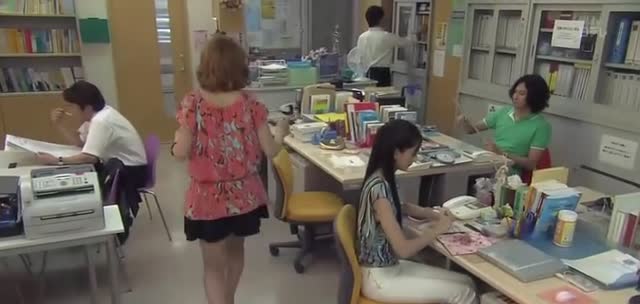
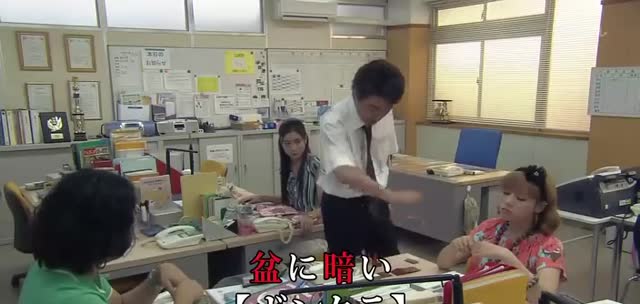
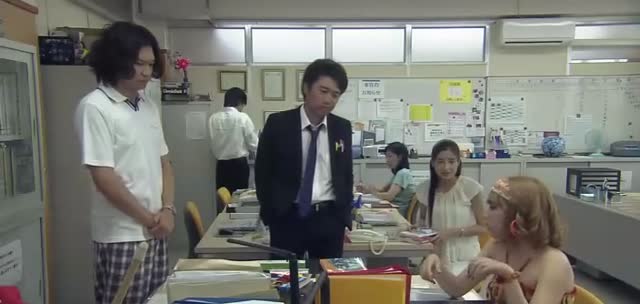
After class, the teachers talk about Marie in the staff room: her home in France is a chateau and she is a real aristocrat, which surprises Haruko.
ハルコ/鹿取
マリーのキャラ 強烈だわ。 フランスのお家って シャトーなんですよね。
Marie's personality is intense. —Her family home in France is a chateau, right?
ハルコ/鹿取
え? お城に住む 本物の マダムらしいですよ マリーさん。
What? —Apparently Marie lives in a castle and is a real "madame."
ハルコ
お城?え?じゃあ 何で あんな金持ちが→
A castle? What? Then why would a rich person like that—
ハルコ/渋谷
任侠なんかに興味ある訳? 外国人には新鮮なんだよ。
—be interested in ninkyo and such? —It's fresh to foreigners.
渋谷/ハルコ
粋で いなせだとか言って。 粋で いなせね~。
They say it's "iki" and "inase." —"Iki" and "inase," huh.
ハルコ
あ シカトの由来って 花札だって事 知ってた?
Oh, did you know the origin of "shikato" is hanafuda?
渋谷/鹿取
うん 知ってた。 あ…。
Yes, I knew. —Ah...
Speaking notes
マダムらしいですよ
〜らしい: apparently, I hear that ...
【そう / よう / みたい / らしい compared】「マダムらしいですよ」 = "I hear she's a real 'madame.'" Katori uses 「〜らしい」 to show that this is hearsay or indirectly obtained information. • 〜らしい: reporting, indirect evidence • 〜みたい: an impression from your own observation • 〜ようだ: a more formal conjecture
粋でいなせ
粋 = stylish; いなせ = dashing, clean-cut
「粋(いき)」 = (Edo-style) refined, stylish without being cloying; 「いなせ」 = (especially for men) dashing and gallant. Used together as 「粋でいなせ」, it is the standard compliment for Edo-style "chivalrous outlaws, firefighters, and young fish-market men."
〜訳
〜わけ?: why on earth ... (a demand for reasons)
「興味ある訳?」 = "Why on earth is she interested?" 「〜わけ」 is a colloquial way of pressing for the reason.
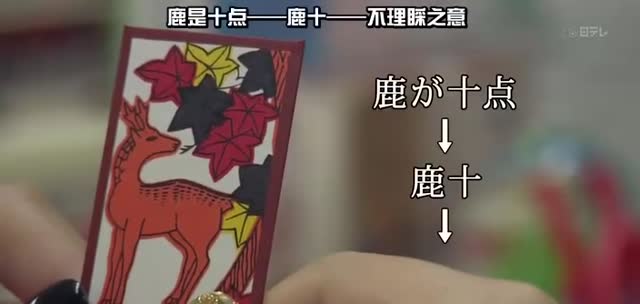
Katori awkwardly takes out a hanafuda card, calls it teaching material, and explains how the word "shikato" relates to this card.
ハルコ/鹿取
え?趣味? 教材です。
What? A hobby? —It's teaching material.
鹿取
これが シカトの由来になった札です。 その そっぽを向いた鹿の点数は→
This is the card that gave "shikato" its origin. The score of that deer looking the other way is—
鹿取
十点なんだよ。
—ten points.
ハルコ/鷹栖
それでシカトか? それぐらい知っとけよ ボンクラ。
So that's "shikato"? —You should know that much, you dunce.
ハルコ/渋谷
誰がボンクラよ! 誰がボンクラですか 鷹栖先生。
Who's a dunce?! —Who's a dunce, Mr. Takasu?
鹿取
誰がボンクラですか 鷹栖先生。
Who's a dunce, Mr. Takasu?
Speaking notes
シカトの由来
the hanafuda "shika-to" (deer, ten)
The etymology of 「シカト」 the show gives: the ten-point "deer" card in hanafuda (鹿十, しかとお). The deer on the card turns its head away and doesn't look ahead, so 「鹿十(しかと)」 came to mean "pretending not to see, ignoring." • 鹿十 → シカト
そっぽを向いた
to turn away, look the other way
「そっぽを向く」 = to turn one's face away, to pay no attention. • 「彼にそっぽを向かれた」 = "He turned his back on me." 「そっぽ」 means "an unrelated direction." Here 「向いた」 is the past form of 「向く」 modifying a noun: "the deer that turned away."
ボンクラ
ボンクラ: a dunce, an idiot
「ボンクラ」 = a useless fool, a dunce. 「それぐらい知っとけよ」 = "You ought to know at least that." 「知っとけ」 is a contraction of 「知っておけ」 (an order), with a senior colleague's impatience. Katori repeating it in polite form, 「誰がボンクラですか鷹栖先生」, is a way of "standing up for Haruko, but staying polite."
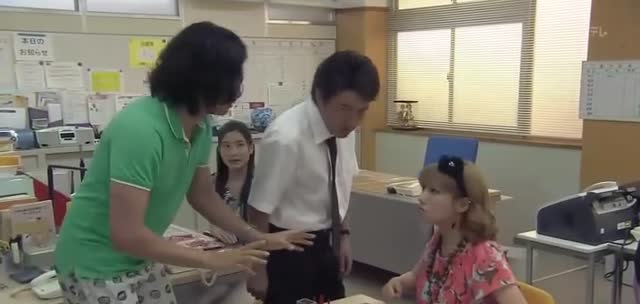
Haruko and Takasu get into an argument. Takasu explains that gambling dens used to be called "bon" and explains the origin of "bonkura"; Haruko retorts with a hanafuda card.
鷹栖
昔 賭博場の事を 「盆」って呼んでたんだ。
In the old days, gambling dens were called "bon."
鷹栖
「盆」に うとい奴。つまり 盆に暗い人間って意味で→
A person who is unfamiliar with the "bon." In other words, it meant someone who is in the dark about the bon—
鷹栖
「ボンクラ」だ。頼むから 勉強してくれよ。
—"bonkura." Please, I'm begging you, study up.
ハルコ
カリスマボンクラ先生。
Charismatic Dunce Teacher.
ハルコ/鷹栖
あ 残念。カスでした。 カスが お似合いよ。フン。
Ah, too bad. A junk card. —A junk card is what suits you. Hmph.
鷹栖/ハルコ
んんん…。何か言った ボンクラ? カスが お似合いよ!
Mmm... Did you say something, dunce? —A junk card is what suits you!
鷹栖
カスって 俺 鷹栖だ…。
Junk card? I'm Takasu...
Speaking notes
ボンクラ=盆に暗い
盆暗: someone ignorant of the gambling table
「ボンクラ(盆暗)」 = a person who is 「盆に暗い」. 「盆」 is the cloth-covered table where dice are thrown (also, the gambling den itself). Here 「暗い」 does not mean "dark" but "unfamiliar, with little knowledge" (「事情に暗い」 = to be ignorant of the situation): • 「彼は経済に暗い」 = "He doesn't know much about economics." So ボンクラ = a person who knows nothing about gambling → a dunce, an idiot.
暗い/うとい
〜に暗い / 〜にうとい: unfamiliar with ...
「AにうといB」「Aに暗いB」 = "B who is unfamiliar with A." Both are written-style, formal ways to say "unfamiliar": • 「世事にうとい」 = "out of touch with worldly matters" • 「機械に暗い」 = "not good with machines" Takasu uses 「うとい」 and then 「暗い」, two synonyms in a row, an explanatory repetition to make sure Haruko "gets it."
カスが お似合いよ
カス: (hanafuda) a junk card; dregs
「カス」 = (in hanafuda) a card with no points; in general, "dregs, trash." Haruko flips over a "junk" card and retorts: 「カスがお似合いよ」 = "A junk card is just what you deserve." 「お似合い」 = a good match; used positively it means "well matched," but here it is ironic. Note Takasu's response, 「カスって、俺、鷹栖だ…」: his name 「鷹栖」 is read 「たかす」, which ends in 「かす」, so he takes the insult as aimed at his own name.
After the argument, Takasu heads out and leaves a farewell line behind. Haruko, Shibuya and Katori each react in their own way.
鷹栖/渋谷
この野郎…。 あ ごめんなさい ごめんなさい。 余計なこと言っちゃった。
You bastard... —Ah, sorry, sorry. I said too much.
ハルコ/鷹栖
すいません。 お疲れさん。
Sorry. —Good work (otsukare-san).
渋谷・鹿取/ハルコ
お疲れ様でした。 フン。
Thank you for your hard work (otsukare-sama deshita). —Hmph.
Speaking notes
お疲れさん/お疲れ様でした
[Honorifics] ways to say "good work": who says what to whom?
Japanese has several versions of "thanks for your hard work," and their use depends on rank. • お疲れさま(です/でした): all-purpose; fine from junior to senior, or between equals • お疲れさん: colloquial and more casual; from senior to junior, or among peers • ご苦労さま(です): from superior to subordinate (to underlings, to a delivery person); you can't say it to your boss Here Takasu says 「お疲れさん」 (the shortened top-down form), while Shibuya and Katori answer him with 「お疲れ様でした」 (bottom-up, polite, past tense).
この野郎
この野郎: you bastard
「この野郎」 = "You bastard!" (said to a man). It is rough language, a greeting made in anger. 「野郎」 = a man (rude), used only for males.
すいません
すいません: casual variant of すみません
「すいません」 is the colloquial form of 「すみません」. One word, three uses: ① apologizing ("sorry") ② thanking ("thanks for the trouble") ③ getting attention ("excuse me") Haruko's 「すいません」 to Takasu is the first kind, an apology.
Key vocabulary
野郎 やろう
(rough) guy; man.
余計 よけい
Unnecessary; superfluous.
お疲れ様 おつかれさま
Thanks for your hard work.
ご苦労様 ごくろうさま
Thanks for your hard work (said from superior to subordinate).
Marie and Elaine step into a small bar. Marie tries to order a cognac, and a mishearing at the counter leads to a misunderstanding.
マリー
あのよろし?
Excuse me, if I may?
マリー
すみません コニャックくださる?
Pardon me, would you be so kind as to give me a cognac?
花岡/マリー
はい? コニャックください。
Yes? —Please give me a cognac.
花岡/マリー
置いてないんですよ。 コニャック。
We don't have that. Cognac.
花岡
ああ コンニャクね。はい。
Ah, konnyaku, is it? Right away.
エレーン
マリー マリー。
Marie, Marie.
マリー
あなた方 ヤクザですか?
Are you gentlemen yakuza?
藤田/マリー
ヤクザ?だったら何なんだ この野郎!え!!
Yakuza? So what if we are, you bastard?! Huh?!
Speaking notes
コニャック/コンニャク
コニャック (cognac) is not コンニャク (konjac)
Marie wants French brandy, 「コニャック (cognac)」, but the bartender hears the Japanese 「コンニャク(蒟蒻)」 (konjac). The two words differ only in where the 「ン」 falls: • コニャック: cognac • コンニャク: konjac (often simmered in oden) It is a classic case of a loanword being misheard as a native Japanese word. (The owner's 「ああコンニャクね。はい。」 is a perfectly serious reply: he really did hear 「コンニャク」.)
くださる
くださる: honorific form of くれる
「くださる」 = "(you) give me." 【Honorific giving verb】 The honorific form of 「くれる」: • くれる → くださる • くれ → ください ("please give me") Marie's 「コニャックくださる?」 is the honorific 「くださる」 with a rising intonation, an old-fashioned, genteel feminine way of asking. 【Contrast】 ください is the standard phrase from customer to staff. After Hanaoka's 「はい?」, Marie restates her order as 「コニャックください」.
あなた方
あなた方: you (plural, polite)
「あなた方(あなたがた)」 = "you (all)" (respectful). 「方」 is the honorific form of 「人」: • あなた方: you gentlemen / you all (polite) • あなたたち: you (plural, ordinary) • お前ら: you lot (rough) To people she has just met, Marie uses the most polite 「あなた方」 to ask 「ヤクザですか?」: respectful grammar, rude content.
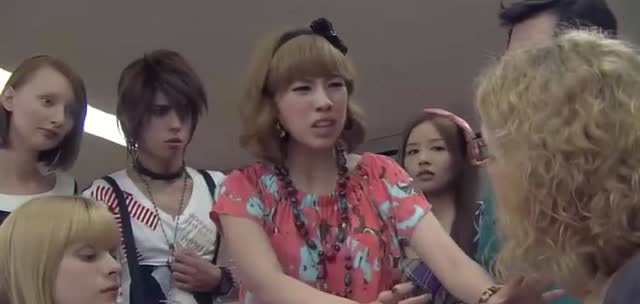
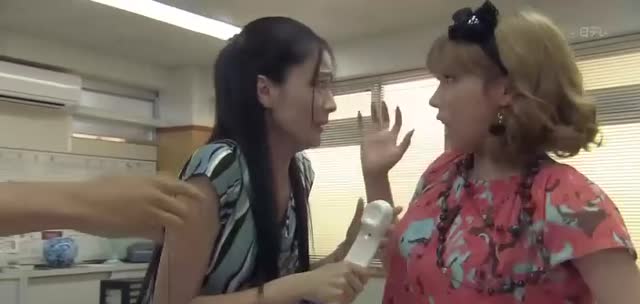
Katori takes a phone call saying Marie and Elaine have been surrounded by "yakuza." Haruko's first reaction is: do not call the police.
ハルコ/電話
使われなくなった平仮名か…。 (電話の呼出音)
So it's a hiragana that's no longer used... (phone ringing)
鹿取/電話
はい。光文学院です。 あ~エレーンさん?
Hello, Kobun Gakuin. —Ah, Elaine?
鹿取
え?ハルコ先生!マリーさんと エレーンさんが→
What? Ms. Haruko! Marie and Elaine—
鹿取/ハルコ
ヤクザに 囲まれてるって! ヤクザに?
—are surrounded by yakuza! —By yakuza?
渋谷/ハルコ
もしもし 場所わかる…。 警察。 ちょっと ダメ!
Hello, do you know where you are...? —The police. —Wait, no!
ハルコ
え? 警察沙汰になったら 強制送還になっちゃうじゃん。
What? If the police get involved, they'll be deported.
ハルコ/鹿取
全員揃って 卒業できなくなっちゃうでしょ? ハルコ先生…。
Then none of us will be able to graduate together, right? —Ms. Haruko...
ハルコ/鹿取
そしたら あたし 高校教師になれないじゃん! 自分の心配ですか?
Then I wouldn't be able to become a high school teacher! —Are you worried about yourself?
Speaking notes
警察沙汰
〜沙汰: an incident that has reached the point of ...
「警察沙汰(けいさつざた)」 = an incident serious enough to involve the police. 「沙汰」 means "affair, matter, rumor": • 「裁判沙汰」 = a matter that goes to court • 「刃傷沙汰」 = an incident involving blades • 「警察沙汰になる」 = to end up involving the police
〜しちゃう
〜ちゃう: end up ... (an unwelcome result)
「強制送還になっちゃう」「卒業できなくなっちゃう」 are both colloquial contractions of 「〜てしまう」: an irreversible bad outcome. Also, 「そしたら」 = 「そうしたら」, a conjunction meaning "in that case."
自分の心配ですか?
〜ですか? (a polite rhetorical question): are you ...?
「自分の心配ですか?」 = "Are you worried about yourself?" Katori uses polite form + a question, but it is actually a pointed jab at Haruko. Delivering criticism in a polite form is a Japanese "polite way to sting".
Haruko stops Shibuya and Katori and tells them never to contact the police: she will go and rescue the students herself.
ハルコ/渋谷
ちょっと…渋谷先生! ちょっと 警察に 絶対 連絡しないでよ!
Wait... Mr. Shibuya! Whatever you do, don't contact the police!
ハルコ
カトリーヌ。
Catherine.
鹿取
鹿取です。
It's Katori.
生徒たち
ご馳走さまです ご馳走さま
Thank you for the meal. Thank you for the meal.
ハルコ
む…武者震いするぜ。 こんなもんで 勝てる訳ないでしょ。
I'm trembling with excitement. —There's no way we can win with this.
ハルコ
相手はヤクザよ。
The opponents are yakuza.
Speaking notes
武者震い
trembling with excitement before battle
「武者震い(むしゃぶるい)」 = trembling all over with excitement or tension before going into battle. It is not fear, but shaking caused by fighting spirit. Haruko says 「武者震いするぜ」, using the masculine ending 「〜ぜ」: she is psyching herself up. The next line, 「こんなもんで勝てる訳ないでしょ」, brings her back to reality.
カトリーヌ/鹿取です
Haruko still gets the name wrong
Haruko calls 「鹿取」 by her nickname 「カトリーヌ」 ("Catherine").Katori corrects her: 「鹿取です」. Grammatically, 「鹿取です」 is a self-correction with the subject omitted: (I) am Katori.
絶対連絡しないでよ
〜ないでよ: please don't ... (emphatic)
「連絡しないでよ!」 = "Don't you contact them!" The negative request 「〜ないで」 + the sentence-final particle 「よ」 is a plea stronger than a command. • 「〜ないで」: please don't • 「絶対」: absolutely, for emphasis
Haruko bursts into the bar with only rescuing the students on her mind, but finds Marie and Elaine drinking at their leisure while the "yakuza" next to them are perfectly polite.
店員/ハルコ
いらっしゃいませ。 お2人さんですか?
Welcome. Two of you?
ハルコ/店員
あ どうぞ。どうぞ どうぞ。 …いや いや。
Oh, please. Please, please. ...No, no.
店員/ハルコ
さあ どうぞ。 外国人 2人がいると思う…。
Come right in. —I think two foreigners are here...
マリー
ハルコ!
Haruko!
ハルコ/マリー
ちょっと…もう エレーンとマリー。 え?
Honestly... Elaine and Marie. —Huh?
マリー/ハルコ
月見で一杯! 気ままなマダムだね~。
A drink under the moon! —What a free-spirited madame.
マリー
先生も どうぞ。
Teacher, please join us.
Speaking notes
お2人さんですか
お〜さん: polite counter for customers
「お2人さんですか?」 = "Two of you?" 「お + number + さん」 is the staff's polite way of counting customers: • お一人さま(お一人さん) • お二人さま(お二人さん) • 「〜さん」 is friendlier and more colloquial than 「〜さま」 【Honorific supplement】「どうぞ」 is the most convenient polite word: please come in, please sit, please help yourself.
月見で一杯
〜で一杯: have a drink over (a pleasant occasion)
「月見で一杯」 = "a drink while moon-viewing." 「月見」 = moon viewing, 「一杯」 = a drink. The pattern 「〜で一杯」 = "have a drink on the occasion of ...": • 「花見で一杯」 = a drink while cherry-blossom viewing • 「雪見で一杯」 = a drink while snow viewing It is a fixed expression for "refined drinking".
気ままなマダム
気まま: doing as one pleases
「気まま」 = following one's own whims, unrestrained. • 「気ままな一人旅」 = "a carefree solo trip" Haruko's line is half sigh, half admiration: walking into a yakuza bar alone and still having the leisure to drink, this madame really is something...
Haruko calms down and finds that these "yakuza" are very polite to the students, and one of them teaches them the rules of hanafuda; Marie says this is the beauty of Japan.
ハルコ/マリー
花札の どこが面白いのよ。 日本の美じゃありませんか。
What's fun about hanafuda? —Isn't it the beauty of Japan?
マリー/藤田
粋で いなせです。 分かってんね~。ほら これがな→
Stylish and dashing. —You really get it. Here, this one is—
藤田/ハルコ
猪鹿蝶だ。 あの この人たちって。
—Inoshikacho. —Um, who are these people?
藤田
普段はテキ屋やって しのいでるんですけど→
Normally we get by running a stall business, but—
藤田/ハルコ
ヤクザもんですが 暴力団じゃありませんから。 ああ 違うんですね。
—we're yakuza, but not a "boryokudan." —Oh, so they're different.
ハルコ/マリー
アハハ…。アハ マリー カスばっかじゃん。
Ahaha... Marie, you've got nothing but junk cards.
Speaking notes
猪鹿蝶
Inoshikacho: a hanafuda yaku (scoring combination)
「猪鹿蝶」 is a yaku (scoring combination) in hanafuda, made up of three cards: 「猪」 (boar), 「鹿」 (deer), and 「蝶」 (butterfly). Its name reads the characters in order: い・の・し・か・ちょう.
ヤクザもん/暴力団
the insiders' distinction
「テキ屋(的屋)」 = vendors who set up stalls at festivals and fairs, traditionally affiliated with certain yakuza groups. • ヤクザ(やくざ): the traditional yakuza • 暴力団: (police term) violent criminal organization Fujita's 「ヤクザもんですが暴力団じゃありません」 presents himself as "old-school yakuza who don't commit crimes".
しのいでる
しのぐ: to scrape by, to get through
「しのぐ」 = to get by (with difficulty), to endure. • 「暑さをしのぐ」 = "to beat the heat" • 「生活をしのぐ」 = "to scrape a living" Fujita's 「テキ屋やってしのいでるんですけど」 is modest: I just scrape by running a stall. The ending 「〜んですけど」 is "explanation + leaving room": he says half of it and lets the listener fill in the rest.
Fujita points at the cards in Marie's hand and talks about the word "pikaichi"; the more Haruko listens, the more familiar it sounds.
ハルコ/藤田
ん~残念。 惜しいな~。これ→
Hmm, too bad. What a shame. This one—
藤田
「はちはち」で言やあ ピカイチなんだけどな。
—in "hachi-hachi," it would be a "pika-ichi," you know.
ハルコ/藤田
ピカイチ? ほら 全部カスの中に→
"Pikaichi"? —Look, among all these junk cards—
藤田
この「光物」って 点の高けぇ札が 入ってんじゃねぇか。→
—there's this high-scoring card called a "hikarimono," isn't there?
藤田/ハルコ
これをピカイチって言うんだよ。 ピカイチって あのピカイチ?
This is what we call "pikaichi." —"Pikaichi," that "pikaichi"?
藤田/ハルコ
ええ。一番 優れているという意味です。 ふ~ん。
Yes. It means the very best. —Hmm.
マリー
ピカイチ。素敵な言葉ですね。
Pikaichi. What a lovely word.
Speaking notes
ピカイチ
ピカイチ: (hanafuda) one "bright" card; hence the very best
「ピカイチ」 = among a pile of ordinary cards, one that stands out most (a "bright" card). 「ピカ(光)」 + 「イチ(一)」: among all junk cards (カス), there is just one 「光物」, which extends to mean "outstanding, number one." • 「彼の腕はピカイチだ」 = "His skill is second to none."
〜やあ
言やあ: colloquial 言えば
「言やあ」 = a colloquial Edo-style form of 「言えば」. 「〜ば」 → 「〜やあ」: • やれば → やりゃあ • すれば → すりゃあ • 言えば → 言やあ With this "craftsman/underworld" accent, Fujita turns 「〜と言えば」 into 「〜で言やあ」: "if we're talking about ..."
優れている
優れる: to be excellent
「優れる」 = to be outstanding, superior. • 「優れた人物」 = "an outstanding person" • 「〜に優れている」 = "to excel in ..." Fujita explains 「ピカイチ」 with the most standard word (「一番優れているという意味」), and in a very courteous tone (polite form).
The bar's signboard bears an old character Haruko has never seen, and Marie reads it as "ano yoroshi." Haruko patiently corrects her.
マリー/ハルコ
あのよろし? ああ それ「の」じゃなくてね 「か」って読むんだよ。
"Ano yoroshi"? —Ah, that's not "no," you read it as "ka."
マリー/ハルコ
か? うん。 上に一本 棒があるでしょ?
"Ka"? —Yes. There's a stroke on top, see?
ハルコ
今は無くなった 古い平仮名なの。
It's an old hiragana that has disappeared.
マリー/ハルコ
あかよろし? そう。明らかに 宜しいっていう意味。
"Akayoroshi"? —Right. It means "clearly good."
マリー/ハルコ
この字 なぜ無くなったのですか? 沢山あって ややこしいから。
Why did this character disappear? —Because there were so many of them and it was confusing.
ハルコ
昔はね 漢字を元にした平仮名が 一杯あったんだけど。
In the old days, there were lots of hiragana based on kanji, you see.
Speaking notes
古い平仮名(変体仮名)
hentaigana: obsolete hiragana variants
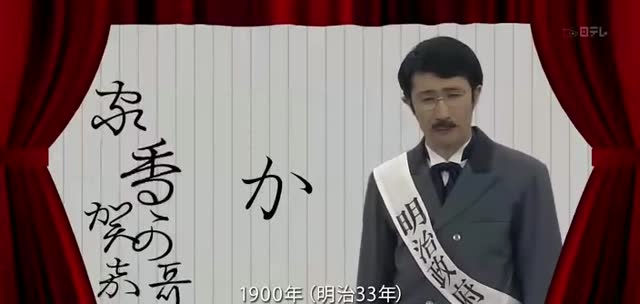
「変体仮名(へんたいがな)」 = hiragana variants that were in common use until 1900 (Meiji 33), when they were officially designated as "no longer in use." Japanese hiragana evolved from cursive forms of kanji, and a single sound once had several different shapes. The modern 「か」 comes from 「加」; the character on the signboard, "with an extra vertical stroke on top, looking like 「の」," is a variant 「か」 that comes from 「可」.
明らかに宜しい
宜しい = よろしい
「宜(よろ)しい」 is the formal way of writing 「良い」, meaning "fine, appropriate." The signboard reads 「明らかによろし」 = "clearly good". In modern Japanese, 「宜しく」(よろしく)still keeps this kanji spelling: 「宜しくお願いします」.
〜を元にした
〜を元にする: to base on ...
「漢字を元にした平仮名」 = "hiragana based on kanji." 「元にする」 = "to use something as the basis or model": • 「実話を元にした映画」 = "a movie based on a true story"
Haruko explains to Marie why old hiragana disappeared, and several "ka" characters turn into people arguing.
声
平仮名は 一音につき一字を標準とする。
For hiragana, one character per sound is the standard.
声
「か」は…君。
"Ka" is... you.
声たち
やった~! それは聞いていない
Yay! —I haven't heard about this.
声
標準から外れた仮名は 以後 「変体がな」と呼ぶ。
Kana that depart from the standard shall henceforth be called "hentaigana."
声たち
変体は聞き捨てならぬ それで いいんじゃない
"Irregular"? We can't let that slide. —Isn't that fine, though?
ハルコ
やかましい!
Shut up!
ハルコ
そうやって 古い平仮名は消えてったの。
And that's how the old hiragana disappeared.
Speaking notes
聞き捨てならぬ
〜ならぬ: classical form of 〜ならない
「聞き捨てならぬ」 = "can't be left unheard" (can't let it pass). 「ならぬ」 is a classical, period-drama form of 「ならない」. • 「聞き捨てならない」 = "I can't let that remark go." This passage is an argument among kana characters, and the lines carry a period-drama archaic flavor (「ならぬ」, 「〜とする」). It was the 1900 rules implementing the Elementary School Order that, under the principle of "one sound, one character,"eliminated the variant kana.
消えてったの
消えていく → 消えてった
「消えてった」 = a colloquial contraction of 「消えていった」. 「〜ていく」 expresses "gradually moving away / changing over time": • 「消えていく」 = "to fade away" • 「忘れていく」 = "to gradually forget" Haruko ends with 「〜の」 (a soft explanatory tone): as if telling a story to a child. Note: 「そうやって」 = "just like that," compressing the long argument above into a single conclusion.
やかましい
やかましい: noisy, nagging
「やかましい」 = (of sound) noisy; (of a person) fussy, nagging. • 「やかましい!」 = "Shut up!" (literally, "so noisy!") • 「口やかましい」 = "nagging" Similar word: うるさい (colloquial) > やかましい (a bit old-fashioned and fiercer).
Haruko sighs that old things may be fated to vanish, but Marie says ninkyo is still right here, praising the yakuza for their chivalrous spirit.
ハルコ
古いものは 消えていく 宿命なのかもしれないな。
Old things may be fated to disappear.
マリー
任侠は ここに 残っているじゃありませんか。
Isn't ninkyo still remaining here?
藤田/マリー
任侠? この方たちは→
Ninkyo? These gentlemen—
マリー
粋で いなせな ヤクザものです。
—are stylish and dashing yakuza.
藤田
おいおい ガイジンさんも おべんちゃら言うのかよ。
Hey, hey, even a foreigner (gaijin-san) can flatter, huh?
マリー/生徒
お便所? (笑い)
"O-benjo"? (laughter)
Speaking notes
宿命
宿命: fate, destiny
「宿命(しゅくめい)」 = a fate that cannot be changed. • 「宿命のライバル」 = "a destined rival" 「〜のかもしれないな」 = "maybe it is ..." (a self-addressed musing).
残っているじゃありませんか
〜じゃありませんか: isn't it ...? (a rebuttal)
「残っているじゃありませんか」 = "Isn't it still remaining?" Marie rebuts with a polite negative question, the most courteous way of pushing back in Japanese. Compare: • 残っている: (statement) • 残っているじゃない: (casual) • 残っているじゃありませんか: polite, but not to be argued with Her line is both a rebuttal to Haruko and flattery of these yakuza.
おべんちゃら
おべんちゃら: flattery
「おべんちゃら」 = flattery, sweet-talk. It is colloquial with a slightly contemptuous tone. • 「おべんちゃらを言う」 = "to flatter" Hearing Marie, Fujita says 「ガイジンさんもおべんちゃら言うのかよ」, half pleased, half skeptical. And one punchline: Marie hears 「おべんちゃら」 as 「お便所」 (restroom), because it sounds a bit like 「べんじょ」.
Key vocabulary
宿命 しゅくめい
Fate; destiny.
残る のこる
To remain; to be left over.
おべんちゃら
Flattery.
ガイジン
Foreigner (colloquial, sometimes carries a discriminatory tone).
Takasu rebukes Haruko and the others for taking students to play hanafuda with yakuza; Katori says the students cannot tell what is dangerous and need to be warned.
鷹栖
何 考えてんだ お前ら! どこの世界に→
What are you all thinking?! Where in the world—
鷹栖
生徒を連れて ヤクザと 花札やる教師がいるんだよ!
—is there a teacher who takes students to play hanafuda with yakuza?!
鹿取
生徒は興味が先走って 日本人のように 危険か→
The students' curiosity runs ahead of them, and unlike Japanese people, they can't tell what is dangerous—
鹿取
そうでないかの区別が できないんです。ですから→
—and what is not. So—
鹿取/ハルコ
私たちが注意してあげないと。 それ過保護過ぎない?
—we have to warn them. —Isn't that overprotective?
鷹栖
俺たちは 生徒の 日本での身元引受人なんだよ。
We are the students' guarantors in Japan.
鷹栖
教師は親も同然なんだよ! 二度と店に行くなと行っておけ。
A teacher is as good as a parent! Go and tell them never to go to that bar again.
鷹栖
分かったな。
Got it?
Speaking notes
注意してあげないと
〜てあげる: doing a favor (warning them for their sake)
【Giving and receiving verbs】「注意してあげないと」 = "We have to warn them (for their sake)." Katori uses 「あげる」, speaking from the position of a "protector" who gives the students a "warning" as a favor. 「〜てあげる」 can sound condescending, or can come from a sense of responsibility and protection: the difference lies not in grammar but in whether the speaker truly has the other person's good in mind. Haruko immediately fires back 「過保護過ぎない?」: "You're being overprotective."
身元引受人
身元引受人: guarantor
「身元引受人(みもとひきうけにん)」 = a guarantor who takes responsibility for someone (a student, a detainee). An international student's residence status requires a "guarantor," so teachers at a Japanese-language school often take on the role of guardian. Takasu's 「俺たちは生徒の日本での身元引受人なんだよ」 is not a metaphor but an institutional reality.
親も同然
〜も同然: as good as ...
「教師は親も同然」 = "A teacher is as good as a parent." 「AもBも同然」 = "A is no different from B": • 「家族も同然」 = "just like family"