LearnWithSubs

日本人の知らない日本語 Episode 10 (page 2/2)

Scenes on this page

  1. Drawing an omikuji to change her luck

    Scene 28 · 0:18

    Expressions: ござる, 流れが変わる

  2. Is a small blessing better than a blessing?

    Scene 29 · 0:38

    Expressions: おみくじの順番, 〜なおし

  3. A terrible fortune and tying it up

    Scene 30 · 0:41

    Expressions: 大凶, 〜に転じる

  4. Fortunes are not free

    Scene 31 · 0:41

    Expressions: 願かけ, 罰当たり

  5. One person too many

    Scene 32 · 0:50

    Expressions: 〜ちゃった, 数える

  6. "Give me back my luck!"

    Scene 33 · 0:22

    Expressions: ほどかれた, どうしてくれるんだ

  7. Students beg Haruko to do something

    Scene 34 · 0:18

    Expressions: なんとかしなさい, あんたたち

  8. The classroom turned into a power spot

    Scene 35 · 0:15

    Expressions: 〜させる, だろ〜?

  9. Lucky foods from around the world

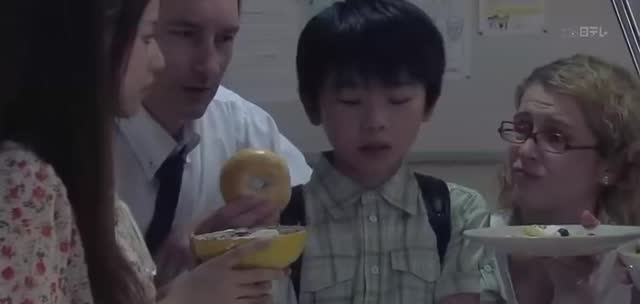
    Scene 36 · 0:36

    Expressions: ゲンかつぎ, 〜ができない/食べれない

  10. Falling and slipping: words exam takers avoid

    Scene 37 · 0:39

    Expressions: 落ちる, 〜にとって

  11. A phone rings and nobody answers

    Scene 38 · 0:28

    Expressions: サボる, なぜ〜か

  12. Eight million gods heard as 8,000,000 yen

    Scene 39 · 0:39

    Expressions: 八百万/ヤオヨロズ, 申します

  13. Mistaken for a kidnapper

    Scene 40 · 0:40

    Expressions: 間違えられる, 見放される

  14. An incident unseen since the school opened

    Scene 41 · 0:23

    Expressions: 〜以来, 事件になる

  15. Kidnapping a child and barricading in

    Scene 42 · 0:23

    Expressions: 立てこもる, 〜てやる

  16. We'll wait for you outside prison

    Scene 43 · 0:22

    Expressions: シャバ, どんだけ

  17. "I got the worst fortune too!"

    Scene 44 · 0:25

    Expressions: 〜に比べたら, 屁でもない

  18. A contest to see who is unluckier

    Scene 45 · 0:37

    Expressions: 〜てやろうじゃないの, 100と桜

  19. The coin toss: who is the unluckiest

    Scene 46 · 1:03

    Expressions: 〜に決まってる, 〜はずなのに

  20. Queen of bad luck, queen of the worst fortune

    Scene 47 · 0:15

    Expressions: 筋金入り, さすが

  21. The character 凶: a person struggling in a pit

    Scene 48 · 0:38

    Expressions: 大穴, 考えようによっちゃ

  22. Twisting the logic to turn bad luck around

    Scene 49 · 0:11

    Expressions: こじつけ, とらえる

  23. Luck is up to you

    Scene 50 · 0:36

    Expressions: 〜次第, なんか/なくちゃ

  24. Staking everything to give a boy courage

    Scene 51 · 0:30

    Expressions: 〜をかけて, 勇気を与える

  25. Ryota will treat the coin as a charm

    Scene 52 · 0:18

    Expressions: お守り, 〜んですけど

  26. A wish on an ema: Haruko, a high school teacher

    Scene 53 · 0:28

    Expressions: きたない字, 〜ますように

  27. Cleaning duty as a deserved penalty

    Scene 54 · 0:21

    Expressions: ありがたく思え, 当番

  28. Soaking up their good luck

    Scene 55 · 0:34

    Expressions: あやかる, まぶしい

Speed
All scenes

Drawing an omikuji to change her luck

This scene

日本人の知らない日本語 Episode 10 Drawing an omikuji to change her luck still

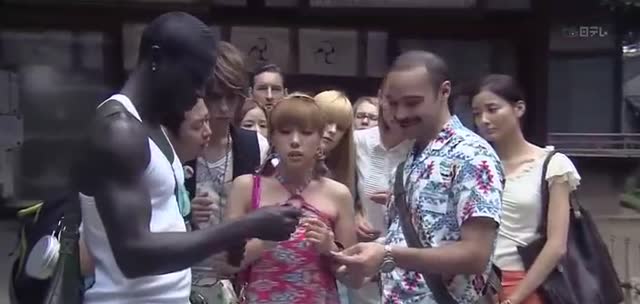
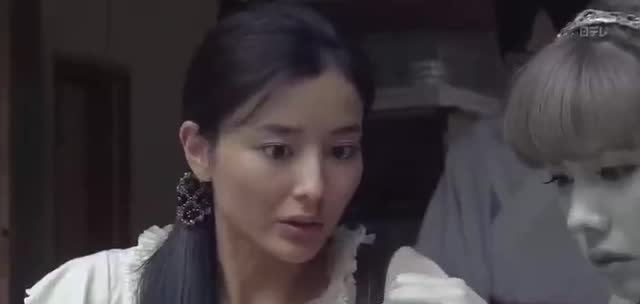
Haruko is dazed, and Shibuya suggests she draw a fortune slip. Jack asks in samurai-style speech if she is all right.
  1. ジャック

    Haruko! Are you all right, gozaru?

  2. ハルコ

    I'm not "gozaru"... Ahh! What bad luck.

  3. 渋谷

    Oh, that's right. Let's draw omikuji. Maybe your luck will turn around.

Speaking notes

ござる

archaic 'to be/there is' (samurai-style speech)

「ござる」 = (archaic, samurai speech) "to be; to exist" (a polite form of 「ある」 and 「だ」). The modern 「ございます」 is a variant of it:
• 「ありがとうございます」 was originally 「ありがたくござります」
Haruko replies 「ござらんよ」, using the negative of 「ござる」 for a joking retort.
流れが変わる

the situation turns; your luck changes

「流れが変わる」 = the flow changes; luck or the situation turns. Japanese speakers often use "flow" (流れ) to describe fortune or how things are going:
• 「流れが悪い」 = "the momentum is bad"
Shibuya uses 「かもしれませんよ」 ("maybe") as encouragement that makes no promise.

Key vocabulary

おみくじ
おみくじ: omikuji, a paper fortune slip.
引く ひく
引く: to draw (a slip); to pull.
流れ ながれ
流れ: flow; the course of events.
変わる かわる
変わる: to change.
ござる
ござる: (archaic) to be; to exist.

↑ Scenes on this page

Is a small blessing better than a blessing?

This scene

日本人の知らない日本語 Episode 10 Is a small blessing better than a blessing? still

Bob draws "kichi" and Paul draws "shoukichi". The two argue over whose luck is better.
  1. ポール

    Small blessing! - Blessing!

  2. ボブ

    Yes! I won. - Seriously?

  3. ハルコ

    No, no... you might think a small blessing is worse, but...

  4. ハルコ

    it's actually the opposite. - Oh! Really? - Huh?

  5. ポール

    A small blessing is higher? - That's right.

  6. ハルコ

    If you line them up in the proper order, starting from the luckiest...

  7. ハルコ

    ...it goes like this. - Heh heh heh.

  8. ポール

    I win, Bob. - Damn it! I'm drawing again!

  9. ハルコ

    Hey, no! You can't redraw. - What?!

Speaking notes

おみくじの順番

omikuji ranking differs by shrine

The order of omikuji fortunes (best to worst) varies from shrine to shrine. A common order is 大吉 > 中吉 > 小吉 > 吉 > 末吉 > 凶 > 大凶. At such shrines 「小吉」 ranks above 「吉」, but other shrines use different orders, so there is no single standard.
Paul asks 「小吉の方が上?」 and Haruko answers 「そう。」, which confirms that 「小吉」 ranks higher than 「吉」 in this ranking.

〜なおし

redo; to do again

「引き直し」 = redoing; drawing again. 「verb stem+直す」 = to do it over again:
• 「やり直す」 = "to start over" / 「書き直す」 = "to rewrite"
Haruko forbids a redraw because of the Japanese rule that you draw only once: what you draw is a message from the gods and you can't redo it.

Key vocabulary

大吉 だいきち
大吉: great blessing (the best omikuji fortune).
小吉 しょうきち
小吉: small blessing.
順番 じゅんばん
順番: order; sequence.
逆 ぎゃく
逆: the opposite; reverse.
引き直し ひきなおし
引き直し: redrawing; drawing again.

↑ Scenes on this page

A terrible fortune and tying it up

This scene

日本人の知らない日本語 Episode 10 A terrible fortune and tying it up still

Haruko and Katori open their fortunes together. Haruko's is bad and she wants to redraw, but is stopped.
  1. ハルコ

    Ms. Haruko, shall we open them together? - Sure.

  2. ハルコ

    Ready, go!

  3. 鹿取

    Yay! Great blessing! - And you, Ms. Haruko?

  4. ハルコ

    Terrible fortune?! The worst...

  5. 渋谷

    Well, it's only an omikuji, after all.

  6. ハルコ

    I'm going to draw again. - Isn't redrawing not allowed?

  7. 渋谷

    Ah... Well, I hear you can tie up even a bad fortune, wishing it to turn into a good one.

  8. ハルコ

    Oh... I see! Let's do that!

Speaking notes

大凶

the worst omikuji fortune

「大凶(だいきょう)」 = the worst omikuji fortune. The slip says things like "nothing will go well".
Japanese custom: don't take a bad fortune home; tie it to the designated rack or branch at the shrine (結ぶ), meaning you leave the bad luck at the shrine and ask the gods to remove it.
「たかが〜ですからね」 is what Shibuya says to console Haruko: "It's only an omikuji."

〜に転じる

to turn into...; to change to

「吉に転じろ」 = "turn into good fortune." 「AからBに転じる」 = to turn from A to B (misfortune into fortune).
• 「凶から吉に転じる」 = "to turn from bad luck to good luck"
Shibuya uses 「聞きますよ」 (hearsay) to say "this is not my claim, it's the custom": a gentle way in Japanese of avoiding a firm assertion.

Key vocabulary

大凶 だいきょう
大凶: terrible fortune.
結ぶ むすぶ
結ぶ: to tie; to knot.
転じる てんじる
転じる: to turn; to change.
引き直す ひきなおす
引き直す: to draw again.
たかが
たかが: a mere; only.

↑ Scenes on this page

Fortunes are not free

This scene

日本人の知らない日本語 Episode 10 Fortunes are not free still

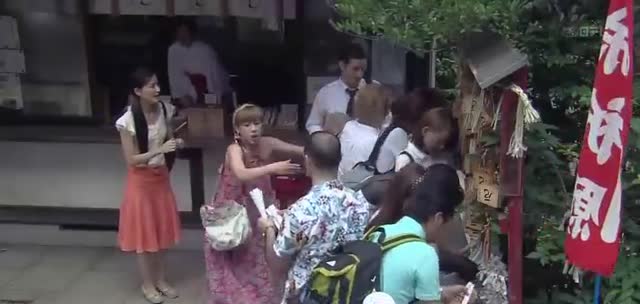
Haruko is about to tie up her fortune when she finds the students pulling fortunes off the tree. Bob says the fortunes here are free.
  1. ハルコ

    Hey!

  2. ボブ

    Oh, Haruko. The fortunes here are free.

  3. ハルコ

    They are not free!

  4. ハルコ

    Those fortunes were drawn by someone else! - What?!

  5. ハルコ

    They're tied up there for wishes! Put them all back! Hurry!

  6. エレーン

    You should have told us sooner.

  7. ボブ

    Oops! Really, I'm sorry.

  8. ハルコ

    I'll give them a good talking-to.

  9. 神主

    What a blasphemous thing to do. You really are unlucky.

  10. エレーン

    Catherine! - What?

  11. 鹿取

    I'm not Catherine, I'm Katori.

  12. ハルコ

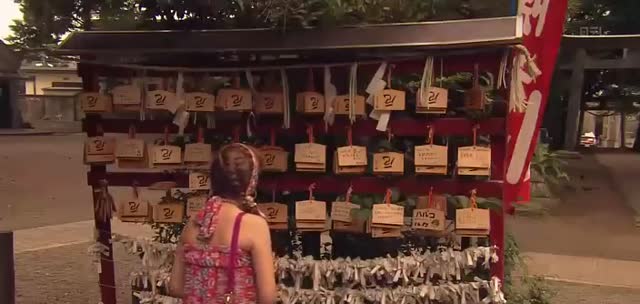
    This is called an ema, and you write your wish on the back.

Speaking notes

願かけ

making a wish; tying a fortune as a wish-vow

「願(がん)かけ(掛け)」 = making a wish to the gods; here, a wish-vow made by tying up a fortune. A tied-up fortune is a ritual of entrusting a wish, or bad luck, to the gods.
The students taking them down amounts to ruining someone else's wish, hence Haruko's alarm.
「タダ」 = (casual) free of charge:
• 「タダでもらった」 = "I got it for free."

罰当たり

sacrilege; behavior that will bring divine punishment

「罰当(ばちあ)たり」 = an act that deserves divine punishment; disrespect toward the gods. The Shinto priest uses the exclamatory 「なんて〜な」, in a solemn, angry tone.
【Extra】 「よく言って聞かせるんで」 = "I'll give them a good talking-to" (Haruko's apology): 「言って聞かせる」 means to admonish firmly, used for children or juniors.

Key vocabulary

タダ
タダ: free of charge.
願かけ がんかけ
願かけ: making a wish to the gods.
神主 かんぬし
神主: Shinto priest.
絵馬 えま
絵馬: ema, a wooden plaque for wishes.
罰当たり ばちあたり
罰当たり: sacrilegious; deserving divine punishment.

↑ Scenes on this page

One person too many

This scene

日本人の知らない日本語 Episode 10 One person too many still

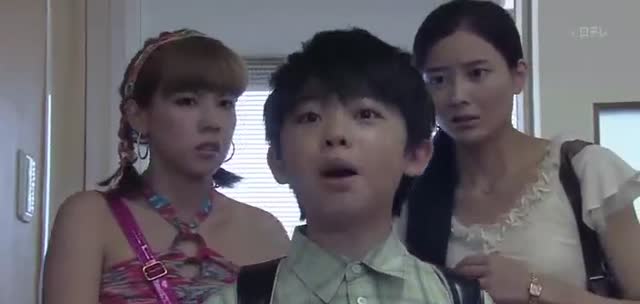
Katori says she will take a commemorative photo and the students line up. Back at school, Haruko counts the heads and finds an unknown boy.
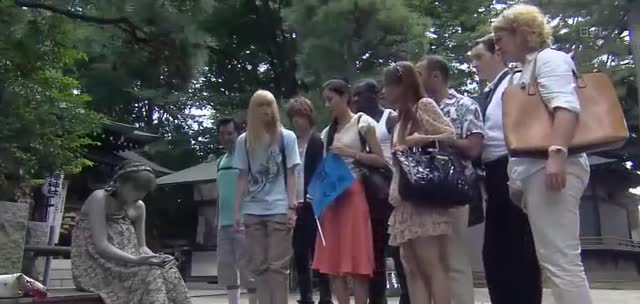
  1. 鹿取

    Okay, I'm going to take it~.

  2. 生徒たち

    Okay~.

  3. ハルコ

    Oh, I closed my eyes.

  4. ハルコ

    I'm exhausted~.

  5. ハルコ

    In the end, I brought the terrible fortune home with me.

  6. ハルコ

    Okay~ everyone, go into the classroom. I'm going to count heads.

  7. ハルコ

    1, 2, 3, 4, 5, six, seven, eight, nine, ten...

  8. ハルコ

    All right, nobody's missing! - There's one extra.

  9. ハルコ

    There's one extra?! What~?!

  10. ハルコ

    Who are you?

Speaking notes

〜ちゃった

ended up doing; regrettably did

「閉じちゃった」 and 「持って帰ってきちゃった」 = "ended up closing (my eyes)" and "ended up bringing it home." 「〜ちゃう」 is the casual contraction of 「〜てしまう」, expressing an unintended, regrettable result.
Haruko plays down the fact that she didn't tie up the terrible fortune.

数える

to count; headcount

「人数(にんずう)を数える」 = to count heads.
• 「人数確認」 = "headcount check"
How people are counted in Japanese: 一人(ひとり), 二人(ふたり), 三人(さんにん)...
Note: 「7人」 and 「9人」 each have two readings (しちにん/ななにん, きゅうにん/くにん); the common readings are しちにん and きゅうにん.

Key vocabulary

人数 にんずう
人数: number of people.
数える かぞえる
数える: to count.
減る へる
減る: to decrease.
増える ふえる
増える: to increase.
結局 けっきょく
結局: in the end.

↑ Scenes on this page

"Give me back my luck!"

This scene

日本人の知らない日本語 Episode 10 "Give me back my luck!" still

Ryota, shaking with anger, shouts at Haruko and the others to give back his luck: they untied his omikuji.
  1. 良太

    Give me back my luck! These guys untied my omikuji!

  2. ハルコ

    Oh no... because it was a terrible fortune...

  3. 良太

    I tied it up there so that it would get better...

  4. 良太

    If it's untied, it's still a terrible fortune, isn't it!

  5. ハルコ

    Oh no~. I have an important cram school exam coming up!

  6. 良太

    What are you going to do about it?! Take responsibility!

  7. 良太

    You ruined someone else's luck, so every one of you is going to be severely punished by the gods!

Speaking notes

ほどかれた

passive of 'to untie': to have (a knot) undone

「ほどかれた」 = "was untied." It is the passive form of 「ほどく」 (to untie).
• 「ひもをほどく」 = "to untie a string"
Ryota uses the passive to stress that he is the victim, and that it was done by outsiders, which is why he is furious.
「結んどいた」 is the casual form of 「結んでおいた」: "I tied it beforehand (for later)."

どうしてくれるんだ

'What are you going to do about it?' (a demand for responsibility)

【Giving verbs】「どうしてくれるんだよ!」 = "What are you going to do about this?!" Literally "what will you do for me?", but in practice it blames the other person for causing a loss and demands compensation or responsibility:
• 「どうしてくれるんだ、この責任は」 = "What are you going to do about this? It's your responsibility."
Using 「くれる」 turns "you must do something for me" into an angry demand to be held accountable.
【Comparison】 「責任取れよ」 is an imperative, more direct.

Key vocabulary

運 うん
運: luck; fortune.
ほどく
ほどく: to untie; to undo.
責任 せきにん
責任: responsibility.
塾 じゅく
塾: cram school.
バチが当たる バチがあたる
バチが当たる: to be punished by the gods (divine retribution).

↑ Scenes on this page

Students beg Haruko to do something

This scene

日本人の知らない日本語 Episode 10 Students beg Haruko to do something still

Ryota's anger grows, and the frightened students huddle together and beg Haruko to do something.
  1. 生徒たち

    No way~! Scary~!

  2. ジャック

    Haruko, please do something.

  3. ハルコ

    I don't know! You deal with it yourselves!

  4. ハルコ

    Wait, you guys, honestly!

Speaking notes

なんとかしなさい

'do something about it!' - a firm command passing the problem back

「あんたたちがなんとかしなさいよ」 = "You guys figure it out yourselves!" 「Vなさい」 plus 「よ」 is a forceful command that also pushes responsibility onto others:
【Contrast】 「ハルコなんとかしてください」 (the students relying on her) vs 「あんたたちがなんとかしなさい」 (Haruko passing it on).

あんたたち

'you guys' - casual and a bit rough

「あんたたち」 = "you (plural)", a casual contraction of 「あなたたち」. It is used with people you know well, or juniors, with a blunt tone:
• 「あんた」 = "you"

Key vocabulary

怖い こわい
怖い: scary; frightening.
知らない しらない
知らない: I don't know; not knowing.
なんとか
なんとか: somehow; to manage.
あんたたち
あんたたち: you guys (casual).
ハルコ
ハルコ: Haruko.

↑ Scenes on this page

The classroom turned into a power spot

This scene

日本人の知らない日本語 Episode 10 The classroom turned into a power spot still

Haruko bursts into the classroom and freezes: it has been decorated as a power spot, while Katori praises how impressive it is.
  1. 鹿取

    It's amazing~. - Right~?

  2. ハルコ

    Don't say "right?" What is all this?!

  3. 生徒たち

    We turned the classroom into a power spot!

  4. 生徒たち

    We gathered all the power from around the world here.

Speaking notes

〜させる

causative: to make or let something happen

「集結させました」 = "we made (the power) gather." 「Vさせる」 is the causative form (to make or let):
• 「パワーを集結させる」 = "to gather power together"
The students announce their "results" using polite speech plus the causative.

だろ〜?

'right?' - seeking agreement, a bit proud

「だろ~?」 = "Right~?" (seeking agreement, a little proud). The casual form of 「だろう」, with a rising intonation meaning "you think so too, don't you?"
Haruko's retort 「『だろ』じゃないわよ」 is a nitpicking comeback: she seizes on the other person's sentence-ending word and cuts in.

Key vocabulary

集結 しゅうけつ
集結: gathering; assembling.
あらゆる
あらゆる: all; every.
世界中 せかいじゅう
世界中: all over the world.
教室 きょうしつ
教室: classroom.
スゴイ
スゴイ: amazing; incredible.

↑ Scenes on this page

Lucky foods from around the world

This scene

日本人の知らない日本語 Episode 10 Lucky foods from around the world still

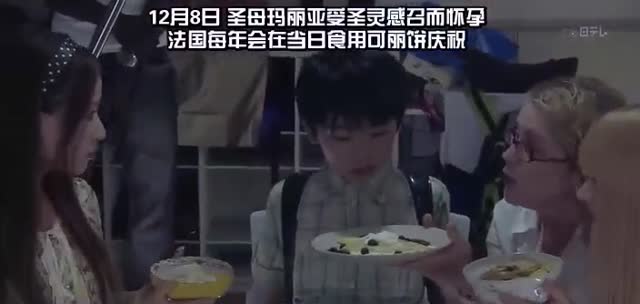
The classroom is filled with lucky foods from different countries. Jack says katsudon stands for beating the enemy, and Jin Li says that boiled dumplings were originally shaped like gold ingots.
  1. ジャック

    It's katsudon, gozaru. It's a good-luck food meaning to win against your enemy, gozaru.

  2. 金麗

    In China it's boiled dumplings! Originally the shape of money.

  3. 金麗

    A very lucky food!

  4. マリー

    In France it's crepes. They were eaten on the day Mary gave her precious prophecy.

  5. マリー

    So it's a happy food. Please, help yourself.

  6. ルカ

    In America it's bagels. They can't be cut, so they're lucky.

  7. ルカ

    They're given as gifts at weddings, too.

  8. ハルコ

    I can't eat all of this.

  9. ハルコ

    No, no... that combination is not okay.

Speaking notes

ゲンかつぎ

lucky charm; doing something for good luck

「ゲンかつぎ(験担ぎ)」 = doing things, such as eating certain foods, that are believed to bring good luck. Typical Japanese examples:
• Before exams, eating 「かつ丼」 (勝つ, "to win") or "Kit Kat" (きっと勝つ)
• At New Year, 「おせち」 and 「年越しそば」 (the noodles are easy to cut, so the past year's bad luck is cut off)

〜ができない/食べれない

casual 'can't eat' with the 'ra' dropped

「食べれない」 = "can't eat" (casual). The standard form is 「食べられない」; in speech the 「ら」 is often dropped (ら抜き言葉):
• 「見れる」, 「来れる」, 「食べれる」
Haruko uses ら-dropping, an example of everyday spoken Japanese.
「食べ合わせ」 = foods eaten together (also used for "food combinations that don't go well together").

Key vocabulary

ゲンかつぎ
ゲンかつぎ: doing something for good luck.
かつ丼 かつどん
かつ丼: katsudon, a pork cutlet rice bowl.
予言 よげん
予言: prophecy.
食べ合わせ たべあわせ
食べ合わせ: food combination; foods eaten together.
召し上がれ めしあがれ
召し上がれ: please eat; please help yourself.

↑ Scenes on this page

Falling and slipping: words exam takers avoid

This scene

日本人の知らない日本語 Episode 10 Falling and slipping: words exam takers avoid still

Charms and talismans hang all over the classroom. The students say good fortune keeps falling down, and Haruko stops them at once.
  1. 生徒たち

    This charm is lucky!

  2. ジャック

    If you do it like this, good fortune keeps falling down, doesn't it?

  3. ハルコ

    Falling...? Yes. It keeps falling.

  4. ハルコ

    Oh! You scared me~. What?!

  5. ロシア

    In Russia, dropping dishes is a lucky thing!

  6. ハルコ

    "Falling" and "dropping" are taboo words for exam takers.

  7. ハルコ

    Then let's say luck "rolls in" instead.

  8. ハルコ

    "Tumbling" is a taboo word too.

  9. ハルコ

    And "slipping" and "tripping," and so on.

  10. ハルコ

    You didn't need to say those, did you? The worst.

Speaking notes

落ちる

'to fall' also means to fail an exam: the taboo word for exam takers

「落(お)ちる」 = to fall; (of an exam) to fail. For exam takers, it is the biggest taboo word. Similar ones: 「滑る(すべる)」, 「転ぶ(ころぶ)」, 「つまづく」.
Japanese exam takers often use lucky substitutes:
• 「滑らない砂(すべらないすな)」 (non-slip sand), 「受かる」, "pentagon pencils" (五角形 = 合格, "passing")
Haruko replaces it with the positive 「転がり込んでくる」 ("luck rolls in"), a practical example of 「忌み言葉」.

〜にとって

for...; from the standpoint of

「受験生にとって忌み言葉です」 = "it is a taboo word for exam takers." 「Nにとって」 expresses the standpoint or viewpoint of N:
• 「私にとって大切なもの」 = "something important to me"
Note: taboo words depend on the person: weddings avoid 「切る」, exams avoid 「落ちる」.

Key vocabulary

お札 おふだ
お札: a charm; a talisman from a shrine.
受験生 じゅけんせい
受験生: exam taker; student sitting for an entrance exam.
転ぶ ころぶ
転ぶ: to fall over; to tumble.
つまづく
つまづく: to trip; to stumble.
転がり込む ころがりこむ
転がり込む: to roll in; (of luck) to come one's way.

↑ Scenes on this page

A phone rings and nobody answers

This scene

日本人の知らない日本語 Episode 10 A phone rings and nobody answers still

Ryota's phone keeps ringing. He says he skipped school today and will be scolded if he answers, so Bob answers it for him.
  1. ボブ

    Hey. Your phone's ringing.

  2. ハルコ

    Why don't you answer it?

  3. 良太

    Because I skipped school today.

  4. 良太

    I'll get scolded. For sure. This is bad.

  5. ボブ

    Hello. - Why are you the one answering?

  6. ボブ

    I'm Bob from Kobun Gakuin.

  7. ハルコ

    And why are you giving your name?

  8. ボブ

    Oh, is this his mom? Huh? Ryota?

Speaking notes

サボる

to skip school or work; to slack off

「サボる」 = to slack off; to skip class or work.
• 「授業をサボる」 = "to skip class"
Ryota gives 「サボったから」 as the reason for not answering, and already sounds like he expects to be scolded.

なぜ〜か

'why' - more formal than 'nande'

「なぜ あなたが出る?」 = "Why are you the one answering?" 「なぜ」 is more formal than 「なんで」 and is often used when questioning someone.
Note: here Haruko fires two exasperated questions in a row: 「なぜ あなたが出る?」 「そして なぜ名乗る?」.

Key vocabulary

サボる
サボる: to skip; to slack off.
携帯 けいたい
携帯: cell phone.
鳴る なる
鳴る: to ring; to sound.
名乗る なのる
名乗る: to give one's name; to introduce oneself.
怒られる おこられる
怒られる: to be scolded.

↑ Scenes on this page

Eight million gods heard as 8,000,000 yen

This scene

日本人の知らない日本語 Episode 10 Eight million gods heard as 8,000,000 yen still

Bob tells Ryota's mother over the phone that Ryota can't come to the phone now, and she seems to have misunderstood him.
  1. ボブ

    He can't come to the phone right now. - Say he's not here.

  2. ボブ

    We'd like to send Ryota back, too.

  3. ボブ

    But there's a condition: there's a bit of trouble at the 「ヤオヨロズ」...

  4. 母親

    Huh? 「ヤオヨロズ」... is 8 million?!

  5. ボブ

    That's right! We'll forgive him for 8 million!

  6. ハルコ

    Wait, wait, wait a second! You, give me that! Quickly, now!

  7. ハルコ

    Hello, I've taken over the phone.

  8. ハルコ

    My name is Haruko Kano, from the Japanese language school. I'm a teacher.

  9. ハルコ

    No, no! It's a misunderstanding! - Well, I mean, that's, uh...

Speaking notes

八百万/ヤオヨロズ

a mix-up: 'yaoyorozu' heard as 8,000,000 (yen)

「ヤオヨロズ」 (as in 「八百万の神」) is heard by the mother as the amount "8,000,000" (はっぴゃくまん). In Japanese, "number + 万" is typically used for sums of money, so as soon as she hears "八百万", she thinks of a ransom.
Bob uses elliptical phrases like 「条件があって…トラブルが…」, which lets the mother imagine a kidnapping and ransom: a classic case of vague wording causing misunderstanding.

申します

humble form of 'to say'; 'my name is...'

【Honorific language】「嘉納ハルコと申します」 = "My name is Haruko Kano." 「申す」 is the humble form of 「言う」 (used when you speak about yourself or introduce yourself):
• 「〜と申します」 = "My name is..."
「かわりました」 = "I've taken over the phone"; 「お電話かわりました」 is the standard phrase for taking over a call.

Key vocabulary

条件 じょうけん
条件: condition; terms.
許す ゆるす
許す: to forgive; to allow.
申す もうす
申す: to say (humble); to be called.
誤解 ごかい
誤解: misunderstanding.
かわる
かわる: to take over; to change places.

↑ Scenes on this page

Mistaken for a kidnapper

This scene

日本人の知らない日本語 Episode 10 Mistaken for a kidnapper still

The call is suddenly cut off and Haruko collapses, shouting that she has been mistaken for a kidnapper. The students are startled.
  1. ハルコ

    This is the worst!

  2. ジャック

    W-What's wrong?

  3. ハルコ

    They think I'm a kidnapper! - What?!

  4. ハルコ

    Honestly... I'm way too unlucky.

  5. ハルコ

    Ryota. Your mother is worried about you.

  6. ハルコ

    Don't you want to contact her?

  7. ハルコ

    Listen, you didn't want to take the cram school exam today, did you?

  8. 良太

    Shut up! I've been abandoned by the gods anyway!

Speaking notes

間違えられる

to be mistaken for...

「誘拐犯と間違えられてる」 = "I'm being mistaken for a kidnapper." The passive of 「AをBと間違える」: "to be mistaken for B".
• 「泥棒と間違えられた」 = "I was mistaken for a thief."

見放される

to be abandoned; given up on

「神様に見放されてる」 = "I've been abandoned by the gods." 「見放す」 means to stop looking after someone, to give up on them (a hopeless case), and the passive stresses that one has been abandoned.
Ryota blames the gods for his exam trouble.

Key vocabulary

誘拐犯 ゆうかいはん
誘拐犯: kidnapper.
間違える まちがえる
間違える: to mistake; to get wrong.
心配 しんぱい
心配: worry; concern.
見放す みはなす
見放す: to abandon; to give up on.
連絡 れんらく
連絡: contact; getting in touch.

↑ Scenes on this page

An incident unseen since the school opened

This scene

日本人の知らない日本語 Episode 10 An incident unseen since the school opened still

Takasu rushes in and calls out to Haruko, saying this child's parent has phoned the school.
  1. 鷹栖

    Hey!

  2. 鹿取

    Mr. Takasu! - What is this?

  3. 鷹栖

    Hey... you, what's the story with this child?

  4. 鷹栖

    It's turned into the biggest incident since this school was founded.

  5. 鷹栖

    What?! A while ago, this child's parent called!

Speaking notes

〜以来

since...; ever since (stressing unprecedented scale)

「学校始まって以来の事件」 = "the biggest incident since the school opened." 「N/Vて+以来」 means "ever since...", and here it stresses how unprecedented something is:
• Compare 「前代未聞」 ("unheard of") and 「史上初」 ("the first in history")
Takasu uses this exaggeration to blow Haruko's mistake up to the scale of the entire school.

事件になる

it has become an incident; it has escalated

「事件になってる」 = "it has become an incident." 「Nになる」 = to become N (change of state):
• 「大変なことになっている」 = "things have become serious"
Takasu uses a warning tone with 「〜になってるぞ」 (ぞ), a way for a male superior to convey urgency to a subordinate.

Key vocabulary

以来 いらい
以来: since; ever since.
事件 じけん
事件: incident; case.
親 おや
親: parent.
電話 でんわ
電話: telephone call.
さっき
さっき: a little while ago.

↑ Scenes on this page

Kidnapping a child and barricading in

This scene

日本人の知らない日本語 Episode 10 Kidnapping a child and barricading in still

Takasu relays the phone call: someone is claiming that Haruko Kano of Kobun Gakuin kidnapped her son and has barricaded herself in with him inside the school.
  1. 鷹栖

    Haruko Kano of Kobun Gakuin...

  2. 鷹栖

    has kidnapped her son and is holed up in this school. That's what they said.

  3. ハルコ

    What?! It's already turned into that?!

  4. 鷹栖

    Anyway, send this boy home! And you're fired!

  5. 鷹栖

    Turn yourself in right away! Otherwise I'll...

  6. 鷹栖

    I'll hand you over to the police!

  7. ハルコ

    N-No way~.

Speaking notes

立てこもる

to barricade oneself in; to hole up

「立(た)てこもる」 = to shut oneself in and hold a position, often used when a criminal holds hostages and hides inside a building.
• 「人質をとって立てこもる」 = "to take hostages and barricade oneself in"
In the mother's account, "kidnapped (誘拐して) plus holed up (立てこもる)" is the wording of a serious crime, which is why the teachers panic.

〜てやる

threatening 'I'll do X to you'

【Giving verbs】「警察につきだしてやる」 = "I'll hand you over to the police." 「〜てやる」 here means doing something to the other person that is bad for them, with a threatening, I'll-show-you tone:
• 「見てろ、仕返ししてやる」 = "Just watch, I'll get back at you."
Takasu uses 「やる」 for a forceful "I'm going to act against you" tone.

Key vocabulary

自首 じしゅ
自首: turning oneself in.
誘拐 ゆうかい
誘拐: kidnapping.
立てこもる たてこもる
立てこもる: to barricade oneself in.
つきだす
つきだす: to hand over (to the police).
さっさと
さっさと: quickly; without delay.

↑ Scenes on this page

We'll wait for you outside prison

This scene

日本人の知らない日本語 Episode 10 We'll wait for you outside prison still

Haruko wails about how unlucky she is. The students say they will wait for her outside, and Takasu says she really is a jinx.
  1. ハルコ

    How unlucky can I possibly be?

  2. ボブ

    Haruko, we'll be waiting for you on the outside.

  3. ボブ

    We'll visit you once in a while.

  4. 鷹栖

    I knew it, you're a jinx.

  5. ハルコ

    Yeah... it looks that way.

  6. ハルコ

    Today I was the worst.

Speaking notes

シャバ

the free world outside prison (slang)

「娑婆(シャバ)」 = (slang) the free world outside prison or the military.
• 「シャバの空気はうまい」 = "The air outside tastes good."
Bob says 「シャバで待ってますよ」 with a straight face, assuming Haruko is going to prison.

どんだけ

'how (extremely)...' - an exaggerating casual exclamation

「どんだけついてないんだ」 = "How unlucky can I be?!" 「どんだけ(どれだけ)」 is a casual exclamation meaning "to what ridiculous degree":
• 「どんだけ食べるの?」 = "How much are you going to eat?"
Haruko uses it to express extreme bad luck, with self-mocking despair.
「みたいね」 = "it seems so"; Haruko finally accepts that she is a jinx (with resignation).

Key vocabulary

娑婆 シャバ
娑婆: the free world outside prison (slang).
面会 めんかい
面会: visit (to someone confined).
どんだけ
どんだけ: how much; how (casual).
疫病神 やくびょうがみ
疫病神: a jinx; bringer of bad luck.
最悪 さいあく
最悪: the worst.

↑ Scenes on this page

"I got the worst fortune too!"

This scene

日本人の知らない日本語 Episode 10 "I got the worst fortune too!" still

Haruko suddenly points at Ryota: he said he'd been abandoned by the gods, but she got a terrible fortune too, and she's far unluckier today than he is.
  1. ハルコ

    You said earlier that the gods had abandoned you, right?

  2. 良太

    So... what about it?

  3. ハルコ

    I got a terrible fortune too!

  4. ハルコ

    But compared to how unlucky I was today...

  5. ハルコ

    your terrible fortune is nothing!

  6. 良太

    Shut up! I'm unlucky, and that's that!

Speaking notes

〜に比べたら

compared to...; if you compare with

「ついてなさに比べたら」 = "compared to (my) bad luck." 「Nに比べる」 = to compare:
• 「去年に比べて」 = "compared with last year"
Haruko turns bad luck into a noun to measure it, a humorous way of quantifying misfortune.
「ついてなさ」 = 「ついてない」 + 「さ」 (nominalizing): "the degree of being unlucky."

屁でもない

nothing at all; not even worth mentioning

「屁(へ)でもない」 = "it's nothing at all" (literally "not even a fart").
• 「そんなの屁でもない」 = "That's nothing."
A slangy phrase used to dismiss someone's pain or difficulty. Haruko uses it to knock Ryota down, but really she wants to encourage him: your bad luck is nothing.

Key vocabulary

見放される みはなされる
見放される: to be abandoned; to be given up on.
比べる くらべる
比べる: to compare.
屁 へ
屁: a fart; (slang) trivial.
ついてなさ
ついてなさ: degree of bad luck.
大凶 だいきょう
大凶: terrible fortune.

↑ Scenes on this page

A contest to see who is unluckier

This scene

日本人の知らない日本語 Episode 10 A contest to see who is unluckier still

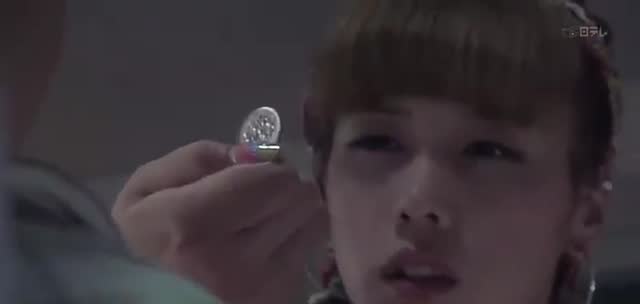
Haruko proposes a contest of who is unluckier. She takes out a 100-yen coin and asks Ryota to guess "100" or "sakura".
  1. ハルコ

    All right! Then, let's see which of us is unluckier...

  2. ハルコ

    I'll challenge you to a contest.

  3. ハルコ

    With this.

  4. 良太

    What's an unluckiness contest?

  5. ハルコ

    "100" or "cherry blossoms." Which one comes up?

  6. ハルコ

    If you guess wrong, I'll admit you're really unlucky.

  7. ボブ

    This is ridiculous.

  8. ハルコ

    Now, what'll it be?!

Speaking notes

〜てやろうじゃないの

'all right, let's do it' - accepting or issuing a challenge

「勝負してやろうじゃないの」 = "Fine, let's have a contest!" 「Vてやろうじゃないか」 means taking up a challenge or throwing one down:
• 「受けて立とうじゃないか」 = "I'll take you on."
Haruko uses this pattern to dress up comfort as a duel.

100と桜

the two sides of a 100-yen coin

The two sides of the Japanese 100-yen coin: one shows "100", the other shows cherry blossoms. They are like heads and tails.
Haruko uses it for a fair either-or, a way of gambling on luck.
「外す」 = to miss; to guess wrong (the opposite is 「当たる」): here, "guessing wrong" = "you really are unlucky," so the rule of the unluckiness contest is counterintuitive: losing means you're the unlucky one.

Key vocabulary

勝負 しょうぶ
勝負: a contest; a match.
外す はずす
外す: to miss; to guess wrong.
桜 さくら
桜: cherry blossom.
認める みとめる
認める: to admit; to acknowledge.
むちゃくちゃ
むちゃくちゃ: absurd; ridiculous.

↑ Scenes on this page

The coin toss: who is the unluckiest

This scene

日本人の知らない日本語 Episode 10 The coin toss: who is the unluckiest still

Ryota accepts the challenge and picks "100", Haruko picks "cherry blossoms", and the coin decides.
  1. 良太

    Fine, I'll do it. I'm unlucky anyway.

  2. ハルコ

    Hmph! Don't underestimate how unlucky I am.

  3. ジャック

    She's so confident. - What is she so proud of?

  4. ハルコ

    Now, which one?!

  5. 良太

    Then it's 100. I'm sure to guess wrong anyway.

  6. ハルコ

    Then I'll take cherry blossoms.

  7. ハルコ

    I'm definitely going to be wrong.

  8. ハルコ

    Here it comes.

  9. ハルコ

    Which one~?

  10. 良太

    It's 100! - Which means?

  11. ハルコ

    Yes~! I guessed wrong~!

  12. ハルコ

    I'm the unluckier one~.

  13. ハルコ

    Damn it~! I should be happy, but I'm not~!

Speaking notes

〜に決まってる

'is bound to...'; certain

「どうせ外すに決まってる」 = "I'm sure to guess wrong anyway." 「〜に決まっている」 expresses certainty, something taken for granted:
• 「彼が来るに決まってる」 = "He's bound to come."
Ryota uses it to voice his pessimistic expectation.

〜はずなのに

'although it should be...' - reality contradicts expectation

「うれしいはずなのに、うれしくない」 = "I should be happy, but I'm not." 「〜はずなのに」 expresses that reality does not match what was expected:
• 「勉強したはずなのに」 = "I should have studied, yet..."

Key vocabulary

勝負 しょうぶ
勝負: contest; match.
ハズレ
ハズレ: a miss; a losing result.
えばる
えばる: to be arrogant; to swagger.
決まってる きまってる
決まってる: it's certain; bound to be.
うれしい
うれしい: glad; happy.

↑ Scenes on this page

Queen of bad luck, queen of the worst fortune

This scene

日本人の知らない日本語 Episode 10 Queen of bad luck, queen of the worst fortune still

The students crowd around Haruko, crowning her "queen of bad luck" and "queen of terrible fortune". Takasu says her bad luck is the real thing.
  1. ボブ

    Oh. As expected of Haruko.

  2. 王

    You're the queen of bad luck.

  3. ダイアナ

    Queen of terrible fortune.

  4. ジャック

    You're going too far. - Though she really is unlucky.

  5. 鷹栖

    It seems your bad luck is the genuine article.

Speaking notes

筋金入り

hardened; the genuine article, through and through

「筋金入(すじがねい)り」 = (figurative) tempered by long experience, firmly established; the real thing.
• 「筋金入りのファン」 = "a die-hard fan"
Takasu's 「筋金入り」 has a double meaning of praise and mockery: you're thoroughly, impressively unlucky.

さすが

'as expected of...' - here used ironically

「さすがハルコ」 = "As expected of Haruko." (here, teasing) 「さすが」 is normally praise, but placed alongside bad luck it turns ironic:
Note: 「言い過ぎですよ」 is Jack using polite speech to stop the others, as if lecturing fellow students.

Key vocabulary

女王 じょおう
女王: queen.
筋金入り すじがねいり
筋金入り: hardened; genuine through and through.
言い過ぎ いいすぎ
言い過ぎ: saying too much; going too far.
確かに たしかに
確かに: certainly; indeed.
クイーン
クイーン: queen.

↑ Scenes on this page

The character 凶: a person struggling in a pit

This scene

日本人の知らない日本語 Episode 10 The character 凶: a person struggling in a pit still

Haruko calms down and tells the students that a terrible fortune is actually a very good thing. She writes the character 凶 on the board and explains its origin.
  1. ハルコ

    Hmph! You guys, depending on how you look at it, a terrible fortune...

  2. ハルコ

    is a really good thing, you know.

  3. ハルコ

    Okay? This character, 「凶」.

  4. ハルコ

    This depicts a person who has fallen into a pit trap...

  5. ハルコ

    and is struggling.

  6. ボブ

    That's the worst! So a terrible fortune is...

  7. ハルコ

    struggling in a huge pit.

  8. ハルコ

    In other words, I'm an "ooana" (long shot).

  9. ボブ

    Huh? If a long shot hits, the payout is big.

  10. ハルコ

    Which means a terrible fortune is actually a chance, right?!

Speaking notes

大穴

a long shot (horse racing); also 'big hole'

「大穴(おおあな)」 = (gambling) a long shot: an option few people bet on, but which pays off hugely if it hits.
• 「大穴を当てる」 = "to hit a long shot"
Haruko plays on two meanings: (1) a "big pit" (大きな穴) and (2) a "long shot" (大穴), forcing a reinterpretation of 「大凶」 as an opportunity.

考えようによっちゃ

depending on how you think about it

「考えようによっちゃ」 = "depending on how you look at it." 「Vようによっては」 = depending on how one does or thinks about it; 「ちゃ」 is the casual contraction of 「ては」:
• 「使いようによっては便利だ」 = "Depending on how you use it, it's handy."
Haruko uses it to set up her forced reinterpretation.

Key vocabulary

凶 きょう
凶: bad luck; ill omen.
落とし穴 おとしあな
落とし穴: pitfall; trap.
もがく
もがく: to struggle; to flounder.
大穴 おおあな
大穴: a long shot; a big hole.
チャンス
チャンス: chance; opportunity.

↑ Scenes on this page

Twisting the logic to turn bad luck around

This scene

日本人の知らない日本語 Episode 10 Twisting the logic to turn bad luck around still

Jack admires how neatly Haruko has reworded the thing to be avoided. Takasu says she is stretching logic past its limits.
  1. ジャック

    Amazing! You neatly reworded something that's supposed to be avoided.

  2. 鷹栖

    There's a limit to twisting things to fit! Hmph!

  3. ハルコ

    It's up to me how I interpret luck, isn't it?!

Speaking notes

こじつけ

a forced, far-fetched explanation

「こじつけ」 = a far-fetched explanation; forcing a reading to fit.
• 「そんなのこじつけだ」 = "That's just a stretch."
Takasu uses 「〜にも程がある」 ("there's a limit to..."):
• 「冗談にも程がある」 = "There's a limit to joking."
The pattern 「〜にも程がある」 is a common way in Japanese to criticize something that has gone too far.

とらえる

to grasp; to interpret (a situation)

「どうとらえようと」 = "however one interprets it." 「捉える」 = to grasp; to understand (a meaning):
• 「物事を前向きに捉える」 = "to see things positively"

Key vocabulary

忌む いむ
忌む: to avoid as unlucky; to shun.
見事 みごと
見事: splendid; skillful.
こじつけ
こじつけ: a far-fetched explanation.
程 ほど
程: degree; limit.
とらえる
とらえる: to grasp; to interpret.

↑ Scenes on this page

Luck is up to you

This scene

日本人の知らない日本語 Episode 10 Luck is up to you still

Ryota listens for a while, then says quietly that he is going home.
  1. 良太

    Um...

  2. 良太

    I'm going home.

  3. ハルコ

    Huh? I didn't quite get it, but...

  4. 良太

    There's one thing I understood clearly.

  5. 良太

    Someone even unluckier than me is working this hard, so...

  6. 良太

    someone like me still has to try harder.

  7. ハルコ

    Right! As long as you get it.

  8. ハルコ

    Whether you're lucky or not depends on yourself.

  9. 良太

    Yes! For today's exam, I won't worry about luck...

  10. 良太

    I'll do my best to get 100 points!

  11. 良太

    Thank you very much, teacher!

Speaking notes

〜次第

depends on...; up to...

「自分次第」 = "up to yourself." 「N次第(しだい)」 means "depends on N":
• 「努力次第で変わる」 = "it changes depending on effort"
• 「天気次第」 = "depends on the weather"
With this line Haruko pulls "luck" back from a gift of the gods to one's own responsibility.

なんか/なくちゃ

'I have to...' (casual contraction of nakute wa ikenai)

「頑張んなくちゃ」 = "I have to try harder." 「〜なくちゃ」 is the casual contraction of 「〜なくては(いけない)」:
• 「行かなくちゃ」 = "I've got to go."
Ryota says 「僕なんか」 ("someone like me") and 「まだまだ」 ("still far from it").
「わかりゃいいのよ」 = a casual form of 「分かればいい」, Haruko's teacherly praise.

Key vocabulary

必死 ひっし
必死: desperate; all-out.
次第 しだい
次第: depending on.
気にする きにする
気にする: to worry about; to mind.
まだまだ
まだまだ: still; not yet by a long way.
頑張る がんばる
頑張る: to do one's best; to keep trying.

↑ Scenes on this page

Staking everything to give a boy courage

This scene

日本人の知らない日本語 Episode 10 Staking everything to give a boy courage still

Takasu says he will see Ryota off, and tells the students to go home as well.
  1. 鷹栖

    Well then, I'll take him home. And you all go home too!

  2. 鷹栖

    Okay~. Then, we're leaving this boy to you.

  3. ジャック

    I see! Bad test results have nothing to do with the gods!

  4. ルカ

    All you have to do is study, right?

  5. ボブ

    I'll try to get more than 13 points too.

  6. 渋谷

    That was impressive, Ms. Haruko. - Huh?

  7. 渋谷

    Because you staked everything you had to give that boy courage.

Speaking notes

〜をかけて

to bet; to stake (money, life, honor)

「全財産をかけて」 = "staking all of one's possessions." 「Nをかける」 = to bet or stake N (property, life, honor):
• 「命をかける」 = "to stake one's life"
Shibuya is referring to Haruko losing the 100 yen in the coin game (all she had on her); calling it "all her possessions" is an exaggeration, a mild joke that is also sincere praise.

勇気を与える

to give courage

「勇気を与える」 = "to give courage." 「与える」 is a formal word for "to give" (more formal than 「あげる」, with no sense of doing a favor):
• 「希望を与える」 = "to give hope"
Shibuya's assessment is not "Haruko won" but "Haruko gave him courage with everything she had".

Key vocabulary

送る おくる
送る: to see off; to take (someone) home.
全財産 ぜんざいさん
全財産: all one's possessions.
勇気 ゆうき
勇気: courage.
与える あたえる
与える: to give; to provide.
結果 けっか
結果: result.

↑ Scenes on this page

Ryota will treat the coin as a charm

This scene

日本人の知らない日本語 Episode 10 Ryota will treat the coin as a charm still

Haruko realizes Ryota took the 100-yen coin she bet. Shibuya says the boy will surely keep it as a charm.
  1. 渋谷

    I'm sure that boy will keep it as a good-luck charm.

  2. ハルコ

    Oh, come on~!

  3. 鹿取

    By the way, this fortune slip is scarily accurate.

  4. ハルコ

    Okay, everyone! Let's hurry up and clean up!

Speaking notes

お守り

a lucky charm from a shrine or temple

「お守(まも)り」 = a charm sold at a shrine or temple.
• 「合格のお守り」 = "an exam-success charm"
Shibuya calls Haruko's 100 yen an 「お守り」.

〜んですけど

softly raising a topic: 'it's just that...'

「すんごい当たるんですけど」 = "It's incredibly accurate, you know..." 「〜んですけど」 is used to bring up a topic and draw the listener's attention, in a gentle tone (as if to say "so what do we do?"):
• 「ちょっと困ってるんですけど」 = "I'm a bit stuck, actually..."
Katori ends with 「〜んですけど」 and plays down how true the terrible fortune turned out.

Key vocabulary

お守り おまもり
お守り: a lucky charm.
当たる あたる
当たる: to come true; to be accurate.
片付ける かたづける
片付ける: to tidy up; to put away.
すんごい
すんごい: really, extremely (emphatic 「すごい」).
ていうか
ていうか: I mean; come to think of it.

↑ Scenes on this page

A wish on an ema: Haruko, a high school teacher

This scene

日本人の知らない日本語 Episode 10 A wish on an ema: Haruko, a high school teacher still

Tidying up, Haruko notices the wish plaques the students hung. Looking at Wang's crooked handwriting, she reads out his wish.
  1. ハルコ

    There, that should do it...

  2. ハルコ

    Is this Wang's? What messy handwriting.

  3. ハルコ

    "May Haruko become a high school teacher"?

  4. ハルコ

    Honestly...

Speaking notes

きたない字

very ugly (emphatic form of 'kitanai')

「きったない字ね」 = "What terrible handwriting." 「きったない」 is the emphatic form of 「汚い(きたない)」 with a small 「っ」:
• 「きったない」 = "really dirty" / "really messy"
【Extra】 Wang wrote 「こーこーきょんしー」, a misspelling of 「高校教師(こうこうきょうし)」, a sign that foreign students are not yet used to long vowels and small tsu.

〜ますように

may it be so (a wish)

「なれますように」 = "may she be able to become." 「Vますように」 is the pattern for wishes.

Key vocabulary

絵馬 えま
絵馬: ema, a wooden wish plaque.
汚い きたない
汚い: dirty; messy.
字 じ
字: character; handwriting.
教師 きょうし
教師: teacher.
よし
よし: good; all right (as a finishing remark).

↑ Scenes on this page

Cleaning duty as a deserved penalty

This scene

日本人の知らない日本語 Episode 10 Cleaning duty as a deserved penalty still

Haruko is assigned cleaning duty for what happened on the trip and asks why she has to do it. Takasu says it's a deserved penalty, and she should be grateful not to be fired.
  1. ハルコ

    What?! Why do I have cleaning duty?

  2. 鷹栖

    It's a fair penalty. You should be thankful you weren't fired.

  3. 鷹栖

    Be grateful! - The only thing wrong with me is my luck!

  4. 鷹栖

    And while we're at it, your bad luck... Good morning!

  5. 鹿取

    Um! Mr. Shibuya...

  6. 渋谷

    Yes?

Speaking notes

ありがたく思え

'be grateful!' - a stern command

「ありがたく思え!」 = "Be grateful!" 「Aく思え」 = "consider it A" (a forceful command):
• Compare 「感謝しろ」 and 「ありがたいと思え」
Takasu uses this condescending tone, a superior's scolding mixed with leniency toward a subordinate.
Haruko's retort 「私が悪いのは運だけですから!」 is a defensive kind of admission: she admits only bad luck, not lack of ability.

当番

duty; one's turn on a rotating job

「当番(とうばん)」 = being on duty; a rotating shift.
• 「掃除当番」 = "cleaning duty" / 「給食当番」 = "school-lunch duty"
Japanese schools place great importance on students cleaning up themselves (everyone takes turns).

Key vocabulary

当番 とうばん
当番: being on duty; a turn at a task.
ペナルティ
ペナルティ: penalty.
ありがたい
ありがたい: grateful; welcome.
掃除 そうじ
掃除: cleaning.
厄 やく
厄: misfortune; bad luck.

↑ Scenes on this page

Soaking up their good luck

This scene

日本人の知らない日本語 Episode 10 Soaking up their good luck still

Shibuya and Katori bump into each other and apologize in a fluster. Haruko watches and sighs that the two are dazzling, and wants some of their luck.
  1. ハルコ

    Get out of the way! Jinx! - Why, ouch!

  2. 鹿取

    Ah!

  3. 渋谷

    Whoa, I'm sorry! - No, no, it's fine!

  4. ハルコ

    Somehow, these two are dazzling.

  5. ハルコ

    Let me soak up some of that luck!

  6. ボブ

    Seriously awesome! Great blessing!

Speaking notes

あやかる

to benefit from someone's good fortune; to follow in their luck

「あやかる」 = to share in someone's good fortune; to benefit from association with them.
• 「彼にあやかりたい」 = "I want to be as lucky as he is."
「あやかっとこ」 is the casual form of 「あやかっておこう」.
Here Haruko wants to soak up the happy luck of Katori and Shibuya as a pair, treating other people's good fortune as her own blessing.

まぶしい

dazzling; also 'enviably bright'

「まぶしい」 = dazzling; (figuratively) radiant, enviable.
• 「まぶしい笑顔」 = "a dazzling smile"
Haruko's 「まぶしいぞ」 is an exclamation at being dazzled by the sweet pair, with a touch of envy and self-mockery.

Key vocabulary

まぶしい
まぶしい: dazzling; radiant.
あやかる
あやかる: to share in someone's luck.
疫病神 やくびょうがみ
疫病神: a jinx; bringer of bad luck.
どく
どく: to get out of the way.
大吉 だいきち
大吉: great blessing (the best omikuji fortune).

↑ Scenes on this page

Back to 日本人の知らない日本語 · Back to all scenes