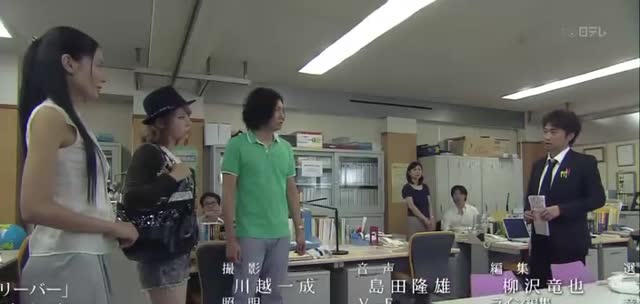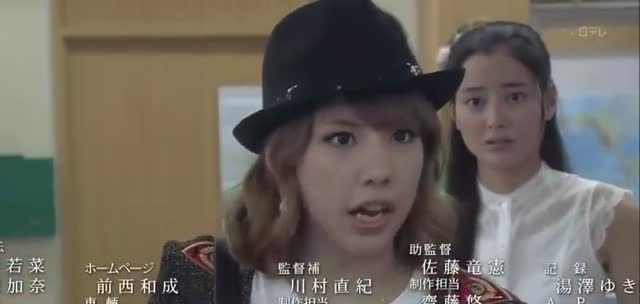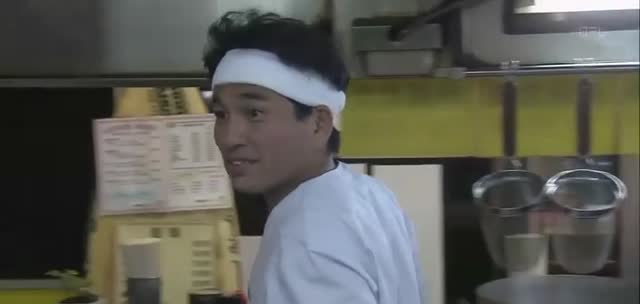
持って来い
持って来い: the command form
• 持って来て: (request, to a peer)
• 持って来てください: (polite)
• 持って来い: an order
Fujimori uses the imperative with Bob all the time, with no cushion at all.
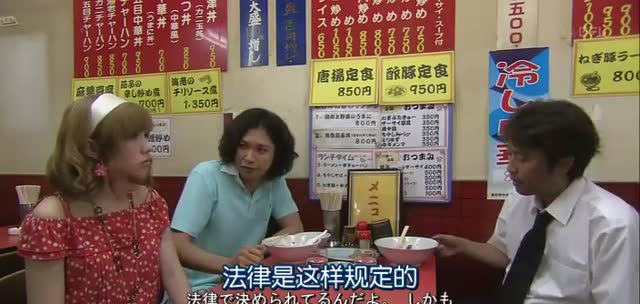
Scene 30 · 0:27
Expressions: 〜ってことなんだよ, バカにしたいわけじゃない, 食ってくために

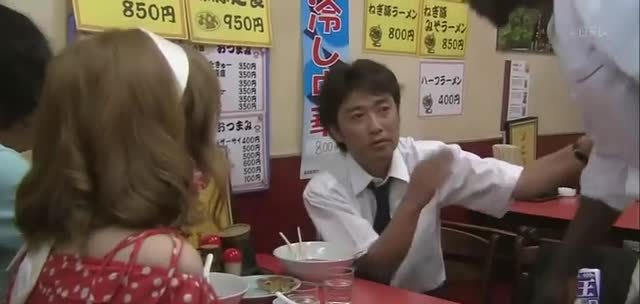
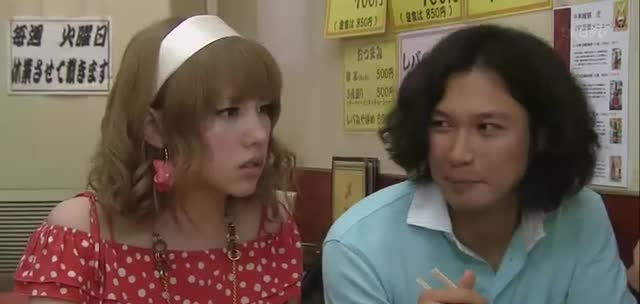
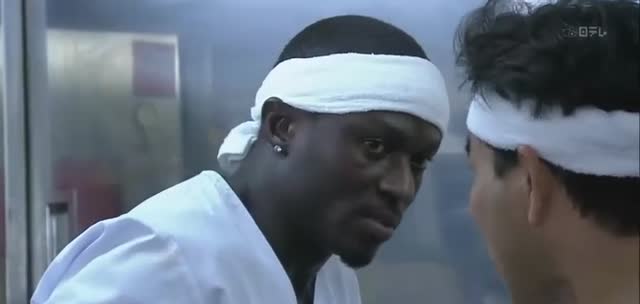
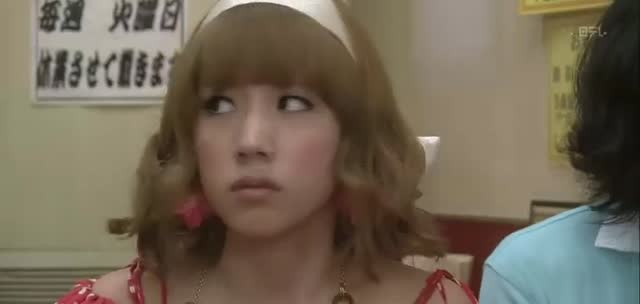
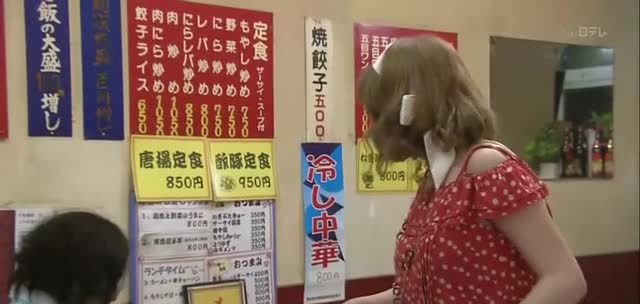
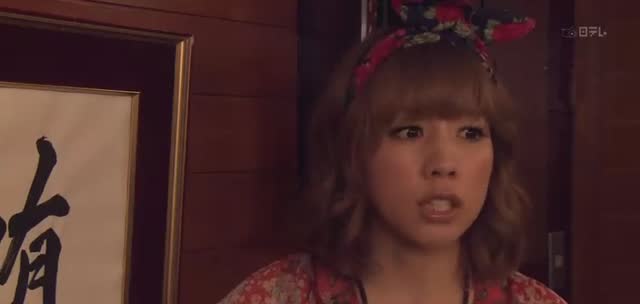
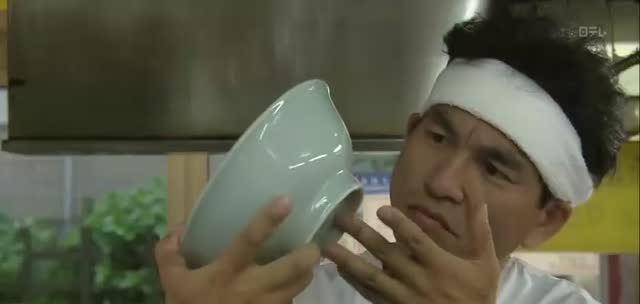
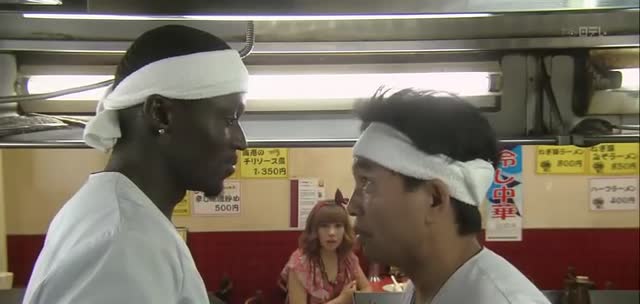
The ramen shop owner, Fujimori, yells at Bob to bring him the 「てぼ」, and Bob has no idea what he means. Haruko can't stand it, but Takasu says the owner is a kind man.
ボブ てぼ持って来い!
Bob, bring the 「てぼ」!
早く持って来いよ。 てぼだよ!てぼ!
Hurry up and bring it. The 「てぼ」! The 「てぼ」!
…てぼ?
...「てぼ」?
いつになったら 日本語 覚えるんだよ!?
When are you ever going to learn Japanese!?
一生 丼洗っとけ!バカ!
Go wash bowls for the rest of your life! Idiot!
あんな怒鳴んなくてもいいのに。
He doesn't have to yell like that.
やさしい人だ。 どこがよ?
He's a kind man. -- Where's he kind?
Speaking notes
持って来い: the command form
怒鳴んなくても: 'no need to yell'
やさしい人だ。どこがよ?: clashing stances

Takasu tells Haruko that Fujimori's willingness to hire Bob, whose Japanese is not fluent, is itself an act of kindness, because international students are limited to at most 28 hours of part-time work a week.
日本語が不自由で しかも アルバイトする時間→
His Japanese isn't good, and the hours he's allowed to work...
限られてるボブを 雇ってくれてんだぞ。
are limited, and yet he's kind enough to hire Bob.
留学生が働いていいのは 1週間に28時間まで。
International students may work only up to 28 hours a week.
法律で決められてるんだよ。 しかも→
It's decided by law. And besides...
ギャンブルや水商売は 絶対に禁止。
Gambling and nightlife businesses are strictly forbidden.
それを破ったら 最悪 強制送還だよ。
If they break that, the worst case is deportation.
強制送還!? おかしいと思うだろ?
Deportation!? -- Doesn't that seem wrong to you?
Speaking notes
雇ってくれてんだぞ: the くれる of the receiving side
〜のは〜まで: expressing an upper limit
おかしいと思うだろ?: 'you think so too, right?'

Haruko sticks up for Bob. Takasu doesn't take the bait; he turns and points out the 「てぼ」 to Bob.
そりゃ勉強が第一だっていうのはわかるけどさ~→
I understand that studying comes first, but~
いくら何でも ひどすぎますよ!それは!
no matter what, that's too harsh! That is!
俺に言うなよ。
Don't say that to me.
お待たせ致しました。
Sorry to keep you waiting.
ボブ ボブ ボブ! はい?
Bob, Bob, Bob! -- Yes?
あそこの 麺をゆでるやつが「てぼ」だ。
That thing over there for boiling noodles is a 「てぼ」.
あぁ!てぼ。
Ah! 「てぼ」.
あれが「てぼ」か。
So that's a 「てぼ」.
Speaking notes
お待たせ致しました: the humble 致す
いくら何でも: 'no matter what'
俺に言うなよ: 'don't say that to me'

Takasu tells Haruko about the vocabulary that isn't in textbooks but is essential for daily life, the "survival" Japanese that international students face every day.
ああいう 教科書に載ってないけども→
Things like that aren't in the textbooks, but
生活に必要な言葉を 何て言うか知ってるか?
do you know what we call the words you need for daily life?
いや…ちょっと!
No... wait a moment!
サバイバルだ。
Survival.
サバイバル!? 生徒にとって→
Survival!? -- For the students,
慣れない日本での生活は まさにサバイバルってことなんだよ。
living in unfamiliar Japan is survival, plain and simple.
わかったか?生徒は お前をバカにしたいわけじゃないんだ。
Got it? The students aren't trying to make a fool of you.
必要に迫られて質問しただけだ。食ってくためにな。
They only asked because they were pushed by necessity. To keep themselves fed.
Speaking notes
〜ってことなんだよ: 'in other words...'
バカにしたいわけじゃない: not a conclusion to draw
食ってくために: 食う as 'to make a living'

Fujimori starts yelling at Bob again, telling him to rewash the bowls that aren't clean and complaining that foreigners are hopeless. Haruko can't take it any longer.
まだ汚れてんだろうが!
They're still dirty, aren't they!
よく すすげよ!だからダメなんだよ 外国人は!
Rinse them properly! That's why foreigners are no good!
面倒臭がるわ 大雑把だわほんとに…。
Hating the work, being sloppy... honestly...
突っ立てないで洗い直せ バカ!
Don't just stand there, wash them again! Idiot!
ちょっと! やめろ。
Hey! -- Stop it.
Speaking notes
汚れてんだろうが: the scolding だろうが
〜わ〜わ: a list of complaints
洗い直せ: V + 直す

Takasu pulls Haruko aside and tells her that if she keeps meddling like this, Bob could lose his job.
だって…。 余計な事して ボブが→
But... -- If you meddle and Bob
クビになったら 責任とれんのかよ?
gets fired, can you take responsibility?
はぁ!? 悔しんだろうけどさ→
Huh!? -- I'm sure you're frustrated, but
郷に入ったら郷に従えって事だよ。
it comes down to "when in Rome, do as the Romans do."
どうも~ご馳走様でした。 へ~い。
Thanks~, that was a good meal. -- Right~.
あ ちょっと お金!
Ah, wait, the money!
日本で夢を叶えようと努力してる生徒を邪魔するなら→
If you get in the way of students who are trying hard to make their dreams come true in Japan,
学校へは もう来るな!!
then don't come to school anymore!!
Speaking notes
責任とれんのかよ: a challenge in rough speech
悔しんだろうけど: 'I know you're frustrated, but...'
叶えようと努力してる: 〜ようと

Takasu says "keep the change" and "thanks for the meal," then leaves with Shibuya, leaving Haruko at a loss.
行くぞ 渋谷。 あ はい。
Let's go, Shibuya. -- Ah, yes.
はっ? 大丈夫 大丈夫。
Huh? -- It's fine, it's fine.
えっ?いやいや…!
What? No, no...!
おつりはいいよ。ご馳走様! おつりはいいって これ…。
Keep the change. Thanks for the meal! -- What do you mean, keep the change? This...
おつりって…。
Change, he says...
Speaking notes
おつりはいいよ: 'keep the change'
おつりって…: quoting and being speechless

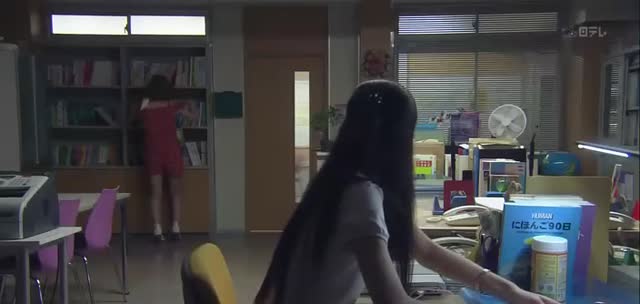
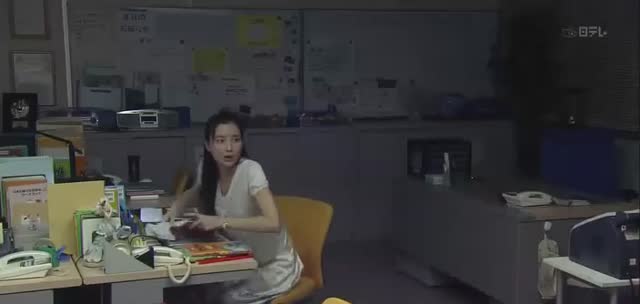
Late at night Haruko sneaks into the school library and walks off with a stack of books; she runs into Katori, who is also doing something she doesn't want seen, and they each ask whether the other saw anything.
この本 借りてくよ。
I'm borrowing this book, okay?
えっ!? よいしょ…。
Huh!? -- Heave-ho...
えっ!?あの…今 見てました?
Huh!? Um... did you just see that?
ん?何を? あ…何でもないです。
Hm? See what? -- Ah... never mind.
あっ 学校の本は 持ち出し禁止です。
Um, school books are not allowed to be taken out.
じゃあ 黙っといてよ。
Then just keep quiet about it, okay?
Speaking notes
借りてくよ: telling, not asking
持ち出し禁止: noun + 禁止 notices
黙っといてよ: a request this time

Katori turns down Haruko's offer to keep each other's secrets, and Haruko says she'll stay quiet too and turns to leave; Katori can't help asking why she took so many books.
規則ですから そういうわけには。
It's a rule, so I can't do that.
あたしも黙っとくからさ。じゃね。
I'll keep quiet about yours too. See you.
あの!あの… 何で そんなに本を?
Um! Um... why so many books?
これ?
These?
リベンジ。
Revenge.
Speaking notes
そういうわけには: a half-finished refusal
リベンジ: 'revenge' as a rematch

In the morning, there isn't a single student in the classroom. Takasu and Shibuya run around in a panic, and only Katori seems to know something.
集団失踪だ! バカ。
It's a mass disappearance! -- Idiot.
生徒が失踪なんかするか! けど 全員遅刻なんて 有り得ませんよ。
Students don't just disappear! -- But for all of them to be late is impossible.
どうするんですか!こんなことが教育機関に知れたら。
What are we going to do! If this gets out to the education authorities.
どうした? 何も知りません!
What's wrong? -- I don't know anything!
んっ? あ…別に脅されたわけじゃ…。
Hm? -- Ah... it's not that I was threatened or anything...
Speaking notes
有り得ませんよ: 'impossible'
知れたら: if it gets out
脅されたわけじゃ: a half-denial

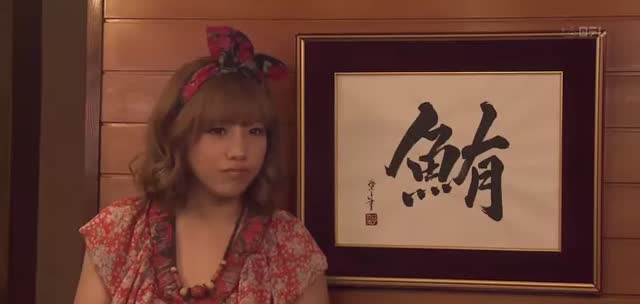
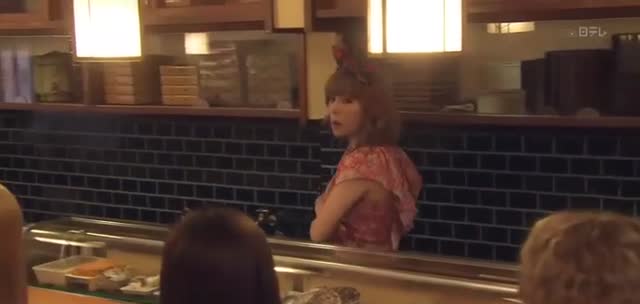
Haruko has moved the class to the counter of a sushi shop, where a calligraphy of the character 鮪 hangs on the wall, and talks with the students about how the meaning of a kanji differs between China and Japan.
はいはいはい 注目~!
All right, everyone, attention~!
昨日 中国と日本じゃ漢字の意味が違うって話があったよね?
Yesterday we talked about how the meanings of kanji are different in China and Japan, didn't we?
何でチョウザメがマグロなのよ?
Why did sturgeon become tuna?
それはね 簡単に言うと 勘違いだったの。 勘違い?
Well, to put it simply, it was a misunderstanding. -- A misunderstanding?
昔 中国から日本に 漢字が入り始めた頃ね…。
Long ago, when kanji first began coming into Japan from China...
Speaking notes
中国と日本じゃ: the casual では
〜って話があった: 'the topic came up'
勘違いだった: the keyword 'misunderstanding'

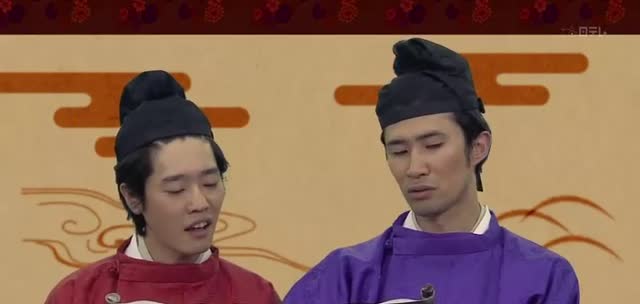
Haruko acts out a short skit: an old Japanese scholar opens a book and sees a large, precious fish that nobody has ever seen.
なあ。 え?
Hey. -- Huh?
この魚 何だと思う?見た事ないなぁ。→
What do you think this fish is? I've never seen it.
でも 描写からして かなりでかい。
But judging from the description, it's pretty huge.
でかくて珍重される魚っていったら…。
A fish that's huge and highly valued, if I had to say...
マグロ!マグロ!
Tuna! Tuna!
マグロかぁ。 マグロ。
Tuna, huh. -- Tuna.
マグロ?マグロね。 マグ?
Tuna? Tuna, right. -- Tu...na?
Speaking notes
描写からして: 'judging from...'
珍重される魚っていったら: 'if you say...'
でかい: casual for 'big'

When the skit ends, the students laugh at how casually Haruko played the ancients. Haruko says complaining gets you nowhere and brings the topic back on track.
超テキトー! は?
So sloppy! -- What?
そんな文句ばっか言うなら 大昔に行って来たら?
If all you do is complain, why don't you go back to ancient times?
だから 文句言っても 始まんないの。
So complaining doesn't get you anywhere.
それよりね…これ。
More importantly... this.
これの名前を 知りたがってた人は?
Who was it that wanted to know the name of this?
はい ジャックです。 ジャック。
Yes, it's Jack. -- Jack.
Speaking notes
テキトー: two opposite meanings
ばっか / 始まんない: two contractions
知りたがってた: 〜たがる for third persons

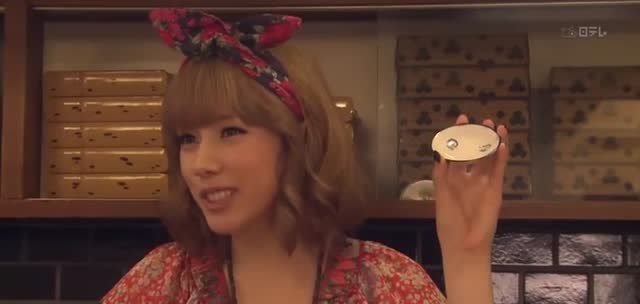
Haruko brings out the small square dish for soy sauce, explains its name, and goes on to talk about another dish that is used more often.
この 四角い醤油を入れるお皿は 薬味と醤油を入れるから→
This square dish for soy sauce is for holding both condiments and soy sauce, so...
「薬味醤油皿」と言います。 そのまんまですか。
it's called a 「薬味醤油皿」. -- Is that really just what it says?
でもね この よく使う方のお皿の方が面白いよ。
But the one we use more often is the more interesting one.
これは専門用語で 「むらちょこ」って言うの。
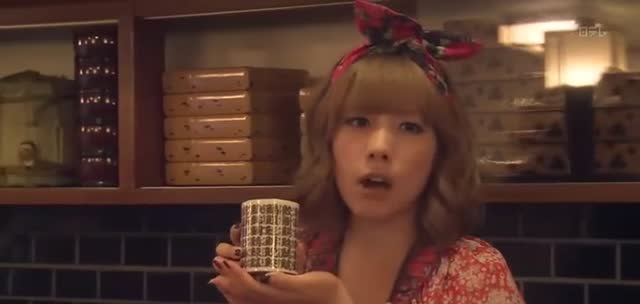
In the trade, this is called a 「むらちょこ」.
むらちょこ? 「むらさき」を入れる→
Murachoko? -- For putting 「むらさき」 in...
「おちょこ」を略して「むらちょこ」。
It's 「おちょこ」 shortened to make 「むらちょこ」.
「むらさき」は お醤油のことで 「おちょこ」は これ。
「むらさき」 means soy sauce, and 「おちょこ」 is this.
Speaking notes
そのまんまですか: 'just as it sounds?'
むらちょこ: むらさき + おちょこ
使う方のお皿: 方 for 'the one of the two'

Haruko asks what tea is called at a sushi shop, and Jack jumps in with 「あがり」. After praising him, she adds that even for tea, it depends on when you drink it.
へえ~。 すっげぇじゃん。
Wow~. -- That's amazing!
はい!お茶は あがりです。
Yes! Tea is 「あがり」.
よく知ってるね。でもね 惜しい。
You know a lot. But you're close.
詳しく言うと 「あがり」は食事の後に飲むお茶で→
To be more precise, 「あがり」 is the tea you drink after the meal,
食事中に飲むお茶は「出花」。 でばな?
and the tea you drink during the meal is 「出花」. -- Debana?
じゃあ 食事しないで飲むお茶は?
Then what do you call tea you drink without eating a meal?
それは ただの冷やかしじゃん。
That's just someone browsing without buying!
Speaking notes
惜しい: 'so close!'
あがり / 出花: sushi-shop jargon
冷やかし: browsing without buying

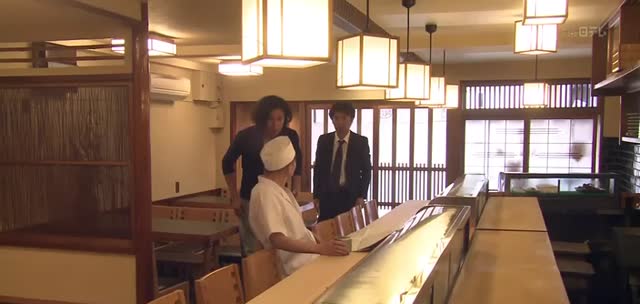
Following a lead, Takasu, Shibuya, and Katori reach the sushi shop and ask the master about their students; he says Haru-chan asked him to take them.
あ!ここです!ここ。 え?
Ah! It's here! Here. -- Huh?
あの…。すいません ウチの生徒達…。
Um... excuse me, our students...
ハルコちゃんに 頼まれちゃってさ~。 え?
Haru-chan asked me to, you see~. -- What?
奥。 奥?
In the back. -- The back?
厨房。 失礼します。
The kitchen. -- Excuse me.
いらっしゃいませ!
Welcome!
何やってんだ お前ら~! あ~カリスマ!
What are you all doing! -- Ah, Charisma!
いらっしゃ~い。
Welcome~.
Speaking notes
頼まれちゃってさ: a helpless 〜ちゃう + さ
失礼します: the all-purpose polite phrase
いらっしゃいませ: from いらっしゃる

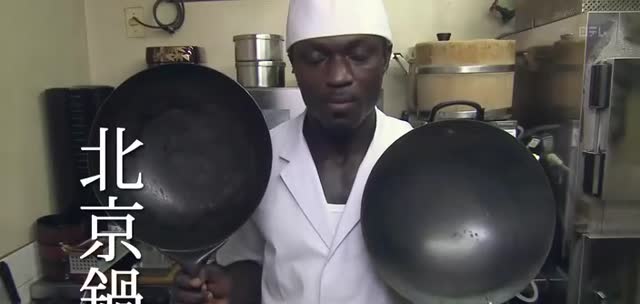
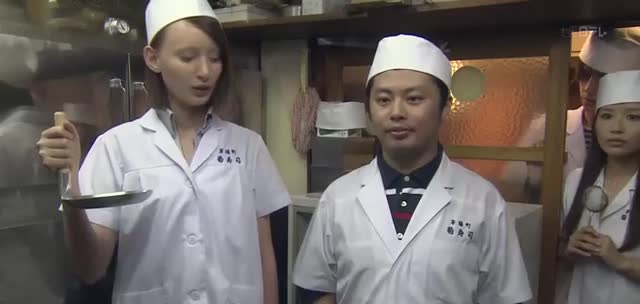
Standing among the students, Haruko points at one pot after another and acts as an on-the-spot guide, teaching them how to tell a 「北京鍋」 from a 「広東鍋」.
なぁ これ どっちだよ?
Hey, which one is this?
持ち手が1つの方が「北京鍋」で→
The one with one handle is a 「北京鍋」,
2つの方が「広東鍋」。
and the one with two is a 「広東鍋」.
パルコ これは? ハルコだって。
Paruko, what about this? -- It's Haruko!
これは「寸胴」。
This is a 「寸胴」.
ずんどう?
Zundo?
Speaking notes
北京鍋 / 広東鍋: pot names from place names
パルコ: mixing up は and ぱ
寸胴: a straight cylindrical pot

Haruko explains that 「寸胴」 can also describe people, and the students immediately practice on the people around them, with comic results.
人間も ウエストがくびれてない人のことを→
For people too, someone whose waist isn't defined
「寸胴体型」って言うのよ。
is said to have a 「寸胴体型」.
寸胴ですね。 ありがとうございます。
You're 寸胴, aren't you. -- Thank you very much.
お礼言って どうすんのよ。
What's the point of saying thank you?
Speaking notes
くびれてない人: くびれる for waistlines
お礼言ってどうすんのよ: 'what are you thanking for?'

Takasu drags Haruko to a corner of the kitchen and scolds her, saying names of tools can be taught in the classroom. Haruko doesn't back down.
ちょっと来い!
Come here a minute!
何よ! お前な…。
What is it! -- You...
道具の名前 教えるなら 教室でやればいいだろ!
If you're going to teach the names of tools, do it in the classroom!
言葉だけ教えたって 身に付かないでしょ!
Teaching only words doesn't make them stick!
みんな 慣れない日本で 生活してるんでしょ?
Everyone is living in a Japan they aren't used to, aren't they?
生きてるんでしょ? サバイバルなんでしょ?
They're living, aren't they? It's survival, isn't it?
Speaking notes
身に付かない: knowledge that doesn't stick
〜でしょ!: making the listener agree
お前な…: 'you really...'

Haruko tells Takasu with confidence that she is used to handling people, because she is a charisma clerk.
え それで わざわざ? 任せてよ。
Huh? You went to all this trouble for that? -- Leave it to me.
人の扱いには慣れてるんで。
I'm used to handling people.
こう見えても カリスマなんで。
I may not look it, but I'm a charisma clerk.
なぁ この中華包丁 よく切れるな。
Hey, this cleaver cuts really well.
もう 大雑把だなぁ。 親方 お手本見してあげて。
Honestly, you're so sloppy! -- Master, show them how it's done.
Speaking notes
任せてよ: 'leave it to me'
見してあげて: asking on the students' behalf
〜んで: casual 'because'

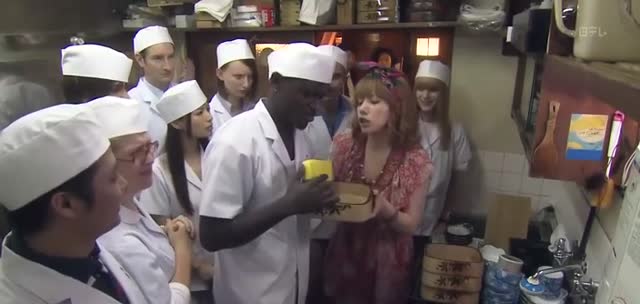
Before the sushi is served, Haruko has Bob demonstrate in front of everyone how to wash a bowl properly, and has the whole class repeat a chant.
なぁ そろそろ寿司食わせろよ。その前に!ちょっと こっち来て。
Hey, can we get the sushi soon? -- Before that! Come over here a minute.
何だよ~。 はい 洗って。
What is it~. -- Okay, wash.
やだよ! 外国人は だからダメだって言われるんだよ。はい。
No way! -- That's why people say foreigners are no good. Go on.
ほら もっと力入れて!
Come on, put more strength into it!
ちゃんと洗ったら すぐ すすぐ。
Once it's washed properly, rinse right away.
ぐす ぐすぐす?
Gusu... gusugusu?
Speaking notes
食わせろよ: a rough causative command
だからダメだって言われる: being told you're no good
すぐ すすぐ: a chant for memory

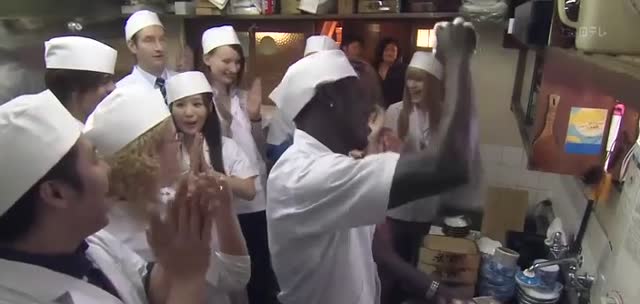
Haruko leads the whole class in chanting the dish-washing rhyme and sets a goal: once the bowls are done, there is sushi.
すぐ すすぐ。 すぐ すすぐ。
Rinse right away. -- Rinse right away.
隅々まで すぐ すすぐ。
Into every corner, rinse right away.
隅々まで すぐ すすぐ。
Into every corner, rinse right away.
はい。これが終わったらね みんな お待ちかねの お寿司だよ~!
Okay. When this is done, it's the sushi everyone has been waiting for~!
やった~!
Yay~!
ボブ 頑張ってね。 おう!
Bob, do your best. -- Yeah!
Speaking notes
隅々まで: into every corner
お待ちかね: long awaited
頑張ってね: 'do your best, okay?'

Bob's eyes well up as he washes bowls; Fujimori notices, scolds him for it, and then tells him he can do it if he tries.
お前 なにウルウルしてんだよ?
What are you getting teary for?
こういうことなんすね。 どういうこと?
So this is what it means. -- What do you mean?
ボブ!
Bob!
やりゃあ 出来んじゃねぇか。
See, you can do it if you try, can't you.
おい!鍋持って来い!
Hey! Bring the pot!
北京と広東 どっちですか?大将。
「北京」 or 「広東」, which one, boss?
Speaking notes
やりゃあ出来んじゃねぇか: 'you can do it if you try'
ウルウルする: eyes welling up
どっちですか?大将: 大将 as a title

Fujimori asks Bob whether he can use a knife and says that from today he'll let him try the cooking side of the kitchen. Bob is so happy he says, "Let's do our best together!"
お前 包丁使えるか? 中華包丁なら 少しやった。
Can you use a knife? -- If it's a 中華包丁, I've practiced a little.
今日から 作る方やってみろ。
From today, try working on the cooking side.
はい。頑張ろうな!
Yes. Let's do our best!
バカ!ため口きくな!
Idiot! Don't talk to me in casual speech!
Speaking notes
ため口きくな: casual speech to a superior
やってみろ: 'try it' as a command
頑張ろうな: 'let's do our best'

Haruko is happy for Bob; after thanking her, Bob says her outfit doesn't look like a teacher's and quotes the "when in Rome" proverb at her, and she asks whether he knows what it means.
よかったじゃん。
That's great, isn't it.
ありがとうございました 先生。
Thank you very much, teacher.
先生?
Teacher?
けどさ~そのファッションは 先生っぽくねぇよ。 はっ!?うそ?
But, you know, that outfit doesn't look like a teacher. -- What!? No way?
ゴウに入ったらゴウに従えだよ。
"When in Gou, do as the Gou do."
その意味わかって言ってんの?
Do you even know what that means when you say it?
Speaking notes
先生っぽくない: 〜っぽい 'having the feel of'
よかったじゃん: 'that's great, isn't it'
ゴウに入ったらゴウに従え: Bob teaches Haruko

Haruko comes to work dressed up with care and asks her colleagues how her "chic" teacher look is; Shibuya's answer is lukewarm.
おはようございます!
Good morning!
どう?先生っぽく シックに決めてみたんだけど。
How is it? I tried to look like a teacher, going for a chic style.
どのへんがシックに…。
Where exactly is the chic...
いや いいよ。 カッコイイよ!ハルコ先生。
No, it's fine. -- It looks great! Ms. Haruko!
やる気のないやつは 帰れ。
Those without motivation can go home.
やる気があるから 来たんじゃない。
I came because I do have motivation, don't I.
そうですよ! 鷹栖先生も見たでしょ?昨日。
That's right! Mr. Takasu, you saw it too, didn't you? Yesterday.
Speaking notes
シックに決めてみた: 〜に決める 'to pull off a look'
どのへんがシックに: a half-finished criticism
やる気: motivation

In the staff room, Takasu announces in front of everyone that Haruko only intends to stay here for three months and then become a high school teacher.
こいつはな 3ヶ月で辞めるんだぞ。 えっ?
This one is going to quit in three months, you know. -- What?
ここで3ヶ月我慢したら 高校教師になれるんだろ?
If you put up with this place for three months, you can become a high school teacher, right?
だから来たんだよな?
That's why you came, isn't it?
俺達はな 生徒を無事に卒業させなきゃならない→
We have a responsibility to see
っていう責任があるんだ。 腰掛けの お前とは違うんだよ!
our students safely through to graduation. We're not like you, just passing through!
誰が腰掛けよ? だったら責任とってみろ!
Who's just passing through? -- Then try taking responsibility!
やってやろうじゃないの!
Fine, I'll show you!
高校教師の職をかけて! はあ?
I'll stake my high school teaching job on it! -- What?
Speaking notes
腰掛け: a temporary seat
やってやろうじゃないの: 'I'll show you'
責任をとる: taking responsibility

The argument escalates, and Haruko stakes her high school teaching job on getting the entire class to graduate; Takasu laughs and says nobody believes a rookie can carry that responsibility.
鷹栖先生! ハハハハ…冗談だよ!
Mr. Takasu! -- Hahaha... I'm kidding!
誰も こんなペーペーが 責任とれるなんて思ってないよ。
Nobody thinks a rookie like this can take responsibility.
口ばっかり達者な カリスマ店員だもんな~?
After all, she's a charisma clerk who's all talk, right~?
責任とってやろうじゃないの! ハルコ先生!
I'll show you I can take responsibility! -- Ms. Haruko!
いいわよ!クラス全員を 卒業させられなかったら→
Fine! If I can't get the whole class to graduate,
高校教師を諦めますんで。 フフ…無理すんな。
I'll give up on becoming a high school teacher. -- Heh... don't push yourself.
無理じゃないわよ!約束よ!
I'm not pushing myself! It's a promise!
Speaking notes
ペーペー: a rookie
口ばっかり達者: all talk
諦めますんで: staking a bet

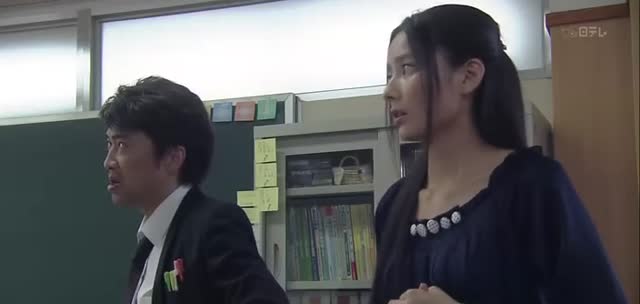
Katori timidly reminds Haruko that the school has a graduation exam, and the person who writes it is Takasu.
あの~。うちの学校に 卒業試験があることは?
Um~. Do you know our school has a graduation exam?
あ?卒業試験? クラス全員を合格させるのは→
Huh? A graduation exam? -- Passing the whole class
俺達でも難しいんだよ! え?はっ!
is hard even for us! -- What? Huh!
言い忘れていたが その試験を作るのは この俺だ。 うっ!
I forgot to mention it, but the person who writes that exam is me. -- Ugh!
ついでに言っておくと 手を抜かないのが→
And while I'm at it, never cutting corners
わしのポリシーじゃ! はぁ…。
is my policy! -- Haa...
約束だからな。カリスマ先生!
It's a promise, remember. Teacher Charisma!
Speaking notes
言い忘れていたが: the introductory が
言っておくと: 〜ておく 'tell in advance'
わしのポリシーじゃ: an old man's speech